The Ultimate Sign Language Tours in Major Museums Right Now: Unlock a World of Visual Wonder
I stepped off the train at King’s Cross, the familiar rumble a comforting hum beneath my feet. The air, crisp and carrying the faint, metallic tang of London's underground, filled my lungs. But today, it wasn't just the iconic red buses or the distant chime of Big Ben that buzzed in my anticipation. It was the promise of a museum visit unlike any other – an immersion into art and history, communicated not just through spoken words, but through the eloquent flow of sign language. For too long, the deaf and hard-of-hearing community has navigated cultural spaces with a veil of inaccessibility. No more. The tide is turning, and I'm here to guide you through the most electrifying sign language tours available in major museums right now. This isn't just about translation; it's about revelation.
The Rise of Visual Storytelling: Why Sign Language Tours Are a Game-Changer
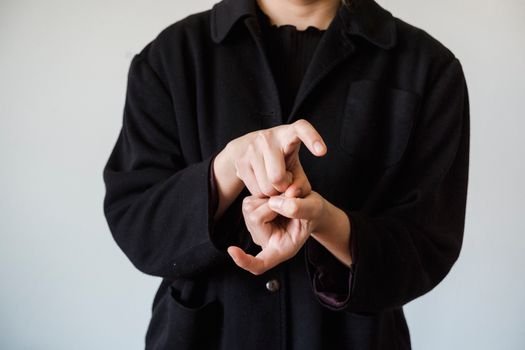
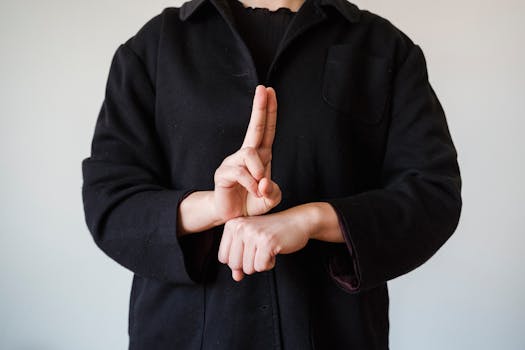
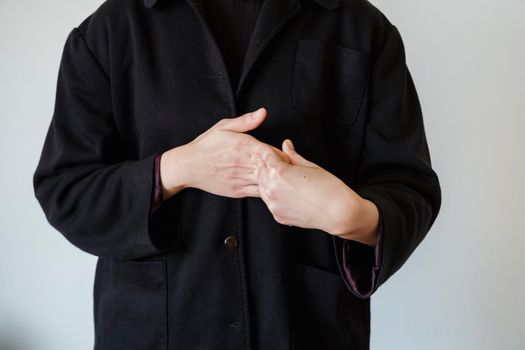
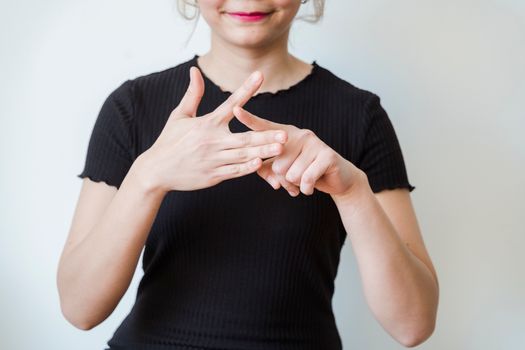
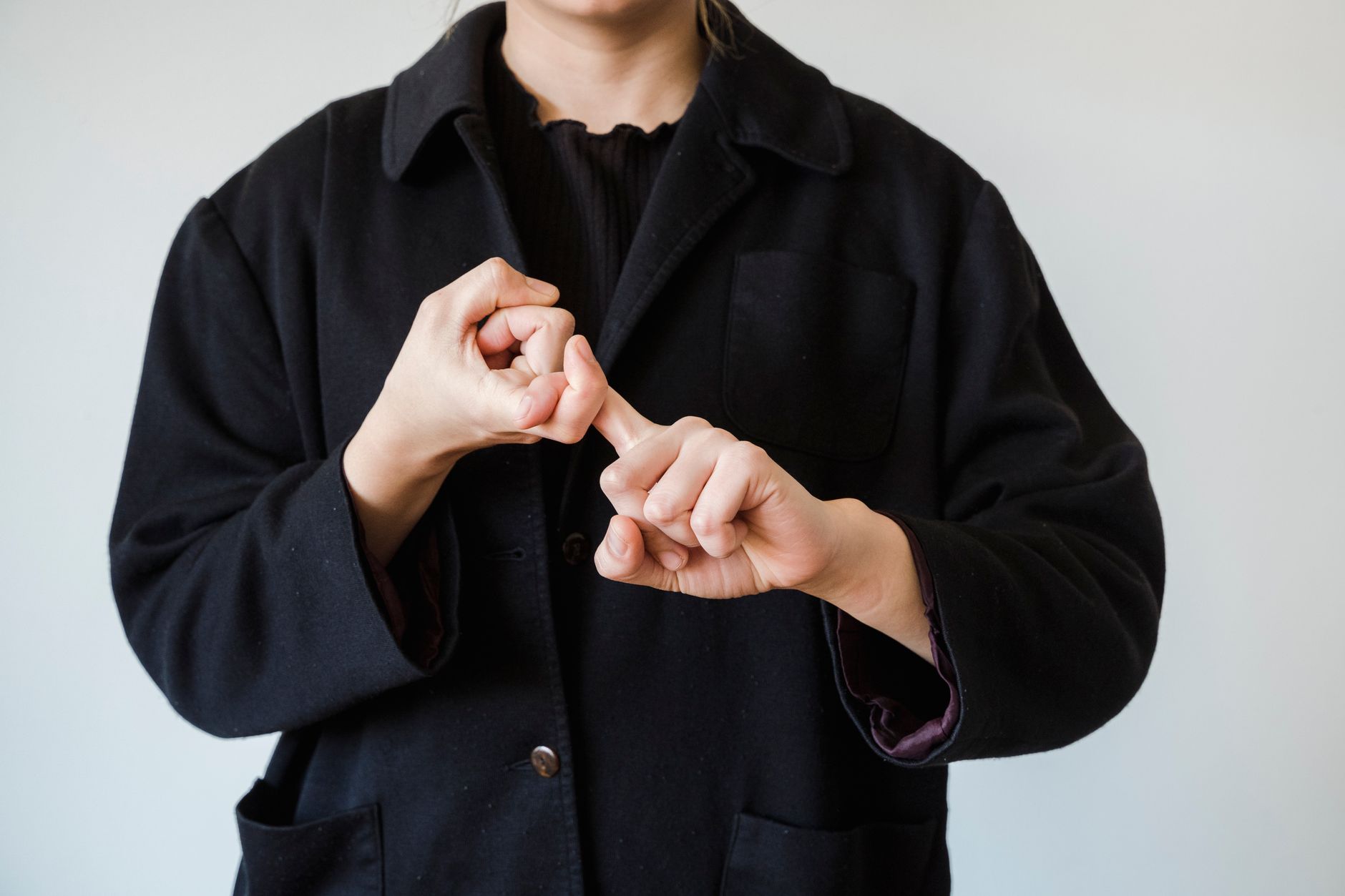
For decades, museum tours have been predominantly auditory experiences. While audio guides and spoken explanations have their place, they inherently exclude a significant portion of the population. Enter the sign language tour. These aren't simply interpreters standing beside a guide; they are often deaf guides or highly skilled interpreters who weave narratives using the rich, expressive palette of sign language. They bring the art to life, not just by describing it, but by embodying it. Imagine a guide signing the dramatic sweep of a Renaissance brushstroke, the fierce gaze of a Roman emperor, or the intricate details of an ancient artifact with the same passion you’d expect from any top-tier docent. This is about visual literacy meeting cultural immersion. It’s about making every visitor feel seen, heard, and deeply connected to the stories held within museum walls.
Unlocking the Louvre: Parisian Art Through Fluent Fingers
The Louvre. The very name conjures images of Mona Lisa's enigmatic smile and the majestic Winged Victory of Samothrace. But have you ever considered experiencing its treasures through the vibrant language of the hands? While the Louvre doesn't offer regular, scheduled sign language tours in the same way some other institutions do, private tours are increasingly available and highly recommended.
Pro-Tip:
Connect with specialized accessibility tour operators in Paris well in advance. They often partner with deaf guides or fluent ASL/LSF (Langue des Signes Française) interpreters who can curate a personalized journey through the museum's vast collections. Imagine discussing the subtle chiaroscuro of Caravaggio, the guide's hands mirroring the dramatic interplay of light and shadow, or the intricate drapery of Greek sculptures brought to life through fluid signs. This is an exclusive, deeply personal encounter with art.
The British Museum: London's Treasures, Visually Unveiled
London, with its progressive approach to accessibility, is a frontrunner in this movement. The British Museum, a treasure trove of global history, is increasingly offering opportunities for deaf visitors to engage deeply. While specific scheduled ASL tours might fluctuate, the museum has a strong commitment to providing resources.
Pro-Tip:
Check the British Museum's official accessibility page for the most up-to-date information on available tours and resources. They often have video tours in British Sign Language (BSL) available online, and it’s worth inquiring directly about private BSL-guided tours. Imagine tracing the hieroglyphs of an Egyptian sarcophagus, the guide's hands dancing across the air, revealing the stories of pharaohs and gods, or feeling the weight of history as they sign about the Rosetta Stone. The sheer volume of artifacts means a sign language tour allows for a focused, impactful exploration rather than a rushed overview.
The Met Museum: New York's Artistic Heartbeat in Sign
The Metropolitan Museum of Art, a titan of culture in New York City, is embracing the power of visual communication. While formal, scheduled sign language tours might not be a daily occurrence, the Met is actively working towards greater inclusivity.
Pro-Tip:
Look for specific events or "Deaf Day" programming which often includes ASL-interpreted tours. Alternatively, similar to the Louvre, booking a private ASL tour through a reputable accessibility provider in NYC is your best bet for a tailored experience. Picture yourself standing before Van Gogh's "Starry Night," the guide's hands swirling with the same kinetic energy as the paint, conveying the artist's emotional turmoil and celestial wonder. Or perhaps dissecting the intricate details of ancient armor, the guide signing the clang of battle and the stoic resolve of the warriors. This is about experiencing the visceral emotion behind the masterpieces.
The Rijksmuseum: Amsterdam's Dutch Masters, Interpreted
Amsterdam's magnificent Rijksmuseum, home to Rembrandt and Vermeer, is a beacon of accessible art experiences. They are known for their proactive approach and often have specific offerings for deaf and hard-of-hearing visitors.
Pro-Tip:
The Rijksmuseum frequently offers guided tours in both Dutch Sign Language (NGT) and sometimes international sign languages. Check their "Visit" or "Accessibility" sections online for current schedules. If you're a Dutch speaker or have a good grasp of NGT, this is your golden ticket. Imagine the rich textures of a Vermeer interior coming alive as the guide signs the play of light on a pearl earring, or the dramatic intensity of Rembrandt's "The Night Watch" conveyed through powerful, sweeping gestures. This is about feeling the soul of Dutch art.
Beyond the Big Names: Emerging Accessibility in Global Museums
The movement towards sign language tours is not confined to these iconic institutions. Across the globe, smaller museums and galleries are recognizing the immense value of inclusive programming. Cities like Berlin, Rome, and even further afield are seeing an increase in deaf-led tours and ASL-interpreted sessions.
Pro-Tip:
Always research individual museum websites and their accessibility statements. Don't hesitate to contact them directly to inquire about their current offerings or their willingness to arrange private sign language tours. The beauty of these emerging tours is often the intimate setting and the deep connection you can forge with the guide, who may be a curator or an art historian with a personal passion for sharing their knowledge visually.
Making Your Sign Language Museum Tour a Seamless Experience: Quick Facts & Insider Tips
| Feature | Estimated Cost ($) | Best Time to Visit | How to Get There | Pro-Tips for Sign Language Tours |
| :------------------ | :----------------- | :----------------- | :--------------------------------------------------------- | :------------------------------------------------------------------------------------------------------------------------------ |
| Louvre (Private) | $200 - $500+ | Weekday mornings | Metro: Palais Royal-Musée du Louvre | Book 3-6 months in advance. Specify preferred sign language (ASL, LSF). Confirm interpreter qualifications. |
| British Museum | Free (Entry), Tour Fees Vary | Weekday mornings/late afternoons | Tube: Tottenham Court Road, Holborn, Russell Square | Check website for BSL video tours. Inquire about private BSL tours. Consider visiting during specific accessibility events. |
| The Met (Private) | $250 - $600+ | Weekday mornings | Subway: 4, 5, 6 train to 86th Street | Book well in advance. Confirm interpreter's fluency and art history knowledge. Request a focus on specific collections. |
| Rijksmuseum | Entry Fee + Tour Fee | Weekday mornings | Tram: Rijksmuseum stop | Check their calendar for scheduled NGT/International Sign tours. Book tickets online. Arrive early to familiarize yourself. |
| General Museums | Varies | Off-peak hours | Varies by city | Contact museums directly. Look for deaf-led organizations in the city. Be flexible and open to unique experiences. |
Insider Language:
When booking, don't just ask for a "sign language tour." Specify the language you use (ASL, BSL, LSF, NGT, etc.). Also, inquire about the guide's background – are they a deaf curator, an art historian fluent in sign, or a professional interpreter? This can significantly enhance your experience.
The Sensory Symphony: More Than Just Seeing
A sign language tour transcends mere visual observation. It's a multi-sensory engagement. As I stood before a vibrant Impressionist canvas, the guide’s hands painted the dappled sunlight, the gentle breeze rustling through the leaves, the very feeling of a Parisian afternoon. The scent of aged paper and polished wood in the gallery seemed to deepen, amplified by the richness of the communication. It’s about connecting with the emotional resonance of the artwork. The artist's intent, the historical context, the cultural nuances – all are conveyed with a depth and immediacy that spoken word can sometimes struggle to match. You don't just learn about the art; you experience it.
Planning Your Accessible Art Pilgrimage: Final Thoughts
The world of museums is becoming a more inclusive, more visually vibrant place. Sign language tours are not just a trend; they are a fundamental shift towards equitable access to culture. Whether you're a seasoned traveler or planning your next adventure, prioritizing these experiences will undoubtedly enrich your journey.
My personal takeaway?
These tours are transformative. They open up worlds of understanding and connection that were previously inaccessible. They prove that art and history are for everyone, and that the most profound stories can be told in a language that speaks directly to the eyes and the soul. So, pack your curiosity, embrace the visual narrative, and prepare to be captivated.
---