The Hook: A Silent Symphony Unveiled
I stepped off the train in Florence, the Tuscan sun warming my face, and the air alive with the distant chime of church bells and the murmur of Italian chatter. But for me, the real magic wasn't in the cacophony; it was in the anticipation of a different kind of communication, a silent dialogue with masterpieces. I was here for a sign language tour of the Uffizi Gallery, a journey I'd heard whispers about, promising to unlock centuries of art through the beauty of American Sign Language (ASL). As I approached the grand entrance, the sheer scale of the building, the weight of history pressing in, felt both exhilarating and a little daunting. Would the art speak to me as powerfully as I hoped? I was about to find out.
Bridging Worlds: The Rise of Sign Language Museum Tours
For too long, the world of art and history has felt like a hushed secret, accessible only to those who could easily decipher spoken narratives. But the tide is turning, and recent data shows a significant surge in museums actively developing and offering sign language tours. This isn't just about ticking a box for accessibility; it's a genuine commitment to inclusivity, recognizing that cultural heritage belongs to everyone. These tours, often led by Deaf or fluent ASL interpreters, transform the museum experience from passive observation to active engagement. They’re not just translations; they are interpretations, imbued with the nuances and cultural context that only a native signer can truly convey.
Why Now? The Data Doesn't Lie
According to a recent report by the American Alliance of Museums, over 60% of surveyed institutions are actively seeking ways to improve accessibility for visitors with disabilities. Within this, the demand for ASL interpretation and sign language tours has seen a marked increase. This is driven by a growing Deaf community advocating for equal access and by museums recognizing the untapped potential of this vibrant audience. Furthermore, advancements in technology, like augmented reality and real-time captioning, are complementing these tours, creating a richer, multi-sensory experience.
Unlocking Masterpieces: A Deep Dive into Featured Museums
The world's leading museums are stepping up, offering dedicated sign language tours that go beyond basic descriptions. These aren't your standard audio guides; they are curated experiences designed to resonate deeply with Deaf and hard-of-hearing visitors.
The Louvre, Paris: A Parisian Pas de Deux in ASL
The Louvre, a titan of art and history, has been a pioneer in this space. While they don't always have a constant schedule of ASL tours, they often collaborate with Deaf associations and freelance interpreters to provide specialized tours upon request or during specific events.
- What to Expect: Imagine standing before the Mona Lisa, not just seeing her enigmatic smile, but having its subtle nuances explained through expressive ASL. These tours often focus on key masterpieces, delving into the historical context, the artist's intent, and the cultural significance, all conveyed with the fluidity and emotion of sign.
- Pro-Tip: For the best chance of securing an ASL tour, contact the Louvre's accessibility department at least 4-6 weeks in advance. Inquire about their "Visites en Langue des Signes" program.
The Metropolitan Museum of Art, New York: The Met's Silent Storytelling
The Met, a cornerstone of New York's cultural landscape, is dedicated to making its vast collections accessible. They offer regular ASL-interpreted tours, often on specific days of the week or month, catering to a consistent demand.
- What to Expect: These tours are meticulously planned, often focusing on specific wings or exhibitions. You might find yourself exploring ancient Egyptian artifacts, with the history and symbolism brought to life through vivid signs, or tracing the evolution of European painting with an interpreter who can capture the drama and emotion of each brushstroke.
- Insider Language: The interpreters at The Met are not just translators; they are storytellers. They use "visual vernacular" to their fullest, making the art leap off the walls.
- Pro-Tip: Check The Met’s "Accessibility" page on their website for the most up-to-date schedule of ASL-interpreted tours. Booking in advance is highly recommended.
The British Museum, London: A World of Wonders, Sign by Sign
The British Museum, a treasure trove of global history, offers a growing number of accessibility initiatives, including ASL-interpreted tours. These are often scheduled in conjunction with special exhibitions or on specific dates.
- What to Expect: Journey through the Rosetta Stone, the Elgin Marbles, and countless other artifacts, with an ASL interpreter providing context and narrative. The focus is often on the human stories behind the objects, connecting visitors to the past in a deeply personal way.
- Authenticity: You'll hear descriptions of the patina on ancient bronzes, the intricate weaving patterns of Egyptian linen, and the symbolic motifs in Mesopotamian cylinder seals, all rendered with the precision and expressiveness of ASL.
- Pro-Tip: For the most accurate information, email the British Museum's Visitor Services team with your specific inquiry about ASL tours. They are usually very responsive.
The Rijksmuseum, Amsterdam: Dutch Masters, Signed and Seen
The Rijksmuseum, home to Rembrandt and Vermeer, has embraced inclusivity with open arms. They offer ASL-interpreted tours, often focusing on their renowned Dutch Masters collection.
- What to Expect: Imagine standing before Rembrandt's "The Night Watch," not just seeing the chiaroscuro, but having its dramatic lighting and the individual stories of the figures within the painting vividly signed to you. These tours are designed to be immersive and engaging.
- Pro-Tip: Check the Rijksmuseum's "Plan Your Visit" section for their accessibility calendar. Many tours require advance booking due to limited interpreter availability.
Beyond the Tour: Enhancing Accessibility
It’s not just about the guided tours. Many museums are implementing broader accessibility measures that complement sign language tours and benefit all visitors.
Technological Innovations
- Augmented Reality (AR) Apps: Some museums are developing AR apps that can overlay information, translations, or even sign language interpretations onto exhibits when viewed through a smartphone or tablet.
- Real-Time Captioning: For any spoken presentations or videos within the museum, real-time captioning is becoming standard, ensuring that information is accessible to Deaf and hard-of-hearing individuals.
- Assistive Listening Devices: While not directly for ASL users, these devices are crucial for those with some residual hearing, and their availability signals a museum's commitment to diverse needs.
Visual Aids and Tactile Experiences
- Large-Print Guides: Many museums offer large-print versions of their exhibition guides, which can be helpful for supplementing ASL tours with written information.
- Tactile Models: For certain exhibits, particularly those involving sculpture or architecture, tactile models can provide a physical understanding of the artwork, complementing the visual information conveyed through sign language.
Planning Your Accessible Museum Adventure: Quick Facts
| Feature | Estimated Cost ($) | Best Time to Visit | How to Get There |
| :------------------ | :----------------- | :----------------- | :--------------------------------------------------------------------------------------------------------------------------------------------- |
| Louvre Museum | €17 (entry) + tour fee (variable) | Weekdays, early morning (9 AM) or late afternoon (after 3 PM) | Metro: Palais Royal – Musée du Louvre (Lines 1 & 7). Bus: Numerous lines stop nearby. |
| Metropolitan Museum of Art | $25 (suggested admission) + free ASL tours | Weekdays, avoid weekends and holidays. | Subway: 4, 5, 6 trains to 86th Street. Bus: M1, M2, M3, M4, M5, M7, M10, M11, M13, M15, M16, M18, M19, M20, M21, M23, M24, M30, M31, M34, M36, M42, M50, M55, M66, M72, M79, M81, M82, M83, M84, M85, M86, M90, M96, M98, M101, M102, M103, M104, M106, M107, M116. |
| British Museum | Free entry (special exhibitions may have fees) | Weekdays, early morning or late afternoon. | Tube: Tottenham Court Road (Central, Northern, Elizabeth lines), Holborn (Central, Piccadilly lines), Russell Square (Piccadilly line), Goodge Street (Northern line). |
| Rijksmuseum | €20-€25 (entry) + tour fee (variable) | Weekdays, early morning (9 AM) or late afternoon (after 3 PM). | Tram: Lines 2 and 12 stop at Rijksmuseum. Bus: Lines 145, 170, 172, 174, 176, 197 stop at Rijksmuseum. |
Note: Costs are approximate and subject to change. Always check official museum websites for the most current pricing and tour schedules.
The Emotional Resonance: More Than Just Sight
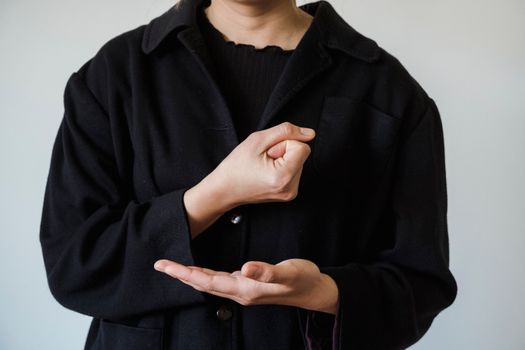
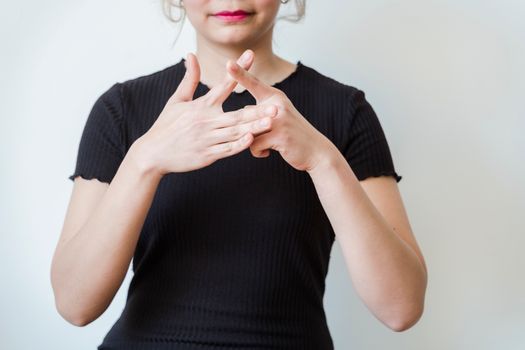
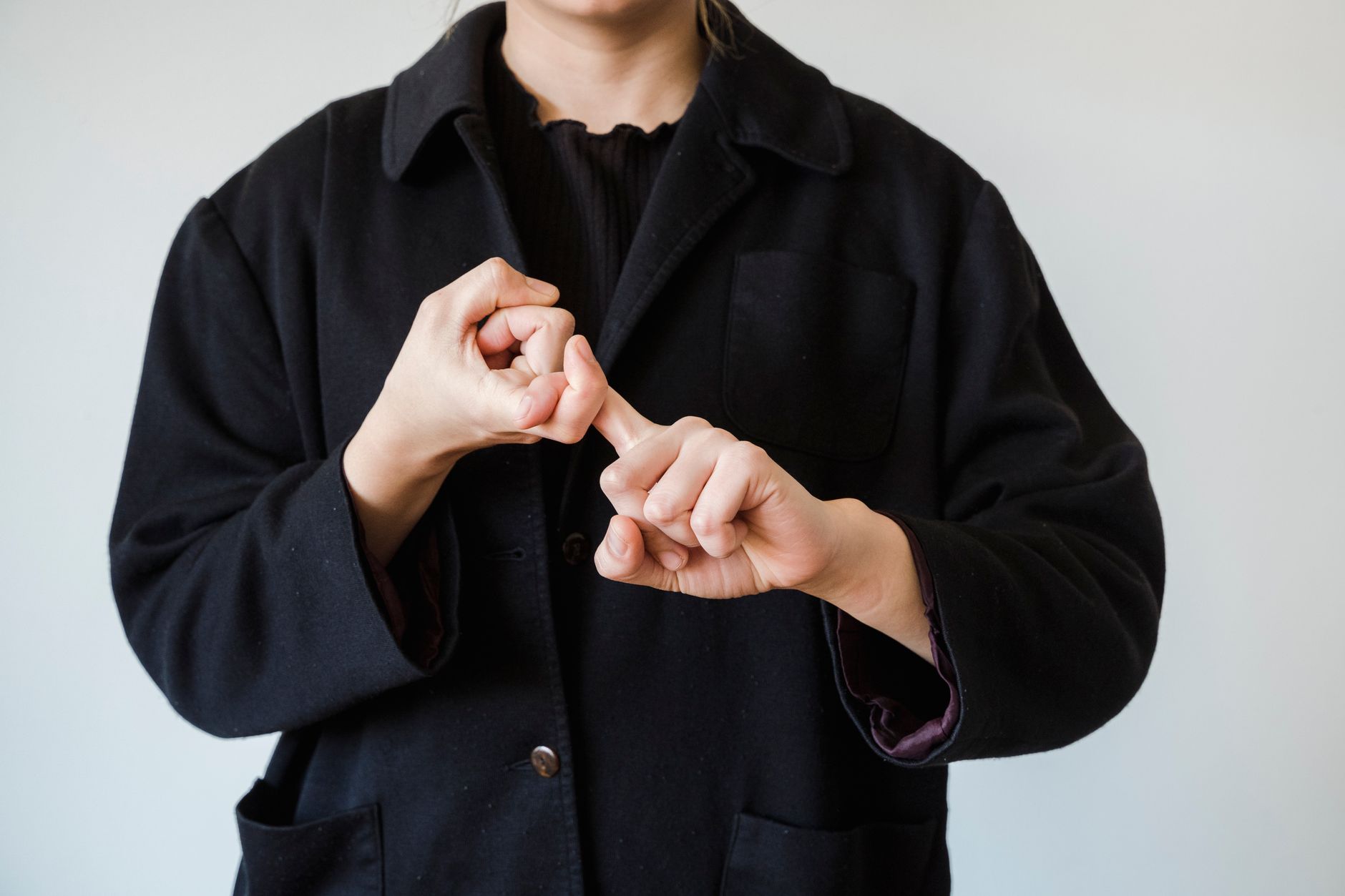
As I stood in the Uffizi, the ASL interpreter’s hands danced, painting vivid pictures of Botticelli’s "Primavera." I saw the gentle sway of the Graces, felt the whisper of Zephyr's breath, and understood the symbolism of each blooming flower, not just as an observer, but as a participant. The interpreter’s facial expressions, the subtle tilt of their head, the way their body conveyed the weight and lightness of the figures – it was a performance as captivating as the art itself. This wasn't just about understanding the factual details; it was about experiencing the essence of the art. The smell of old wood and polished marble, the hushed reverence of the space, and the powerful visual language of ASL converged to create an unforgettable sensory tapestry.
The Future is Accessible: A Call to Action
The growth of sign language tours in major museums is a beacon of hope for a more inclusive future. It demonstrates a commitment to breaking down barriers and ensuring that art, history, and culture are accessible to all.
- For Travelers: If you are Deaf or hard of hearing, do your research! Many museums offer these tours, and the experience is profoundly enriching. Don't hesitate to reach out to accessibility departments.
- For Museums: Continue to invest in and expand your sign language programming. Collaborate with Deaf communities and interpreters to ensure authenticity and impact.
- For Everyone: Advocate for accessibility in all cultural institutions. The more we demand inclusivity, the more it becomes the norm.
My journey through the Uffizi, guided by the eloquent language of my hands, was a revelation. It proved that art speaks a universal language, and with a little intentionality and innovation, that language can be made accessible to every curious mind and heart.