The Tide is Turning: My First Taste of a Seaweed Revolution
I stepped off the train, the salty tang of the North Atlantic hitting me with the force of a friendly slap. It wasn't just the crisp air; there was a faint, earthy aroma, a whisper of the sea's hidden larder. This was Port Blossom, a small fishing village I’d only ever seen on faded postcards, now buzzing with an energy I hadn't anticipated. The usual scent of diesel and drying nets was there, yes, but it was overlaid with something new – a subtle, briny sweetness. This, I was told, was the perfume of the future: seaweed. And I was here to witness its quiet revolution firsthand, embarking on one of the very first seaweed farming tours in coastal communities emerging this year.
For years, I’ve chased the sunrise over ancient ruins and navigated bustling souks, but this felt different. This was about connecting with the earth (or rather, the ocean) in a way that felt profoundly ancient yet undeniably modern. It was about discovering the unsung hero of the sea, a resource long overlooked, now poised to transform coastal economies and our plates.
The Rise of the Ocean Farmers: Why Seaweed is the Next Big Thing
For too long, seaweed has been relegated to the background – a slippery nuisance on the beach, a bizarre ingredient in sushi. But the world is waking up. This incredible marine algae is a nutritional powerhouse, a potent carbon sink, and a sustainable agricultural marvel. As climate change pressures traditional industries, coastal communities are looking to the ocean for a new livelihood, and seaweed farming is proving to be their golden ticket.
These emerging tours aren't just about seeing a farm; they're about immersing yourself in a community that's actively shaping its future. You're not a passive observer; you're a participant in a vital ecosystem, learning from generations of seafaring knowledge now being applied to a new, exciting frontier.
Port Blossom's Promise: A Glimpse into the Future of Sustainable Seafood
My guide, a weathered fisherman named Finn with eyes the colour of a stormy sea, met me at the small, weathered jetty. "Welcome to Port Blossom," he grinned, his voice a low rumble. "Ready to get your hands a little... green?"
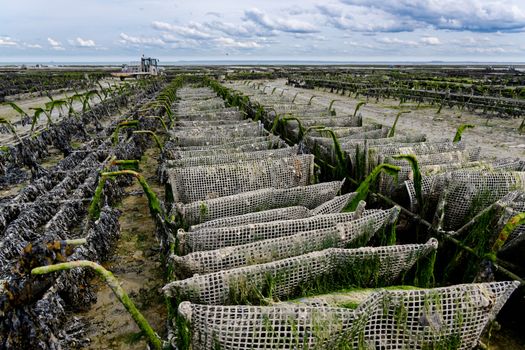
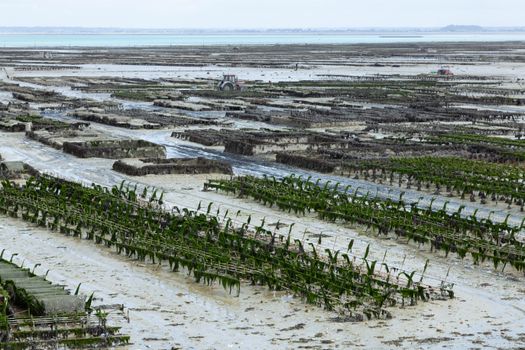
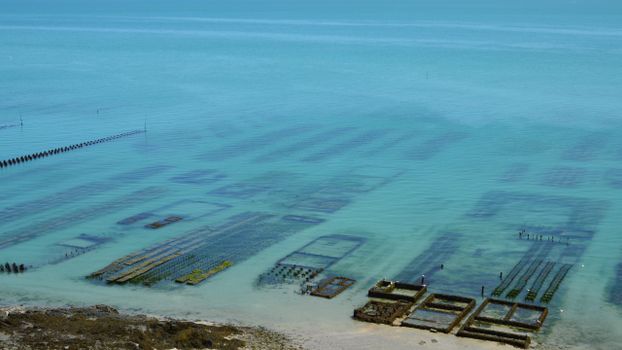
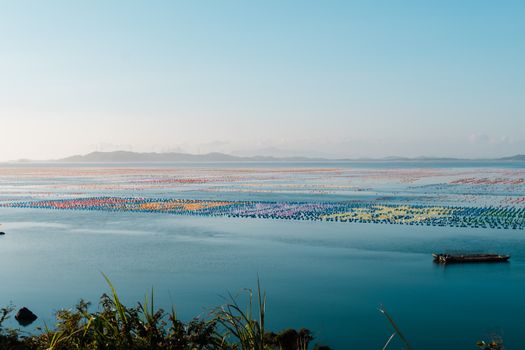
We clambered into his sturdy, blue-hulled boat, the engine sputtering to life. The morning mist still clung to the water, creating an ethereal glow. As we chugged out into the bay, the first rows of what looked like underwater gardens began to materialize. Dark, flowing ribbons of kelp, suspended from buoys, swayed gently in the swell. It was a mesmerizing sight – a stark contrast to the concrete jungles I'd left behind.
"This isn't just fishing," Finn explained, gesturing towards the vast expanse of cultivated seaweed. "This is farming. We're nurturing the ocean, not just taking from it." He spoke of the incredible growth rates of kelp, its ability to absorb excess carbon dioxide, and its potential to revitalize marine ecosystems. He even shared a local anecdote about how his grandmother used to dry seaweed for winter stews, a forgotten practice now being revived with scientific precision.
Pro-Tip:
Visit Port Blossom between April and September for the most vibrant kelp growth and calmest seas. The early morning light (around 7 AM) offers stunning photographic opportunities and a chance to see the farmers at their most active.
Beyond the Harvest: Immersive Experiences and Authentic Flavors
The real magic of these tours lies in their authenticity. You’re not just looking at seaweed; you're learning to harvest it. I was handed a pair of sturdy gloves and a specially designed knife. Under Finn’s patient instruction, I plunged my arm into the surprisingly cool water, feeling the slick, leathery fronds of sugar kelp between my fingers. It was a tactile, grounding experience. The sound of the waves, the feel of the kelp, the briny spray on my face – it was a full sensory immersion.
Back on shore, the experience continued. We visited a small processing shed, where the harvested seaweed was being meticulously cleaned and dried. The air was thick with a different kind of aroma now – richer, more complex, almost nutty. I learned about the different varieties: dulse with its smoky, bacon-like flavour, nori (the familiar sushi wrapper, but so much more), and sea lettuce, which tasted surprisingly fresh and vibrant.
The highlight? A communal lunch prepared by the local women's cooperative. We feasted on seaweed-infused bread, dulse fritters that were crispy on the outside and tender within, and a surprisingly delicate kelp noodle salad with a citrusy vinaigrette. This wasn't just food; it was a story on a plate, a testament to the ingenuity and resourcefulness of these coastal communities. The local spice blend, a secret passed down through generations, featured dried sea herbs and a hint of smoked paprika, giving everything an extra layer of depth.
Pro-Tip:
Don't miss the "Seaweed Smoothies" at the local cafe – a surprisingly delicious blend of fruit and fresh sea greens that will leave you feeling energized. The hidden entrance to the cafe is behind the blue door with the anchor symbol.
The Economic Ripple Effect: Empowering Coastal Communities
What struck me most profoundly was the palpable sense of pride and hope these seaweed farms have instilled in Port Blossom. This isn't just about a new crop; it's about economic diversification, job creation, and a renewed connection to the sea. Younger generations, who might have been tempted to leave for urban opportunities, are now finding fulfilling work right here, utilizing their local knowledge and embracing sustainable practices.
These tours are a vital part of this economic ecosystem. By choosing to visit, you're directly contributing to the livelihoods of these farmers and the sustainability of their communities. You're investing in a future where coastal towns can thrive in harmony with the ocean. It’s a powerful reminder that responsible tourism can be a force for good, creating tangible benefits for the places we visit.
Spotlight on Innovation: Other Emerging Seaweed Hubs
While Port Blossom is a shining example, the movement is spreading. Keep an eye on:
- The Emerald Isles (Ireland): Known for its rugged coastlines and deep traditions, Irish coastal communities are exploring seaweed cultivation for its health benefits and culinary potential. Expect tours focusing on dulse and carageenan-rich seaweeds.
- The Fjords of Norway: Leveraging their pristine waters, Norwegian farmers are cultivating kelp for both food and bioproducts. Tours here often include stunning fjord scenery and insights into advanced marine farming techniques.
- The Pacific Northwest (USA/Canada): Indigenous communities are leading the charge in reviving traditional seaweed harvesting practices and integrating them with modern aquaculture. Look for tours that emphasize cultural heritage and regenerative ocean farming.
Pro-Tip:
Many of these tours are run by small, community-led organizations. Booking directly through their websites often offers the most authentic experience and ensures your money goes directly to the local economy.
Quick Facts: Planning Your Seaweed Adventure
| Aspect | Estimated Cost ($) | Best Time to Visit | How to Get There |
| :----------------- | :----------------- | :----------------------------- | :------------------------------------------------------------------------------------------------------------------------------------------------------------------------------------------------------------------------------------------------------------------------------------------------------------------------------------ |
| Tour Duration | $50 - $150 (half-day) | April - September (Northern Hemisphere) | By Air: Fly into the nearest regional airport, then take a local bus or rent a car. <br> By Train: Many coastal towns are accessible by scenic train routes. <br> By Car: Ideal for exploring multiple communities, but be prepared for narrow coastal roads. |
| Accommodation | $70 - $200/night | Varies by region | Look for charming guesthouses, boutique inns, or eco-lodges run by locals. Camping is also an option in some areas. |
| Food | $40 - $80/day | Varies by season | Embrace the local cuisine! Expect fresh seafood, seaweed-based dishes, and locally sourced produce. Many tours include meals. |
| Best For | Eco-conscious travelers, foodies, cultural explorers, anyone seeking unique experiences. | Spring/Summer: Ideal for harvesting and pleasant weather. <br> Autumn: Offers beautiful foliage and a more serene experience. |
Packing for Your Ocean Harvest: What to Bring
- Waterproof Jacket & Trousers: Essential for boat trips and potential sea spray.
- Non-Slip Shoes: For walking on wet decks and potentially slippery surfaces.
- Sunscreen & Hat: The sun reflects off the water, so protection is key.
- Reusable Water Bottle: Stay hydrated and reduce waste.
- Camera: You’ll want to capture the stunning scenery and unique experiences.
- An Open Mind & Appetite: Be ready to learn, taste, and be amazed!
The Future is Green (and Salty!)
As I watched the sun dip below the horizon, painting the sky in hues of orange and purple, I felt a profound sense of optimism. These seaweed farming tours in coastal communities emerging this year are more than just a trend; they are a glimpse into a more sustainable, connected future. They offer a chance to engage with the ocean in a meaningful way, to support vibrant communities, and to taste the incredible bounty it provides.
This isn't just about a vacation; it's about investing in a better way to travel, a way that nourishes both the traveler and the destination. So, if you're looking for an adventure that's off the beaten path, that’s good for the planet, and that will leave you with unforgettable memories (and maybe a new appreciation for nori), then it’s time to set sail for the rising tide of seaweed tourism.
---