The Hook: A Briny Whisper and the Promise of the Tide
I stepped off the rickety, salt-kissed ferry, and the air hit me. Not just any air, but a symphony of the ocean – the sharp, invigorating tang of brine, the subtle, earthy undertones of drying kelp, and a whisper of woodsmoke from a distant cottage. It was late afternoon in December 2025, and the sky was a bruised purple, bleeding into streaks of fiery orange. The gentle lapping of waves against weathered wooden piers was the only soundtrack, punctuated by the distant cry of gulls. I’d heard rumors of these hidden pockets of coastal life, places where the rhythm of the tides dictated daily existence, and where a burgeoning industry was quietly changing fortunes: seaweed farming. This wasn't just about a scenic view; it was about stepping into a living, breathing ecosystem, a chance to connect with the sea in a way I’d never imagined.
Unearthing the Ocean's Bounty: Why Seaweed Farming Tours?
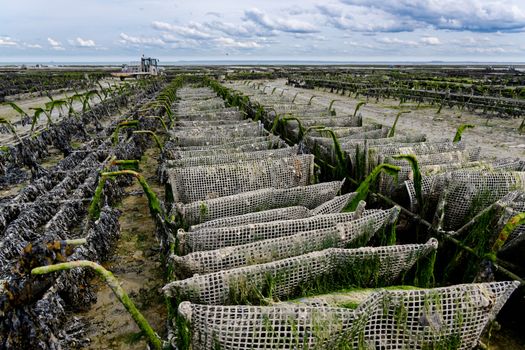
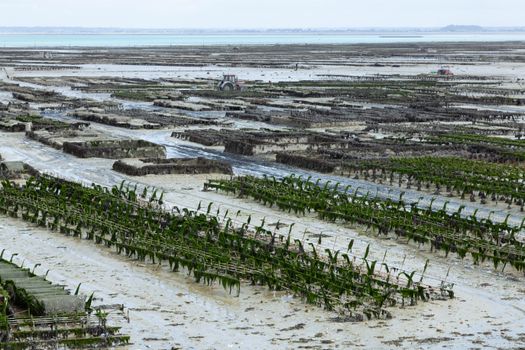
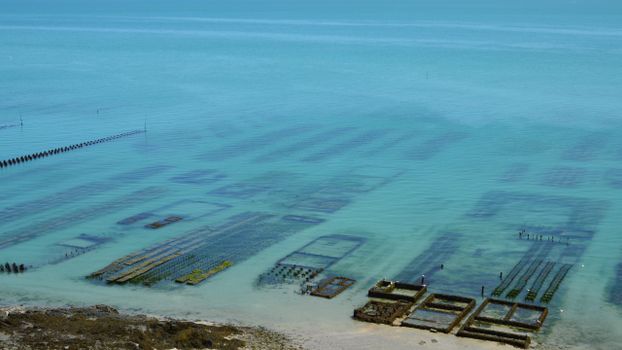
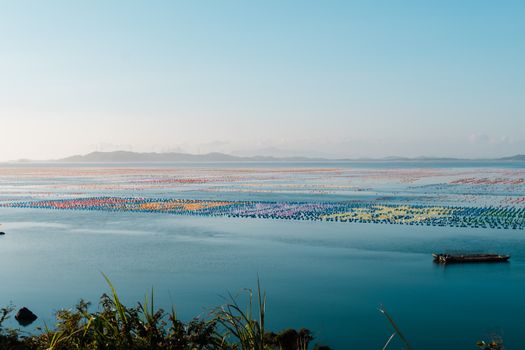
For too long, the ocean’s bounty has been taken without thought. But a new wave of consciousness is sweeping across coastal communities, and seaweed farming is at its forefront. These aren't your typical tourist traps; they are immersive experiences that connect you directly with the source of incredible, sustainable food and vital marine resources. Imagine walking along a coastline where neat rows of kelp sway gently beneath the surface, tended by hands that have known the sea for generations. These tours offer a rare glimpse into this fascinating marine agriculture, revealing its ecological benefits, culinary potential, and economic impact. It’s a chance to be more than just a spectator; it’s an invitation to participate.
The Rise of Marine Agriculture: A Sustainable Future
Seaweed isn't just a decorative addition to sushi anymore. It's a superfood, a potent carbon sink, and a crucial component of a healthy marine environment. As climate change intensifies, the importance of sustainable aquaculture, particularly seaweed farming, is becoming undeniable. These tours highlight how communities are harnessing this natural resource responsibly, creating new economic opportunities while simultaneously helping to restore ocean health. You’ll learn about the incredible growth rates of kelp, its ability to absorb carbon dioxide, and its potential to create biofuels and bioplastics. It’s a lesson in resilience, innovation, and the profound interconnectedness of our planet.
Coastal Havens: Where to Experience Seaweed Farming in December 2025
December 2025 presents a unique window for these experiences. While many coastal areas might be winding down for winter, seaweed farms are often in their prime harvesting or cultivation phases. The cooler air offers a refreshing backdrop for exploring the coastline, and the fewer crowds mean a more intimate and authentic encounter.
Ireland's Wild Atlantic Way: Emerald Kelp and Ancient Shores
The rugged coast of Ireland, particularly along the Wild Atlantic Way, is a hotspot for artisanal seaweed farming. Picture dramatic cliffs meeting the churning Atlantic, dotted with small villages where traditions run deep. Here, you can join local families who have been harvesting seaweed for generations, now transitioning to more structured farming.
- Pro-Tip: Look for tours in counties like Donegal or Kerry. Many offer hands-on harvesting experiences, followed by cooking demonstrations using freshly gathered seaweed. The air here smells of peat smoke and the sea – a truly evocative blend.
- Insider Lingo: You might hear locals refer to different types of seaweed by their Irish names, like "Duileasc" (Dulse) or "Slake" (Pepper Dulse). Don't be shy to ask what they mean!
Scotland's Isles: Hebridean Harvests and Salty Tales
The remote beauty of the Scottish Isles, especially the Outer Hebrides, offers a more dramatic and windswept setting for seaweed farming. Think vast, open skies, turquoise waters (yes, even in December!), and a palpable sense of history.
- Pro-Tip: Tours often depart from small harbors like those on Lewis and Harris or Skye. You might witness the meticulous process of cultivating kelp on longlines. The locals' accents are thick and musical, and their stories of the sea are captivating.
- Authentic Flavor: Many tours culminate in a tasting session featuring seaweed-infused products – think smoked seaweed crisps, potent seaweed butter, or even a bracing shot of seaweed schnapps.
Portugal's Silver Coast: Atlantic Greens and Mediterranean Influences
While Portugal might evoke images of sun-drenched beaches, its northern coast offers a different, yet equally compelling, experience. The Silver Coast, with its cooler Atlantic waters, is emerging as a hub for innovative seaweed aquaculture.
- Pro-Tip: Explore communities near Nazaré or Peniche. Here, you'll find a blend of traditional fishing practices and cutting-edge marine farming. The coastal air carries the scent of grilled sardines and the ever-present brine.
- Culinary Delights: Portuguese seaweed dishes often incorporate garlic, olive oil, and a hint of chili, creating a unique flavor profile that's both familiar and exotic.
The Seaweed Farming Experience: Beyond the Harvest
A seaweed farming tour is far more than just a day out on the water. It's a holistic immersion into a sustainable lifestyle and a vital ecosystem.
Hands-On Harvesting: Feeling the Ocean's Pulse
Many tours offer the chance to get your hands dirty – or rather, wet! You’ll learn the techniques for carefully harvesting different types of seaweed, understanding the best practices to ensure the health of the marine environment and the continued growth of the crop. This might involve wading into shallow waters, using specialized tools, or even taking a small boat out to the farm. The feel of the slippery kelp, the cool water on your skin, and the sheer effort involved give you a profound appreciation for the labor behind this sustainable food source.
Culinary Discoveries: From Farm to Fork
One of the most rewarding aspects of these tours is the culinary exploration. You’ll discover that seaweed is incredibly versatile, far beyond its role as a sushi wrap.
- Pro-Tip: Many guides will offer cooking demonstrations on-site, using the very seaweed you might have helped harvest. Learn to make simple, yet delicious, seaweed salads, crispy seaweed snacks, or even incorporate it into hearty stews.
- Taste Sensations: Expect a range of flavors – from the umami-rich depth of kombu to the slightly sweet, almost smoky notes of dulse. You’ll learn how different seaweeds have distinct textures and tastes, opening up a new world of culinary possibilities.
Conservation and Community: Supporting a Greener Future
These tours are intrinsically linked to conservation efforts and community empowerment. By participating, you are directly contributing to the economic viability of these coastal communities and supporting their commitment to sustainable practices. You’ll learn about the ecological benefits of seaweed farming, such as its role in absorbing excess nutrients, providing habitat for marine life, and mitigating ocean acidification. It’s a chance to see firsthand how responsible tourism can foster positive change.
Quick Facts: Your December 2025 Seaweed Farming Adventure
| Feature | Details |
| :------------------- | :----------------------------------------------------------------------------------------------------- |
| Estimated Cost ($) | $75 - $250 per person (depending on duration, inclusions, and location) |
| Best Time to Visit | December 2025 (Harvesting/cultivation seasons vary by region, but December offers cooler weather and fewer crowds) |
| How to Get There | Fly into nearest major international airport, then take local transport (train, bus, or ferry) to coastal town. Car rental is often recommended for flexibility. |
| What to Pack | Waterproof jacket, sturdy waterproof boots, warm layers, hat, gloves, sunscreen (even in winter!), camera. |
| Typical Duration | 3-6 hours for a day tour; multi-day packages available. |
Insider Tips for an Unforgettable Experience
- Book in Advance: December is a popular travel month, and these niche tours can fill up quickly. Secure your spot well in advance.
- Embrace the Weather: Coastal weather in December can be unpredictable. Pack accordingly and view any challenging weather as part of the authentic experience!
- Engage with Locals: The most valuable insights come from the people who live and work there. Ask questions, listen to their stories, and be respectful of their culture and environment.
- Consider a Multi-Day Stay: Don't just do a day trip. Staying a few nights in a coastal village allows you to truly soak in the atmosphere, explore local pubs, and perhaps even witness different aspects of the seaweed farming cycle.
- Learn a Few Local Phrases: A simple "hello" or "thank you" in the local language can go a long way in building rapport.
Beyond the Seaweed: Exploring Coastal Charm
While seaweed farming is the star, don't forget to explore the charming coastal communities themselves. Wander through narrow, winding streets lined with colorful cottages, visit local artisan shops, and savor the fresh, local seafood. The pace of life is slower here, inviting you to relax and reconnect.
- Pro-Tip: Look for local craftspeople selling goods made from natural materials, perhaps even incorporating dried seaweed into their designs.
- Local Delicacy: Beyond seaweed, seek out the freshest catch of the day. You'll often find simple, unpretentious eateries serving fish so fresh it practically leaps off the plate.
Your December 2025 Adventure Awaits!
This December 2025, step away from the ordinary and embark on a journey that nourishes both your soul and the planet. Seaweed farming tours in coastal communities offer an unparalleled opportunity to connect with nature, learn about sustainable practices, and discover the incredible bounty of the ocean. It’s an adventure that’s both educational and exhilarating, leaving you with memories as rich and vibrant as the sea itself. Don't just travel – immerse yourself. Book your seaweed farming tour today!
---