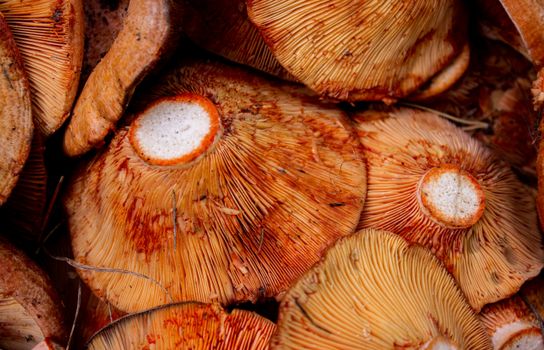
The Wild Larder: Foraging Experiences With Local Experts That Are Trending This Summer
I stepped off the rickety wooden pier at Union Hall in West Cork, and the immediate scent of brine, crushed dulse, and damp peat hit me like a physical wave. The Atlantic breeze was crisp, carrying the sharp, ozonic tang of low tide. Kneeling on a slick, emerald-carpeted rock, my fingers brushed against a patch of pepper dulse—often called the "truffle of the sea."
Beside me, Colin, a third-generation coastal forager with hands like weathered oak and eyes that could spot a periwinkle from fifty paces, gave a slow nod. "Chew it slowly," he murmured. I did. It was an explosion of deep ocean umami, followed by a surprising, fiery kick of white pepper. In that single bite, the entire landscape made sense.
This summer, travelers are turning away from passive sightseeing. We want to touch, smell, and taste the earth in its rawest form. Guided wild food foraging tours have transitioned from niche survivalist outings to high-end culinary adventures. Here is your definitive guide to the absolute best summer foraging experiences trending across the globe right now.
---
1. The Emerald Tide: Coastal Seaweed Foraging in West Cork, Ireland
```
Location: West Cork, Ireland
Expert Guide: Colin O'Shea (Coastal Marine Biologist & Forager)
Primary Target: Pepper Dulse, Sea Spaghetti, Kelp
```
The rugged coastline of Southwest Ireland is home to some of the most nutrient-rich waters in Europe. Thanks to the warming currents of the Gulf Stream, the intertidal zones here are teeming with edible sea vegetables that have been harvested since the time of the monks.
The Experience
Walking the shoreline with Colin isn't just a stroll; it’s a masterclass in marine ecology. You will navigate slippery shale reefs during the spring low tide, learning to identify the differences between bladderwrack (best used for soothing baths) and delicious culinary seaweeds like Palmaria palmata (dulse). Colin explains the delicate balance of the coastal ecosystem, showing you how to harvest sustainably by cutting only the top third of the plants to allow rapid regeneration.
The journey ends on the beach, where Colin sets up a portable gas burner. Within minutes, you are sipping a steaming broth of freshly harvested sea spaghetti, wild garlic bulbs gathered from the cliffside, and local butter. It is simple, primal, and incredibly satisfying.
- Pro-Tip: Wear sturdy, non-slip neoprene boots. The wet slate of the Irish coast is notoriously slick, and regular hiking boots will get ruined by the salt water.
- The Hidden Spot: The best specimens of pepper dulse hide on the undersides of overhanging rocks near the low-tide mark. Look for small, purple-brown tufts that look like miniature ferns.
---
2. Underground Alchemy: Summer Black Truffles in Istria, Croatia
```
Location: Motovun Forest, Istria, Croatia
Expert Guide: The Karlić Family & their Lagotto Romagnolo dogs
Primary Target: Tuber aestivum (Summer Black Truffle)
```
While Italy and France dominate the winter truffle conversation, the dense oak forests of Istria, Croatia, are the undisputed capital of the summer foraging experiences trend. The damp, clay-rich soil around the medieval hilltop town of Motovun provides the perfect microclimate for Tuber aestivum, the highly prized summer black truffle.
The Experience
You don't find truffles on your own; you follow the noses of highly trained canine experts. I joined the Karlić family and their pack of enthusiastic Lagotto Romagnolos—Bella and Bruno—under the canopy of ancient oak trees. The air was thick with the scent of damp earth and rotting wood.
Suddenly, Bella began digging furiously at the base of a hazelnut tree. Nikola, our guide, rushed forward with a small, flat-bladed spade (otka) to take over, gently prying a dusty, knobby black lump from the earth. The aroma was instant: chocolate, garlic, and damp forest floor.
After the hunt, you are escorted to the family’s terrace overlooking the rolling hills of Istria. Here, you will indulge in a feast of scrambled eggs (fritaja) heavily laden with mounds of freshly shaved black truffles, paired with a glass of crisp, local Malvazija wine.
- Pro-Tip: Book the sunrise hunt. Not only is the temperature cooler for walking, but the morning dew helps the dogs catch the scent of the truffles much more easily.
- The Hidden Spot: Avoid the massive commercial tours operating out of the main towns. The best, most authentic hunts are run by multi-generational families in the tiny hamlet of Paladini.
---
3. The Golden Hunt: Summer Chanterelles in the Pacific Northwest, USA
```
Location: Mt. Hood National Forest, Oregon, USA
Expert Guide: Sarah Johnston (Mycologist & Author)
Primary Target: Cantharellus formosus (Pacific Golden Chanterelle)
```
The Pacific Northwest is a temple for mushroom lovers. As summer warmth dries out the coastal rain forests, the focus shifts to the higher elevations of the Cascade Mountains, where the snowmelt coaxes spectacular flushes of golden chanterelles out of the moss.
The Experience
Sarah Johnston leads small groups into the towering old-growth forests of Douglas fir and Western hemlock. The forest floor here is a spongy carpet of moss and decaying wood, dampening all sound and creating a deeply meditative atmosphere. This is forest bathing and foraging at its absolute finest.
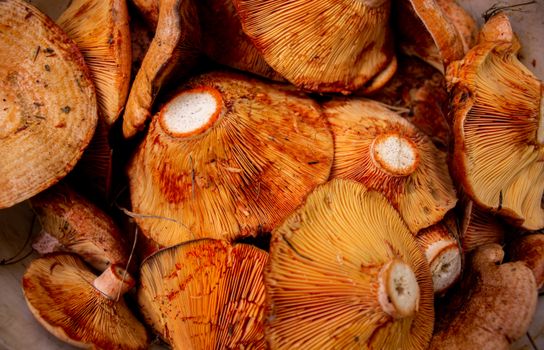
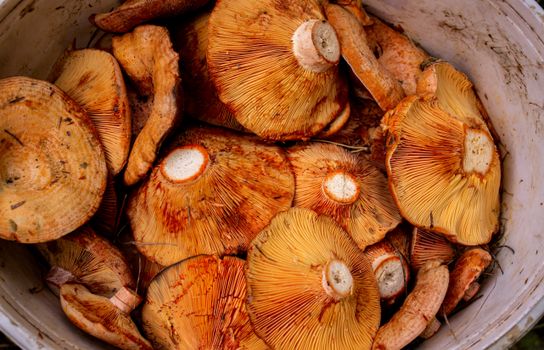
Sarah teaches the art of "mushroom vision"—training your eyes to look for the subtle "mush-rumps," the small mounds of moss and pine needles pushed up by emerging chanterelles. Once you spot one of these vibrant, apricot-scented orange caps, your eyes adjust, and suddenly you see them everywhere.
- Pro-Tip: Chanterelles have a toxic look-alike called the Jack-o'-Lantern mushroom. Sarah's golden rule: "True chanterelles have false gills that look like melted ridges running down the stem, and the flesh inside tears like string cheese and smells of fresh apricots."
- The Hidden Spot: Search the northern slopes near natural water drainages at elevations between 1,500 and 2,500 feet. The damp soil there keeps the mushrooms hydrated even during dry summer weeks.
---
4. Alpine Gastronomy: Wild Herbs and Flowers in the Swiss Alps
```
Location: Verbier, Valais, Switzerland
Expert Guide: Chantal Torche (Alpine Botanist)
Primary Target: Wild Thyme, Yellow Gentian, Alpine Yarrow
```
When the winter snows melt from the Swiss Alps, they reveal lush, emerald meadows bursting with botanical treasures. For centuries, mountain communities relied on these wild herbs for medicine, tea, and flavorings. Today, they form the backbone of modern Alpine cuisine.
The Experience
Chantal Torche, a local mountain guide with an encyclopedic knowledge of Alpine flora, leads hikes through the high-altitude pastures of the Valais region. The air here is impossibly clean, smelling of sweet grass and wild flowers.
As you climb, Chantal points out wild thyme (Thymus serpyllum) growing in tight, purple cushions on the slate rocks, and the bitter yellow gentian, whose roots are harvested to make traditional digestifs. You will gather wild herbs to create your own custom tea blends and herbal salts.
The hike culminates at a rustic, high-altitude shepherd’s hut, where you will whip up a wild herb pesto using mortar and pestle, served alongside local mountain cheeses and freshly baked rye bread.
- Pro-Tip: Bring a small canvas bag for your harvest. Plastic bags trap moisture, causing delicate alpine flowers and leaves to wilt and ferment before you get them home.
- The Hidden Spot: The south-facing slopes at around 1,800 meters receive the maximum sunlight, producing wild herbs with the highest concentration of essential oils and flavor.
---
5. The Nordic Larder: Coastal Foraging in the Swedish Archipelago
```
Location: Stockholm Archipelago, Sweden
Expert Guide: Linnea Sjögren (Coastal Foraging Pioneer)
Primary Target: Sea Buckthorn, Wild Juniper, Wood Sorrel
```
The concept of Allemansrätten (the right to roam) is deeply ingrained in Swedish culture, making Scandinavia a dream destination for eco-tourism culinary travel. The thousands of rocky islands that make up the Stockholm Archipelago offer a unique intersection of forest and sea foraging.
The Experience
Boarding a vintage wooden boat, you head out to the outer islands with Linnea. The landscape is minimalist and stunning: smooth grey granite rocks polished by glaciers, sparse pine trees, and deep blue water.
On the shoreline, you will harvest bright orange sea buckthorn berries—often called the "lemons of the North" due to their intense tartness and high vitamin C content. Moving slightly inland into the coastal pine forests, you will gather wild juniper berries, wood sorrel, and tender young pine needles to make a refreshing pine needle tea foraging brew.
Linnea’s tours are famous for their open-fire cooking. You will help prepare a traditional Swedish fika over a driftwood fire, featuring wild berry compote, smoked fish, and flatbreads seasoned with wild herbs.
- Pro-Tip: Sea buckthorn branches are covered in incredibly sharp thorns. Bring a pair of clean embroidery scissors to snip the berry clusters off without bruising the fruit or puncturing your skin.
- The Hidden Spot: Look for sea buckthorn bushes growing on the wind-whipped, rocky eastern edges of the islands. They crave direct sunlight and saline air, which intensifies their tropical flavor profile.
---
The Budget & Logistics Planner
Planning a wild food journey requires careful preparation. Use this quick-reference guide to plan your summer foraging adventure.
| Destination | Best Summer Month | Estimated Cost (USD) | How to Get There | Difficulty Level |
| :--- | :--- | :--- | :--- | :--- |
| West Cork, Ireland | July & August | $120 - $180 (half-day) | Fly to Cork; rent a car and drive 1.5 hours south to Union Hall. | Moderate (slippery rocks) |
| Istria, Croatia | June to September | $150 - $220 (includes feast) | Fly to Pula or Ljubljana; drive to Motovun forest region. | Easy (flat forest walking) |
| Pacific Northwest, USA | Late August | $90 - $140 (half-day) | Fly to Portland, Oregon; drive 1 hour east to Mt. Hood. | Moderate (uneven terrain) |
| Swiss Alps | July | $180 - $250 (includes lunch) | Train to Martigny, then local bus/cable car to Verbier. | Strenuous (high altitude hike) |
| Stockholm Archipelago | August | $200 - $300 (includes boat) | Take the public ferry from Stockholm to the island of Möja. | Easy to Moderate |
---
The Golden Rules of Sustainable Foraging
Before you set out into the wild, remember that foraging is a privilege, not a right. To ensure these ecosystems remain healthy for generations to come, always adhere to these three core principles:
- The Rule of Thirds: Never take more than you need. Take one-third for yourself, leave one-third for the wildlife, and leave one-third to ensure the plant can regenerate and reproduce.
- Positive Identification is Non-Negotiable: Never, under any circumstances, ingest a wild plant or mushroom unless you are 100% certain of its identity. If in doubt, leave it out.
- Respect Local Laws: Foraging laws vary wildly by country and region. In some places (like Sweden), it is a constitutional right; in others (like many US National Parks), it is strictly illegal. Always forage with a licensed local foraging guide to stay on the right side of the law.
---