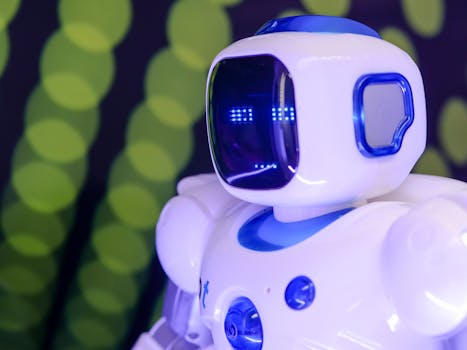
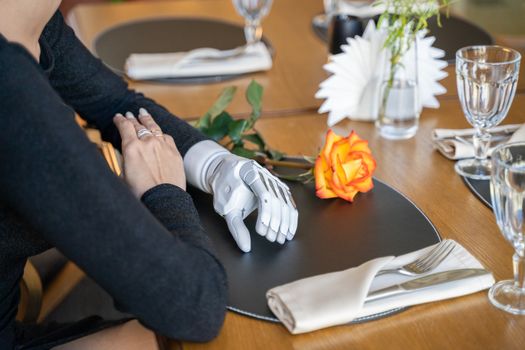
The hum of a servo motor, the subtle glide of wheels, and then, a perfectly plated dish arriving at your table, delivered by a sleek, unblinking server. No, this isn't a scene from a sci-fi movie; it's my Tuesday lunch in a bustling Tokyo neighborhood, and it’s become my new obsession. For years, the idea of "robot restaurants" conjured images of flashy, overpriced tourist traps with mediocre food and a hefty entrance fee. But what I've discovered on my travels is something far more profound, more integrated, and frankly, more delicious: the authentic, everyday robot-served eateries that locals frequent, the ones they really don't want you to know about.
My journey into this fascinating world began quite by accident. I was lost, as usual, down a labyrinthine alley in Seoul, searching for a legendary bibimbap spot. Instead, I stumbled upon a modest storefront with a neon sign that simply read "Chef's Bots." Intrigued, I peeked inside. The air was filled with the aroma of sizzling bulgogi, and plates were being ferried by small, autonomous carts. There were no human waiters in sight, only a handful of chefs visible through an open kitchen. The patrons, mostly office workers on their lunch break, seemed utterly unfazed. I sat down, ordered via a tablet, and within minutes, my meal arrived with a polite mechanical chime. It was efficient, surprisingly personal, and the food? Absolutely phenomenal. That day, my perception of robot dining was shattered, and a new quest began: to uncover these hidden mechanical culinary gems across the globe.
Forget the flashy shows and the Instagram bait. These are the places where technology seamlessly enhances the dining experience, focusing on efficiency, consistency, and often, incredible value. They are the future, happening now, and they are ripe for discovery by the truly adventurous traveler.
The Silent Revolution: Why Locals Love Their Robot Servers
So, why are these places so appealing to locals, and why are they so good at staying under the tourist radar? It boils down to several factors. Firstly, efficiency. In fast-paced cities like Tokyo, Seoul, or Shenzhen, time is precious. Robot servers can deliver food rapidly, reduce wait times, and ensure consistent service, especially during peak hours. This means more lunch breaks enjoyed, and less time waiting for the check.
Secondly, consistency and hygiene. Robots don't have bad days, they don't get tired, and they maintain a sterile environment. For many, especially post-pandemic, the idea of reduced human contact in food delivery is a plus. The food quality often benefits too; with precise measurements and timings, robot chefs or assistants can ensure a dish is prepared exactly the same way every time.
Finally, the novelty. While it might be an everyday occurrence for regulars, there's still a quiet appreciation for the innovation. It’s a subtle nod to the future, integrated into the fabric of daily life, without being a "performance." These aren't places designed for a one-off photo op; they're places designed for good food and good service, with a technological twist that simply works. The "secret" aspect often comes from them being in non-touristy neighborhoods, relying on word-of-mouth, or simply not feeling the need to advertise to an international audience.
Decoding the Destinations: My Top Secret Robot Eateries
I’ve spent countless hours (and consumed countless meals) tracking down these unassuming bastions of automated gastronomy. Here are a few of my absolute favorites, places that offer a genuine glimpse into the future of dining, far from the tourist hordes.
1. "Ramen-Bot Alley" – Shinjuku-ku, Tokyo, Japan (But NOT the touristy part!)
- Location: Tucked away in a residential side street near a local train station, about a 15-minute walk from the bustling Shinjuku Gyoen National Garden, but in the opposite direction of the main tourist drag. Look for a faded red awning and a small kanji sign that hints at "noodles and future."
- The Vibe: This place is tiny, maybe 15 seats max, arranged around a U-shaped counter. The kitchen is visible, bustling with two human chefs, but the magic happens on the counter itself. Your steaming bowl of ramen, gyoza, or chahan (fried rice) is delivered by a small, silent robotic arm that glides along a track. It’s less "waiter robot" and more "automated conveyor belt with personality."
- My Anecdote: My first time, I almost missed it. I was following a local foodie blog that mentioned "the ramen joint where your food flies." Inside, I was mesmerized. I ordered a classic Tonkotsu ramen via a touch screen. The robotic arm, affectionately nicknamed "Noodle-Bot" by a regular, gently nudged my bowl into place. The ramen itself was sublime – rich, creamy broth, perfectly cooked noodles, and melt-in-your-mouth chashu. The efficiency meant I was in and out in 20 minutes, feeling like I’d unlocked a secret level of Tokyo dining.
- Why Locals Love It: Unbeatable efficiency for a quick, high-quality lunch. The ramen is consistently excellent, and the novelty of Noodle-Bot never quite wears off for the regulars. It’s a quintessential Tokyo experience: traditional food meets cutting-edge tech, without any fuss.
- Price Range: ¥800 - ¥1,500 (approx. $5-$10 USD) per person. Cashless payment only via QR code or local IC card.
- Instagrammable Moment: A close-up video of Noodle-Bot delivering your ramen, steam rising from the bowl. Use #RamenBotAlley #TokyoSecrets #FutureRamen.
2. "Seoul's Silent Servers" – Gangnam-gu, Seoul, South Korea (Hidden from the K-Pop crowd)
- Location: Don't go to the main Gangnam shopping streets. Instead, venture deeper into the business district, specifically near Teheran-ro. It's on the second floor of an unassuming office building, marked only by a small, minimalist sign.
- The Vibe: This isn't a traditional sit-down restaurant. It’s a Korean BBQ spot designed for quick, delicious meals. Each table has its own grill, and the side dishes (banchan) and raw meats are brought directly to you by adorable, cat-faced delivery robots. These bots navigate the aisles with surprising grace, using LIDAR sensors to avoid bumping into anything (or anyone).
- My Anecdote: I was skeptical of robot-delivered BBQ – part of the experience is the human interaction! But "Seoul's Silent Servers" proved me wrong. I ordered a platter of marinated galbi and a few banchan refills via the table tablet. Within minutes, a cheerful "meow" sound preceded a robot gliding to my table, presenting a tray of fresh cuts. The real magic? When my grill started to smoke a bit too much, a robot silently appeared with a fresh ventilation attachment. It was unobtrusive, but incredibly helpful. The quality of the meat was top-notch, and the automated service meant I could focus entirely on grilling and enjoying the food.
- Why Locals Love It: Perfect for business lunches or quick dinners. The lack of human waiters means less pressure, more privacy, and incredibly efficient service for refills. Plus, the novelty of the cat-bots is genuinely charming.
- Price Range: ₩15,000 - ₩30,000 (approx. $11-$22 USD) per person, depending on meat choices. Cashless payment only.
- Instagrammable Moment: A short video of the cat-faced robot delivering your fresh meat, then a shot of your sizzling BBQ on the grill. Hashtags: #SeoulRobotBBQ #SilentServers #GangnamEats #KoreanTechFood.
3. "Future Bites of Futian" – Futian District, Shenzhen, China (The ultimate tech integration)
- Location: Deep within Shenzhen's Futian district, near a major tech park. This place is less "hidden" and more "designed for a specific crowd" – the local tech workers. It’s part of a larger food court, but stands out with its sleek, minimalist design.
- The Vibe: This is perhaps the most advanced of the robot restaurants I’ve visited. It’s a hotpot and dim sum fusion spot where nearly everything is automated. Robotic arms prepare specific dim sum dishes, while delivery robots bring raw ingredients for your hotpot direct to your table. There’s even a robot tea server! The atmosphere is clean, bright, and buzzing with quiet efficiency.
- My Anecdote: Visiting Shenzhen, I expected tech, but "Future Bites" took it to another level. I ordered a mix of dim sum (har gow, siu mai) and hotpot ingredients (thinly sliced beef, various mushrooms). The dim sum arrived first, perfectly steamed, delivered by a small, wheeled bot. Then, for the hotpot, a larger robot brought a tray laden with all my chosen ingredients, precisely portioned. The most impressive part was a small, multi-jointed robot arm behind a glass partition, meticulously folding dumplings. It felt like dining in a real-life sci-fi movie, yet the food was traditional and delicious.
- Why Locals Love It: It’s a showcase of Shenzhen’s technological prowess applied to everyday life. The speed, consistency, and sheer variety of automated options make it a go-to for tech workers wanting a quick, high-quality meal without fuss. It’s affordable too, given the tech involved.
- Price Range: ¥50 - ¥120 (approx. $7-$17 USD) per person. Absolutely cashless, often requiring local payment apps like WeChat Pay or Alipay.
- Instagrammable Moment: A wide shot capturing multiple robots moving around, delivering food, or the robot arm folding dim sum. Tag #ShenzhenFuture #RobotHotpot #FutianFood #TechDining.
4. "Bay Area Bytes & Brews" – Mountain View, California, USA (Silicon Valley's subtle automation)
- Location: Not in downtown San Francisco, but rather in the heart of Silicon Valley, Mountain View, a short drive from Google's campus. It's a modern, airy cafe, blending seamlessly into the tech landscape.
- The Vibe: This place is different. The robot element here is more subtle, integrated into the preparation, rather than the serving. It's a high-end cafe and casual eatery where a robotic barista precisely crafts your coffee, and a robotic arm handles the assembly of salads and custom bowls. Human staff are present for order taking and final touches, making it a hybrid experience.
- My Anecdote: After a morning exploring the tech giants, I needed a good coffee and a healthy lunch. I walked into "Bay Area Bytes & Brews" expecting a standard cafe. Instead, I saw a robotic arm meticulously tamping espresso and pouring latte art. I ordered a custom salad bowl, and watched as a separate robotic arm precisely measured ingredients onto my plate. The coffee was perfect, and the salad was fresh and exactly as ordered. It felt less like a novelty and more like a highly optimized, quality-focused operation.
- Why Locals Love It: Consistency and speed for busy tech professionals. The coffee is always perfect, the salads are fresh, and the customization options are endless, all delivered with Silicon Valley efficiency. It's innovative without being overtly gimmicky.
- Price Range: $10 - $20 USD per person for a coffee and a meal. Card or mobile payment only.
- Instagrammable Moment: A close-up video of the robotic barista making latte art, or the robotic arm assembling a colorful salad bowl. Hashtags: #SiliconValleyEats #RobotBarista #FutureCafe #MountainViewFood.
Navigating the Non-Human Service: Practical Tips for the Adventurous Tourist
So, you’re ready to embark on your own robot restaurant quest? Here are my essential tips to make your experience smooth and successful:
- Do Your Research (The Right Way): Forget TripAdvisor or Google Maps for "robot restaurants near me" – those will often lead you to tourist traps. Instead, dig deeper. Look for local food blogs (use Google Translate!), Reddit threads in local subreddits, or even obscure YouTube videos. Search terms like "automated restaurant [city name]" or "robot food delivery [city name]" combined with local language terms can yield better results.
- Venture Off the Beaten Path: These places thrive in local neighborhoods, business districts, or tech hubs, not typically next to major tourist attractions. Be prepared to take local transport and walk a bit.
- Embrace Cashless Payment: Most of these establishments are at the forefront of technology, and that includes payment. Be ready with credit/debit cards, or even better, set up local payment apps like WeChat Pay (China), Alipay (China), or Kakao Pay (South Korea) if you plan to stay awhile.
- Master the Tablet/QR Code Menu: Ordering is almost exclusively done via touch screen tablets at your table or by scanning a QR code with your smartphone. Most will have English options, but be prepared for some visual guesswork. Don't be afraid to experiment!
- Understand the "No Tipping" Culture (Mostly): In many Asian countries, tipping isn't customary. For robot restaurants, it's certainly not expected for the robots! If there are human staff overseeing operations, a small gesture of appreciation is always welcome, but not required.
- Don't Expect Human Interaction: The beauty (and sometimes challenge) of these places is the minimal human interaction. If you need assistance, look for an "assistance" button on your tablet or politely flag down one of the human staff members who are usually present for oversight and troubleshooting.
- Be Prepared for Efficiency: These places are designed for speed. Don't linger too long during peak hours. Order, eat, enjoy the tech, and make way for the next diner.
- Charge Your Phone! For ordering, payment, and of course, capturing those incredible Instagrammable moments, a fully charged phone is essential.
Beyond the Gimmick: Why These Places Matter
It's easy to dismiss robot restaurants as a novelty, a fleeting trend. But my experiences have shown me they are much more. They represent a significant evolution in the hospitality industry, addressing challenges like labor shortages, consistency in food preparation, and the demand for faster, more hygienic service.
In places like Japan and South Korea, where an aging population poses unique labor challenges, automation in dining is a practical solution, not just a futuristic whim. It frees human staff to focus on more complex tasks, customer service, or culinary innovation. It’s not about replacing humans entirely, but about augmenting their capabilities and reshaping job roles.
For travelers, these restaurants offer a unique cultural insight. They show how different societies integrate technology into their daily lives, often in ways that are subtle, efficient, and deeply practical. It's a window into a future that's already here, far removed from the polished, tourist-centric experiences often marketed to us.
The Art of the Instagrammable Robot Meal
You're going to want to share this, trust me. These places are inherently Instagram-worthy, but knowing how to capture them effectively can make all the difference.
- Action Shots: Focus on the robots in motion. A video of a robot gliding to your table, gently placing a dish, or a robotic arm performing a culinary task is far more engaging than a static photo.
- Frame the Food with the Future: Get the robot and your delicious meal in the same shot. This tells the story instantly.
- Lighting is Key: Most of these places are well-lit for efficiency, but pay attention to reflections on the robots' surfaces.
- Subtlety Sells: While it's exciting, try to capture the seamless integration. Show how natural it feels, not just how outlandish.
- Storytelling Captions: Don't just post a photo; tell the story of how you found it, your surprise, and what made the experience special.
- Hashtags for Discovery: Use a mix of broad and specific hashtags: #RobotRestaurants #FutureDining #TechTravel #HiddenGems #[CityName]Eats #TripsoraTravel. Encourage others to share their finds, but with a playful wink about keeping the secrets safe!
Conclusion: Your Next Culinary Adventure Awaits
My journey into the world of robot-served restaurants has been nothing short of exhilarating. It’s a testament to human (and mechanical) ingenuity, offering a glimpse into what dining might look like for generations to come. These aren't just restaurants; they're experiences, cultural touchstones, and thrilling discoveries, often found in the most unassuming corners of the world's most dynamic cities.
So, the next time you're planning a trip, challenge yourself. Go beyond the guidebooks, ignore the flashy tourist traps, and seek out these quiet, efficient, and utterly fascinating establishments. You might just find your new favorite meal, delivered with a mechanical flourish, in a place locals hope you never discover.
Have you stumbled upon a secret robot restaurant on your travels? Or does the idea of robot servers intrigue (or alarm) you? Share your thoughts and your own hidden gems (if you dare!) in the comments below. Let's keep the conversation going – and maybe, just maybe, uncover a few more of these incredible future-forward dining spots together. Happy hunting, fellow travelers!