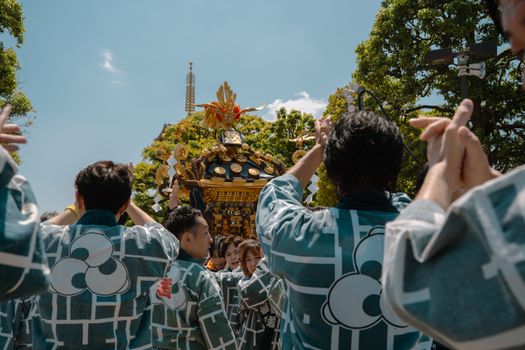
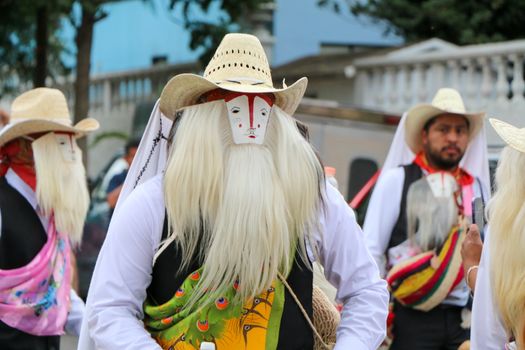
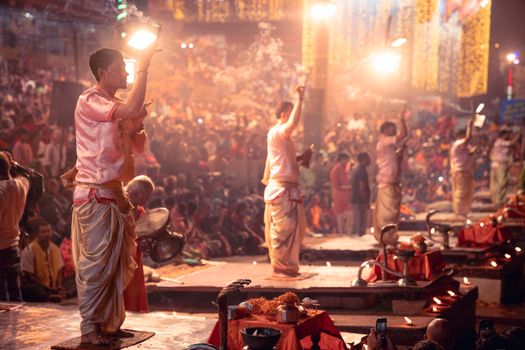
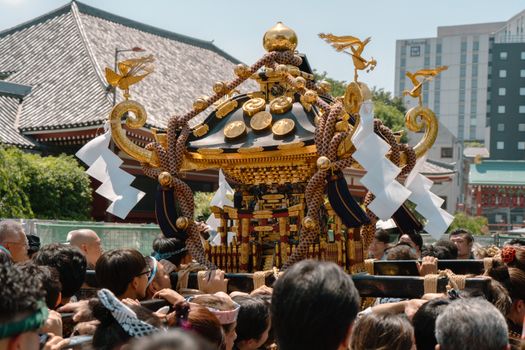
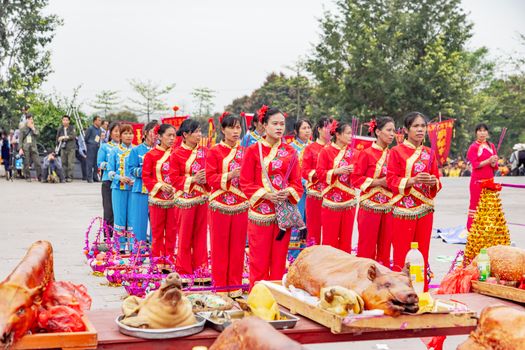
The scent of incense mingled with the earthy aroma of damp earth, the rhythmic chant of a thousand voices rising and falling around me, and the golden glow of a thousand candles illuminating faces etched with devotion. I was standing amidst a sea of white-robed pilgrims in Gondar, Ethiopia, during Timkat – a celebration of Christ’s baptism – and in that moment, the sheer, unadulterated power of human faith washed over me. It wasn't a curated show for tourists; it was life, raw and real, unfolding before my eyes.
That experience, years ago, ignited a passion within me: to seek out religious festivals that still held their sacred essence, untouched by mass tourism. We’ve all seen the pictures of Holi in India, Carnival in Rio, or Oktoberfest in Munich – vibrant, spectacular, but often now a global party. And while there’s nothing wrong with that, there’s a distinct magic in witnessing a tradition that hasn't yet been commodified, where your presence as an outsider is genuinely welcomed as a guest, not just another ticket sale.
These are the moments that redefine travel, transforming a trip into a pilgrimage of understanding. They offer a rare window into the soul of a culture, a chance to connect on a level far deeper than any museum visit or scenic overlook. And the best part? Many of these extraordinary experiences are still flying under the radar, waiting for intrepid travelers like you to discover them responsibly.
So, if you’re ready to trade the mainstream for the magnificent, to swap crowded tourist traps for truly transformative encounters, then pack your bags (and your respect!) because I’m about to reveal five breathtaking religious festivals that you absolutely need to experience before they become household names.
---
Why Go Now? The Allure of the Undiscovered Sacred
Before we dive into the specifics, let's talk about why seizing these opportunities now is so crucial. The internet, while a powerful tool for discovery, also accelerates the "mainstreaming" of once-hidden gems. When a festival gains global attention, it inevitably changes. Crowds swell, prices inflate, and sometimes, the very essence of the tradition can be diluted by commercial interests or the sheer pressure of numbers.
Experiencing these festivals before they hit that tipping point offers:
- Authenticity: You'll witness rituals and traditions practiced as they have been for centuries, with minimal adaptation for foreign audiences.
- Genuine Connection: Locals are often more open, curious, and welcoming when they're not overwhelmed by tourists. You'll have opportunities for real interactions.
- Intimacy: Smaller crowds mean more space to observe, reflect, and absorb the atmosphere without feeling like you're part of a human conveyor belt.
- Ethical Impact: Your presence, when respectful and mindful, can support local economies directly without contributing to potential overtourism issues.
This isn't about gatekeeping; it's about advocating for a style of travel that prioritizes respect, immersion, and the preservation of cultural integrity.
---
1. Timkat in Ethiopia: A Baptism of Fire (and Faith)
When:
Annually, on January 19th (January 20th in a leap year).
Where: Celebrated across Ethiopia, with the most vibrant celebrations in Gondar, Lalibela, and Addis Ababa.
My first Timkat experience in Gondar remains one of the most powerful memories of my life. Imagine waking before dawn, the crisp Ethiopian air biting at your cheeks, to join thousands of pilgrims, all dressed in pristine white cotton robes (the traditional shamma). They walk, sing, and dance their way to the Fasiledes' Bath (or a local river/pool), where the Tabot – a replica of the Ark of the Covenant, usually housed in churches – has been brought in a solemn procession the day before.
The atmosphere is electric. Drummers beat a hypnotic rhythm, priests in richly embroidered robes chant ancient Ge'ez verses, and the air thrums with anticipation. As the sun rises, illuminating the historic stone walls, the water is blessed, and then, in a joyous explosion of faith, it’s sprayed or splashed onto the eager crowd, symbolizing Christ's baptism. People jump into the holy water, renewing their vows, their faces alight with pure devotion. I remember standing on the edge, feeling the spray on my face, a wave of humility and awe washing over me. It felt like stepping back in time, into a living, breathing biblical scene.
Practical Tips for Timkat:
- Book Early: Gondar and Lalibela get very busy. Flights and accommodation (guesthouses, hotels) should be booked months in advance. Expect higher prices.
- Dress Code: While not strictly enforced for tourists, wearing modest clothing, especially white, will help you blend in and show respect. Shoulders and knees covered are a must.
- Respectful Photography: Ask permission before taking close-up shots of individuals. During the main baptism ceremony, be mindful of people's spiritual moments. A long lens is useful for capturing the scene from a distance.
- Local Guides: Hiring a local guide, especially in Gondar, is highly recommended. They can navigate the crowds, explain the rituals, and ensure you have a safe and enriching experience. Expect to pay around $30-50 USD per day for a good local guide.
- Stay Hydrated & Safe: Crowds are immense. Carry water, wear sturdy shoes, and be prepared for long periods of standing. Keep valuables secure.
---
2. Maha Shivaratri in Nepal: The Night of Shiva's Devotion
When:
Annually, in late February or early March (based on the Hindu lunar calendar).
Where: Primarily at Pashupatinath Temple in Kathmandu, Nepal.
If Timkat was a vibrant symphony, Maha Shivaratri at Pashupatinath Temple is a raw, primal roar of devotion. This "Great Night of Shiva" is one of the most significant Hindu festivals, celebrating the overcoming of darkness and ignorance, and particularly Shiva's cosmic dance. My experience there was intense, confronting, and utterly unforgettable.
Pashupatinath, a UNESCO World Heritage site, transforms into a swirling vortex of pilgrims, sadhus (holy ascetics), and devotees from across Nepal and India. The main temple is reserved for Hindus, but the surrounding complex offers a mesmerizing spectacle. Sadhus, smeared with ash, their hair matted, sit in meditation or perform rituals, often smoking chillums (clay pipes) filled with cannabis, believed to aid in meditation and connection with Shiva. Bonfires blaze, casting flickering shadows on ancient stone carvings, and the air is thick with the scent of incense, marigolds, and yes, cannabis smoke.
I remember navigating the throngs, feeling the collective energy of millions of prayers. The chants of "Om Namah Shivaya" echoed incessantly. It was chaotic, beautiful, and deeply moving. Witnessing the unwavering faith, the extreme austerities of some sadhus, and the palpable spiritual hunger of the crowd gave me a profound appreciation for the depths of human devotion. This isn't a festival for the faint of heart, but for those seeking an unvarnished spiritual encounter, it's unparalleled.
Practical Tips for Maha Shivaratri:
- Temple Entry: Foreigners (non-Hindus) are generally not permitted inside the main Pashupatinath Temple, but you can explore the extensive temple complex and cremation ghats (from a respectful distance) from the eastern bank of the Bagmati River. The entry fee for the complex is around 1000 NPR (approx. $8 USD).
- Photography: Be extremely respectful. While many sadhus are open to being photographed (sometimes for a small fee), always ask permission first. Some areas, especially near the cremation ghats, are highly sensitive.
- Crowd Management: The crowds are immense. Be prepared for slow movement and jostling. Keep your belongings secure.
- Dress Code: Modest clothing is essential. Shoulders and knees must be covered.
- Embrace the Chaos: It can feel overwhelming, but try to surrender to the sensory overload. It's part of the experience.
- Avoid Scams: Be wary of people offering "blessings" or trying to put tikas on your forehead for money without clearly stating the cost upfront.
---
3. Boun That Luang in Laos: The Gentle Glow of Buddhist Piety
When:
Annually, during the full moon of the 12th lunar month (usually November).
Where: That Luang Stupa, Vientiane, Laos.
After the intensity of Timkat and Shivaratri, Boun That Luang in Laos offers a different, more serene kind of spiritual immersion. This national festival celebrates the revered golden stupa of That Luang, believed to enshrine a relic of Buddha, and showcases the gentle, deeply spiritual nature of Lao Buddhism. My experience there felt like a warm, comforting embrace.
The festival spans several days, culminating in a grand procession and candlelight circumambulation (vien thien) on the final evening. I remember joining the pre-dawn alms giving (tak bat) at That Luang, offering sticky rice to hundreds of saffron-robed monks as the sun painted the sky in soft hues. The air was filled with soft chanting and the quiet rustle of cloth. It was a moment of profound peace and connection.
Later, the main grounds around That Luang transform into a vibrant fair, with traditional music, dance performances, local food stalls, and games. But the true magic unfolds after dusk. Thousands of devotees, holding candles, incense, and lotus flowers, walk three times around the illuminated stupa. The golden spire gleams against the night sky, and the flickering candlelight creates a mesmerizing, almost ethereal glow. It's a deeply personal and communal act of devotion, and as I walked alongside Lao families, feeling the quiet reverence, I understood the profound sense of peace that permeates Lao culture.
Practical Tips for Boun That Luang:
- Dress Code: Modest clothing is essential when visiting temples and participating in rituals. Shoulders and knees should be covered.
- Alms Giving: If you wish to participate in tak bat, purchase sticky rice or other offerings from local vendors early in the morning. Follow the lead of locals, remove your shoes, and maintain a respectful distance from the monks. Women should avoid direct physical contact with monks.
- Transportation: That Luang is a bit outside central Vientiane. Tuktuks are readily available and affordable.
- Embrace the Local: Explore the temporary market, try local street food, and watch the traditional performances. This is a family-friendly festival, offering a wonderful insight into Lao life.
- Accommodation: Vientiane offers a range of guesthouses and hotels. Book a few weeks in advance, especially for the final days of the festival.
---
4. Obon in Rural Japan: Honoring Ancestors, Connecting with Community
When:
Annually, typically mid-August (dates vary slightly by region).
Where: While celebrated nationwide, focus on smaller towns and villages for a truly authentic experience. Consider regions like Gifu, Shikoku, or Tohoku.
Obon, the Japanese Buddhist festival for honoring the spirits of one's ancestors, is widely celebrated across Japan. But to truly experience its heart, step away from the dazzling city lights and venture into the serene embrace of rural Japan. My Obon in a small village in Gifu Prefecture was a revelation of community, tradition, and quiet remembrance.
Unlike the more commercialized city events, rural Obon is deeply personal and family-centric. Families return to their ancestral homes, clean gravesites, and prepare offerings for the returning spirits. The evenings come alive with bon odori (Obon dances) – communal folk dances performed in parks or temple grounds, often around a yagura (a raised platform for musicians).
I remember being a bit hesitant to join the bon odori, feeling like an awkward outsider. But a friendly elderly woman, noticing my curiosity, gently pulled me into the circle, showing me the simple, rhythmic steps. Soon, I was moving with the community, the sound of traditional music filling the night, paper lanterns glowing softly, and a sense of shared humanity binding us all. The festival culminates with toro nagashi, where paper lanterns are floated down rivers or oceans to guide the ancestors' spirits back to the other world – a poignant and beautiful sight.
Practical Tips for Rural Obon:
- Timing & Location: Obon dates vary. While many celebrate from August 13-15, some regions celebrate in mid-July. Research specific village dates in advance. Look for smaller towns in regions known for preserving traditions.
- Accommodation: Rural areas have fewer hotels. Consider ryokan (traditional inns), minshuku (family-run guesthouses), or even homestays if available. Book well in advance.
- Transportation: Public transport might be less frequent in rural areas. Renting a car can offer more flexibility, but be comfortable driving on the left.
- Participation: Don't be shy about joining bon odori! The steps are often simple, and locals appreciate the effort.
- Respectful Observation: When visiting graveyards or family altars, be discreet and respectful. Photography might be inappropriate in some contexts.
- Language: Basic Japanese phrases will go a long way in rural areas. Google Translate is your friend!
---
5. Ethical Engagement: Navigating Sacred Spaces Responsibly
Experiencing these festivals before they become mainstream isn't just about "getting there first"; it's about being a conscious, respectful, and ethical traveler. Your actions can help preserve the authenticity you're seeking.
- Do Your Homework: Research the festival's significance, customs, and any specific etiquette. Understanding why something is done enhances your experience and helps you avoid unintentional offense.
- Dress Modestly: This is a universal sign of respect in religious settings. Always ensure shoulders and knees are covered. For women, a headscarf might be appropriate in some contexts (e.g., temples in Nepal).
- Ask for Permission (Especially for Photos): Not every moment is a photo opportunity. If you want to photograph people, especially children, sadhus, or those engaged in deep prayer, always ask first. A simple gesture and a smile often work. Be prepared for a "no," and accept it gracefully.
- Be a Guest, Not a Spectacle: Observe more than you participate, unless specifically invited. Don't disrupt ceremonies, block pathways, or draw undue attention to yourself.
- Support Local: Buy food, crafts, and services from local vendors. Hire local guides. Your money directly benefits the community.
- Minimize Your Footprint: Dispose of trash properly. Be mindful of noise levels. Leave no trace.
- Patience is a Virtue: Festivals are crowded and chaotic. Things won't always go as planned. Embrace the unexpected, and practice patience. A smile and a calm demeanor go a long way.
- Learn Basic Phrases: A few words in the local language (hello, thank you, please, excuse me) can open doors and show genuine effort.
---
Your Journey Awaits: Don't Just Dream, Discover!
There’s a profound difference between seeing a photograph of a festival and feeling its pulse beneath your feet. The festivals I’ve shared are more than just events; they are living testaments to human faith, tradition, and community. They offer a chance to step outside your comfort zone and into a world where ancient rituals still hold sway, where spiritual energy is palpable, and where every interaction feels like a genuine connection.
The window to experience these wonders in their unadulterated form is closing, slowly but surely. Don't let these opportunities pass you by. Start planning now, embrace the adventure, and prepare for a journey that will not only fill your camera roll with incredible images but, more importantly, enrich your soul with unforgettable memories.
Which of these festivals calls to you? Have you experienced any lesser-known religious celebrations that left a lasting impact? Share your thoughts and inspire fellow travelers in the comments below! And if you found this guide helpful, don't forget to share it with your adventurous friends – let's inspire responsible, authentic travel together!
---