The Hook: A Breath of Thin Air and Ancient Incense
I stepped off the rickety prop plane in Aksum, and the first thing that hit me wasn't the heat—it was the scent. It was a thick, intoxicating mix of roasting coffee beans, frankincense, and the metallic tang of dry earth that hasn't seen rain in months. For years, this part of Northern Ethiopia was a "no-go" zone, a landscape of whispered tragedies and closed borders.
But as I stood there, watching a young priest in snow-white robes swing a silver censer against the backdrop of 1,700-year-old obelisks, the silence wasn't heavy with tension anymore. It was heavy with peace. There’s a specific vibration in a place that is rediscovering its own beauty after a long sleep. It’s a mix of cautious optimism and a fierce, welcoming pride. This isn't just travel; it’s witnessing a rebirth.
1. Ethiopia’s Northern Frontier: The Gheralta Reawakening
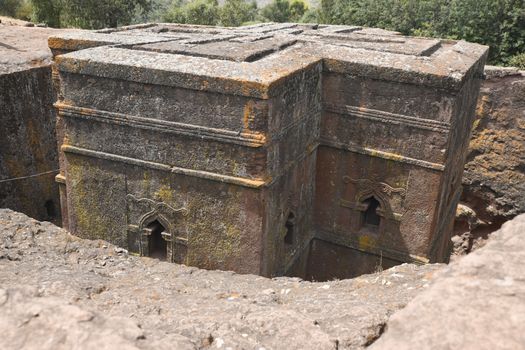
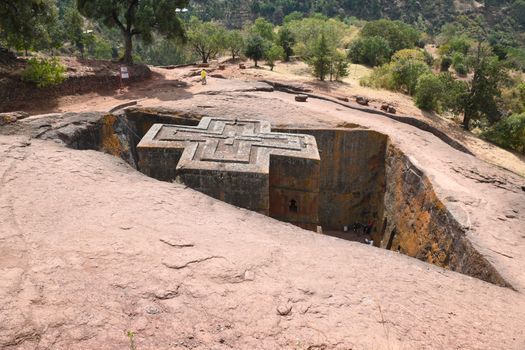
After the 2022 peace agreement, the Tigray region is slowly peeling back the curtain. While the scars of the civil war are still healing, the sheer majesty of the Gheralta Mountains remains untouched. This is the "Colorado of Africa," but with 4th-century churches carved directly into vertical cliff faces.
The Experience:
Climbing to Abuna Yemata Guh is a spiritual and physical rite of passage. You’ll scale a 200-foot sandstone wall (barefoot, as is tradition) to reach a chapel filled with vibrant frescoes that have survived a millennium. The priests here don't just offer blessings; they offer stories of how they protected these treasures during the darkest years.
Pro-Tip:
Don't just visit the churches. Spend an evening at a tej bet (honey wine house) in Hawzen. It’s where the locals gather to celebrate the return of normalcy. Order the 'dry' honey wine if you want to keep your wits about you.
2. Colombia’s Deep Amazon: The Guaviare Transformation
For forty years, the department of Guaviare was a stronghold for the FARC. Today, the former guerrillas have traded their rifles for binoculars and GPS devices, working as guides in one of the most biodiverse regions on the planet.
The Meat:
The highlight here is Serranía de la Lindosa, a massive rock formation adorned with tens of thousands of ochre-colored pictographs dating back 12,000 years. These aren't just "paintings"; they are a cinematic record of ancient life—giant sloths, mastodons, and ritual dances.
Authenticity Note:
The architecture in San José del Guaviare is utilitarian, a testament to its frontier roots. But the food? Ask for Pescado Moqueado—fish wrapped in banana leaves and smoked underground for hours. It’s the flavor of the jungle, smoky and primal.
Pro-Tip:
The hidden entrance to the "Stone Forest" (Ciudad de Piedra) is best navigated with a local guide named Jorge. He knows the exact crevices where the rare Cock-of-the-rock birds nest at dawn.
3. Iraqi Kurdistan: The Cradle’s New Chapter
While the rest of Iraq often dominates the headlines for the wrong reasons, the semi-autonomous region of Kurdistan has quietly become a bastion of stability and staggering hospitality.
The Vibe:
In Erbil, the oldest continuously inhabited city in the world, the Citadel sits like a crown above a buzzing, modern metropolis. At night, the fountains in Shar Park dance to Kurdish pop music, and families eat pistachio ice cream until midnight.
The Adventure:
Head north to Amedi, a village perched on a flat-top mountain like something out of Game of Thrones. The air is crisp, the pomegranates are the size of bowling balls, and the views of the Turkish border mountains are unparalleled.
Pro-Tip:
When a Kurd invites you for tea (and they will, at least five times a day), the etiquette is to drink at least two glasses. Place your spoon across the top of the glass to signal you’ve truly had enough.
4. Sri Lanka’s Northern Soul: Jaffna
The civil war ended in 2009, but for a long time, the Hindu-dominated North felt worlds away from the tourist beaches of the South. Now, with the "Queen of Jaffna" train back in full service, the region is experiencing a cultural renaissance.
The Details:
Jaffna is a riot of color. The Nallur Kandaswamy Kovil temple, with its golden arches and rhythmic drumming, offers a sensory overload that feels more like Southern India than the rest of Sri Lanka.
The Flavor:
You haven't lived until you’ve tried a Jaffna Crab Curry. It’s heavy on the drumstick leaves and toasted cumin, served with red rice. It’s spicy enough to make your eyes water, but you won't want to stop.
Pro-Tip:
Rent a bicycle to explore the islands of Kayts and Karainagar. The roads are lined with palmyrah trees and colonial ruins that are being reclaimed by the salt air.
5. Sierra Leone: The Return of "Sweet Salone"
Sierra Leone has spent two decades shaking off the "Blood Diamond" label. What’s emerging is a coastline that rivals the Seychelles, without a single high-rise resort in sight.
The Coastal Magic:
Bureh Beach is the heart of the country’s burgeoning surf scene. It’s a place where the jungle meets the Atlantic, and the "Poda-Poda" (local buses) are painted with vibrant murals.
Logistics:
Freetown is chaotic, loud, and brilliantly alive. Take the sea taxi from the airport—it’s a 30-minute speedboat ride that gives you a skyline view of a city that refuses to be kept down.
Pro-Tip:
Visit the Tacugama Chimpanzee Sanctuary at 4 PM during feeding time. It’s located in the rainforest just outside the city and is a world-class example of conservation in a post-conflict zone.
The Ethics of Conflict Tourism: A Note from the Editor
Traveling to regions stabilizing after decades of conflict right now requires more than just a passport; it requires a conscience.
* Spend Locally: Stay in guesthouses, not international chains.
* Listen More, Talk Less: People may want to share their stories, or they may want to forget. Let them lead the conversation.
* Check Advisories: Stability is a spectrum. Always check your embassy’s current travel advisories 48 hours before departure.
Quick Facts & Logistics
| Region | Best Time to Visit | Estimated Daily Cost ($) | Safety Status (2025) |
| :--- | :--- | :--- | :--- |
| Tigray, Ethiopia | Oct – March | $40 - $70 | Increasing Stability (Check Local Reports) |
| Guaviare, Colombia | Dec – March | $50 - $90 | Stable / Ecotourism Hub |
| Iraqi Kurdistan | April – June | $60 - $100 | Very Stable |
| Jaffna, Sri Lanka | Jan – Sept | $30 - $60 | Stable |
| Sierra Leone | Nov – April | $50 - $110 | Stable / Emerging |
How to Get There:
* Ethiopia: Fly into Addis Ababa (ADD) and take a domestic Ethiopian Airlines flight to Aksum or Mekelle.
* Colombia: Fly into Bogotá (BOG) and take a 1-hour flight to San José del Guaviare (SGO) via Satena.
* Iraqi Kurdistan: Fly directly into Erbil International (EBL) from Istanbul, Vienna, or Dubai.
* Sri Lanka: Take the "Queen of Jaffna" express train from Colombo Fort station (6-7 hours).
* Sierra Leone: Fly into Lungi International (FNA). Remember to book your water taxi to Freetown in advance.
---