The Hook: A Whisper of Salt and Serenity
I stepped off the train in a small coastal town, the scent of brine and sun-baked pine needles filling my lungs. It wasn't the cacophony of a thousand selfie sticks or the overwhelming thrum of a thousand engines I’d braced myself for; it was the gentle lapping of waves against weathered fishing boats and the murmur of locals chatting in a language that danced on the breeze. This, I realized, was the antidote. This was the kind of travel I craved – raw, real, and utterly captivating. And it was happening in places that were actively choosing a different path, a path away from the overwhelming influx of mega-ships.
The Cruise Ship Exodus: Why Destinations Are Saying "No More"
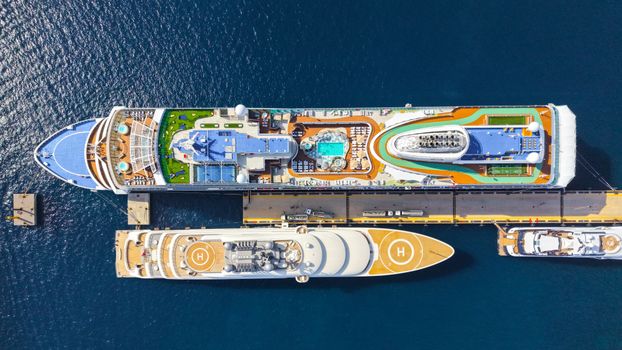
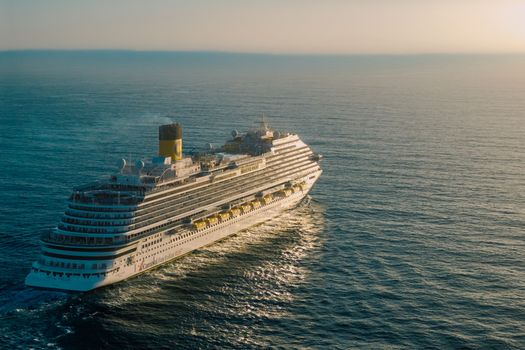
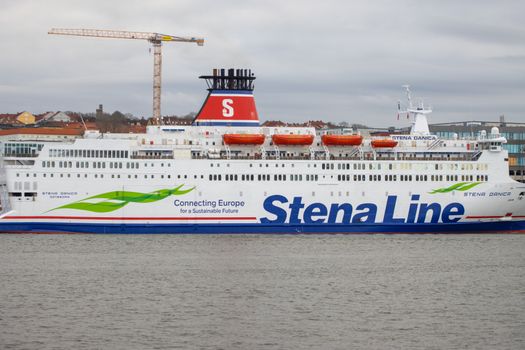
It’s a trend that’s been simmering for a while, but it’s now reaching a boiling point. Destinations worldwide, from picturesque European enclaves to fragile island paradises, are implementing or strengthening bans on large cruise ships. Why? The reasons are as varied as the destinations themselves, but a common thread emerges: the pursuit of authenticity and the protection of their unique cultural and environmental fabric.
Overtourism's Shadow
For years, the cruise industry has been a double-edged sword. It brings economic activity, yes, but often in concentrated bursts that can overwhelm infrastructure, strain resources, and dilute the very essence of a place. Imagine a medieval town square, designed for centuries of slow living, suddenly flooded with thousands of people disembarking for a six-hour whirlwind tour. It’s not just about crowds; it’s about the impact.
Environmental Concerns
The sheer volume of waste, emissions, and the potential for ecological damage from large cruise vessels are significant. Many destinations are realizing that the short-term economic gains are not worth the long-term environmental degradation.
Preserving Local Culture
Perhaps the most compelling reason is the desire to preserve local identity. When a town’s economy becomes solely reliant on transient cruise visitors who rarely venture beyond the port area, the traditional livelihoods and the authentic cultural experiences can begin to fade. Destinations are actively choosing to prioritize visitors who engage more deeply with their communities.
Where the Tide is Turning: Destinations Embracing a New Era
So, where are these discerning destinations, and what makes them so special? I’ve spoken with a network of elite travel advisors, the kind who possess an almost psychic ability to uncover the next big thing before it’s a thing. They’re the gatekeepers of genuine experiences, and they’re pointing us towards places that are thriving by being… well, themselves.
1. The Enchanting Fjords of Norway: Beyond the Mega-Ships
Norway’s iconic fjords have long been a cruise ship magnet. However, several municipalities are now implementing strict regulations, and some are outright banning larger vessels to protect their pristine natural beauty and the tranquility of their communities.
Why it's Thriving:
Smaller, more sustainable cruise lines, independent travel, and land-based adventures are booming. Travelers are opting for multi-day kayaking expeditions, hiking to breathtaking viewpoints like Pulpit Rock, and exploring charming villages like Geiranger and Flåm at their own pace. The focus has shifted from a fleeting glimpse to an immersive experience.
Insider Tip:
Instead of a short fjord cruise, consider a scenic train journey on the Flåm Railway, followed by a stay in a local guesthouse. The views are spectacular, and you’ll be supporting local businesses directly.
Quick Facts: Norway (Fjord Region)
- Estimated Costs ($): $$$-$$$$ (depending on accommodation and activities)
- Best Time to Visit: May-September for milder weather and longer daylight hours.
- How to Get There: Fly into Bergen (BGO) or Oslo (OSL) and then take domestic flights, trains, or ferries to reach specific fjord regions.
2. The Venetian Lagoon's Quiet Revolution: Venice, Italy
Venice, the city of canals, has been battling the overwhelming influx of cruise ships for years. While a complete ban for all ships is still a complex issue, significant restrictions are in place, particularly for larger vessels entering the historic basin. The goal is to reclaim the lagoon’s delicate ecosystem and the city’s soul.
Why it's Thriving:
This push is driving visitors towards more thoughtful exploration. Think staying longer in quieter sestieri (neighborhoods) like Cannaregio or Dorsoduro, exploring the colorful islands of Burano and Murano with more space, and seeking out intimate gondola rides that venture into less-trafficked canals. The emphasis is on experiencing Venice as a living city, not just a tourist spectacle.
Pro-Tip:
Visit St. Mark's Square at dawn or dusk to experience its grandeur without the midday crowds. The light is magical, and you can truly appreciate the architecture.
Quick Facts: Venice, Italy
- Estimated Costs ($): $$$$ (Venice is notoriously expensive)
- Best Time to Visit: April-May or September-October for pleasant weather and fewer crowds than summer.
- How to Get There: Fly into Venice Marco Polo Airport (VCE) or Treviso Airport (TSF). From the airport, take a water taxi or the Alilaguna water bus to your accommodation.
3. The Dalmatian Coast's Conscious Choice: Dubrovnik, Croatia
Dubrovnik, the "Pearl of the Adriatic," has been at the forefront of the cruise ship debate. Facing immense pressure from overcrowding, the city has implemented measures to limit daily cruise ship arrivals, aiming to preserve its UNESCO World Heritage status and the quality of life for its residents.
Why it's Thriving:
This shift encourages travelers to explore beyond the city walls and discover the wider Dalmatian Coast. Advisors are recommending island hopping to gems like Korčula and Hvar (with a focus on smaller boutique hotels), exploring the Pelješac Peninsula for its wine routes, and visiting charming towns like Split and Trogir. The experience becomes more about the diverse beauty of Croatia.
Insider Language:
Forget just "walking the walls." Advisors talk about "experiencing the Stradun at golden hour" and "getting lost in the labyrinthine alleys of the Old Town before the day-trippers arrive."
Quick Facts: Dubrovnik, Croatia
- Estimated Costs ($): $$$ (can vary widely)
- Best Time to Visit: May-June or September-October for warm weather and fewer crowds.
- How to Get There: Fly into Dubrovnik Airport (DBV). The airport is a short bus or taxi ride from the city center.
4. The Pristine Isles of the Caribbean: A Move Towards Sustainability
While not all Caribbean islands are banning cruise ships, many are actively seeking to diversify their tourism model and reduce their reliance on mega-ships. Islands like St. Barts and even some smaller, less-developed destinations are prioritizing luxury eco-lodges, private villa rentals, and smaller yacht charters.
Why it's Thriving:
This creates an opportunity for a more exclusive and environmentally conscious Caribbean experience. Think staying in a boutique hotel with direct beach access, enjoying farm-to-table dining featuring local produce, and engaging in activities like snorkeling in protected marine reserves or visiting local artisan workshops.
Pro-Tip:
Many smaller islands have limited infrastructure. Renting a small car or scooter is often the best way to explore independently and discover hidden coves.
Quick Facts: Lesser-Known Caribbean Islands
- Estimated Costs ($): $$$$-$$$$$ (often geared towards luxury and exclusivity)
- Best Time to Visit: December-April for the dry season and ideal weather.
- How to Get There: This varies greatly. Often requires flying into a larger hub island and then taking a smaller inter-island flight or ferry.
5. The Majestic Landscapes of Alaska: Embracing Smaller-Scale Exploration
Alaska's raw beauty is undeniable, and cruise ships have been a popular way to see it. However, concerns about environmental impact and the sheer volume of visitors in sensitive areas are leading to a greater appreciation for smaller, more intimate travel experiences.
Why it's Thriving:
Advisors are steering clients towards land-based adventures, independent road trips, and small-ship expeditions that can access more remote areas. Imagine exploring Denali National Park with an experienced guide, wildlife watching from a small boat in Glacier Bay, or enjoying the charm of towns like Skagway and Juneau without the overwhelming crowds. The focus is on authentic wildlife encounters and genuine Alaskan culture.
Insider Language:
Instead of "seeing glaciers," it’s about "witnessing calving events from a respectful distance" or "tracking bears with a naturalist."
Quick Facts: Alaska (Land-Based/Small Ship)
- Estimated Costs ($): $$$$-$$$$$ (Alaska can be an expensive destination)
- Best Time to Visit: June-August for the warmest weather and best wildlife viewing opportunities.
- How to Get There: Fly into major hubs like Anchorage (ANC), Fairbanks (FAI), or Juneau (JNU). From there, you can rent a car, take the Alaska Railroad, or join a small-ship cruise.
The Travel Advisor Advantage: Your Key to Authenticity
Navigating these evolving travel landscapes can feel daunting. This is precisely where a great travel advisor becomes indispensable. They’re not just booking agents; they’re curators of experience.
Why Partner with an Advisor?
- Insider Knowledge: They have firsthand knowledge of destinations and the latest travel trends, including which places are actively managing tourism for sustainability.
- Access to the Unique: They can book you into boutique hotels, arrange private tours with local guides, and secure reservations at restaurants that are off the beaten path.
- Personalized Itineraries: They understand your travel style and preferences, crafting journeys that are perfectly tailored to you.
- Problem Solvers: If anything goes wrong, they’re your advocate, ensuring your trip remains as seamless as possible.
The Future of Travel: Intentional and Immersive
The destinations banning cruise ships are not closing their doors; they are opening them wider to a different kind of traveler. They are inviting those who seek genuine connection, who respect the environment, and who want to leave a place better than they found it.
This shift is more than just a trend; it’s a fundamental re-evaluation of what makes travel truly valuable. It’s about savoring the quiet moments, engaging with local communities, and returning home with stories that are not just about sights seen, but about experiences felt.
So, as you plan your next adventure, consider these destinations. Embrace the opportunity to explore the world with intention. And remember, the most profound travel experiences are often found where the crowds are not.
---