The Dawn of a New Era: Stepping into Transformed Lands
I stepped off the train in Tbilisi, Georgia, and the first thing that hit me wasn't the expected grit of a former Soviet republic, but the intoxicating aroma of freshly baked khachapuri mingling with the crisp mountain air. The sounds were a symphony of lively chatter in Georgian, the distant clang of trams, and the ubiquitous, almost musical honking of cars that somehow felt more like a cheerful greeting than an aggressive demand. It was a world away from the geopolitical anxieties that had once painted this region with broad strokes of caution. This wasn't just a city; it was a palpable exhale, a testament to the profound shifts that can reshape not just borders, but the very feeling of a place.
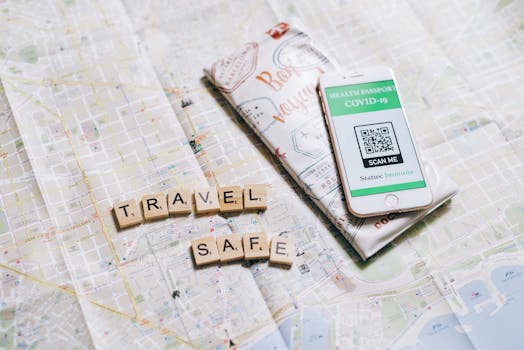
For years, the narrative surrounding certain destinations has been dominated by news cycles focused on conflict, instability, or political tension. These were the places whispered about, circled on maps with trepidation, or relegated to the realm of "someday." But the world is a dynamic, ever-evolving canvas, and lately, the most exciting brushstrokes are being painted by positive political changes. Borders are softening, dialogues are opening, and what was once considered dangerous is, remarkably, becoming safe – and incredibly inviting. This isn't about ignoring history; it's about celebrating progress and unlocking unparalleled travel experiences.
Section 1: The Balkans – From Conflict Zones to Cultural Crossroads
The Balkans. For many, the word still conjures images of war-torn landscapes and lingering scars. But I’m here to tell you, that chapter is firmly closed for most of the region. I remember visiting Sarajevo in the early 2000s, and while the resilience of its people was evident, the physical reminders of the siege were stark. Fast forward to today, and the city is a vibrant hub, a testament to human spirit and successful post-conflict reconstruction. The bullet holes are still there, yes, but they’re now part of a poignant narrative, a backdrop to a thriving cultural scene.
Albania: The Adriatic's Undiscovered Gem
Albania, once the most isolated nation in Europe, has undergone a near-miraculous transformation. I’ve spent weeks exploring its coastline, and it rivals anything you’ll find in Italy or Greece, but without the crowds and with a fraction of the price. The turquoise waters of the Albanian Riviera are breathtaking, framed by rugged mountains. The ancient city of Gjirokastër, a UNESCO World Heritage site, feels like stepping back in time with its Ottoman-era stone houses clinging to a hillside. The political stability has allowed tourism to flourish, and the warmth of the Albanian people is truly infectious.
- Pro-Tip: Don't miss the Blue Eye spring near Sarandë. Arrive before 9 AM to experience its surreal, vibrant blue waters without the midday throngs.
Bosnia and Herzegovina: A Bridge Between Worlds
Sarajevo, as I mentioned, is a phoenix risen. The "Valley of Death" is now a valley of life. The Baščaršija, the old bazaar, is a sensory overload – the scent of strong Bosnian coffee, the rhythmic hammering of coppersmiths, the vibrant textiles. Mostar, with its iconic Stari Most bridge, has been meticulously rebuilt and is a symbol of reconciliation. The political climate has stabilized significantly, making it a safe and deeply rewarding destination for anyone interested in history and culture.
- Insider Scoop: Seek out a local "ćevapi" joint in Sarajevo away from the main tourist drag. The smaller, family-run places offer the most authentic (and delicious!) experience.
Quick Facts: The Balkans
| Destination | Estimated Cost ($) | Best Time to Visit | How to Get There |
| :--------------------- | :----------------- | :----------------- | :------------------------------------------------ |
| Albanian Riviera | $50-100/day | May-September | Fly into Tirana (TIA), then bus or rental car |
| Sarajevo, Bosnia & Herz | $40-80/day | April-October | Fly into Sarajevo (SJJ) |
| Mostar, Bosnia & Herz | $40-80/day | April-October | Train or bus from Sarajevo; fly into Mostar (OMO) |
---
Section 2: Colombia – From Narco-State to Natural Paradise
For decades, Colombia was synonymous with drug cartels and danger. The headlines were relentless, painting a picture of a country to be avoided at all costs. But in the last 15-20 years, a monumental shift has occurred. The political will to reclaim its streets and its reputation has been extraordinary. I recently spent a month exploring Colombia, and the transformation is nothing short of astounding. The vibrant energy of cities like Medellín, once known for its dark past, now pulses with innovation, art, and a palpable sense of optimism.
Medellín: The City of Eternal Spring
Medellín’s nickname is no exaggeration. The climate is perfect year-round. The city has invested heavily in public transport, including the revolutionary Metrocable system, which not only connects the sprawling hillside communities but offers jaw-dropping panoramic views. Comuna 13, once a no-go zone, is now a vibrant outdoor art gallery, alive with street art, music, and dance performances. The transformation is a direct result of community empowerment and security initiatives.
- Pro-Tip: Take the Metrocable up to Parque Arví for a nature escape. The views on the ride alone are worth it.
Cartagena: Colonial Charm Meets Caribbean Bliss
The historic walled city of Cartagena is a UNESCO World Heritage site and a jewel on the Caribbean coast. While it’s always been a tourist draw, the overall safety and infrastructure improvements have made it more accessible and enjoyable than ever. The vibrant colors of the colonial architecture, the scent of tropical flowers, the lively salsa music spilling from open doorways – it’s pure magic.
- Insider Scoop: For an authentic culinary experience, venture into the Getsemaní neighborhood. You'll find incredible street food and local eateries that are far more budget-friendly than those in the walled city.
The Coffee Region: Emerald Hills and Rich Flavors
Beyond the cities, the Colombian Coffee Axis (Eje Cafetero) is a wonderland of rolling green hills, fincas (coffee farms), and charming towns like Salento and Filandia. Learning about the coffee-making process, from bean to cup, is a deeply rewarding experience. The security improvements have made exploring these rural areas a pleasure.
* Quick Facts: Colombia
| Destination | Estimated Cost ($) | Best Time to Visit | How to Get There |
| :---------------- | :----------------- | :----------------- | :------------------------------------------------- |
| Medellín | $60-120/day | Year-round | Fly into José María Córdova International (MDE) |
| Cartagena | $70-150/day | December-April | Fly into Rafael Núñez International Airport (CTG) |
| Coffee Region | $50-100/day | December-March | Fly into Pereira (PEI), Armenia (AXM), or Manizales (MZL) |
---
Section 3: Sri Lanka – Resilience and Rebirth on the Emerald Isle
Sri Lanka, the "Pearl of the Indian Ocean," has faced its share of challenges, from a devastating tsunami to a prolonged civil war and, more recently, economic instability. However, the country's spirit remains unbroken, and with renewed political stability and a focus on rebuilding, it's emerging as an incredibly safe and compelling destination. I was there a few years ago during a period of uncertainty, and the current atmosphere of calm and renewed optimism is a stark and beautiful contrast.
Ancient Wonders and Lush Landscapes
From the ancient rock fortress of Sigiriya, standing majestically against the blue sky, to the golden beaches of Mirissa, Sri Lanka offers an astonishing diversity of experiences. The cultural triangle, with its ancient cities of Anuradhapura and Polonnaruwa, is a journey through history. The tea plantations of Nuwara Eliya offer a refreshing escape, with their cool climes and emerald vistas. The wildlife safaris in Yala National Park, where leopards roam freely, are truly unforgettable.
- Pro-Tip: For the best chance of seeing leopards in Yala, book an early morning or late afternoon safari. The light is also much better for photography.
The Coastline: From Surfing to Serenity
The southern coast is dotted with charming towns like Galle, with its Dutch colonial fort, and Weligama, a burgeoning surf hub. The political stability has allowed the tourism infrastructure to rebound and grow, offering excellent accommodation and dining options. The warmth of the Sri Lankan people, their genuine hospitality, is a constant throughout the island.
- Insider Scoop: Try "kottu roti" from a street vendor for an authentic and delicious Sri Lankan meal. It's a savory shredded flatbread stir-fried with vegetables, egg, and meat.
Quick Facts: Sri Lanka
| Destination | Estimated Cost ($) | Best Time to Visit | How to Get There |
| :----------------- | :----------------- | :----------------- | :------------------------------------------------- |
| Cultural Triangle | $40-80/day | December-March | Fly into Bandaranaike International Airport (CMB) |
| Southern Coast | $50-100/day | November-April | Fly into CMB, then train or bus |
| Tea Plantations | $60-120/day | Year-round | Fly into CMB, then train or private driver |
---
Section 4: Georgia – Where Europe Meets Asia, Safely
Georgia, nestled at the crossroads of Eastern Europe and Western Asia, has been steadily emerging as a must-visit destination, and the political landscape has played a crucial role in its accessibility and safety. I remember the initial draw being its unique wine culture and stunning Caucasus Mountain scenery. Today, it’s a country that confidently welcomes visitors, offering a blend of ancient traditions and modern dynamism. The air here, as I mentioned in Tbilisi, is thick with a sense of progress and pride.
Tbilisi: A City of Contrasts and Charm
Tbilisi is a city that captivates. The old town, with its narrow cobblestone streets, colorful balconies, and ancient churches, is a delight to explore. Then there’s the modern side, with cutting-edge architecture like the Peace Bridge and the Rike Park concert hall. The sulfur baths, a historical cornerstone of the city, offer a unique and relaxing experience. The political reforms and economic growth have made Tbilisi a safe and incredibly vibrant capital.
- Pro-Tip: Explore the Narikala Fortress at sunset for breathtaking views of the city. You can hike up or take the cable car for an easier ascent.
Svaneti: The Land of Towers and Legends
For the adventurous, the mountainous region of Svaneti is an absolute revelation. With its iconic medieval stone towers dotting the landscape, it feels like a place frozen in time. The hiking opportunities are world-class, with trails leading through alpine meadows and past glaciers. The relative isolation of Svaneti once made it challenging to access, but improved infrastructure and a stable political climate have made it more reachable and safer for trekkers.
- Insider Scoop: Try "Kubdari," a Svanetian meat-filled bread. It’s hearty, flavorful, and the perfect fuel after a day of hiking.
Quick Facts: Georgia
| Destination | Estimated Cost ($) | Best Time to Visit | How to Get There |
| :--------------- | :----------------- | :----------------- | :----------------------------------------------- |
| Tbilisi | $50-100/day | April-October | Fly into Tbilisi International Airport (TBS) |
| Svaneti | $40-80/day | June-September | Fly into Kutaisi (KUT) or Tbilisi (TBS), then marshrutka (minibus) or private driver |
---
Section 5: Other Emerging Destinations to Watch
The trend of formerly challenging destinations becoming safe and accessible isn't limited to these examples. Keep an eye on:
- Uzbekistan: With its Silk Road cities like Samarkand, Bukhara, and Khiva undergoing significant modernization and increased political stability, Uzbekistan offers an unparalleled glimpse into ancient empires. The restoration of historical sites and improved infrastructure make it a prime candidate for safe cultural exploration.
- Lebanon: While still requiring careful planning and awareness, Beirut is a city that has always pulsed with life. Recent political shifts and a renewed focus on tourism infrastructure are slowly making it more accessible for the intrepid traveler seeking history, culture, and incredible food. (Always check current travel advisvisories for Lebanon).
- Rwanda: Once synonymous with tragedy, Rwanda has transformed into a model of stability and progress in Africa. Its commitment to conservation and tourism, particularly gorilla trekking, is now accessible in a safe and organized manner.
---
The Future of Travel: Embracing the Changed World
What these destinations share is a palpable sense of hope and a renewed invitation to the world. The political changes aren't just headlines; they are the catalysts for tangible improvements in safety, infrastructure, and the overall visitor experience. As a travel journalist, it’s incredibly rewarding to witness and report on these transformations.
This isn't about chasing "danger tourism." It's about recognizing that the world is constantly in flux, and sometimes, the most incredible adventures lie in exploring places that have overcome adversity. It’s about responsible travel, engaging with local communities, and understanding the nuances of a destination’s journey.
So, where will your next adventure take you? Consider a place that was once on the "do not go" list, but is now on the "must-see" list. The world is opening up in beautiful and unexpected ways.
---