Why Following Hotel Development Rates Is the Ultimate Travel Hack
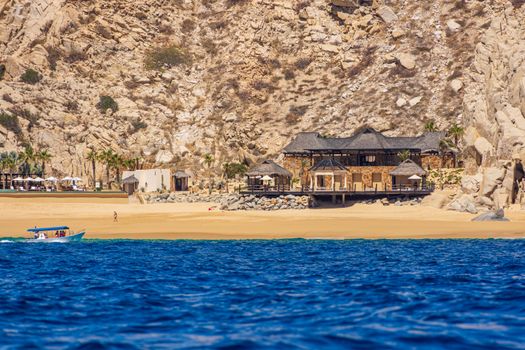
I stepped off the local passenger skiff onto the weathered wooden dock of Bacalar, and the first thing that hit me wasn’t the scent of salt water—it was the deep, resinous perfume of burning copal wood drifting from a beachfront construction site, mingling with the crisp smell of crushed limestone and achiote-marinated pork sizzling on a nearby street cart.
Around me, electric excavators operated in near-silent harmony with local carpenters shaping indigenous tzalam wood into open-air pavilions. A decade ago, this sleepy freshwater haven near Mexico’s southern border was barely a blip on international itineraries. Today, global hospitality brands are racing to break ground here, investing hundreds of millions in sustainable luxury.
For seasoned travelers, tracking hotel development pipelines isn't just corporate real estate jargon—it is the single most reliable cheat code for uncovering world-class travel destinations before they hit peak saturation. When major hospitality groups like Aman, Six Senses, Rosewood, and Marriott deploy capital into an emerging region, they aren't just building rooms. They are funding direct flight routes, Michelin-caliber dining concepts, high-speed rail links, and environmental preservation programs.
By targeting places with the highest hotel development rates, you land squarely in the "Goldilocks Zone" of travel: enjoying brand-new, cutting-edge design properties at early-adopter pricing, backed by raw, unsatiated natural and cultural landscapes. Here are the five global hotspots where rapid hotel development is translating into truly unforgettable travel experiences.
---
1. Ras Al Khaimah, UAE: The Gulf’s Eco-Thrill & Ultra-Luxury Frontier
While Dubai has long captured global headlines for ultra-glam megastructures, the northernmost emirate of Ras Al Khaimah (RAK) is quietly staging one of the most aggressive and strategically diverse hotel development booms in the Middle East. With over 8,000 new rooms entering its pipeline, RAK is pivoting away from high-rise density to focus on eco-luxury, desert wellness, and high-stakes entertainment.
```
[Dubai] ------ 45 min drive -------> [Ras Al Khaimah]
|
+-----------------------+--------------------+-----------------------+
| | |
[Wynn Marjan Island] [Jebel Jais Peaks] [Anantara Mina Al Arab]
(Gaming & Integrated) (Adventure & Ziplines) (Overwater Maldivian Villas)
```
The crown jewel of this expansion is the upcoming $3.9 billion Wynn Marjan Island, slated to house the region's first integrated gaming resort. But luxury boutique operators are already setting the baseline:
* Anantara Mina Al Arab recently introduced Maldivian-style overwater villas surrounded by protected mangrove lagoons.
* Sofitel Al Hamra Beach Resort brings French art-de-vivre design directly to RAK's coastline.
* Upcoming properties from JW Marriott and Nobu Hotel on Al Marjan Island promise to cement the area as a culinary epicenter.
Beyond the cranes, RAK delivers raw, dramatic topography. I spent an afternoon navigating the jagged, rust-colored wadis of Jebel Jais—the UAE's highest peak—where the cool mountain breeze carries the scent of wild thyme and sun-baked terracotta. Down in the valleys, traditional bedouin heritage thrives alongside world-record ziplines and terraced date-palm farms.
- Insider Detail: Skip the standard hotel buffets and head into the old town quarter for machboos—fragrant basmati rice cooked with whole dried limes, cardamoms, and tender, slow-braised mountain lamb.
- Pro-Tip: Book overwater suites at Anantara Mina Al Arab now, before the 2027 launch of Wynn Marjan Island drives average daily rates (ADR) up by an estimated 40–50% across the destination.
---
2. Bacalar, Mexico: The Riviera Maya’s Sustainable Eco-Boutique Renaissance
As Tulum grapples with overdevelopment, Bacalar—located three hours south in Quintana Roo—has become the premier destination for eco-conscious luxury developers. Known as the "Lagoon of Seven Colors" due to its crystalline, multi-hued freshwater channels fed by underground cenotes, Bacalar’s hotel pipeline is governed by strict low-impact environmental regulations.
```
+-------------------------------------------------------------------------+
| BACALAR DEVELOPMENT LANDSCAPE |
| |
| [Stromatolites Eco-Reserve] <--- (Strict No-Wake Zone) ---> [Lagoon] |
| |
| [Banyan Tree Veya] [Habitas Bacalar] [Six Senses] |
| (Bio-Design Villas) (Solar & Rammed-Earth) (Wellness Sanctuary)|
+-------------------------------------------------------------------------+
```
Global brands are redefining eco-hospitality here with stunning, low-density builds:
* Habitas Bacalar pioneered solar-powered, rammed-earth lagoon pavilions that leave zero carbon footprint.
* Banyan Tree Veya Bacalar and Six Senses Bacalar are introducing ultra-luxury sanctuaries focused on Mayan-inspired longevity treatments and hydrotherapy.
The architecture here respects the land. Think hand-carved sapodilla wood frames, open-weave palapa roofs, and endemic stone walkways cooled by subterranean breezes. The water itself is mesmerizing: transparent, warm, and shifting from brilliant turquoise to deep cobalt over living stromatolite reefs—earth's oldest living freshwater organisms.
- Insider Detail: Bacalar’s culinary scene shines at intimate spots like Nixtamal, where locally caught snook is seared over wood-fired embers and served on heirloom corn tortillas pressed by hand at your table.
- Pro-Tip: Rent a private solar-powered boat at 6:30 AM from the dock behind Calle 14. You will drift across the mirror-flat lagoon in complete silence before the public tours begin, watching sunrise light up Cenote Cocalitos.
---
3. AlUla & The Red Sea, Saudi Arabia: The World’s Most Ambitious Tourism Project
It is impossible to discuss global hotel development pipelines without featuring Saudi Arabia's Vision 2030 initiatives. With tens of billions of dollars allocated toward luxury infrastructure, regions like AlUla and The Red Sea Project represent the highest concentration of ultra-luxury hotel openings anywhere on Earth.
```
SAUDI ARABIA'S DUAL LUXURY FRONTIER
[AlUla: Ancient Heritage] [The Red Sea: Marine Eco-Resorts]
------------------------- ---------------------------------
• Hegra Nabataean Tombs • World's 4th Largest Barrier Reef
• Desert Rock (Built in cliff) • Shebara (Futuristic Stainless Orbs)
• Banyan Tree & Habitas • St. Regis & Ritz-Carlton Reserve
```
In AlUla, ancient Nabataean rock-cut tombs stand as silent witnesses to a staggering architectural movement:
* Habitas AlUla features 3D-printed eco-villas tucked seamlessly into red sandstone canyons.
* Banyan Tree AlUla offers tented suites inspired by nomadic architecture, complete with deep soaking tubs overlooking desert vistas.
* Desert Rock, built directly into the granite mountainside, will soon redefine subterranean architecture.
Simultaneously, The Red Sea Project is launching private island resorts powered 100% by renewable energy, including The St. Regis Red Sea Resort, Nujuma (A Ritz-Carlton Reserve), and Shebara, which features futuristic, mirror-finished stainless steel orb villas floating over untouched coral reefs.
The air in AlUla smells of dry cedar, frankincense smoke, and cardamom-infused Arabic coffee served alongside fresh, gooey Sukari dates. It feels like stepping onto another planet—one where ancient history and sci-fi hospitality coexist seamlessly.
- Insider Detail: The star-gazing at Gharameel is unearthly. Without light pollution, the Milky Way shines brightly above natural sandstone monoliths. Local bedouin guides serve hot sage tea brewed over acacia wood coals while narrating ancient trade-route folklore.
- Pro-Tip: Reserve your entry pass for Hegra (Saudi Arabia's first UNESCO World Heritage site) for the late afternoon slot. As the sun drops, the sandstone facades of the tombs change from dusty gold to brilliant crimson, and day-tripper crowds dissipate.
---
4. Luštica Peninsula & Bay of Kotor, Montenegro: Europe’s New Riviera
For decades, the French Riviera and Amalfi Coast have dominated Mediterranean summer travel. However, Montenegro’s Bay of Kotor and the adjacent Luštica Peninsula are experiencing a massive luxury boom, backed by regional investment and maritime infrastructure expansion.
```
+--------------------------------------------------------------------------+
| MONTENEGRO COASTAL PIPELINE |
| |
| [Luštica Bay] --------------> [Porto Montenegro] ------> [Portonovi] |
| • The Chedi • Regent Hotel • One&Only |
| • Upcoming Ritz-Carlton • Superyacht Marina • Chenot Spa |
+--------------------------------------------------------------------------+
```
With mega-marinas replacing legacy naval yards, world-renowned hotel groups are constructing high-density coastal retreats:
* One&Only Portonovi brought the brand’s first European resort to the region, complete with a state-of-the-art Chenot Espace wellness center.
* The Chedi Luštica Bay anchored a brand-new coastal town featuring eco-conscious stone architecture and private pebble beaches.
* Upcoming developments from Ritz-Carlton and Kerzner International are positioning the Luštica Peninsula as Europe's premier private residential enclave.
The experience here feels effortlessly romantic. Venetian-era stone palazzos drop abruptly into deep blue fjord waters. The scent of salt air blends with wild pine, cypress resin, and garlic-seared squid wafting from waterfront konobas (traditional taverns).
- Insider Detail: Order njeguški pršut (dry-cured mountain ham) paired with local Vranac red wine at an authentic family-run konoba in the hillside village of Rose.
- Pro-Tip: Avoid coastal traffic jams along the narrow E65 road by taking water taxis between Porto Montenegro, Portonovi, and Kotor Old Town—it is faster, remarkably affordable, and offers breathtaking views of the fjord walls.
---
5. Niseko & Hokkaido, Japan: The Alpine & Year-Round Wellness Haven
Long famous among ski purists for its fluffy powder snow ("Japow"), Niseko on Japan's northern island of Hokkaido is undergoing a transformational shift. Fueled by massive international hotel development, Niseko is evolving from a winter ski hub into an ultra-luxurious, year-round mountain wellness destination.
```
+-------------------------------------------------------------------------+
| NISEKO PIPELINE ECOSYSTEM |
| |
| [Mount Yotei Views] <----> [Mineral Onsen Waters] <----> [Gastronomy] |
| |
| • Park Hyatt Hanazono • Muwa Niseko • Aman Niseko |
| • Capella Niseko • Setsu Niseko • Higashiyama |
+-------------------------------------------------------------------------+
```
The scale of international development in Niseko is unmatched in East Asia:
* Park Hyatt Niseko Hanazono set a high bar with private in-suite onsen (thermal baths) and multi-course omakase dining.
* Higashiyama Niseko Village (a Ritz-Carlton Reserve) offers secluded ski-in/ski-out luxury facing the iconic volcanic cone of Mount Yotei.
* The upcoming Aman Niseko and Capella Niseko promise to turn the off-peak summer and autumn months into high-demand seasons focused on forest bathing, hiking, and culinary arts.
In summer, the heavy snow melts to reveal lush green hillsides covered in mountain wildflowers and rich volcanic soil that yields Japan's finest produce. The air smells of crisp mountain cedar, steaming mineral spring water, and charcoal-grilled Wagyu beef.
- Insider Detail: Visit local soba shops in Kutchan town that make buckwheat noodles entirely by hand using snow-melt spring water. The texture and delicate nutty flavor are unlike anything found in major cities.
- Pro-Tip: Travel to Niseko during the "Green Season" (July to September). Room rates at top 5-star luxury resorts drop by up to 60% compared to winter, hiking trails are uncrowded, and Hokkaido’s legendary melon and dairy harvests are at their peak.
---
Quick Facts & Destination Comparison
| Destination | Best Time to Visit | Est. Luxury Nightly Rate ($) | Primary Airport Gateway | Top Highlight |
| :--- | :--- | :--- | :--- | :--- |
| Ras Al Khaimah, UAE | Oct – April | $250 – $800 | Dubai Int’l (DXB) / RAK Int’l | Jebel Jais peaks & overwater villas |
| Bacalar, Mexico | Nov – April | $200 – $650 | Chetumal (CTM) / Tulum (TQO) | Seven-color freshwater lagoon |
| AlUla, Saudi Arabia | Oct – March | $600 – $1,800 | AlUla Int'l (ULH) | Ancient Nabataean rock tombs |
| Luštica / Kotor, Montenegro | May – Oct | $350 – $1,200 | Tivat (TIV) / Dubrovnik (DBV) | Fjord-like bay & Venetian towns |
| Niseko, Japan | Dec–Mar (Ski) / Jul–Sep (Hiking) | $300 – $1,400 | Sapporo New Chitose (CTS) | Volcanic onsens & fine dining |
---
How to Capitalize on the Hotel Pipeline Sweet Spot
Traveling to high-growth destinations requires strategic timing. To get the absolute best out of places experiencing high hotel development rates, follow this simple blueprint:
- The Soft-Opening Window: Target luxury hotels 1 to 3 months after their initial soft opening. During this phase, room rates are often discounted by 20–30% while the staff fine-tunes service, and occupancy remains low enough to score generous room upgrades.
- Infrastructure Lag: Book your trip before high-speed transit connections or major direct flight routes open. For example, visiting Bacalar shortly after the full operation of the Tren Maya rail line allows you to enjoy early-stage tranquility before foot traffic peaks.
- Loyalty Program Redemptions: Multi-national hotel brands (Marriott, Hyatt, IHG) often introduce brand-new luxury properties in emerging markets at lower redemption tiers before recalibrating them upward as the market matures.
When heavy institutional capital flows into stunning corners of the world, it opens doors for extraordinary travel experiences. By jumping on these hotel development trends today, you get to experience tomorrow's world-famous luxury destinations on your own terms.
---