The Night the Walls Dissolved
I stepped off the overnight train in Oaxaca City, my senses immediately assaulted by the scent of charred pasilla chilies and the rhythmic thwack-thwack of hands shaping masa. But as I climbed the narrow, crumbling stone stairs of a nondescript building near the Templo de Santo Domingo, the world opened up. I wasn't just at a restaurant; I was suspended in a purple-hued twilight, the city’s colonial spires glowing beneath me.
The air was thick with the smell of roasting agave and damp earth. This wasn't "patio seating." This was a deliberate architectural choice to merge the plate with the planet. This is the outdoor dining revolutionizing food scenes worth considering, and it’s changing how we experience culture, one open-air bite at a time.
For decades, outdoor dining was a plastic chair on a sidewalk or a cramped balcony. Not anymore. Today, the world's most innovative chefs are ditching the four-walled "temple of fine dining" for environments that breathe. We are seeing a seismic shift toward "Contextual Gastronomy"—where the environment is as vital an ingredient as the salt.
---
1. The Rooftop Renaissance: Oaxaca City, Mexico
In Oaxaca, the revolution is vertical. The city has moved its culinary soul to the terrazas.
At Levadura de Olla, Chef Thalía Barrios García doesn't just serve heirloom tomatoes; she serves them under the vast Oaxacan sky, where the wind carries the dust of the surrounding mountains. The "revolution" here is the reclamation of space. By moving diners to the roof, restaurants are bypassing the noise of the street while staying tethered to the city’s heartbeat.
- The Vibe: Sophisticated rustic. Think hand-thrown ceramics and mezcal cocktails that taste like smoke and honey.
- Pro-Tip: Don't just order the mole. Ask for the "Ancestral Tomato Salad." Visit at 5:30 PM to catch the "Golden Hour" light hitting the limestone cathedrals.
2. The Industrial Oasis: Berlin’s Holzmarkt25
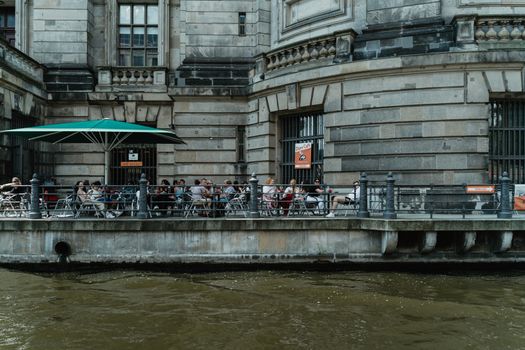
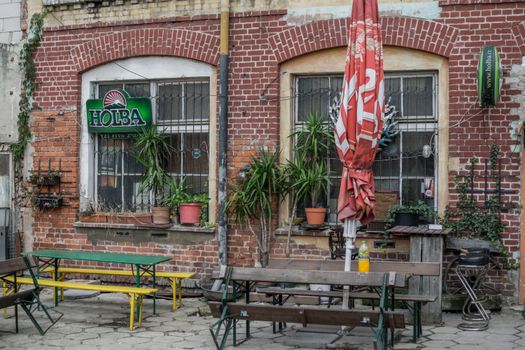
Berlin has always been the king of "urban grit," but the way they’ve integrated outdoor dining into the Spree riverbank is nothing short of a masterclass in urban planning. Holzmarkt25 isn't a restaurant; it’s a village built from reclaimed timber and radical imagination.
Here, outdoor dining means sitting on a wooden pier, eating sourdough pizza from a wood-fired oven while a DJ spins ambient techno from a repurposed shipping container. It’s messy, it’s vibrant, and it’s completely outdoors. It proves that luxury isn't about white tablecloths; it's about the freedom of space.
- The Vibe: Post-apocalyptic chic meets community garden.
- Pro-Tip: The hidden entrance is a small graffiti-covered gate near the Lichtenberg bridge. Look for the spinning disco ball hanging from a tree.
3. The Vertical Jungle: Singapore’s "Garden-to-Plate"
Singapore is the "City in a Garden," and its food scene is evolving to match. While the world knows the "Supertrees," the real revolution is happening at places like Open Farm Community in Dempsey Hill.
They’ve dismantled the barrier between the farm and the table. You dine amidst rows of Thai basil and lemongrass. The humidity is tempered by massive, silent fans and the shade of jackfruit trees. This is outdoor dining as an ecological statement. You aren't just eating in nature; you're eating within the supply chain.
- The Insider Language: This is "Edible Landscaping." Every plant you see is likely on the menu.
- Pro-Tip: Order the fermented cassava flatbread. It’s a funk-heavy masterpiece that pairs perfectly with the tropical air.
4. The Canal-Side Alchemy: Bangkok’s Hidden Klongs
Forget the tourist traps of Sukhumvit. The real outdoor dining revolution in Bangkok is happening along the klongs (canals) in neighborhoods like Phra Khanong.
Chann Sorn
is a prime example. Located in a traditional wooden house overhanging the water, you eat as long-tail boats zip past, sending a cool spray into the air. The menu focuses on "Old World" Thai recipes—dishes that require the humidity and the scent of the river to truly taste "right." It’s immersive, loud, and smells of fermented shrimp paste and jasmine—the true scent of Bangkok.
- The Vibe: High-energy, authentic, and unapologetically humid.
- Pro-Tip: Arrive via water taxi for the full experience. The "hidden" walkway to the restaurant is behind a small spirit shrine draped in marigolds.
5. The Desert Mirage: AlUla, Saudi Arabia
In the canyons of AlUla, outdoor dining has become a high-art installation. At Saffron, diners sit in the shadows of 2,000-year-old sandstone cliffs.
This isn't just "eating outside"; it's "Geological Dining." The temperature drops rapidly as the sun sets, and the restaurant provides plush, camel-hair blankets. The revolution here is the use of silence and scale. In a world of noisy bistros, eating under a billion stars in a desert canyon is the ultimate luxury.
- The Vibe: Silent, majestic, and incredibly expensive.
- Pro-Tip: Book the "Stargazing Dinner" during a new moon. The lack of light pollution turns the sky into a literal ceiling of diamonds.
---
Quick Facts: Logistics & Budget
| Location | Estimated Cost (USD) | Best Time to Visit | How to Get There |
| :--- | :--- | :--- | :--- |
| Oaxaca, Mexico | $30 - $60 | Nov - March (Dry season) | Fly into OAX, 20-min taxi to Centro. |
| Berlin, Germany | $15 - $40 | June - August | S-Bahn to Jannowitzbrücke station. |
| Singapore | $50 - $100 | Year-round (Evening) | Grab car to Dempsey Hill. |
| Bangkok, Thailand | $20 - $50 | Nov - Feb | Water taxi to Phra Khanong pier. |
| AlUla, Saudi Arabia | $150+ | Oct - April | Fly to ULH, private resort shuttle. |
---
Why This Matters: The "Al Fresco" Psychology
Why are we so obsessed with this? Because outdoor dining triggers a different part of the human brain. When we eat outside, our cortisol levels drop. The "Outdoor dining revolutionizing food scenes worth considering" isn't just about aesthetics; it's about biophilia—our innate need to connect with nature.
The most successful restaurants in 2024 are those that understand we are tired of "boxes." We want the wind in our hair, the smell of the city (or the forest), and the feeling of being part of a living, breathing world.
Pro-Tips for the Savvy Traveler:
1. The "Golden Hour" Rule: Always book your table 30 minutes before sunset. You get two different atmospheres for the price of one.
2. The Wind Factor: High-altitude outdoor dining (like in La Paz or Quito) can get chilly. Always carry a high-quality pashmina or a packable down vest.
3. Reservations: These "viral" outdoor spots book up months in advance. Use apps like Resy or OpenTable, but also check the restaurant's Instagram bio for "hidden" WhatsApp booking numbers.
---