The Dawn of the "Impact Week"
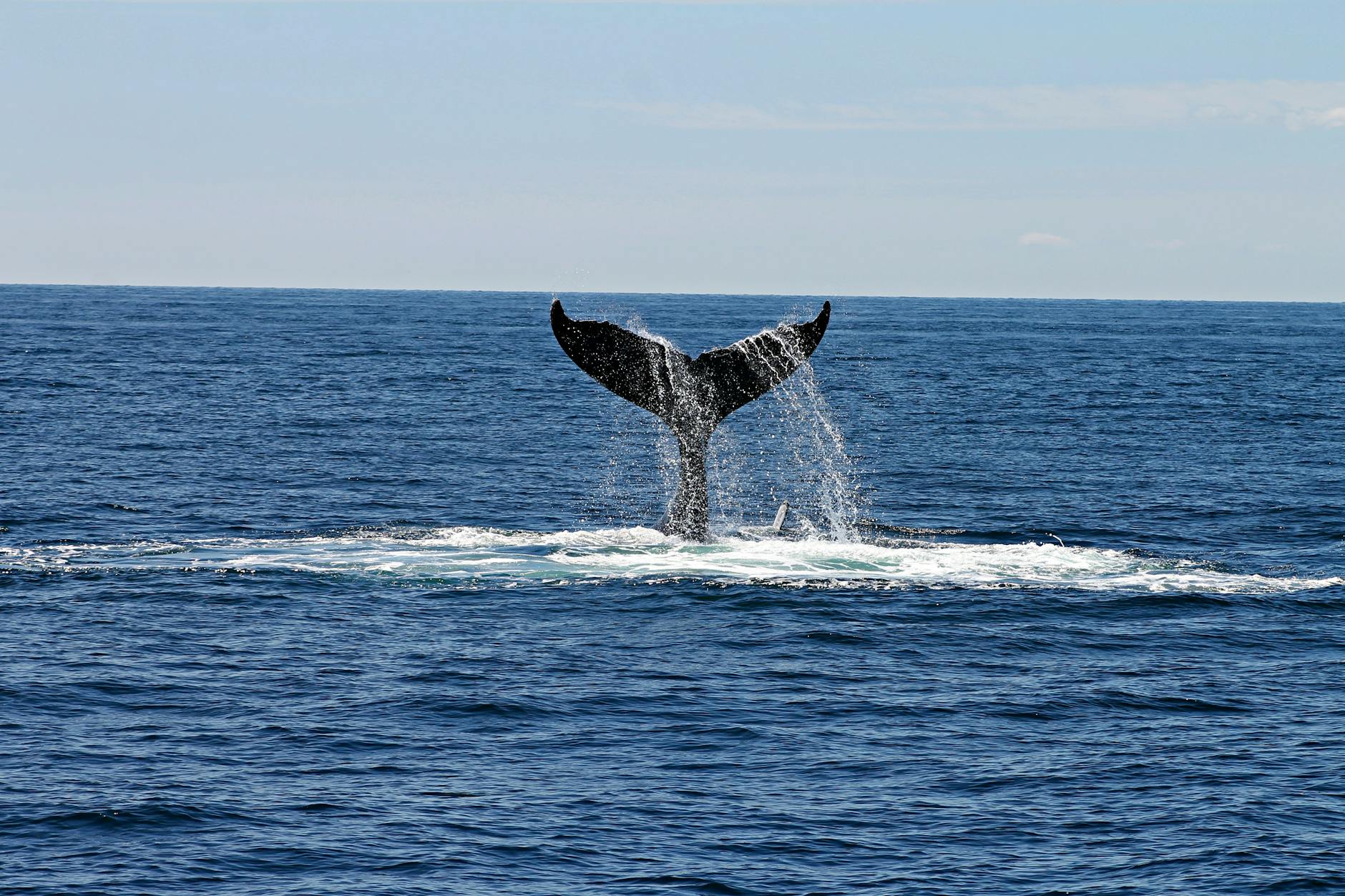
The salt air didn't just smell like the ocean; it smelled like cold iron and crushed kelp. I was standing on a jagged basalt outcrop in the Azores, the wind whipping my hair into a frenzy, holding a waterproof tablet that beeped rhythmically. To my left, a marine biologist from the University of the Azores was pointing at a shadow in the water. "That’s not just a whale," she shouted over the roar of the Atlantic. "That’s a data point that determines the migratory safety zone for the entire archipelago."
In that moment, the typical "cocktail by the pool" vacation felt like a relic of a boring past.
For years, "voluntourism" earned a bad rap—and rightfully so. It was often more about the traveler's ego than the community's needs. But a new wave of conservation projects accepting short-term visitors emerging this year has flipped the script. These are high-authority, scientifically-led initiatives that realize busy professionals have two things to offer: significant funding and a high capacity for learning complex tasks quickly.
If you have five days and a desire to get your fingernails dirty for the sake of the planet, these five emerging projects are your 2024 shortlist.
---
1. The Blue Carbon Initiative: Seagrass Restoration in the Azores
While everyone else is looking at the whales, the real heroes of the Azores are underwater meadows. Seagrass sequesters carbon 35 times faster than tropical rainforests, and this year, a groundbreaking project is allowing "citizen scientists" to help map and replant these vital ecosystems.
The Experience:
You’ll spend your mornings diving (or snorkeling) in the crystal-clear waters of the Faial-Pico channel. You aren't just looking at fish; you’re using specialized suction tools to collect seeds and GPS-tagging degraded patches of the seafloor.
The Insider Detail:
The project headquarters is located in a repurposed whaling station. The irony isn't lost on the locals—a place that once processed giants of the deep is now the nerve center for saving the ocean's lungs.
- Pro-Tip: Book your slot for late June. The "Azores High" pressure system kicks in, ensuring the calmest waters and the highest visibility for underwater mapping.
- The Hidden Entrance: The best post-dive gin and tonic isn't at the hotel; it’s at Peter Café Sport in Horta. Look for the door covered in thousands of yachting stickers—it’s the unofficial consulate for ocean lovers.
---
2. Tracking the "Ghost of the Andes": Spectacled Bear Monitoring, Ecuador
In the high-altitude cloud forests of the Chocó-Andean Corridor, a new project is emerging to protect the only bear species in South America. This isn't a zoo. This is rugged, misty, and profoundly moving.
The Experience:
You’ll join researchers from the Maquipucuna Foundation to check camera traps and document the feeding patterns of the Spectacled Bear. This year, they’ve introduced a "Short-Term Specialist" track specifically for travelers who can only commit to 4 days. You’ll be hiking through primary forest that smells of wild orchids and damp earth, looking for the "nests" these bears build high in the canopy.
The Logistics:
You’ll stay at an eco-lodge that is essentially a glass box perched over the canopy. At night, the sound of the forest is a deafening symphony of frogs and nocturnal birds.
- Pro-Tip: Bring high-quality gaiters. The Andean mud is legendary and will claim a low-top hiking shoe in seconds.
- The "Insider" Language: Don't call them Spectacled Bears in front of the guides; use the indigenous term, Ukumari. It commands instant respect from the local rangers.
---
3. Coral Gardening 2.0: The Biorock Revolution, Maldives
Forget the overwater bungalows for a second. In the North Malé Atoll, a new reef restoration project is using Biorock technology—low-voltage electrical currents that accelerate coral growth by up to 400%.
The Experience:
Short-term visitors are trained in "coral gardening." You’ll spend your afternoons submerged, delicately ziptying resilient coral fragments onto electrified steel frames. It’s meditative, quiet, and yields visible results in just a few days. By the time you leave, your "assigned" coral cluster will already be showing signs of calcification.
The Data:
The project aims to restore 2 hectares of reef by the end of the year. Your contribution isn't just labor; your "participation fee" directly funds the solar arrays that power the Biorock frames.
- Quick Fact: The best time to visit is March, when the manta ray migrations pass directly through the restoration sites.
- Pro-Tip: Ask for "The Back Reef" excursion. Most tourists stay on the house reef, but the back reef is where the researchers test the most experimental coral strains.
---
4. Rewilding the Highlands: The Affric Highlands Project, Scotland
Rewilding is the biggest buzzword in European conservation right now. In the shadow of Loch Ness, a massive 30-year initiative is underway to return the Scottish Highlands to their original, forested glory.
The Experience:
This is "boots on the ground" conservation. You’ll be planting native Scots Pine, Birch, and Rowan trees, or helping to monitor the return of the European Wildcat. It’s chilly, damp, and incredibly rewarding. The scent of peat smoke and pine needles follows you everywhere.
The Authenticity:
You’re not staying in a sterile hotel. You’re staying in a converted stone bothy, drinking local Highland whisky by a roaring fire after a day of physical labor.
- The Budget: This is one of the most accessible projects, with 3-day "Impact Breaks" starting at around $450, including basic board.
- How to Get There: Take the sleeper train from London to Inverness. It’s the most carbon-efficient way to arrive, and waking up to the mist over the moors is the perfect psychological transition.
---
5. Desert Elephant Conservation: EHRA Emerging Tracks, Namibia
In the Kunene Region of Namibia, elephants have adapted to the harsh desert environment. But as human settlements expand, conflict is inevitable. This project focuses on building protective walls around community water points so humans and elephants can coexist.
The Experience:
This is the most "hardcore" of the conservation projects accepting short-term visitors emerging this year. You’ll be living in a mobile camp, sleeping under the brightest stars you’ve ever seen. Your days are spent hauling rocks (it’s a workout!) and tracking elephant herds to monitor their health.
The Detail:
The silence of the Namib Desert is absolute. When a 6-ton bull elephant walks past your vehicle, you don't hear footsteps; you hear the faint rustle of sand and the deep, sub-sonic rumble of his communication.
- Pro-Tip: Invest in a high-quality "shemagh" or desert scarf. The wind in the Damaraland region can whip up fine dust that gets into everything.
- Hidden Gem: On the drive in, stop at the small craft market near Uis. Ask for the "Brandberg Amethyst"—it’s locally mined and far cheaper than in Windhoek.
---
Quick Facts: Logistics & Budget
| Project Location | Focus | Estimated Cost (USD) | Best Time to Visit | Difficulty |
| :--- | :--- | :--- | :--- | :--- |
| Azores, Portugal | Marine/Seagrass | $1,200 (incl. dives) | June - August | Moderate |
| Chocó, Ecuador | Spectacled Bears | $800 (4 days) | July - September | High (Altitude) |
| North Malé, Maldives | Coral Biorock | $1,500 (luxury eco) | Jan - April | Low |
| Highlands, Scotland | Reforestation | $450 (3 days) | May or September | Moderate |
| Kunene, Namibia | Desert Elephants | $950 (1 week) | May - October | High (Physical) |
---
Why This Matters Now
We are moving past the era of "sustainable travel" (doing less harm) and into the era of "Regenerative Travel" (doing more good). These projects are the vanguard. They aren't looking for "volunteers" to hold their hands; they are looking for partners to help accelerate the healing of the planet.
When you return home, you won't just have a tan or a suitcase full of souvenirs. You’ll have a GPS coordinate in the Atlantic where a seagrass meadow is breathing because of you. You’ll have a photo of a bear that is being tracked because you helped set the trap.
That is the ultimate luxury.