The Hook: A Tale of Two Sunsets
I stepped off the train in Valencia and immediately braced myself for the "Las Ramblas Shuffle"—that defensive, elbows-out walk you need to survive Barcelona’s Gothic Quarter. But it never happened. Instead, I was hit by the scent of toasted saffron and salt air blowing off the Mediterranean. I walked into a 19th-century market hall where the stained glass cast kaleidoscopic patterns over piles of tiger nuts and fresh eels. No selfie sticks. No "I Heart BCN" t-shirts. Just the low hum of locals arguing over the best rice for a proper paella valenciana.
In that moment, I realized the "Barcelona dream" hasn't died; it’s just moved. Travelers are tired of being treated like walking ATMs. We want the grit, the glamour, and the Gaudí-esque ambition, but we want it with a side of authenticity.
Here are the seven underrated cities becoming the next Barcelona emerging this year.
---
1. Valencia, Spain: The Heir Apparent
If Barcelona is the sophisticated older sister, Valencia is the cool, tech-savvy younger brother who knows how to throw a better party. It has the same ingredients: a world-class beach, a historic core, and mind-bending architecture.
The Vibe:
It’s a city of contrasts. You have the Ciutat de les Arts i les Ciències, a sci-fi complex designed by Santiago Calatrava that makes the Sagrada Família look traditional. Then, you have the Barrio del Carmen, a labyrinth of street art and jazz clubs.
Why it’s the "Next Barcelona":
It’s the birthplace of paella, has a 9-kilometer park (the Turia) running through its center in a diverted riverbed, and is significantly more affordable.
- Pro-Tip: Don't buy paella on the main square. Head to Casa Carmela near the beach. They still cook over orange wood fires. You must book three days in advance; tell them you want the socarrat (the crispy burnt rice at the bottom).
---
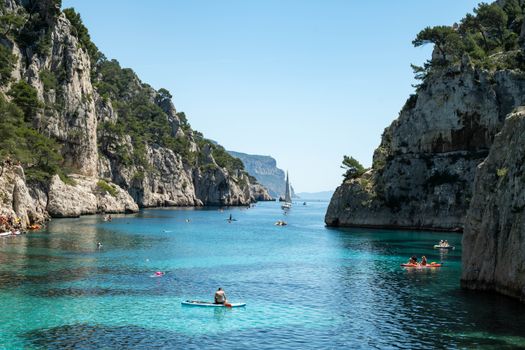
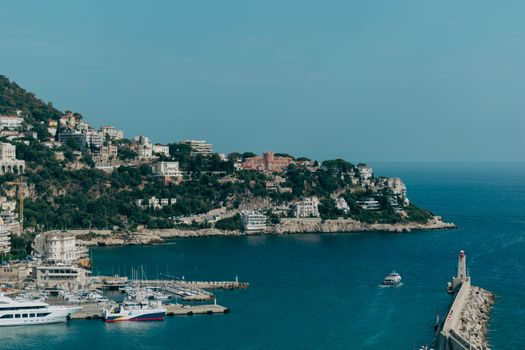
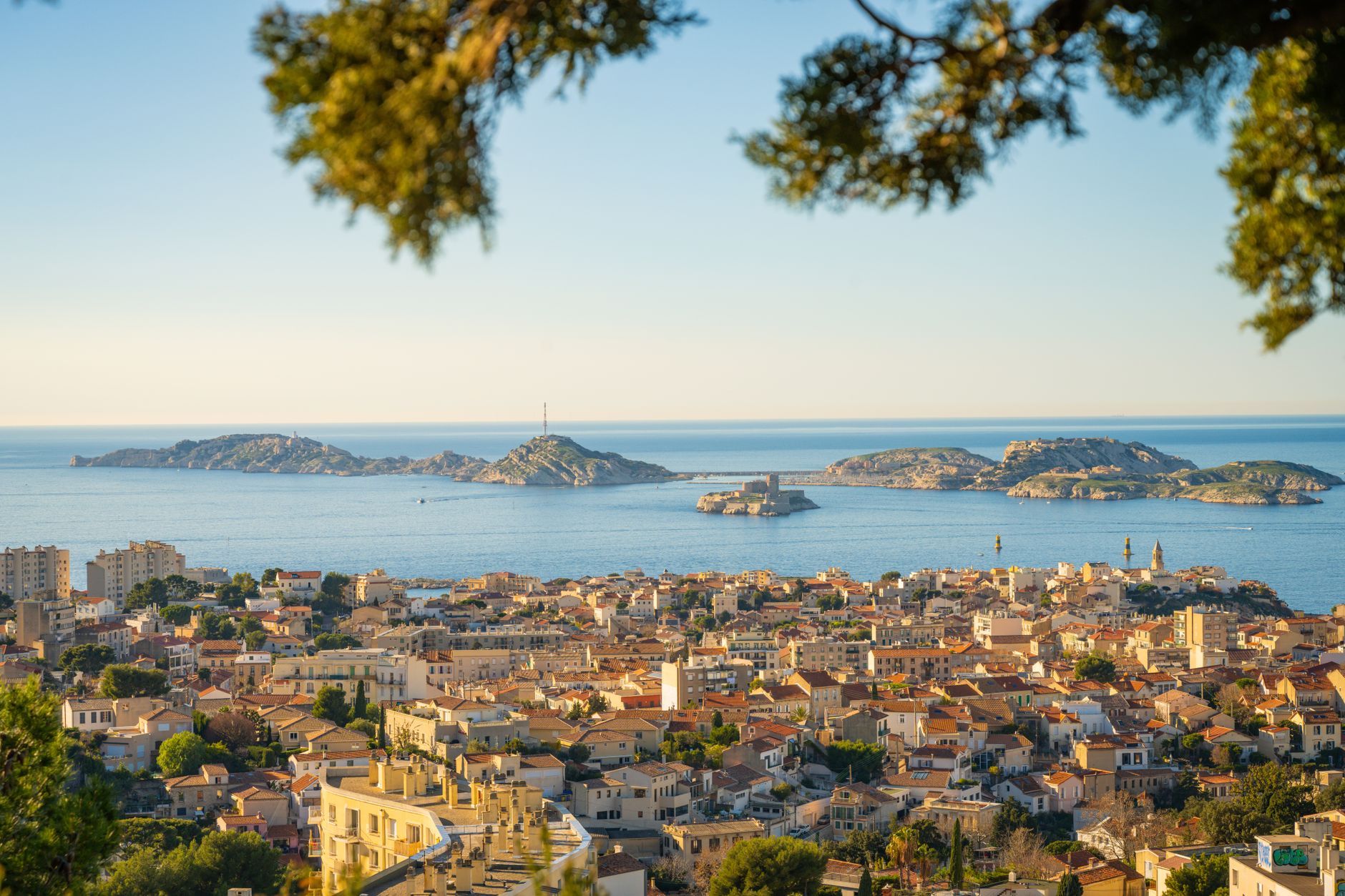
2. Marseille, France: The Gritty Mediterranean Soul
For years, Marseille was the "dangerous" port city people skipped for the polished streets of Nice. Not anymore. Marseille is currently undergoing a cultural Renaissance that mirrors Barcelona’s pre-Olympic transformation.
The Vibe:
Raw, salty, and unapologetically multicultural. The Le Panier district feels like a more vertical, colorful version of El Born. The Mucem museum, with its intricate concrete lattice, provides that "architectural icon" fix.
Why it’s the "Next Barcelona":
It’s a melting pot. The fusion of North African spice markets and French chic creates a culinary scene that is currently the most exciting in Europe.
- Pro-Tip: Skip the overpriced bouillabaisse at the Vieux Port. Take the #83 bus to Vallon des Auffes, a tiny fishing village tucked under a bridge. Eat at Chez Fonfon for the real deal, then jump off the rocks into the sea with the local kids.
---
3. Thessaloniki, Greece: The Culinary Powerhouse
Thessaloniki is Greece’s "Second City," but it’s first in terms of nightlife and gastronomy. Much like Barcelona, it’s a waterfront city defined by a long, walkable promenade and a massive student population that keeps the energy high until 4 AM.
The Vibe:
Byzantine walls meet modern waterfront bars. The Ladadika district is a pedestrianized zone of old warehouses turned into tavernas that rival any tapas bar in Spain.
Why it’s the "Next Barcelona":
It was recently named a UNESCO City of Gastronomy. The "meze" culture here is the Greek answer to the Catalan tapas crawl.
- Pro-Tip: The best view isn't from the White Tower (too many tourists). Hike up to the Ano Poli (Upper Town) at sunset. Find a tiny spot called To Toichaki tucked against the old city walls for a carafe of local Malagousia wine.
---
4. Palermo, Sicily: The Beautiful Chaos
If you love the Gothic Quarter’s narrow alleys but hate the polished "theme park" feel, Palermo is your sanctuary. It is decaying, opulent, chaotic, and utterly addictive.
The Vibe:
Arab-Norman architecture that looks like a fever dream. The street markets (Ballarò and Il Capo) are sensory overloads of shouting vendors, smell of fried chickpea fritters (panelle), and hanging swordfish heads.
Why it’s the "Next Barcelona":
It’s the ultimate "street food" city. While Barcelona has La Boqueria, Palermo is a market. It’s also the gateway to some of the best urban beaches in Italy (Mondello).
- Pro-Tip: Look for the "blue door" near the Church of San Cataldo. It leads to a hidden rooftop terrace where you can see the city’s twelve domes illuminated at night.
---
5. Porto, Portugal: The Artistic Rival
While Lisbon gets the headlines, Porto has the soul. Built into the steep hills overlooking the Douro River, it offers the same dramatic topography and artistic flair as Barcelona’s Montjuïc.
The Vibe:
Melancholic but vibrant. The Ribeira district is a UNESCO site that feels like a living museum. The city is obsessed with design—from the Serralves Museum to the tiled facades of every neighborhood grocery store.
Why it’s the "Next Barcelona":
It’s a city of neighborhoods. Each "freguesia" has its own identity. It’s also the world capital of Port wine, offering a sophisticated drinking culture that rivals the Cava bars of Poble-sec.
- Pro-Tip: Everyone queues for hours for the Livraria Lello bookstore. Skip it. Go to the Livraria Chardron instead, or better yet, head to the Jardins do Palácio de Cristal for a picnic with roaming peacocks and a view of the Atlantic.
---
6. Bordeaux, France: The Refined Coastal Alternative
Bordeaux used to be "Sleeping Beauty," but she’s wide awake now. After a massive cleanup of its limestone facades and the installation of a world-class tram system, it has become the "Barcelona of the North."
The Vibe:
Elegant, river-focused, and obsessed with the good life. The Miroir d’eau (the world’s largest reflecting pool) provides that iconic public space vibe that Plaça de Catalunya used to have.
Why it’s the "Next Barcelona":
The Darwin Ecosystem—a repurposed military barracks—is the coolest creative hub in Europe, featuring skate parks, organic bistros, and street art that rivals Barcelona’s Poblenou.
- Pro-Tip: Rent a bike and cycle across the Pont de Pierre at dusk. The city lights reflecting in the Garonne River are better than any postcard. For dinner, head to Marché des Capucins and eat oysters with white wine for breakfast.
---
7. Gdańsk, Poland: The Wildcard
You didn’t expect the Baltic, did you? But Gdańsk is emerging as a major alternative for those who love Barcelona’s maritime history and quirky architecture.
The Vibe:
Hanseatic brick Gothic meets a burgeoning craft beer and "milk bar" scene. The Mariacka Street is arguably the most beautiful street in Europe, famous for its amber shops and gargoyle rainspouts.
Why it’s the "Next Barcelona":
It’s a seaside city with a massive shipyard-turned-cultural-center (The Imperial Shipyard) that feels exactly like the industrial-chic transformation of Barcelona’s El Raval.
- Pro-Tip: Take the water tram to Westerplatte for the history, but spend your evening in the Dolne Miasto district. It’s the "undiscovered" part of town where the best local breweries are hidden in old tram depots.
---
Quick Facts: The Logistics of the "Next Barcelonas"
| City | Est. Daily Budget ($) | Best Time to Visit | Vibe Match |
| :--- | :--- | :--- | :--- |
| Valencia | $80 - $120 | March (Las Fallas) or Sept | 95% (The Twin) |
| Marseille | $90 - $130 | May - June | 85% (The Gritty Cousin) |
| Thessaloniki | $60 - $90 | September - October | 80% (The Foodie Hero) |
| Palermo | $50 - $85 | April - May | 75% (The Gothic Soul) |
| Porto | $85 - $125 | June (Sao Joao Festival) | 90% (The Artistic Rival) |
| Bordeaux | $110 - $160 | September (Harvest) | 70% (The Sophisticate) |
| Gdańsk | $45 - $75 | July - August | 60% (The Wildcard) |
---
The Verdict: Why Move On?
Barcelona will always be iconic. But travel in 2024 is about finding the feeling of a place before it becomes a postcard of itself. Whether it’s the orange-scented streets of Valencia or the salt-crusted docks of Marseille, these cities offer the spontaneity that overtourism has stripped from the Catalan capital.
The next Barcelona isn't a city you've seen a thousand times on your TikTok feed. It's the one where you can still find a seat at the bar, a local who wants to talk, and a sunset that doesn't require a ticket.
---