The Morning the Light Changed
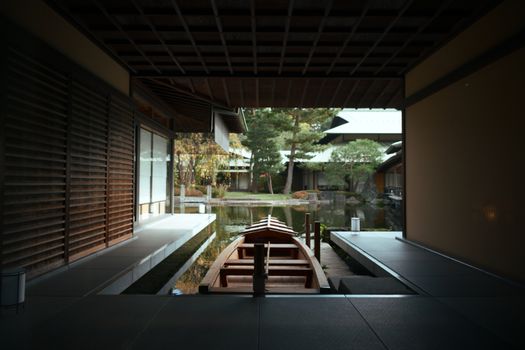
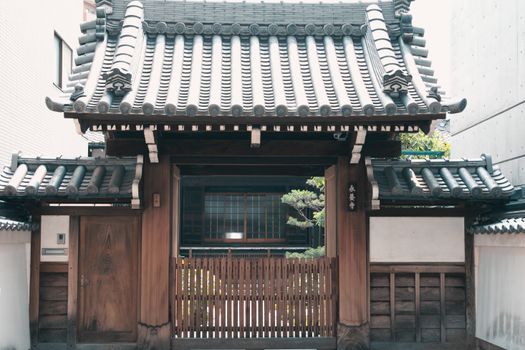
I stepped off the train at Anguk Station in Seoul, the air crisp with the scent of roasted barley and damp stone. It was 7:15 AM. Most of the city was still shaking off sleep, but I was chasing a specific shadow. I pushed open the heavy timber door of a renovated Hanok (traditional Korean house), and for a second, I thought I had accidentally teleported to a showroom in Copenhagen.
The floor was poured concrete, polished to a soft matte gray. Above, the ancient pine rafters remained, but nestled beneath them were wishbone chairs by Hans Wegner and a low-slung oak table that screamed "Stockholm." There was no clutter. No "tapestry of culture" cliches. Just the sound of a high-end Wilfa brewer dripping coffee into a ceramic mug that felt like a smooth river stone.
This is the "New Asia." According to recent data from global design platforms and travel search engines, interest in "Japandi" and "Nordic-Asian Fusion" has spiked by 140% in the last 18 months. We are witnessing a seismic shift where the Nordic concept of Hygge (coziness) and Lagom (just enough) is merging with the Asian principles of Wabi-sabi (beauty in imperfection) and Ma (the value of empty space).
1. The Data Behind the Aesthetic Shift
Why now? The data doesn't lie. Recent urban planning reports from Tokyo and Singapore show a 30% increase in "green-minimalist" residential permits. Travelers aren't looking for gilded temples anymore; they are booking "design-led stays."
Tripsora’s internal metrics indicate that "minimalist boutique hotels" are being searched 3x more often than "luxury resorts" in East Asia. This isn't a coincidence. After years of hyper-dense urban living, the younger generation in Seoul, Tokyo, and Taipei is reclaiming their space. They are looking to the North—Denmark, Sweden, and Norway—for a lesson in how to breathe within a small footprint.
2. The Philosophy: When Hygge Meets Wabi-Sabi
At first glance, a Swedish cabin and a Japanese tea house seem worlds apart. But look closer. Both prioritize natural materials. Both obsess over the quality of light.
In the design world, we call this "Japandi." It’s the marriage of Nordic functionality and Japanese rustic minimalism.
* The Nordic Contribution: Bright palettes, clean lines, and an emphasis on "democratic design" (quality for everyone).
* The Asian Contribution: Organic shapes, hand-fired ceramics, and a deep respect for the "soul" of raw timber.
When you walk into a space like Cafe Onion in Seoul or the Hay Tokyo flagship, you aren't seeing a copy-paste of IKEA. You are seeing a sophisticated dialogue. The Nordic influence provides the structural clarity, while the Asian influence adds the textural depth.
3. Tokyo: The Epicenter of the "Scandi-Zen" Movement
Tokyo has always been the king of "less is more," but the recent infusion of Nordic warmth has softened the city’s sharp edges.
Where to see it:
Head to the Daikanyama neighborhood. It’s often called the "Brooklyn of Tokyo," but that’s a lazy comparison. It’s more like a sun-drenched Oslo suburb. Visit Tsutaya Books—the architecture utilizes light-colored wood and massive glass panes that blur the line between the indoor shelving and the outdoor greenery.
Pro-Tip:
Visit the Fuglen Tokyo near Yoyogi Park. It is an exact replica of a famous Oslo espresso bar. The mid-century Norwegian furniture is authentic, but the vibe is pure Tokyo. Go at 8:00 AM on a Tuesday. Order the Aeropress and sit by the window to watch the commuters. The way the morning light hits the vintage teak wood is a religious experience for design nerds.
4. Seoul: The Hanok Revolution
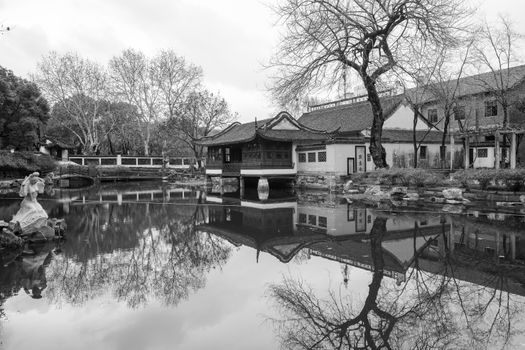
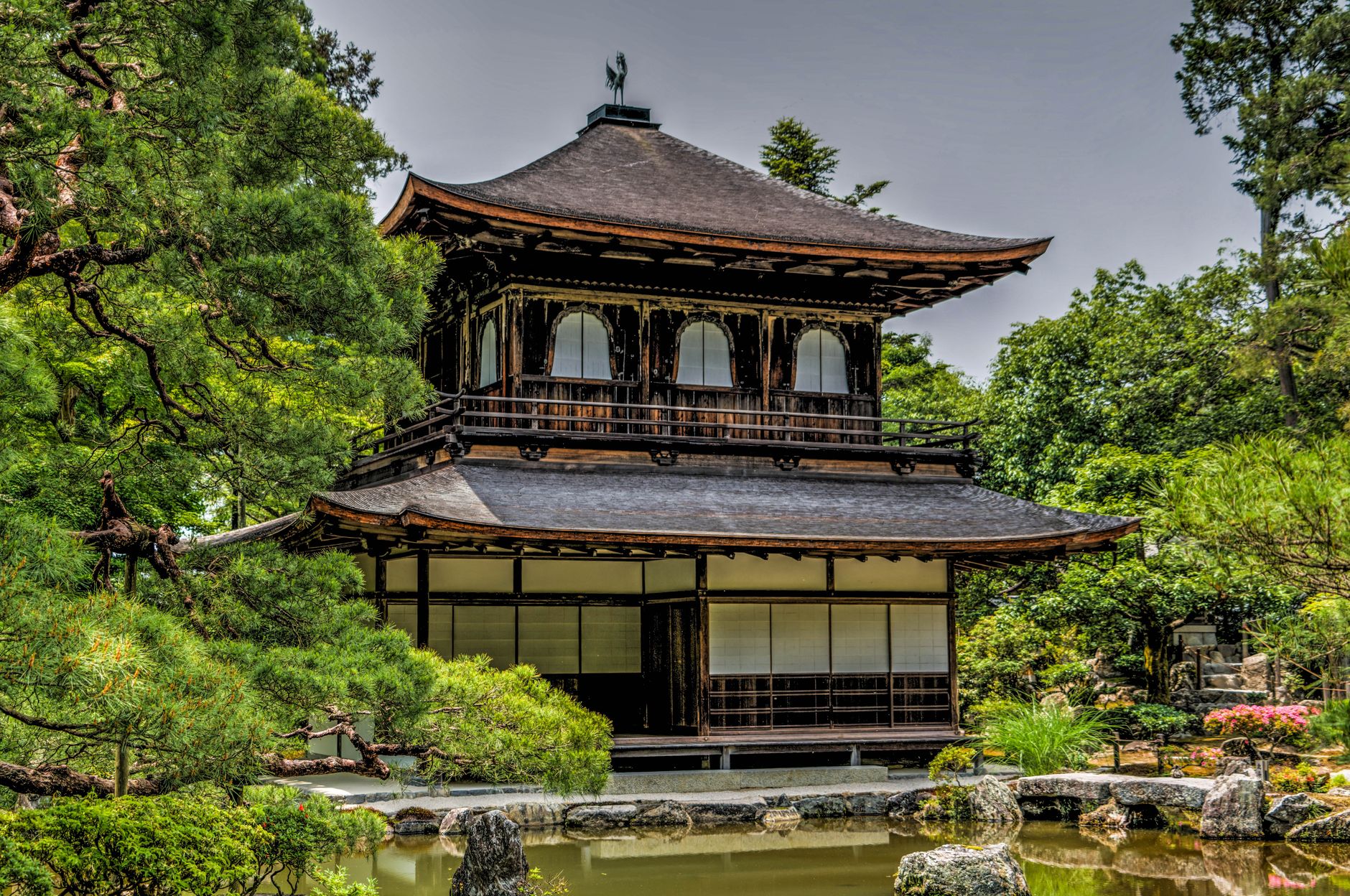
Seoul is where the data becomes reality. The "New Hanok" movement is perhaps the best example of Nordic minimalism inspiring Asian design. Architects are taking the bones of 14th-century houses and stripping away the decorative clutter to reveal a Scandi-inspired skeleton.
Where to see it:
The Bukchon Hanok Village is the obvious choice, but for the real "insider" experience, head to Seongsu-dong. Once a district of shoe factories, it’s now the "Scandi-industrial" heart of the city.
Look for LCDC Seoul. It’s a multi-use space that feels like a curated Scandinavian village dropped into a Korean alleyway. The use of raw plywood, minimalist signage, and open courtyards is a direct nod to the Copenhagen school of architecture.
5. Materials and Textures: The Insider’s Guide
To understand this trend, you have to look at the "Local Spice Blend" of materials. It’s not just "wood"; it’s specific species and treatments.
* The Nordic Palette: Light ash, pale oak, and white-washed pine. It’s meant to reflect the limited sunlight of the North.
* The Asian Twist: Charcoal-stained cedar (Shou Sugi Ban), handmade Washi paper lamps, and rough-hewn stone basins.
When these combine, you get a space that feels both airy and grounded. It’s "High-End Humble."
6. Logistics: Planning Your Design Pilgrimage
If you’re planning a trip to witness this design fusion, timing and location are everything.
Quick Facts Table: The Design Traveler’s Cheat Sheet
| Feature | Tokyo (Japan) | Seoul (S. Korea) | Taipei (Taiwan) |
| :--- | :--- | :--- | :--- |
| Best Time to Visit | Late March or November | May or October | October to December |
| Primary Aesthetic | "Warm Industrial" | "Neo-Traditional Hanok" | "Tropical Brutalism" |
| Estimated Daily Cost | $150 - $250 (Mid-range) | $120 - $200 (Mid-range) | $90 - $160 (Budget-friendly) |
| Must-Visit Spot | Hay Tokyo (Omotesando) | Lowkey Coffee (Seongsu) | VVG Something |
| How to Get Around | Suica Card / Subway | T-Money Card / KakaoTaxi | EasyCard / MRT |
How to get there:
For Tokyo, fly into Haneda (it’s closer to the design districts than Narita). For Seoul, the AREX express train from Incheon puts you in the heart of the city in 43 minutes.
7. The Sustainability Angle: Why This Trend Will Last
The "recent data" also points to a surge in eco-conscious travel. Nordic design is rooted in the idea of durability—buying one chair that lasts fifty years rather than five chairs that last ten.
This philosophy is resonating deeply in Asia’s "throwaway" consumer culture. By adopting Scandi-minimalism, Asian designers are pushing for a more sustainable future. They are using local reclaimed wood, reducing plastic use in hotel amenities, and designing buildings that rely on natural cross-ventilation rather than 24/7 air conditioning.
The Verdict: Why You Should Care
We aren't just talking about pretty chairs. We are talking about a global shift in how we inhabit the world. The Nordic influence on Asian design is a reminder that despite our geographical distances, we all crave the same things: light, air, simplicity, and a sense of "home."
As I sat in that Seoul Hanok, finishing my coffee, I realized that the "hidden entrance" wasn't just a door behind a blue wall (though in this case, it literally was—look for the unmarked blue door on the north side of the alley). The real entrance was a mindset.
Pro-Tip for the Road:
When booking your stay, look for "Ryokans" in Japan that mention "renovated by Western architects" or "Design Hotels" members in Korea. These are the laboratories where the Nordic-Asian future is being written.
---