The Great Relocation: Why Your Current Office is Obsolete
I stepped off the ferry in Sarandë, Albania, and the first thing that hit me wasn't the scent of the Ionian Sea—it was the smell of roasting lamb and wild oregano wafting from a zgarë (grill) tucked into a limestone alley. My phone buzzed. A Slack notification from a client in NYC. Usually, that sound triggers a Pavlovian spike in cortisol. But here, with a €2 espresso in hand and a view of Corfu shimmering on the horizon, the stress simply failed to launch.
I’ve spent the last decade chasing Wi-Fi signals across six continents, and I can tell you: the "digital nomad" dream is currently undergoing a massive structural renovation. The days of hiding from immigration officers while "just visiting" are over. Governments have realized we aren't just backpackers with laptops; we are mobile economies.
The result? A gold rush of new residency permits. But not all visas are created equal. Some offer a path to citizenship; others are just glorified tourist stamps with a higher price tag. In this definitive Nomad visa comparison: which country wins emerging this year, I’m stripping away the marketing fluff to show you where you actually belong.
---
1. The Heavyweight Champion: Spain’s Digital Nomad Visa
If you want the "European Dream" without the 50% tax rate, Spain is currently the one to beat. Launched late last year but hitting its stride now, the Spanish DNV is the "it" girl of the nomad world.
The Vibe:
Mid-day siestas, high-speed AVE trains, and a social life that doesn't even start until 10 PM.
The Technical Edge:
The "Beckham Law" is the secret sauce here. If you play your cards right, you can apply for a special tax regime that caps your income tax at a flat 24% for up to $600,000 in earnings. Compare that to the usual progressive rates that can hit 47%, and you’ve just bought yourself a lot of tapas.
The Reality Check:
Spanish bureaucracy is a boss-level video game. You will need a Certificado de Antecedentes Penales (criminal record check) that is apostilled and translated by a sworn translator. If your paperwork is off by a single comma, the UGE (Large Business and Strategic Groups Unit) will send you back to start.
- Pro-Tip: Don't apply from your home country. Fly to Spain on a tourist visa and apply from within the country. This grants you a three-year permit immediately, whereas applying at a consulate usually only gets you one year.
---
2. The Cultural Disruptor: Japan’s New 6-Month Entry
For years, the nomad community begged Japan to open up. In 2024, they finally did—but with very "Japanese" conditions.
The Vibe:
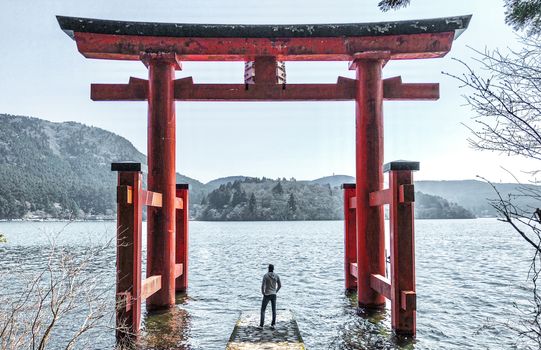
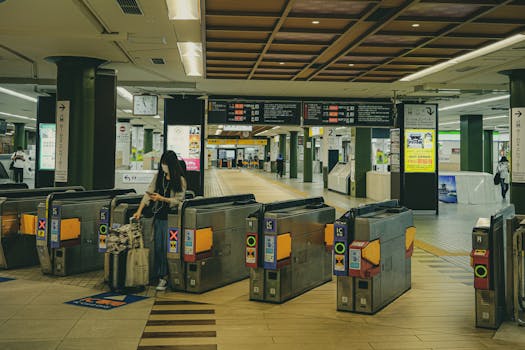
Cyberpunk cityscapes, pristine mountain shrines, and the best convenience store food (looking at you, FamilyMart Egg Salad Sandwiches) on the planet.
The Technical Edge:
This visa is designed for high-earners. You need an annual income of at least 10 million JPY (roughly $66,000 USD). It allows you to stay for six months, which is double the standard tourist waiver.
The Reality Check:
This isn't a residency play. You cannot renew it immediately; you have to leave the country for six months before applying again. It’s a "taster" visa. Also, you must have private health insurance—Japan isn't picking up your bill if you trip over a Shibuya curb.
- Pro-Tip: Base yourself in Fukuoka instead of Tokyo. It’s a burgeoning startup hub, significantly cheaper, and the tonkotsu ramen is the best in the world.
---
3. The Budget King: Albania’s One-Year "Unique" Permit
While everyone else is looking at Portugal, the smart money is moving to the Balkans. Albania is the "emerging" winner of the year for one reason: accessibility.
The Vibe:
Gritty, authentic, and breathtakingly beautiful. It feels like Italy did thirty years ago—unpolished and affordable.
The Technical Edge:
For Americans, you can stay for a full year just on your passport. For everyone else, the "Unique Permit" for remote workers is becoming streamlined. The best part? If you stay under the right conditions, you can often avoid becoming a local tax resident for the first year.
The Reality Check:
Infrastructure is... a work in progress. Power outages happen. The "furgon" (mini-bus) system follows no known laws of physics or time. But when your monthly rent for a sea-view apartment is $450, you learn to love the chaos.
- Pro-Tip: The hidden entrance to the best coworking vibe in Tirana is a nondescript door near the Pyramid of Tirana. Look for the "Coolab" sign; the community there is the gateway to the entire Balkan nomad scene.
---
4. The Tropical Powerhouse: Bali’s E33G Visa
Indonesia finally stopped talking about a nomad visa and actually built one. The E33G Remote Worker Visa is the official replacement for the "B211A" loophole everyone used to use.
The Vibe:
Incense in the air, scooters weaving through rice paddies, and a community of "conscious entrepreneurs" that is either inspiring or exhausting, depending on your caffeine levels.
The Technical Edge:
This visa lasts for one year and is specifically for remote workers. You need to show a minimum salary of $60,000 USD per year. It removes the "gray area" of working on a tourist visit, which has recently led to several high-profile deportations.
The Reality Check:
Traffic in Canggu is now officially worse than LA. If you want the "real" Bali, you have to head north to Munduk or east to Sidemen.
- Pro-Tip: Use a reputable local agent for the E33G. The Indonesian immigration portal is notoriously finicky with foreign credit cards. It’s worth the $300 service fee to avoid the headache.
---
5. The Digital Pioneer: Estonia’s D-Visa
Estonia was the first to do it, and they still do it with more digital efficiency than anyone else.
The Vibe:
Medieval architecture meets Silicon Valley. It’s cold, it’s quiet, and everything—literally everything—is done online.
The Technical Edge:
The application is straightforward. If you earn at least €4,500 (gross) per month, you’re essentially in. The e-Residency program (which is different but complementary) allows you to run a full EU company without ever stepping foot in Tallinn.
The Reality Check:
Winter is not a suggestion; it’s a lifestyle. If you can’t handle 4 PM sunsets and -10°C, save this for a summer stint.
- Pro-Tip: Visit the Telliskivi Creative City in Tallinn. It’s an old industrial complex turned into a hub of shops, bars, and offices. The "hidden" photo gallery there, Fotografiska, has a rooftop bar with the best view of the Old Town spires.
---
Quick Facts: The Nomad Visa Comparison Matrix
| Country | Min. Income (Annual) | Visa Duration | Tax Benefit | Best For |
| :--- | :--- | :--- | :--- | :--- |
| Spain | ~$33,000 | 3 Years | 24% Flat Tax | Long-term Residency |
| Japan | ~$66,000 | 6 Months | None | Cultural Immersion |
| Albania | ~$12,000 | 1 Year | 0% (Year 1) | Budget Travelers |
| Bali (Indo) | $60,000 | 1 Year | Tax-free (Foreign income) | Lifestyle & Community |
| Estonia | ~$58,000 | 1 Year | EU Business Access | Tech Founders |
---
The Verdict: Which Country Wins Emerging This Year?
If we are talking about the absolute winner for 2024, the trophy goes to Spain.
Why? Because it’s the only visa that offers a legitimate, high-quality path to permanent residency and eventually citizenship in a Tier-1 EU nation, all while offering a significant tax break (the Beckham Law). It bridges the gap between "temporary traveler" and "global citizen."
However, if you are looking for the emerging underdog, keep your eyes on Albania. As the EU begins to tighten its borders and inflation bites into Western Europe, the "Balkan Miracle" offers a level of freedom and financial breathing room that is becoming rare.
Logistics: How to Get There
1. Audit Your Income: Most visas require 3-6 months of bank statements. Start cleaning up your "freelance" deposits now.
2. Get an FBI/National Background Check: This is the longest lead-time item. Get it fingerprinted and apostilled before you even book a flight.
3. The "Blue Door" Secret: In almost every nomad hub, the best information isn't on a government site; it's in a private Facebook or Slack group. Search for "[City] Digital Nomads" and look for the groups with the most recent activity.
The world is no longer a map of places to visit; it’s a menu of places to belong. Choose wisely, pack light, and I’ll see you at the 7 AM coffee run before the crowds hit the plaza.
---