The Hook: Whispers of Ancient Sands and the Scent of Spice
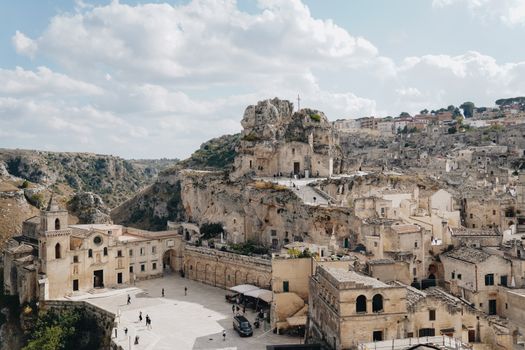
I stepped off the overnight train into a dawn that tasted of dust and anticipation. The air, thick with the scent of cardamom and something earthy I couldn't quite place, hummed with a quiet energy. Before me, bathed in the soft, pre-sunrise glow, rose structures that felt impossibly ancient, their stone weathered by millennia of sun and wind. This wasn't just another historical site; this was a place that had just been recognized on the global stage for its profound significance. And I was here, on the cusp of experiencing its newly crowned glory.
The world of travel is a constant chase for the next great discovery, the place that whispers stories of the past while singing the songs of the present. While the well-trodden paths of Rome, Kyoto, and Machu Picchu hold undeniable magic, there's a special thrill in being among the first to explore the newest additions to the UNESCO World Heritage list. These are the places that have, for centuries, held their secrets close, only now stepping into the global spotlight to share their unparalleled heritage.
In 2023 and 2024, the UNESCO World Heritage Committee has bestowed its prestigious mantle upon a select few destinations, each a testament to human ingenuity, natural splendor, or a delicate blend of both. These aren't just destinations; they are living museums, breathtaking landscapes, and cultural touchstones that demand our attention and awe.
Section 1: The Enchanting Echoes of the Omani Peninsula – A Cultural Tapestry Unveiled
My journey into this year's most exciting UNESCO additions begins on the rugged, sun-baked coast of Oman, with the Cultural Sites of Oman now officially recognized. This vast inscription encompasses not one, but multiple sites, each a vital thread in the rich fabric of Omani history and culture. We’re talking ancient irrigation systems, formidable Bronze Age settlements, and historic ports that once buzzed with trade.
The Jewels in Oman's Crown: Bat, Al-Khutm, and Al-Ayn
The heart of this inscription lies in the Bronze Age archaeological sites of Bat, Al-Khutm, and Al-Ayn. Walking among the beehive tombs of Bat, I felt an almost palpable connection to the people who lived and died here over 4,000 years ago. These tombs, remarkably preserved, speak volumes about their sophisticated societal structures and beliefs. The sheer scale of them, clustered together under the vast Omani sky, is humbling.
Pro-Tip:
Visit Bat during the cooler morning hours. The desert sun can be intense, but the soft light on the ancient stones is truly magical. Wear a hat and carry plenty of water!
Ancient Ports and Living Traditions: Sohar and Sur
Beyond the Bronze Age, the inscription also highlights Oman's maritime heritage. Sites like the ancient port of Sohar, a vital hub for trade with Mesopotamia and India, and the dhow-building town of Sur, still crafting traditional wooden boats using age-old techniques, offer a glimpse into Oman's enduring connection to the sea. I spent an afternoon watching skilled craftsmen meticulously shape timber in Sur, the rhythmic thud of their mallets a timeless soundtrack.
Insider Insight:
The spice blend used in Omani shuwa (slow-roasted lamb) is a closely guarded secret, often passed down through generations. If you have the chance to try it at a local gathering, savor every complex note of cumin, coriander, and cardamom.
Quick Facts: Cultural Sites of Oman
| Category | Details |
| :-------------- | :--------------------------------------------------------- |
| Estimated Cost ($) | Moderate (flights to Muscat, local transport, accommodation) |
| Best Time to Visit | October to April (cooler, pleasant temperatures) |
| How to Get There | Fly into Muscat International Airport (MCT), then rent a car or arrange private tours. |
---
Section 2: The Majestic Mountains of the Caucasus – Georgia's Timeless Peaks
From the desert sands, we journey to the dramatic, soaring peaks of the Caucasus Mountains, where Colchic Rainforests and Wetlands of Georgia have earned their UNESCO status. This isn't about grand castles or ancient cities; it's about a unique, temperate rainforest ecosystem that has persisted for millions of years, a living relic of the Pliocene epoch.
A Realm of Ancient Forests and Mystical Wetlands
Imagine stepping into a realm where ancient trees, draped in moss and ferns, create a cathedral of green. These are the Colchic forests, a biodiversity hotspot unlike any other. The air here is damp, cool, and alive with the chirping of unseen birds and the rustle of leaves. Walking the trails, I felt a profound sense of peace, a connection to a world that time seemed to have forgotten.
The wetlands, equally vital, are a haven for migratory birds and unique aquatic life. The sheer variety of plant species, many found nowhere else on Earth, is astonishing. It’s a testament to the resilience of nature, a pocket of primordial wonder preserved amidst changing landscapes.
Pro-Tip:
Wear waterproof hiking boots! The trails can be muddy and slick, especially after rain. Guided tours are highly recommended to fully appreciate the ecological significance and navigate the terrain safely.
The Legend of the Golden Fleece
Local folklore intertwines with the landscape here, adding another layer of enchantment. It's said that the dense mosses and rich riverbeds of this region were once where the legendary Golden Fleece was found. While the myth might be ancient, the feeling of discovery and wonder is very much alive.
Insider Insight:
Try Adjarian Khachapuri, a boat-shaped cheese-filled bread often topped with an egg. It’s a hearty, delicious local specialty that fuels any adventure.
Quick Facts: Colchic Rainforests and Wetlands of Georgia
| Category | Details |
| :-------------- | :--------------------------------------------------------- |
| Estimated Cost ($) | Budget-friendly (flights to Tbilisi, local transport, guesthouses) |
| Best Time to Visit | May to October (pleasant temperatures, lush greenery) |
| How to Get There | Fly into Tbilisi International Airport (TBS), then take domestic flights or marshrutkas (minibuses) to the Kolkheti National Park region. |
---
Section 3: The Architectural Marvels of the Balkans – A Legacy of Ottoman Grandeur
Our next stop takes us to the Balkans, specifically to The Great Mosque of Djami and the Old Town of Gjirokastër in Albania. This inscription celebrates a remarkably preserved Ottoman-era town, a living testament to a rich architectural and cultural history.
Gjirokastër: The Stone City's Timeless Charm
Gjirokastër, a UNESCO World Heritage site since 2005 and now expanded to include the Great Mosque, is often called the "City of Stone." And for good reason. Its distinctive stone houses, with their slate roofs and imposing stone walls, cling to the steep hillside, creating a breathtaking panorama. Wandering through its narrow, cobbled streets feels like stepping back in time. The sheer craftsmanship evident in every building is astounding.
The Great Mosque of Djami, a focal point of the old town, stands as a magnificent example of Ottoman religious architecture. Its minaret, piercing the sky, and its serene interior, with intricate mihrab and minbar, speak of centuries of devotion and artistic expression.
Pro-Tip:
Explore the labyrinthine streets early in the morning or late afternoon. The golden light illuminating the stone buildings is absolutely spectacular, and you'll have the narrow alleys more to yourself. Don't miss the Gjirokastër Castle for panoramic views.
The Culinary Delights of the Stone City
The food scene in Gjirokastër is as authentic as its architecture. Think hearty, rustic dishes that reflect the region's agricultural heritage. I savored Qifqi, a delicious rice and herb fritter, and Tavë Kosi, a baked lamb and yogurt dish that was incredibly comforting.
Insider Insight:
Ask locals about the best family-run tavernas tucked away in the side streets. These often offer the most authentic and delicious meals, far from the tourist crowds.
Quick Facts: Gjirokastër, Albania
| Category | Details |
| :-------------- | :--------------------------------------------------------- |
| Estimated Cost ($) | Very Budget-friendly (flights to Tirana, buses, local guesthouses) |
| Best Time to Visit | April to June and September to October (pleasant weather, fewer crowds) |
| How to Get There | Fly into Tirana International Airport (TIA), then take a bus or rent a car for the ~4-hour drive to Gjirokastër. |
---
Section 4: The Ancient Pathways of the Andes – A New Chapter in Inca History
Our journey continues to the majestic Andes, where a significant new inscription has expanded our understanding of the Inca Empire: The Qhapaq Ñan Andean Road System. While parts of this incredible network have been recognized for years, the recent expansion solidifies its status as a monumental feat of engineering and a crucial artery of a vast ancient civilization.
A Network That Connected an Empire
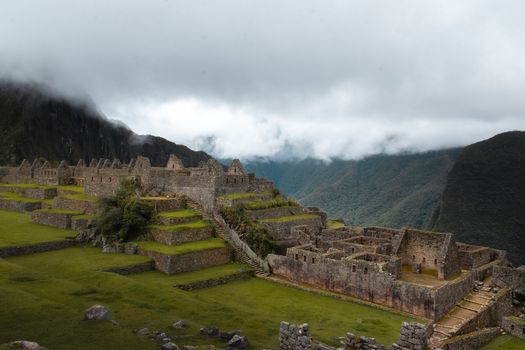
The Qhapaq Ñan is not a single road, but a vast network of over 40,000 kilometers of roads, pathways, and bridges that once connected the far reaches of the Inca Empire, from modern-day Ecuador to Chile. It's a testament to the Incas' unparalleled organizational skills and their deep understanding of their challenging environment.
Walking even a small section of these ancient roads, especially in the higher altitudes, is an awe-inspiring experience. You can almost feel the footsteps of the chasquis (Inca messengers) who ran along these routes, relaying information across the empire. The engineering is incredible – stone steps carved into mountainsides, suspension bridges spanning treacherous gorges, and intricate drainage systems.
Pro-Tip:
For an unforgettable experience, consider hiking a segment of the Inca Trail that is part of the Qhapaq Ñan system. Book well in advance, as permits are limited. Early morning starts are best to avoid the midday sun and crowds.
Beyond the Inca Trail: Hidden Gems
While the classic Inca Trail is world-famous, the Qhapaq Ñan inscription highlights numerous other sections and related sites that are less visited but equally spectacular. These offer a more intimate and authentic encounter with the ancient road system. Look for lesser-known treks in regions like Peru’s Cordillera Blanca or Bolivia’s Altiplano.
Insider Insight:
The Andean staple quinoa is an ancient grain that has been cultivated in this region for millennia. Its nutty flavor and protein-rich properties made it a vital food source for the Incas, and it remains a cornerstone of local cuisine.
Quick Facts: Qhapaq Ñan Andean Road System
| Category | Details |
| :-------------- | :--------------------------------------------------------- |
| Estimated Cost ($) | Varies (moderate to high, depending on location and trekking) |
| Best Time to Visit | Dry season: April to October (for most Andean regions) |
| How to Get There | Access points vary widely. Major hubs include Cusco (Peru), Quito (Ecuador), and La Paz (Bolivia). Flights to these cities are the primary entry point. |
---
Section 5: The Ethereal Beauty of the North – Norway's Coastal Wonders
Finally, we venture to the dramatic, windswept coast of Norway, where the Vestmarka Coastal Landscape has been recognized for its unique blend of natural beauty and human history. This is a landscape shaped by ice, sea, and the enduring spirit of coastal communities.
Where Fjords Meet the Sea
The Vestmarka region is characterized by its dramatic fjords, sheer cliffs, and the rugged archipelago that dots its coastline. The air here is crisp, carrying the salty tang of the ocean and the faint scent of pine. The light, especially during the long summer days, paints the landscape in breathtaking hues.
Hiking along the coastal paths, you'll encounter hidden coves, dramatic sea stacks, and panoramic vistas that stretch to the horizon. The sheer power of the ocean is evident everywhere, from the smoothed rocks to the wind-bent trees. It’s a landscape that inspires awe and a deep respect for the forces of nature.
Pro-Tip:
Consider a boat tour to explore the smaller islands and sea caves. The perspective from the water offers a completely different, and often more intimate, appreciation of the coastal formations. Pack layers – the weather can change rapidly.
A History of Resilience and Adaptation
This landscape isn't just about natural beauty; it's also about the human stories etched into its fabric. For centuries, communities have lived here, adapting to the challenges of the sea and the harsh climate. You'll find remnants of old fishing villages, lighthouses that have guided ships for generations, and a deep connection to the sea that permeates local culture.
Insider Insight:
Freshly caught seafood is king here. Don't miss the opportunity to try rakfisk (fermented fish), a traditional Norwegian delicacy, if you're feeling adventurous! Or opt for simpler, but equally delicious, grilled fish or creamy seafood soups.
Quick Facts: Vestmarka Coastal Landscape, Norway
| Category | Details |
| :-------------- | :--------------------------------------------------------- |
| Estimated Cost ($) | High (flights to Oslo, then domestic flights/trains, accommodation can be pricey) |
| Best Time to Visit | June to August (long daylight hours, milder weather) |
| How to Get There | Fly into Oslo Airport (OSL), then take domestic flights to regional airports like Bergen (BGO) or Trondheim (TRD), followed by car rental or public transport. |
---
Section 6: The Ancient Forests of the East – A Sanctuary of Biodiversity
Our final destination takes us to the ancient forests of East Asia, where the Ancient Forests of Northeastern China have been inscribed, highlighting their immense ecological and scientific value. This is a place where nature reigns supreme, a living testament to the power and resilience of ancient ecosystems.
A Timeless Realm of Trees and Life
Imagine walking beneath a canopy so dense that it filters the sunlight into dappled patterns on the forest floor. These ancient forests are home to trees that have stood for centuries, their gnarled branches reaching towards the sky. The air is cool, damp, and filled with the scent of decaying leaves, rich soil, and the subtle perfume of wild flora.
This is a critical habitat for a diverse array of flora and fauna, including many rare and endangered species. The sheer scale and untouched nature of these forests make them a vital global treasure, a sanctuary for biodiversity that is increasingly under threat elsewhere.
Pro-Tip:
Visit with a local guide who is knowledgeable about the forest's ecology. They can point out unique plant species, explain the forest's intricate web of life, and ensure you stay on designated paths to protect the fragile environment.
The Rhythms of the Seasons
The beauty of these ancient forests changes dramatically with the seasons. In spring, vibrant wildflowers carpet the floor. Summer brings a lush, verdant abundance. Autumn ignites the landscape in a riot of fiery reds and golden yellows. Winter transforms it into a silent, snow-draped wonderland. Each season offers a unique and captivating experience.
Insider Insight:
Local forest communities often have traditional knowledge about medicinal plants found in the forest. If you have the opportunity to learn from them, it offers a fascinating glimpse into the deep, symbiotic relationship between people and nature.
Quick Facts: Ancient Forests of Northeastern China
| Category | Details |
| :-------------- | :--------------------------------------------------------- |
| Estimated Cost ($) | Moderate (flights to major Chinese cities, then domestic travel, local accommodation) |
| Best Time to Visit | Spring (April-May) for wildflowers, Autumn (September-October) for foliage. |
| How to Get There | Fly into major Chinese hubs like Beijing (PEK) or Shanghai (PVG), then take domestic flights to cities like Changchun or Harbin, followed by train or car to the forest regions. |
---
The Call of the New
These newly recognized UNESCO World Heritage sites are more than just dots on a map; they are invitations to explore, to learn, and to be profoundly moved by the world's most precious treasures. They represent the pinnacle of natural beauty, the zenith of human achievement, and the enduring power of our planet's heritage.
As a travel journalist and an SEO strategist, I see these sites as the future of conscious, enriching travel. They offer authentic experiences, opportunities for deep cultural immersion, and the chance to witness wonders that have been deemed worthy of safeguarding for generations to come.
So, as you plan your next adventure, look beyond the familiar. Consider the whispers of ancient sands, the majesty of soaring peaks, the echoes of bygone empires, and the serene beauty of untouched wilderness. These new UNESCO World Heritage sites are calling – and they are absolutely worth answering.