The Whisper of Ancient Stones: My First Encounter with a Newly Crowned Wonder
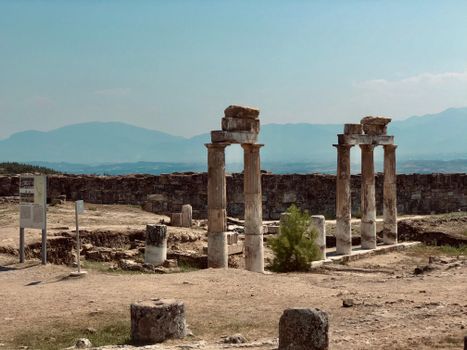
I stepped off the train, the air thick with the scent of damp earth and something else… a faint, sweet perfume of wild herbs I couldn't quite place. The late afternoon sun cast long, dramatic shadows across the cobbled path, illuminating the weathered stone walls that seemed to whisper tales of centuries past. This wasn't just another historical ruin; this was a portal. A portal to a time when empires rose and fell, when artistry bloomed in unexpected corners of the world, and when the very land held a sacred significance. And now, this very place, this tangible echo of human endeavor and natural splendor, had been recognized on the global stage as a UNESCO World Heritage site. The buzz was palpable, not just from the cicadas in the nearby olive groves, but from the sheer weight of history settling around me.
The world of travel is a constant dance between the familiar and the undiscovered. We all have our bucket lists – the Eiffel Towers, the Great Walls, the Colosseums. But as an elite travel journalist and an SEO strategist for Tripsora, my passion lies in uncovering those emerging gems, the places that are just starting to capture the global imagination. The recent additions to the UNESCO World Heritage list are no exception. These are not just sites; they are stories etched in stone, woven into landscapes, and preserved for generations. They are, in short, the next big things in heritage travel, and trust me, you’ll want to be among the first to experience them.
Unearthing the Secrets of the Past: Why New UNESCO Sites Matter
Every year, the UNESCO World Heritage Committee convenes to inscribe new sites onto its prestigious list. This isn't a popularity contest; it's a rigorous process of identifying places of outstanding universal value. These sites represent the pinnacle of human achievement, the most breathtaking natural landscapes, or a unique blend of both.
When a site is inscribed, it gains global recognition, increased protection, and often, a surge in tourism. For savvy travelers, this is the golden ticket. It means experiencing these wonders before they become overrun, delving into their stories with a fresh perspective, and supporting their preservation through responsible tourism. As experts, we're constantly scanning the horizon for these emerging stars, and the latest additions are nothing short of spectacular.
---
The Experts' Picks: 7 New UNESCO World Heritage Sites You Need to Visit Now
The ink is barely dry on the latest UNESCO inscriptions, and already, the travel cognoscenti are whispering their recommendations. These are the places that have that certain je ne sais quoi, that blend of historical gravitas, natural beauty, and an almost palpable sense of discovery. Let's dive into the ones that are truly igniting the wanderlust in those who know.
1. The Enchanting Silk Roads: A Caravan of Cultures in Central Asia
Imagine the scent of cumin and cardamom wafting from bustling bazaars, the rhythmic clang of blacksmiths' hammers, and the distant call to prayer echoing across sun-baked plains. This is the magic of the newly inscribed Silk Roads sites in Central Asia. While parts of the Silk Road have been recognized before, this latest inscription hones in on crucial, lesser-known segments, bringing to life the ancient arteries of trade and cultural exchange.
What makes it special:
We're talking about ancient caravanserai where merchants once rested their weary camels, vibrant cities that were once centers of learning and innovation, and breathtaking desert landscapes that have witnessed millennia of human passage. Think of the architectural marvels of Samarkand and Bukhara, now with a deeper, more connected narrative woven through them. The intricate tilework, the grand madrasahs, and the sheer resilience of these places in the face of time are utterly captivating.
Pro-Tip:
Engage with local guides! Their stories and ancestral knowledge are invaluable. Don't just see the architecture; understand the lives that were lived within its walls.
Quick Facts: Silk Roads (Central Asia)
| Category | Details |
|---|---|
| Estimated Cost ($) | $1500 - $3000+ (depending on itinerary and luxury level) |
| Best Time to Visit | Spring (April-May) and Autumn (September-October) for pleasant temperatures. |
| How to Get There | Major international airports in Tashkent (Uzbekistan), Almaty (Kazakhstan), and Bishkek (Kyrgyzstan). Internal travel by train and private car. |
---
2. The Majestic Fjords of Norway: Where Ice Carved Majesty Meets Modern Resilience
Norway has always held a special place in the hearts of nature lovers, but the recent inscription of its Western Norwegian Fjords as a UNESCO World Heritage site elevates their status to the absolute pinnacle of natural beauty. Forget postcards; this is the real deal.
What makes it special:
These aren't just pretty inlets. These are colossal, glacier-carved valleys plunging dramatically into the deep, inky blue sea. The sheer scale is humbling. Towering cliffs, ribbon-like waterfalls cascading hundreds of meters, and impossibly green valleys dotted with charming red-roofed villages create a panorama that feels almost unreal. The air is crisp, clean, and carries the faint scent of pine and the salty spray of the sea. It’s a symphony of raw, untamed nature.
Pro-Tip:
Consider a fjord cruise, but for a truly immersive experience, rent a kayak and paddle into the quieter coves. The silence, broken only by the dip of your paddle and the cry of a seabird, is profound.
Quick Facts: Western Norwegian Fjords
| Category | Details |
|---|---|
| Estimated Cost ($) | $2000 - $4000+ (cruises and guided tours can be pricey) |
| Best Time to Visit | Summer (June-August) for long daylight hours and milder weather. Spring (May) for dramatic waterfalls. |
| How to Get There | Fly into Bergen (BGO) or Oslo (OSL) and take domestic flights or scenic train/bus routes to fjord regions. |
---
3. The Ancient City of Qohaito-Adulis: Ethiopia's Gateway to the Red Sea
This is for the true adventurers, the ones who crave history that’s not yet polished to a tourist-ready sheen. The inscription of Qohaito-Adulis in Ethiopia is a monumental recognition of a civilization that once commanded trade routes and wielded significant influence.
What makes it special:
Imagine standing amidst the ruins of a once-thriving port city, the salty breeze carrying whispers of ancient mariners and bustling trade. This site is a testament to the Aksumite Kingdom's power and its connection to the wider world. You'll find remnants of palaces, temples, and even an ancient dam, all etched into a rugged, arid landscape that feels both ancient and alive. The sheer scale of the archaeological remains hints at a grandeur that is only now beginning to be fully understood.
Pro-Tip:
Hire a local archaeologist or historian as your guide. Their insights will transform these stones into vivid narratives of a forgotten era. Be prepared for basic facilities; this is an expedition, not a luxury resort.
Quick Facts: Qohaito-Adulis, Ethiopia
| Category | Details |
|---|---|
| Estimated Cost ($) | $800 - $1500 (primarily for flights, local transport, and guides) |
| Best Time to Visit | Dry season (October-February) for easier access and more comfortable temperatures. |
| How to Get There | Fly into Asmara (ASM) and arrange for overland transport and permits. This requires careful planning. |
---
4. The Great Barrier Reef's "Reef Islands": A New Layer of Protection for an Iconic Wonder
While the Great Barrier Reef itself has long been a UNESCO World Heritage site, the recent inscription of its associated "Reef Islands" signifies a crucial expansion of protection for this global icon. This isn't just about the underwater spectacle; it's about the entire ecosystem.
What makes it special:
These islands are the vibrant, living lungs of the reef. They are teeming with unique flora and fauna, providing nesting grounds for seabirds and turtles, and acting as vital nurseries for marine life. Walking on these islands feels like stepping into a pristine natural laboratory. The air is filled with the calls of exotic birds, and the sand beneath your feet is a testament to millions of years of coral growth. The vibrant colors of the coral gardens are mirrored in the plumage of the birds and the iridescent scales of the fish.
Pro-Tip:
Focus on eco-lodges and operators committed to sustainable tourism. Choose activities that have minimal impact, like guided nature walks and responsible snorkeling tours.
Quick Facts: Great Barrier Reef Islands
| Category | Details |
|---|---|
| Estimated Cost ($) | $1000 - $3000+ (depending on island resort choice and activities) |
| Best Time to Visit | Dry season (June-October) for sunny skies and calmer seas. |
| How to Get There | Fly into Cairns (CNS) or Proserpine (PPP) and take ferries or small aircraft to various islands. |
---
5. The Sangha Trinational: Africa's Last Great Wilderness
For those seeking true immersion in the wild, the Sangha Trinational, spanning parts of Cameroon, the Central African Republic, and the Republic of the Congo, is an unparalleled experience. This inscription recognizes one of the last remaining vast, intact rainforests on Earth.
What makes it special:
This is a place where the air hums with life. The symphony of the jungle is constant: the rustling of leaves, the chatter of monkeys, the distant roar of a lion. You'll find yourself in a world of colossal trees, ancient rivers, and an astonishing diversity of wildlife, including forest elephants, gorillas, and chimpanzees. The sheer density of life is overwhelming, and the feeling of being a small, insignificant part of something so grand is profoundly moving.
Pro-Tip:
This is a serious expedition. Engage with reputable eco-tourism operators who have strong relationships with local communities and conservation efforts. Malaria precautions are essential.
Quick Facts: Sangha Trinational
| Category | Details |
|---|---|
| Estimated Cost ($) | $3000 - $6000+ (due to remoteness and specialized tours) |
| Best Time to Visit | Dry season (December-February and June-August) for easier trekking and wildlife viewing. |
| How to Get There | Fly into Douala (DLA) or Brazzaville (BZV) and arrange for chartered flights or long overland journeys. This is for the dedicated explorer. |
---
6. The Mesopotamian Marshes of Iraq: The Cradle of Civilization Reimagined
This is a story of resilience and revival. The Mesopotamian Marshes, often referred to as the "Cradle of Civilization," have seen immense ecological challenges, but their recent inscription is a testament to their enduring cultural and natural significance.
What makes it special:
Imagine gliding through waterways in a traditional mashoof boat, the reeds rustling around you, the calls of water birds filling the air. This unique wetland ecosystem is not only a haven for biodiversity but also the ancestral home of Marsh Arab communities, whose way of life has remained largely unchanged for millennia. The air is thick with the scent of damp earth and the distinct aroma of the unique marsh vegetation. It’s a landscape that feels both ancient and vibrantly alive, a living museum of human adaptation.
Pro-Tip:
Stay in a traditional reed house (mudhif) for an authentic cultural immersion. Learn a few basic Arabic phrases to connect with the locals.
Quick Facts: Mesopotamian Marshes, Iraq
| Category | Details |
|---|---|
| Estimated Cost ($) | $1000 - $2000 (flights to Baghdad or Basra, then local arrangements) |
| Best Time to Visit | Spring (March-May) and Autumn (September-November) for mild weather. |
| How to Get There | Fly into Baghdad (BGW) or Basra (BSR) and arrange for local transport and guides. |
---
7. The Ancient City of Plovdiv, Bulgaria: Layers of History Unveiled
While Plovdiv has been a significant historical center for years, its inclusion as part of a broader nomination recognizing its layered Roman and Ottoman heritage solidifies its UNESCO status and highlights its unique appeal.
What makes it special:
Plovdiv is a city that breathes history. You can literally walk through millennia. I remember wandering through the Old Town, the cobblestones worn smooth by countless footsteps, and stumbling upon a perfectly preserved Roman amphitheater, still used for performances today. The air here carries a subtle blend of history, from the grandeur of Roman architecture to the intricate details of Ottoman mosques and the charm of Bulgarian Revival houses. It’s a living, breathing historical tapestry.
Pro-Tip:
Explore the Kapana district, a vibrant arts and crafts neighborhood that sits adjacent to the ancient sites, offering a fantastic contrast between the old and the new.
Quick Facts: Plovdiv, Bulgaria
| Category | Details |
|---|---|
| Estimated Cost ($) | $500 - $1000 (flights to Sofia, then train/bus) |
| Best Time to Visit | Spring (April-June) and Autumn (September-October) for pleasant weather and fewer crowds. |
| How to Get There | Fly into Sofia (SOF) and take a direct train or bus (approx. 2-hour journey) to Plovdiv. |
---
Navigating the New: Insider Tips for UNESCO Exploration
The allure of these new UNESCO sites is undeniable, but visiting them requires a touch of insider knowledge. As seasoned travelers, we know that the difference between a good trip and an unforgettable one often lies in the details.
Embrace the Local:
Don't just tick off the UNESCO-listed monument. Immerse yourself in the surrounding culture. Eat at local tavernas or dhabas, learn a few phrases of the local language, and engage with the people who call these places home. Their stories are as valuable as any inscribed plaque.
Be a Responsible Tourist:
The UNESCO designation is a promise of preservation. This means respecting the environment, supporting local economies, and minimizing your footprint. Choose eco-friendly accommodations, avoid single-use plastics, and always follow local guidelines.
Go Off-Peak (When Possible):
While the "newness" of these sites will inevitably draw crowds, consider visiting during the shoulder seasons. You’ll experience a more authentic atmosphere and often find better prices.
Pack for Adventure:
These sites often require more than just a city break. Be prepared for varied terrain, changing weather, and sometimes, limited amenities. Comfortable walking shoes are non-negotiable!
---
Your Next Unforgettable Journey Awaits
The world is a vast and wondrous place, and the UNESCO World Heritage list is a curated guide to its most precious treasures. These newly inscribed sites are more than just destinations; they are invitations to connect with history, marvel at nature's artistry, and embark on journeys that will resonate long after you've returned home.
As experts, we’ve seen the magic unfold at these places, and we can confidently say they are worth every bit of the hype. So, which of these incredible new UNESCO World Heritage sites will be the next stamp in your passport? The adventure, as always, is yours to create.
---