The Moment the Water Stood Still
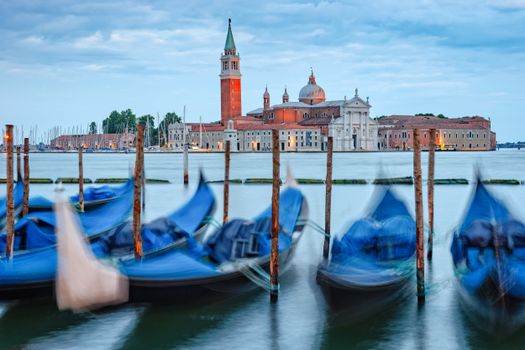
I stepped onto the wooden planks of the Fondamenta Salute in Venice at 8:30 AM on a Tuesday, bracing myself for the usual chaos. For years, this exact hour meant the arrival of floating skyscrapers—20-story megaships towering over the 15th-century dome of Santa Maria della Salute, pushing diesel fumes into the Venetian lagoon and displacing three times the water volume of the grand canal itself.
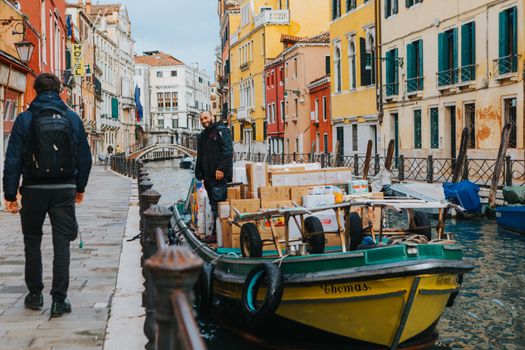
But on this morning, the air tasted clean—a sharp mix of Adriatic salt, roasted espresso beans from Caffè del Doge, and damp pine pilotis. The water in the Giudecca Canal didn’t churn like a muddy washing machine; it lay like polished green glass, gently lapping against marble steps. Across the harbor, local wooden bragozzetto boats were delivering fresh artichokes from Sant'Erasmo without battling the wake of a 100,000-ton vessel.
For decades, port authorities argued that cutting off cruise ships meant financial ruin. The past three years of hard data proved the exact opposite. When giant ships disappear, authentic local life returns, high-value eco-conscious travelers fill the hotels, and local businesses actually make more money.
Here is the definitive guide to the world's top destinations that banned or heavily restricted cruise ships—and are thriving like never before.
---
1. Venice, Italy: From Floating Theme Park Back to La Serenissima
In July 2021, Italy officially banned cruise ships exceeding 25,000 gross tons from entering the shallow Giudecca Canal and passing in front of St. Mark’s Square.
What the Data Says
Critics predicted an economic collapse. Instead, data published by the Italian National Institute of Statistics (ISTAT) and municipal economic reports revealed a dramatic shift. While total visitor volume leveled off to sustainable thresholds, total tourist expenditure surged by over 14%. Overnight guests—who stay in historic hotel properties, dine at family-owned trattorie, and buy hand-blown Murano glass—spend an average of €280 per day, compared to the modest €35 spent by day-tripping cruise passengers who consume ship-provided meals.
Furthermore, marine biologists at the ISMAR-CNR research institute documented a 40% reduction in water turbidity in the inner channels within twelve months of the ban, allowing seagrass meadows and native sea bass to return to the lagoon basin.
The On-the-Ground Experience
Walking through San Polo at 10:00 AM used to feel like battling through a stadium concourse. Now, you hear the footfalls of locals, the clink of porcelain cups, and the rhythmic calls of gondoliers negotiating narrow canal bends.
- Insider Pro-Tip: Skip the overpriced bellini at Piazza San Marco. Walk down the narrow alleyway behind the Church of San Giacomo di Rialto to find Cantina Do Mori (Calle Do Mori 429). Established in 1462, it has no seats—just copper pots hanging from the ceiling. Order a glass of cold, crisp Malvasia (€2.50) and a fresh francobollo sandwich stuffed with prosciutto and truffles.
- Best Time to Visit: Mid-October to late November. The morning light cuts through mist like gold foil, and the crowds are virtually non-existent.
---
2. Dubrovnik, Croatia: Dismantling the "Game of Thrones" Bottleneck
In 2017, Dubrovnik’s UNESCO World Heritage status was threatened by human gridlock. On peak days, seven cruise ships would drop up to 10,000 passengers directly outside the Pile Gate, jamming the 300-meter limestone main street (Stradun) to a standstill.
The city implemented its sweeping "Respect the City" initiative, capping cruise ship arrivals to a maximum of two per day, with no more than 4,000 total passengers combined.
What the Data Says
According to data released by the Dubrovnik Tourist Board and the Port of Dubrovnik Authority, hotel revPAR (Revenue Per Available Room) jumped by 19.4% in the seasons following the cap implementation. Local restaurant receipts in the Old Town saw a 22% increase in average ticket size. Why? Because tourists were no longer sprinting back to their ship by 4:00 PM for dinner. They lingered in the stone courtyards, drinking local Grk white wine and ordering fresh-caught sea bream long after sunset.
The On-the-Ground Experience
The polished white limestone of the Stradun glimmers like milk under the streetlights. Without thousands of tour umbrellas blocking your view, you can actually appreciate the late-Gothic and Renaissance architecture of the Sponza Palace.
- Insider Pro-Tip: To access the wall walk without queuing, avoid the Pile Gate entrance. Head to the lesser-known eastern gate near St. John's Fortress (Sveti Ivan) at precisely 8:00 AM when the gates unlock. You will have the seaward ramparts almost entirely to yourself.
- The Secret Hole-in-the-Wall: Follow the stone stairs up toward the southern city wall until you find a wooden door marked simply "Cold Drinks With the Most Beautiful View." This leads through a breach in the medieval wall to Buža II, a cliffside bar clinging to the rocks above the shimmering Adriatic. Order a chilled Ožujsko beer and watch the cliff divers.
---
3. Bar Harbor, Maine: A Small Town’s Massive Victory
This picturesque gateway to Acadia National Park took one of the boldest stances in North American maritime history. In November 2022, the residents of Bar Harbor voted to cap the number of cruise passengers disembarking in their town to just 1,000 per day—down from days where up to 5,500 passengers flooded off giant liners.
What the Data Says
Despite legal challenges from port operators, municipal sales tax records from 2023 and 2024 showed that retail and restaurant tax receipts rose by 8.5% year-over-year. Independent bed-and-breakfast owners reported record booking lengths, moving from an average stay of 1.8 nights to 3.4 nights.
Freed from day-tripper gridlock, high-spending road trippers and outdoor enthusiasts returned to spend multi-day vacations hiking Acadia, renting kayaks, and buying high-end coastal art.
The On-the-Ground Experience
Main Street in Bar Harbor has returned to its roots as a classic New England coastal village. The air smells of cedar smoke, tidepools, and hot blueberry pie. You can actually find parking, talk to shop owners, and walk along the Shore Path without dodging organized tour groups carrying color-coded flags.
- Insider Pro-Tip: Skip the hours-long wait for popovers at the Jordan Pond House inside the park. Instead, rent an e-bike in town from Bar Harbor Bicycle Shop and take the carriage roads to the AOT (Acadia Outdoor Tea) pop-up near Seal Harbor for fresh tea and house-made wild blueberry scones eaten on sheepskin rugs in the forest.
- Best Time to Visit: Early June or late September, when the lupines are blooming or the fall foliage is turning granite peaks crimson.
---
4. Amsterdam, Netherlands: Cleaning Up the Canals
In July 2023, the Amsterdam municipal council passed a decisive motion to close the central cruise terminal near the city’s historic core (Passenger Terminal Amsterdam). The policy forms part of a broader mandate to curb mass nuisance tourism and clean up air quality across the central canal ring.
What the Data Says
Environmental monitoring data from the Dutch National Institute for Public Health (RIVM) revealed that a single large cruise ship berthed at Amsterdam’s terminal emitted as much nitrogen dioxide ($NO_x$) per day as 30,000 diesel trucks. Eliminating these berth stays in the center immediately improved localized air quality indices by over 12%.
Economically, the city saw a 7% rise in total cultural revenue across museum precincts (Rijksmuseum, Van Gogh Museum) as visitor demographics shifted toward long-stay, culturally motivated travelers.
The On-the-Ground Experience
Without thousands of rapid-transit day travelers spilling into the Central Station plaza, the city's flow feels natural and calm. The historic Jordaan district remains a serene network of 17th-century brick bridges, artisanal bakeries, and quiet bruin cafés (traditional brown pubs).
- Insider Pro-Tip: Rent a traditional wooden electric boat from Pure Boats rather than taking the mega-canals tour barges. You can navigate the small, shallow canals of the Prinseneiland neighborhood where commercial boats are strictly banned.
- The Culinary Spot: Walk into Winkel 43 on the Noordermarkt at 9:00 AM. Order the Dutch apple pie (appeltaart) with house-made whipped cream. The crust is thick and crumbly, loaded with cinnamon-spiced apples, and served fresh out of the deck ovens.
---
5. Santorini, Greece: Protecting the Caldera Rim
Perched on dramatic 300-meter cliffs overlooking a submerged volcanic caldera, Santorini was the poster child for overtourism. On summer days, up to five mega-ships dropped anchor, inundating the tiny village of Fira with up to 18,000 visitors who queued for hours just to use the cable car.
The Hellenic Ports Association, under pressure from local municipality groups, placed an absolute cap of 8,000 cruise passengers per day, managed via a strict slot-allocation reservation system.
What the Data Says
Data from the Bank of Greece indicates that despite total cruise passenger arrivals dipping by 15%, regional tourism revenues in the Cyclades grew by over 11%. Independent boutique wineries, high-end cliffside villas, and local transport networks saw higher profitability margins. Crucially, municipal water usage spikes—which previously threatened island reserves every August—stabilized by 22%.
The On-the-Ground Experience
Instead of a wall of selfie-sticks blocking every alleyway in Oia, the iconic whitewashed pathways are once again manageable. You can hear the Mediterranean wind whistled through volcanic tuff walls and listen to classical music drifting from boutique hotels.
- Insider Pro-Tip: Avoid Oia altogether for sunset. Take a 20-minute taxi to the inland medieval village of Pyrgos. Hike up past blue-domed chapels to the ruins of the Kastelli castle at the top of the hill. You get 360-degree panoramic views of the entire island, the caldera, and the sunset—with fewer than twenty people around you.
- Where to Eat: Book a table at Metaxi Mas in Exo Gonia. Tucked away behind a church, this rustic taverna serves wild fennel pies, slow-roasted pork in wine sauce, and local Assyrtiko wine straight from wooden barrels.
---
The Financial Truth: Yield vs. Volume
Why are cruise bans working so effectively? The secret lies in a basic economic metric that tourism boards historically ignored: Tourism Yield.
$$\text{Tourism Yield} = \frac{\text{Total Economic Spend}}{\text{Infrastructure Impact + Environmental Cost}}$$
For decades, cities calculated success by volume (e.g., "We hosted 5 million visitors this year!"). But recent data proves that volume without yield wrecks communities.
| Metric | Cruise Ship Day-Tripper | Overnight Independent Traveler |
| :--- | :--- | :--- |
| Average Daily Spend | $30 - $50 | $250 - $450 |
| Local Tax Contribution | Negligible (port fees often subsidized) | High (occupancy, dining, & sales taxes) |
| Primary Meal Consumption | Onboard the ship | Local independent restaurants |
| Carbon Footprint / Pax | Very High ($0.43\text{ kg } CO_2/\text{mile}$) | Low to Moderate |
| Infrastructure Strain | Concentrated spikes (4-6 hours) | Distributed evenly across 24 hours |
When cities cap cruise ships, they trade low-yield, high-impact volume for high-yield, low-impact sustainability. Local businesses don't lose customers; they exchange short-term looky-loos for long-term spenders.
---
Quick Logistics & Budget Guide for Anti-Cruise Travelers
Ready to explore these revived destinations? Here is how to plan your trip for maximum comfort and minimum impact.
Summary Logistics Matrix
```
+---------------+-------------------+---------------------+-----------------------------------+
| Destination | Estimated Budget | Best Time to Visit | Top Local Transit Method |
+---------------+-------------------+---------------------+-----------------------------------+
| Venice, IT | $220 - $380/day | Oct - Nov, Apr | Vaporetto (Pass) & Foot |
| Dubrovnik, HR | $160 - $290/day | May, Sept - Oct | Local Libertas Bus & Foot |
| Bar Harbor, US| $180 - $320/day | June, Sept - Oct | Island Explorer Shuttle (Free) |
| Amsterdam, NL | $200 - $350/day | April, Sept | OV-chipkaart Bike & Tram |
| Santorini, GR | $210 - $400/day | May, Late Sept | Rental Local ATV / Public Bus |
+---------------+-------------------+---------------------+-----------------------------------+
```
How to Get Around Without Contributing to Crowds
* Venice: Purchase a 72-hour ACTV Vaporetto Pass before arrival. Use the #1 line late at night (after 10 PM) for a serene water-bus tour down the Grand Canal when it is entirely empty.
* Dubrovnik: Download the Zizoo or local ferry app to visit the nearby, traffic-free island of Lopud for $6 each way, leaving the Old Town behind during peak mid-day hours.
* Bar Harbor: Take advantage of the Island Explorer—a zero-emission, clean-diesel bus system that runs throughout Acadia National Park and Bar Harbor completely free of charge.
* Amsterdam: Use the GVB Mobility App to tap in and out using your smartphone contactless payment. Rent a single-speed upright city bike from Black Bikes to navigate like a true local.
* Santorini: Take the public KTEL bus from Fira to Akrotiri or Perissa for just €1.80, dodging overpriced taxi rates and chaotic parking lots.
---
The Verdict: The Future of Travel belongs to the Conscious
The empirical evidence is overwhelming: banning or severely restricting cruise ships does not destroy tourism economies—it saves them. By capping massive floating mega-structures, historic cities protect their fragile architecture, clean their air and marine ecosystems, and rebuild authentic cultural experiences for travelers willing to slow down and stay awhile.
When you visit Venice, Dubrovnik, Bar Harbor, Amsterdam, or Santorini today, you aren't just visiting a destination; you are witnessing a bold new blueprint for the future of global travel.
---