Beyond the Brochure: My February 2026 Discovery of Parks That Truly Welcome All
I stepped off the train, the crisp February air kissing my cheeks, carrying the faint, earthy scent of damp pine needles and something vaguely floral – a hint of resilience in the winter chill. The platform was unusually quiet, a gentle hum of anticipation replacing the usual tourist bustle. This wasn't just any park visit; this was a quest for places that understood the nuanced needs of every traveler, places where "accessible" wasn't just a checkbox, but a philosophy woven into the very fabric of the landscape. February 2026, I was determined, would be the month I found them – the national parks that didn't just meet requirements, but exceeded them, offering a truly immersive experience for all.
The Rise of Truly Inclusive Landscapes
For too long, accessibility in our beloved national parks felt like an afterthought, a ramp tacked onto a historic building, a trail labeled "paved" but still riddled with roots. But things are changing. A quiet revolution is underway, spearheaded by passionate park rangers, innovative designers, and a growing understanding that nature's grandeur belongs to everyone. In February 2026, this movement is reaching a beautiful crescendo, with several parks showcasing groundbreaking initiatives that push the boundaries of what inclusive outdoor experiences can be. We're talking about sensory gardens designed to engage all five senses, trails with tactile maps and audio descriptions, and even adaptive equipment rentals that open up previously inaccessible terrains.
Yosemite National Park, California: Bridging the Valley Floor
Yosemite. The name itself conjures images of granite monoliths and thundering waterfalls. But in February, the crowds thin, and a different kind of magic descends. Yosemite has been a leader in accessibility for years, but their February 2026 offerings go deeper. Beyond the paved Valley Loop Trail, which offers stunning views of El Capitan and Half Dome, they've expanded their "Sensory Storytelling" program. Imagine not just seeing the Merced River, but hearing its story through descriptive audio guides that paint a vivid picture of its journey, its inhabitants, and its geological past.
Pro-Tip:
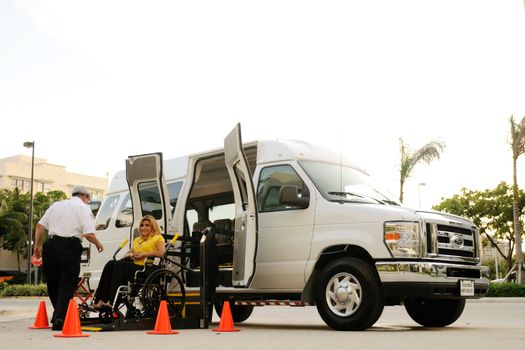
Book your adaptive shuttle tour in advance. These tours are specifically designed for wheelchair users and offer unparalleled access to viewpoints that would otherwise be out of reach. The guides are incredibly knowledgeable and passionate, sharing anecdotes that bring the park to life.
Quick Facts: Yosemite National Park
| Category | Details | Estimated Cost ($) |
| :--------------- | :---------------------------------------------------------------------- | :----------------- |
| Best Time | February (fewer crowds, potential for snow-dusted landscapes) | $30 (entrance fee) |
| How to Get There | Fly into Fresno Yosemite International Airport (FAT), then drive (~1.5 hrs). | |
| Accessibility| Extensive paved trails, adaptive shuttle tours, sensory programs, accessible lodging. | |
| Insider Tip | Visit the Yosemite Valley Visitor Center for their tactile exhibits and braille maps. | |
Acadia National Park, Maine: Coastal Wonders for Every Walker
Acadia in February is a stark, windswept beauty. The air tastes of salt and sea, and the rugged coastline takes on a dramatic, almost ethereal quality. While many of its famous carriage roads are accessible, Acadia has been investing in "Sensory Nature Walks" that are truly exceptional. These aren't just about the views; they're about the experience. Imagine touching the rough bark of a balsam fir, smelling the briny tang of seaweed on the shore, and listening to the rhythmic crash of waves against granite cliffs, all guided by trained naturalists who cater to diverse needs.
Pro-Tip:
The Ocean Path offers incredible accessibility with many sections being flat and wide. In February, you might even spot seals basking on the rocks below. Don't miss the accessible fishing pier at Wonderland – a surprisingly serene spot.
Quick Facts: Acadia National Park
| Category | Details | Estimated Cost ($) |
| :--------------- | :---------------------------------------------------------------------- | :----------------- |
| Best Time | February (dramatic winter scenery, solitude) | $30 (entrance fee) |
| How to Get There | Fly into Bangor International Airport (BGR), then drive (~45 mins). | |
| Accessibility| Accessible carriage roads, sensory nature walks, accessible fishing pier, accessible lodging nearby. | |
| Insider Tip | Check with the Schoodic Peninsula district for less-trafficked, accessible coastal trails. | |
Zion National Park, Utah: Beyond the Narrows
Zion, with its towering sandstone cliffs painted in hues of rust and cream, is a spectacle year-round. While the iconic Narrows hike might be challenging, Zion is actively expanding its accessible offerings, particularly in February 2026. The Pa'rus Trail is a fantastic paved path, but the real gem is their newly developed "Tactile Trail Experience" near the Zion Human History Museum. This trail incorporates textured panels that mimic the park's geology, from the smooth sandstone to the rougher conglomerate, accompanied by braille and audio descriptions.
Pro-Tip:
The Visitor Center has a wealth of information on accessible routes. Ask about their adaptive hiking poles and mobility aids available for loan – they can make a world of difference on slightly uneven terrain.
Quick Facts: Zion National Park
| Category | Details | Estimated Cost ($) |
| :--------------- | :---------------------------------------------------------------------- | :----------------- |
| Best Time | February (milder temperatures, fewer crowds, stunning light) | $35 (entrance fee) |
| How to Get There | Fly into Las Vegas McCarran International Airport (LAS), then drive (~2.5 hrs). | |
| Accessibility| Paved Pa'rus Trail, tactile trail, accessible shuttle system, accessible lodging options. | |
| Insider Tip | Seek out the accessible viewpoints along the Zion-Mount Carmel Highway for breathtaking panoramic vistas without strenuous hiking. | |
Rocky Mountain National Park, Colorado: Alpine Air for All
Rocky Mountain National Park in February is a winter wonderland. Snow blankets the landscape, creating a serene and majestic atmosphere. Beyond the accessible paved sections of the Bear Lake Road corridor, RMNP is piloting a "Winter Sensory Backpack" program. These backpacks are filled with items designed to enhance the sensory experience: textured samples of pinecones and bark, scent vials of mountain wildflowers, and even small bells to attach to walking sticks for an auditory cue.
Pro-Tip:
The Sprague Lake area offers a relatively flat, paved loop with absolutely stunning reflections of the surrounding peaks. In February, it's often quiet enough to truly absorb the immense silence.
Quick Facts: Rocky Mountain National Park
| Category | Details | Estimated Cost ($) |
| :--------------- | :---------------------------------------------------------------------- | :----------------- |
| Best Time | February (snowy landscapes, winter wildlife viewing, fewer crowds) | $25 (entrance fee) |
| How to Get There | Fly into Denver International Airport (DEN), then drive (~1.5 hrs). | |
| Accessibility| Accessible paved sections, sensory backpack program, accessible lodging in Estes Park. | |
| Insider Tip | Moraine Park Museum often has accessible exhibits and ranger talks focusing on adaptive nature appreciation. | |
Grand Teton National Park, Wyoming: Serenity in the Snow
Grand Teton National Park in February is a place of profound quiet and majestic beauty. The jagged peaks of the Tetons, dusted with snow, pierce the crisp blue sky. While many trails are snow-covered, the Andy Griffith Trail offers a more accessible experience, and in February 2026, the park is enhancing its "Wildlife Soundscape" audio tours. These tours, available via smartphone app, provide detailed descriptions of the sounds of the Teton winter – the crunch of snow underfoot, the call of a raven, the distant howl of a coyote – allowing visitors to connect with the park's auditory environment.
Pro-Tip:
The Teton Park Road is often groomed for cross-country skiing and snowshoeing, but certain sections remain accessible for wheelchairs and strollers, offering incredible views of the Teton Range.
Quick Facts: Grand Teton National Park
| Category | Details | Estimated Cost ($) |
| :--------------- | :---------------------------------------------------------------- | :----------------- |
| Best Time | February (pristine snowscapes, solitude, wildlife spotting) | $35 (entrance fee) |
| How to Get There | Fly into Jackson Hole Airport (JAC), then drive (~15 mins). | |
| Accessibility| Accessible sections of Teton Park Road, wildlife soundscape tours, accessible lodging in Jackson. | |
| Insider Tip | The Laurence S. Rockefeller Preserve often has accessible boardwalks and interpretive programs that can be adapted. | |
The Future is Now: Embracing Universal Design in Nature
These parks are not just offering a few accessible features; they are embodying the principles of universal design, creating environments that are usable by all people, to the greatest extent possible, without the need for adaptation or specialized design. In February 2026, this commitment is more evident than ever.
What to Expect Beyond the Brochure:
- Adaptive Equipment Rentals: Think specialized wheelchairs for trails, adaptive cycling equipment, and even guided tours using off-road mobility devices.
- Sensory Gardens & Trails: Areas designed with diverse textures, scents, and sounds to engage visitors with visual or auditory impairments.
- Augmented Reality (AR) Experiences: Interactive apps that can overlay information, historical context, or even tactile representations onto the natural landscape for a richer experience.
- Inclusive Ranger Programs: More ranger-led activities are being tailored to accommodate a wider range of abilities, focusing on storytelling, sensory engagement, and hands-on learning.
- Accessible Lodging & Dining: Parks and nearby towns are increasingly offering accommodations and dining options that cater to diverse needs, from roll-in showers to sensory-friendly menus.
Budgeting for Your Inclusive Adventure:
While park entrance fees remain consistent, consider the cost of any specialized equipment rentals or guided tours. Many parks offer free accessibility resources, but booking in advance is key, especially for February 2026, as these enhanced programs gain popularity. Look for off-season deals on lodging in nearby towns to stretch your budget further.
Logistics Checklist for February 2026:
- Book Accommodation ASAP: Accessible lodging, especially in popular parks, fills up quickly.
- Check Park Websites: For the latest updates on accessibility programs, trail conditions, and any required reservations.
- Pack Accordingly: February weather can be unpredictable. Layers are your best friend! Don't forget sunscreen, even in winter.
- Communicate Your Needs: Don't hesitate to contact park accessibility coordinators in advance to discuss specific requirements. They are there to help!
My journey through these national parks in February 2026 was more than just a trip; it was a powerful reminder that the awe-inspiring beauty of nature is a universal right. These parks are leading the way, proving that with thoughtful design and a genuine commitment to inclusivity, the great outdoors can truly be enjoyed by everyone.