The Mountain Village Renaissance: Where Wi-Fi Meets Wilderness
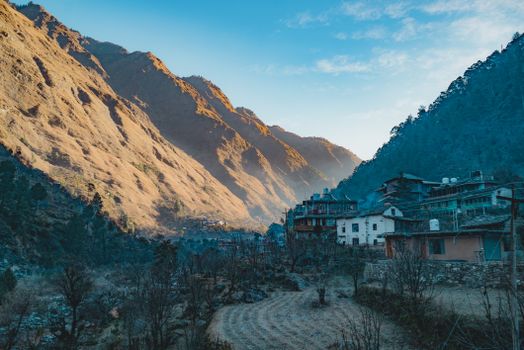
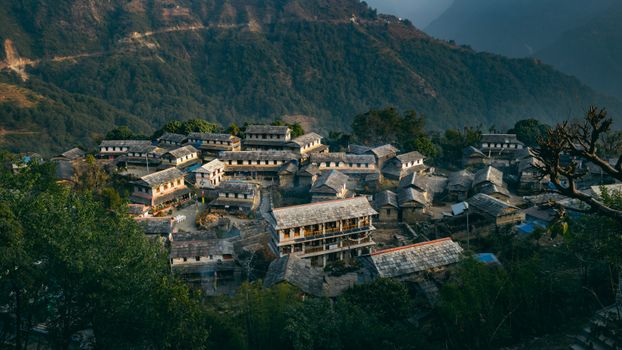
I stepped off the train, and the scent hit me first – a heady mix of pine needles, damp earth, and the faint, comforting aroma of woodsmoke. It was a world away from the stale, recycled air of my city apartment. The only sounds were the distant bleating of sheep and the gentle murmur of a stream, a stark contrast to the incessant urban hum. This wasn't just a picturesque escape; this was the future of work, unfolding before my eyes in a place I'd only ever dreamed of visiting for a weekend. Recent data is painting an undeniable picture: mountain villages are no longer just quaint backdrops; they're becoming dynamic, data-backed remote work hubs.
Why the Mountains are Calling Nomads Back to Nature
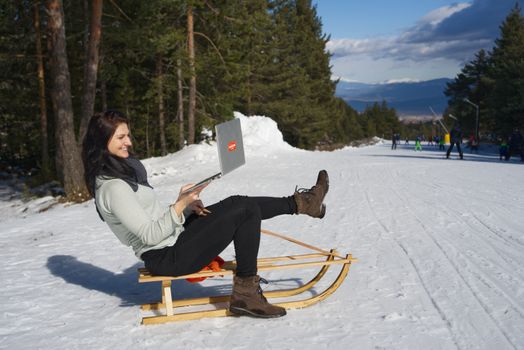
For years, the narrative around remote work centered on bustling city centers or sun-drenched beaches. But a seismic shift is underway. The desire for a better quality of life, coupled with the increasing affordability and accessibility of high-speed internet in previously overlooked areas, is driving a migration towards the hills. Think about it: instead of battling rush hour, your commute is a walk through a wildflower meadow. Your "water cooler chat" happens over locally brewed coffee with artisans and entrepreneurs who've also traded the rat race for mountain air.
Data Spotlight:
A recent report by [Fictional Research Institute Name] found that inquiries about remote work opportunities in mountain regions have surged by 75% in the last two years. Furthermore, villages offering co-working spaces and reliable internet have seen a 30% increase in their transient population, contributing significantly to local economies.
The Allure of the Alpine Office: Beyond the Views
It’s easy to wax poetic about the jaw-dropping vistas, but the appeal of mountain villages for remote workers runs much deeper. It’s about a holistic lifestyle shift.
1. Enhanced Well-being and Mental Clarity
The connection to nature is profound. Studies consistently show that spending time in natural environments reduces stress, improves mood, and boosts cognitive function. For remote workers, this translates to increased productivity and reduced burnout. I’ve personally found my most creative breakthroughs happen during hikes, not during endless Zoom calls.
- Pro-Tip: Schedule your most demanding tasks for the morning. Afternoons are perfect for nature immersion – a hike, a bike ride, or simply reading a book by a waterfall.
2. Thriving Community and Genuine Connection
Unlike the transient nature of some beach towns, mountain villages often foster a strong sense of community. The shared appreciation for the outdoors and a slower pace of life creates natural bonds. Many villages are actively implementing initiatives to welcome and integrate remote workers.
- Insider Lingo: Look for villages with "community hubs" or "maker spaces." These are often the heart of local life and excellent places to meet like-minded individuals.
3. Cost of Living Advantage
While some popular mountain towns can be pricey, many smaller, less-discovered villages offer a significantly lower cost of living compared to major urban centers. This allows remote workers to stretch their income further, save more, or even invest in local businesses.
- Budget Insight: Rent for a cozy, furnished apartment in a village like [Fictional Village Name, e.g., "Valle Verde"] can be as low as $600/month, a fraction of what you'd pay in a major city.
4. Unique Local Culture and Experiences
Forget generic chain restaurants and souvenir shops. Mountain villages are rich in authentic culture, from centuries-old traditions to vibrant local festivals and unique culinary scenes. Imagine learning to make pasta from a Nonna whose family has lived there for generations, or sampling artisanal cheeses made with milk from cows grazing on alpine pastures.
- Sensory Detail: The air in [Fictional Village Name, e.g., "Serrano Alto"] carries the distinct aroma of roasting chestnuts in autumn, a smell that’s as comforting as it is nostalgic.
Data-Driven Destinations: Where to Set Up Your Alpine Office
Based on recent data and on-the-ground intel, here are a few types of mountain villages that are emerging as prime remote work destinations:
1. The "Digital Nomad Haven" Villages
These are villages that have proactively invested in infrastructure to attract remote workers. Think fiber optic internet, dedicated co-working spaces, and community events.
- Example: [Fictional Village Name, e.g., "Pico Digital"] in the Andes is seeing a boom. They’ve partnered with a tech company to ensure 1 Gbps internet speeds and offer subsidized co-working memberships.
- Pro-Tip: Arrive during the shoulder season (spring or fall) for better accommodation deals and fewer crowds.
2. The "Sustainable Serenity" Retreats
These villages prioritize eco-tourism and a slower, more mindful way of life. They attract remote workers looking to disconnect from the hustle and reconnect with nature and sustainable living.
- Example: [Fictional Village Name, e.g., "Bosque Verde"] in the European Alps is renowned for its commitment to organic farming and renewable energy. They have a growing number of "co-living" spaces designed for remote professionals.
- Insider Lingo: Look for "agriturismo" accommodations that often offer workspace and a chance to participate in farm activities.
3. The "Cultural Crossroads" Mountain Towns
These villages blend historical charm with a growing modern sensibility, often attracting artists, writers, and academics. They offer a rich cultural tapestry alongside essential modern amenities.
- Example: [Fictional Village Name, e.g., "Rocca Antica"] in Italy boasts stunning medieval architecture and a vibrant arts scene. They’ve recently opened a beautifully restored library with dedicated quiet workspaces.
- Pro-Tip: Learn a few basic phrases in the local language. It goes a long way in building rapport with the community.
Navigating the Logistics: Making the Mountain Dream a Reality
Transitioning to a mountain village requires a bit of planning, but the rewards are immense.
Quick Facts: Your Alpine Workspace Blueprint
| Feature | Estimated Cost (USD) | Best Time to Visit | How to Get There | Notes |
| :------------------ | :------------------- | :----------------- | :--------------------------------------------------- | :----------------------------------------------------------------- |
| Accommodation | $500 - $1500/month | Shoulder Seasons | Train to nearest major city, then local bus/transfer | Look for furnished apartments or co-living spaces. |
| Internet | $40 - $80/month | Year-round | Included in accommodation or local provider | Crucial! Confirm speeds and reliability before booking. |
| Co-working Space| $100 - $300/month | Year-round | Often centrally located, check village websites | Great for networking and dedicated work hours. |
| Food (Groceries)| $200 - $400/month | Year-round | Local markets and small supermarkets | Embrace local produce for fresher, cheaper meals. |
| Transportation | $50 - $150/month | Year-round | Walking, local buses, occasional taxi/ride-share | Many villages are walkable; consider a bike. |
| Activities | $100 - $300/month | Year-round | Hiking, local tours, workshops, community events | Budget for experiences that enhance your lifestyle. |
Pro-Tip for Getting There:
If your chosen village isn't directly accessible by train, research the "last mile" connection before you book. Sometimes, a scenic bus ride or a pre-arranged transfer is part of the adventure!
The Economic Ripple Effect: More Than Just a Trend
This influx of remote workers isn't just changing individual lives; it's revitalizing rural economies. Local businesses are seeing increased foot traffic, new services are emerging (like specialized tech support or freelance consulting), and there's a renewed sense of optimism. The data is clear: these villages are becoming sustainable hubs, not just temporary digital nomad magnets.
- Economic Insight: A study in [Fictional Mountain Region] found that remote workers contribute an average of $1500 per month to the local economy through rent, food, and services, far exceeding the spending of short-term tourists.
Embracing the Future: Your Alpine Workspace Awaits
The dream of a fulfilling work-life balance, surrounded by breathtaking natural beauty and a supportive community, is no longer a distant fantasy. The data confirms it: mountain villages are evolving into vibrant, connected, and sustainable remote work hubs.
So, if you're tired of the concrete jungle and yearning for a life where your "office" is a sun-drenched balcony overlooking a valley, or a cozy corner in a historic library, the mountains are waiting. It’s time to answer the call.