The Unexpected Call of the Peaks: My First Mountain Remote Work Escape
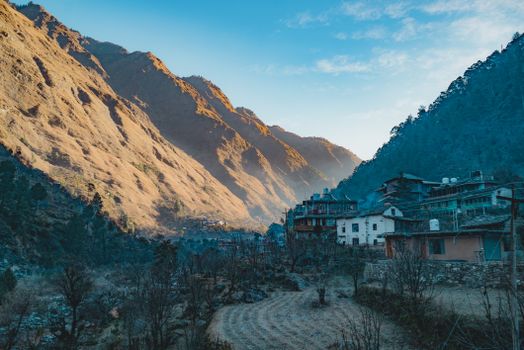
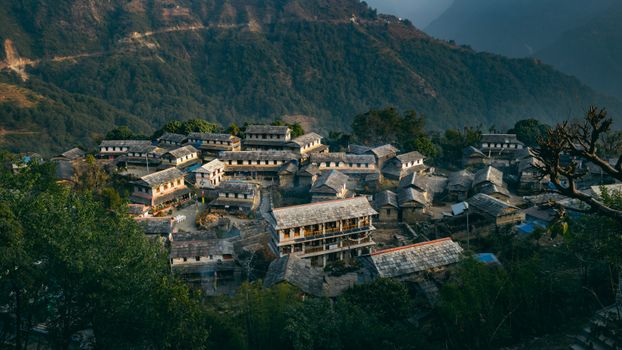
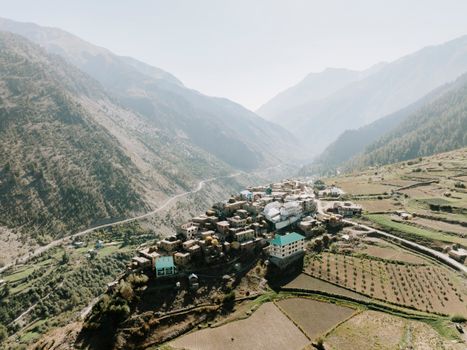
I stepped off the tiny regional train, the scent of pine and damp earth hitting me like a welcome embrace. The air, impossibly crisp, carried the distant clang of cowbells and the murmur of a language I barely understood. This wasn't my usual bustling city airport arrival; this was an invitation. An invitation from a place that, until recently, existed only on faded postcards and in whispered local legends: a mountain village, now quietly blossoming into a vibrant hub for digital nomads. The hum of my laptop felt strangely out of place against the symphony of nature, yet here I was, ready to plug into a new way of working and living.
The Rise of the Alpine Office: Why Mountain Villages are the New Frontier
For years, the digital nomad dream revolved around sun-drenched beaches and bustling co-working spaces in major cities. But a seismic shift is underway. The pandemic accelerated a desire for connection with nature, for a slower pace, and for genuine community. And where better to find all of this than in the majestic embrace of mountain villages? These aren't just quaint, forgotten hamlets anymore. They are evolving, embracing technology, and actively welcoming remote workers seeking a life less ordinary.
Why the sudden surge?
- Quality of Life: Unbeatable natural beauty, fresh air, and opportunities for outdoor adventure right outside your door.
- Affordability: Compared to major cities, many mountain villages offer a significantly lower cost of living, stretching your remote work income further.
- Community: A growing number of these villages are actively fostering co-working initiatives and social events, creating a strong sense of belonging.
- Connectivity: The biggest hurdle has been overcome. Many are now boasting surprisingly robust internet infrastructure, making remote work not just a dream, but a reality.
Hidden Gems Unveiled: Top Mountain Villages Becoming Remote Work Havens
Forget the crowded, over-hyped spots. I've scoured the globe (and my contacts list) to bring you the villages that are truly emerging this year, blending rustic charm with modern connectivity.
1. Val di Funes, Italy: Dolomites' Digital Sanctuary
Nestled in the heart of the South Tyrolean Dolomites, Val di Funes is straight out of a fairytale. Imagine waking up to jagged peaks, lush green meadows dotted with wildflowers, and the iconic Odle/Geisler group dominating the skyline.
- The Vibe: Serene, breathtakingly beautiful, and deeply connected to nature. Think hiking boots and fresh strudel.
- Remote Work Reality: While not yet boasting dedicated co-working towers, local guesthouses and cafes are increasingly accommodating. The key is to connect with local initiatives.
- Insider Tip: "Find the 'Bäckerei' in Santa Maddalena around 7 AM for the freshest apple strudel and the best Wi-Fi password." The local baker is often the unofficial information hub.
- Authenticity: The scent of hay drying in the sun, the distinct Ladin language snippets you'll overhear, and the hearty, locally sourced cuisine (try the Schlutzkrapfen!).
2. Mestia, Georgia: Svaneti's Rugged Charm
In the remote Svaneti region of Georgia, Mestia is an ancient town where medieval defensive towers pierce the sky. It’s a place where history breathes, and the Caucasus Mountains provide a dramatic, awe-inspiring backdrop.
- The Vibe: Raw, adventurous, and culturally rich. This is for the intrepid remote worker.
- Remote Work Reality: Internet has improved dramatically, with several guesthouses and a few emerging co-working spaces catering to the growing number of digital nomads.
- Pro-Tip: "Ask your guesthouse owner about the 'Svan Tower experience.' Some offer rooftop workspaces with unparalleled views. Book in advance, especially during shoulder seasons."
- Authenticity: The haunting melodies of Svan folk songs, the taste of Kubdari (meat-filled bread), and the stoic, welcoming nature of the Svan people.
3. Lauterbrunnen, Switzerland: The Valley of Waterfalls
Yes, it's famous, but the magic of Lauterbrunnen is undeniable, and it's quietly becoming a magnet for remote workers seeking that iconic Swiss Alps experience without the exorbitant Zurich price tag. The valley floor is a spectacle of 72 thundering waterfalls.
- The Vibe: Picture-perfect, idyllic, and incredibly active.
- Remote Work Reality: While accommodation can be pricey, many chalets and apartments are now offering longer-term rentals with excellent internet. Look for options slightly outside the main village for better value.
- Insider Tip: "Rent a bike and cycle towards Wengen. You'll find quieter spots with cafes that have surprisingly good Wi-Fi and fewer tourists. The views are insane."
- Authenticity: The sound of cowbells echoing off the sheer cliff faces, the smell of melted cheese from a nearby fondue restaurant, and the crisp, clean mountain air that invigorates you.
4. San Sebastián de La Gomera, Canary Islands, Spain: Atlantic Altitude
While not strictly 'mountainous' in the Alps sense, this charming capital on La Gomera offers a unique blend of Atlantic breezes and elevated island living, with dramatic volcanic landscapes surrounding it. It’s a gateway to exploring the island's unique Garajonay National Park.
- The Vibe: Laid-back island life with a touch of sophistication, perfect for those seeking sunshine and sea alongside their work.
- Remote Work Reality: The island is investing in infrastructure. You'll find reliable internet in apartments and cafes, and a growing community of remote workers enjoying the mild climate year-round.
- Pro-Tip: "Don't miss the 'Mercado Municipal' in the morning. Grab some local cheese and bread, then find a bench overlooking the harbor. It's your free, open-air office."
- Authenticity: The unique whistling language of La Gomera (Silbo Gomero), the scent of salt and blooming bougainvillea, and the rhythm of island life.
Mastering the Mountain Remote Work Lifestyle: Your Practical Guide
Transitioning to a mountain village requires a different approach than a city-based digital nomad stint. It's about embracing the rhythm of nature and community.
Navigating Connectivity:
- Research is Key: Before booking, verify internet speeds. Look for mentions of fiber optic or reliable Wi-Fi in rental descriptions.
- Backup Options: Consider a local SIM card with a generous data plan or a portable Wi-Fi hotspot as a backup.
- Co-working Spaces: Even if nascent, seek them out. They are often the social and professional hubs.
Finding Your Nest:
- Long-Term Rentals: Websites like Airbnb, Booking.com, and local real estate sites are your best bet. Look for "monthly stays."
- Guesthouses & Pensions: Often family-run, these can offer authentic experiences and valuable local insights.
- Community Boards: Once you arrive, check local notice boards for apartment listings or shared workspace opportunities.
Embracing the Culture:
- Learn Basic Phrases: Even a few words in the local language go a long way.
- Support Local Businesses: Frequent cafes, bakeries, and markets. This is how you build connections.
- Respect the Pace: Life moves differently in mountain villages. Embrace the slower rhythm.
The Budget Breakdown: Can You Afford the Alpine Dream?
Here's a realistic glimpse into the costs. Prices are estimates and can fluctuate significantly based on season and specific location.
| Category | Estimated Cost (USD) | Notes |
| :------------------- | :------------------- | :-------------------------------------------------------------------- |
| Accommodation | $600 - $1500/month | Varies wildly; shared apartments or basic guesthouses are cheaper. |
| Food (Groceries) | $300 - $500/month | Cooking at home is significantly cheaper than eating out daily. |
| Food (Dining Out)| $150 - $300/month | Enjoying local cuisine occasionally. |
| Transportation | $50 - $150/month | Local buses, occasional taxis, or bike rentals. |
| Internet | $30 - $70/month | Often included in rent; otherwise, a separate mobile plan. |
| Activities | $100 - $200/month | Hiking permits, museum entries, local tours. |
| Total Estimate | $1230 - $2720/month| This offers a comfortable yet budget-conscious lifestyle. |
Best Time to Visit:
- Shoulder Seasons (Spring/Autumn): Ideal for fewer crowds, pleasant weather, and often better accommodation deals.
- Summer: Vibrant, but can be busier and more expensive. Perfect for hiking and outdoor activities.
- Winter: Magical for snow sports, but access and internet can be more challenging.
How to Get There:
- Nearest Major Airport: Research the closest international or major domestic airport.
- Regional Transport: From the airport, you'll typically use regional trains, buses, or hire a car.
- Local Travel: Once in the village, walking, cycling, or local public transport are common.
Beyond the Wi-Fi: The True Magic of Mountain Living
It's easy to get caught up in the logistics – the internet speed, the best cafes. But the real draw of these emerging mountain hubs is the profound shift in perspective. It's about reconnecting with the natural world, finding a genuine community, and rediscovering a sense of peace.
I remember one evening in Val di Funes, after a day of coding and client calls, I simply walked out my door. The sun was setting behind the Odle peaks, painting the sky in hues of orange and purple. The only sounds were the wind rustling through the pines and the distant bleating of sheep. In that moment, my laptop felt like a tool, not a master. This is the promise of these mountain villages – a life where work supports living, not the other way around.
So, pack your hiking boots, your laptop, and your sense of adventure. The mountains are calling, and this year, they’re ready for you to work from their breathtaking heights.