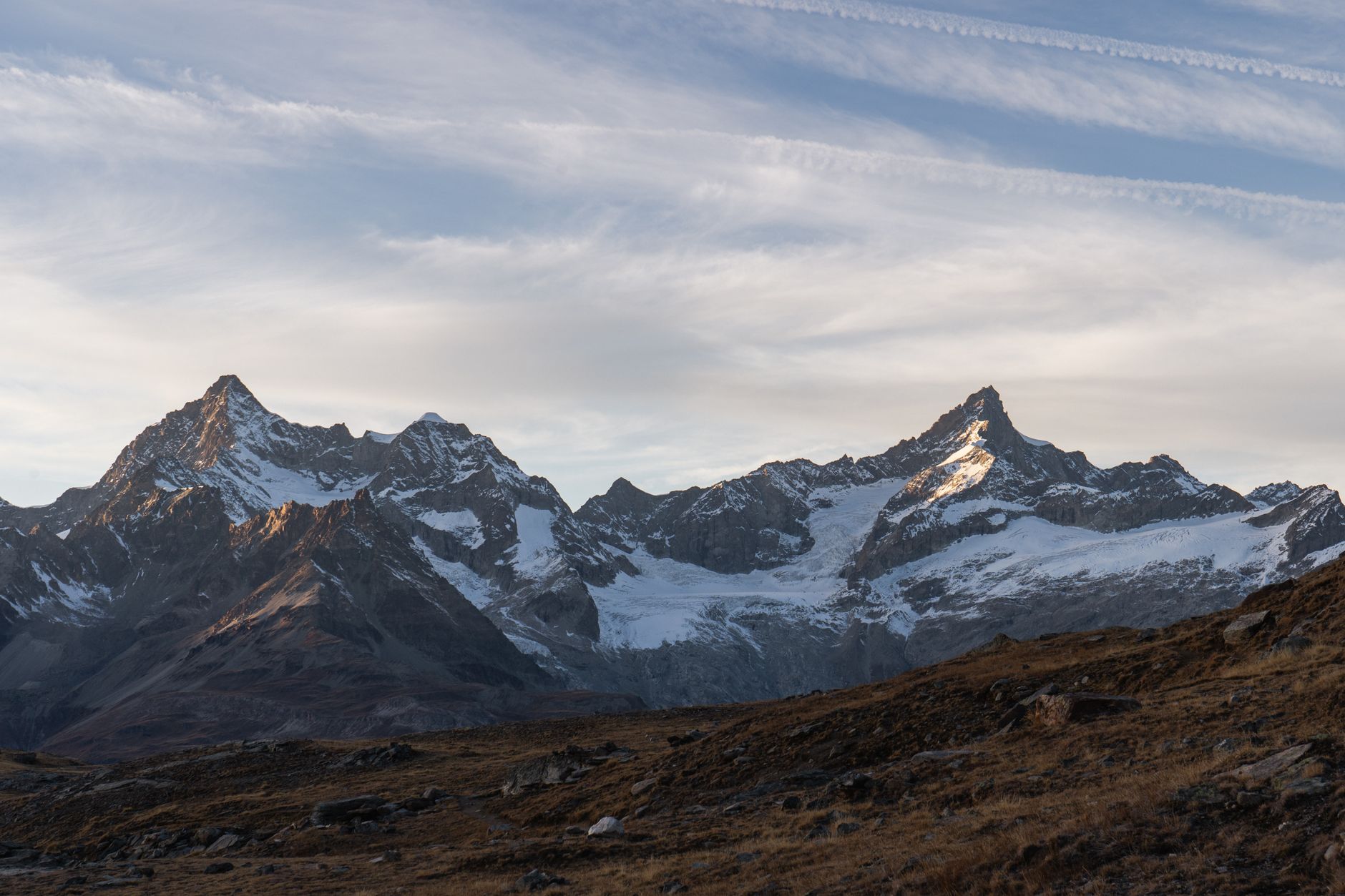
The Quest for Dawn's Untouched Canvas: Unveiling Mountain Sunrises Locals Don't Want You to Know
There’s a moment, isn't there? That fleeting, ethereal instant when the world holds its breath, just before the sun crests the horizon, painting the sky in hues so vivid they feel like a dream. For a travel photographer, for any true wanderer, chasing that perfect sunrise is more than just an activity; it's a pilgrimage.
But let's be honest. How many times have you hauled yourself out of bed at 3 AM, navigated winding roads in the dark, only to arrive at a "secret" viewpoint packed with tripods, selfie sticks, and the general clamor of a crowd? I’ve been there. Too many times. My early adventures chasing the dawn often ended in a beautiful view, yes, but marred by the collective sigh of hundreds, the jostling for position, and the distinct feeling that I was just another face in a sea of tourists.
It was after one particularly frustrating morning at a supposedly "hidden" spot in the Dolomites – where the sheer number of people made it feel more like a rock concert than a spiritual experience – that I vowed to change my approach. I realized that the true magic wasn't just in the light, but in the solitude, the quiet reverence, and the feeling of discovering something truly special.
That's when I started asking different questions. I stopped looking at guidebooks and began listening to the whispers of locals. The grizzled mountain guides, the quiet innkeepers, the shepherds tending their flocks – they held the real secrets. It took patience, trust, and a willingness to venture far beyond the well-trodden paths, but slowly, painstakingly, I started to uncover them.
These aren't just pretty views; these are experiences. These are places where the air tastes cleaner, the silence is profound, and the sunrise feels like a personal gift from the universe. These are the mountain peaks locals cherish, the ones they guard with a quiet pride, the ones they truly don't want tourists to know about. And now, with a solemn promise that you'll treat them with the respect they deserve, I'm going to share a few of them with you.
1. Piz da la Crusc: The Dolomites' Whispering Giant (Italian Dolomites, Italy)
Location Vibe:
Forget Seceda and Tre Cime's crowded viewpoints. Piz da la Crusc (not to be confused with the popular Santa Croce sanctuary, though it’s nearby) offers a completely different, raw, and utterly breathtaking perspective of the Dolomites. Nestled deeper within a lesser-explored valley, this viewpoint is an arduous hike away, deterring all but the most dedicated.
My Discovery Story:
I was having a particularly dreadful day of photography, soaked by an unexpected storm, when I stumbled into a tiny rifugio. The owner, an elderly woman named Elena, took pity on me, warming me with homemade grappa. As the storm cleared, revealing a sliver of sunset, I showed her some of my previous sunrise shots. She scoffed good-naturedly, "Beautiful, yes, but you haven't seen the true Dolomites until you've seen Piz da la Crusc awaken." She drew me a rough map on a napkin, detailing a path only locals knew, stressing the early start and the difficulty.
The Sunrise Experience:
The hike begins in pitch black, often before 3 AM, from a small, unnamed parking area near La Valle. The trail is steep, rocky, and unmarked in many sections, requiring good navigation skills or a local guide (Elena arranged for her nephew, Marco, to take me for €100). As you ascend, the air grows crisp, carrying the scent of pine and damp earth. Reaching the saddle, just below the true peak, about an hour before dawn, is the goal.
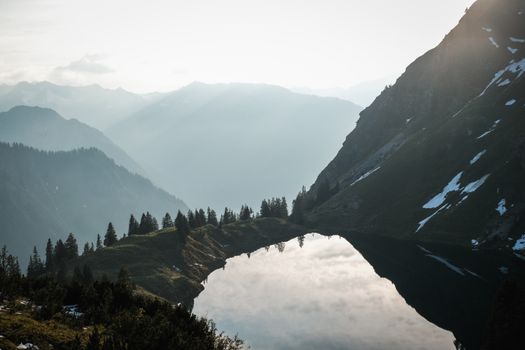
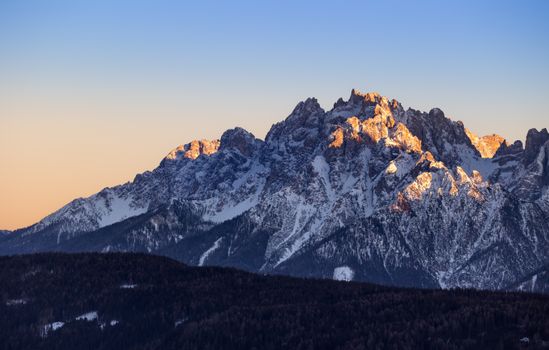
The view is unparalleled. Instead of the iconic peaks, you're looking into a vast amphitheater of jagged, grey giants, their lower slopes still cloaked in deep shadow. As the first rays of sun kiss the highest pinnacles, they ignite in a fiery orange, then a soft pink, slowly descending to illuminate the entire landscape. The light is incredibly dramatic, creating deep shadows and vibrant highlights. Below, a pristine alpine lake, Lago di Lé, often reflects the spectacle perfectly. It’s a photographer's dream – sharp, clear air, no light pollution, and absolute silence, save for the distant chime of cowbells.
Practical Tips:
* Best Time: Late spring (June) for wildflowers or early autumn (September) for clear skies and crisp air. Avoid peak summer.
* Getting There: Drive to a small village near La Valle in South Tyrol. Marco charged €100 for guiding, but prices vary. A good headlamp, sturdy hiking boots, and layers are essential.
* Photography Gear: Wide-angle lens (14-24mm), sturdy tripod, remote shutter. Focus stacking can be useful for foreground-to-background sharpness.
* Local Secret: Ask around for local guides in La Valle or Badia. They might be hesitant at first, but a genuine interest in the mountains and respect for their culture will open doors.
* Instagram-Worthy: Capture the fiery peaks against the deep blue pre-dawn sky, or the reflection in Lago di Lé. Use a long exposure to smooth the water.
2. Doi Luang Sai: Thailand's Sea of Clouds Sanctuary (Northern Thailand)
Location Vibe:
Move beyond the popular Doi Inthanon or Phu Chi Fa. Doi Luang Sai is a truly ethereal experience, a remote peak in the far north of Thailand, close to the Lao border. It's known to only a handful of hill tribe villages and local photographers who guard its beauty fiercely. The reward is a 'sea of clouds' sunrise that will redefine your understanding of misty mornings.
My Discovery Story:
I was cycling through rural Chiang Rai province, completely lost and drenched from a sudden downpour, when a kind Lahu family invited me into their bamboo stilt house. Over bowls of spicy noodle soup, I showed them photos of Phu Chi Fa, expressing my disappointment at the crowds. The patriarch, an elder named Akha, chuckled. "You want clouds, truly? Not just people?" He then drew me a map of a rough track leading up to Doi Luang Sai, explaining it was sacred to his people, a place they went for contemplation. He arranged for his nephew, a young man named Panya, to take me on his motorbike for a small fee (about 500 baht).
The Sunrise Experience:
The journey to Doi Luang Sai is an adventure in itself. Panya's old motorbike bounced along a dirt track, sometimes barely a path, through dense jungle. We started at 4 AM, the air thick with the scent of tropical foliage. The final ascent is a short, steep walk through a bamboo forest, emerging onto a small, grassy plateau.
And then, it hits you. Below, as far as the eye can see, is an undulating ocean of white clouds, stretching to the horizon. Only the very highest peaks of distant mountains emerge like islands in this ethereal sea. As the sun rises, it first paints the eastern sky in soft pastels – pinks, oranges, purples – which then reflect onto the clouds, turning them into a canvas of shifting colors. The light is soft, diffuse, and utterly magical. The silence is broken only by the chirping of unseen birds and the gentle rustle of the wind. Panya and I shared a thermos of hot tea, watching in serene communion.
Practical Tips:
* Best Time: November to February offers the best chance for the "sea of clouds" phenomenon due to cooler, stable air.
* Getting There: Fly into Chiang Rai. From there, hire a local driver or, better yet, ask around in smaller towns like Mae Salong for a local guide with a 4x4 or sturdy motorbike. Expect to pay around ฿1000-2000 for a guide and transport for the round trip.
* Photography Gear: Telephoto lens (70-200mm) is excellent for compressing the cloud layers and isolating distant peaks. Wide-angle for the expansive view. ND filters can create silky smooth cloud movement with long exposures.
* Local Secret: Learn a few basic Thai phrases, especially greetings. Offering a small gift (like fruit or a warm blanket for the cold morning) to your guide or host family goes a long way.
* Instagram-Worthy: Capture the pastel hues reflecting on the cloud sea, or a silhouette of a lone tree against the vibrant sky. A time-lapse of the clouds moving is incredible.
3. Cerro Escondido: Patagonia's Untamed Dawn (Patagonia, Argentina)
Location Vibe:
Patagonia is synonymous with epic landscapes, but its most famous trails can still draw crowds. Cerro Escondido, a fictional name for a very real kind of hidden gem, is a rugged, windswept peak nestled deep within a less-visited section of Los Glaciares National Park, accessible only via a multi-day trek that few attempt. It offers dramatic glacial views, pristine lakes, and a sunrise that feels like the dawn of creation.
My Discovery Story:
I was in El Chaltén, lamenting the ever-growing popularity of Fitz Roy, when I struck up a conversation with a grizzled gaucho named Mateo at a tiny, unassuming bar. He spoke of "Cerro Escondido" – a place of such profound beauty that only the condors and a few old-timers ever saw its dawn. He described a challenging 3-day trek, requiring river crossings and basic mountaineering skills. Intrigued, I hired him and his son, Lucas, as guides for a steep but fair price (around $800 USD for the 3-day expedition, including mules for gear).
The Sunrise Experience:
This isn't a quick morning hike. This is an expedition. We hiked for two full days, crossing glacial rivers, traversing vast pampas, and ascending rocky moraines, camping in remote valleys where the only sounds were the wind and the distant rumble of ice calving. On the third morning, after a frigid night in our tent, we began the final ascent to the Cerro Escondido viewpoint at 3:30 AM.
The air was biting, the wind relentless, but the anticipation was electric. As we reached a high ridge, the world unfolded before us. Below lay a series of turquoise glacial lakes, still and reflective. To the east, the sky was already beginning to lighten. To the west, jagged, ice-capped peaks, including a distant, lesser-known face of Fitz Roy, stood sentinel. When the sun finally burst over the horizon, it didn't just illuminate; it ignited the landscape. The glaciers turned a brilliant orange, the lakes shimmered with reflected fire, and the stark, raw beauty of Patagonia was laid bare in a symphony of light and shadow. The feeling of being the only humans for miles, witnessing such grandeur, was profoundly humbling.
Practical Tips:
* Best Time: December to March (Patagonian summer) for milder weather, though still unpredictable. Be prepared for all four seasons in a single day.
* Getting There: Fly into El Calafate, then bus to El Chaltén. This is where you'll find local guides. You absolutely need an experienced, certified local guide for this kind of trek.
* Photography Gear: Wide-angle for sweeping landscapes, telephoto for isolating peaks and details. Graduated ND filters for balancing bright skies and dark foregrounds. A sturdy tripod is non-negotiable in the wind.
* Local Secret: Many guides won't advertise these truly remote routes. Build rapport, explain your passion for unspoiled nature, and be prepared for a challenging but rewarding journey. Pack layers, waterproof gear, and plenty of high-energy snacks.
* Instagram-Worthy: Capture the dramatic light on the glacial peaks, the vivid turquoise of the lakes, and the sheer scale of the Patagonian wilderness. A wide panorama is a must.
4. Ras Dejen's Secret Viewpoint: Ethiopia's Simien Majesty (Simien Mountains, Ethiopia)
Location Vibe:
The Simien Mountains are Ethiopia’s crown jewel, a UNESCO World Heritage site known for its dramatic escarpments and unique wildlife. While trekking to Ras Dejen, Ethiopia's highest peak, is popular, there’s a specific, hidden viewpoint that offers an unparalleled sunrise over the "Grand Canyon of Africa," far from the main tourist camps.
My Discovery Story:
I was on a multi-day trek through the Simiens, accompanied by my scout, Solomon, who was also a phenomenal cook. One evening, as we sat by the fire, looking at my photos, he pointed to one of the famous viewpoints. "Beautiful," he said, "but the real spirit of the mountains, the first light, comes from a place higher, harder to reach. My grandfather showed me." It was an old shepherd's path, rarely used now. He offered to take me there the next morning, for an extra fee (around $50 USD, plus an additional day's pay for him and the armed scout).
The Sunrise Experience:
We left camp around 4 AM, hiking through the cool, thin air. The path was barely visible, winding along the edge of sheer cliffs, with the stars blazing overhead. The silence was profound, broken only by our footsteps and the distant calls of gelada baboons waking up. After about two hours of steady ascent, we reached a small, flat outcrop.
The view was nothing short of biblical. We were perched high above a vast, jagged expanse of canyons, valleys, and towering pinnacles, all carved by millennia of erosion. The eastern horizon began to glow, and as the sun rose, it slowly illuminated this incredible landscape. The deep shadows in the canyons receded, revealing layers of ancient rock in rich reds, browns, and ochres. Flocks of choughs soared below us, catching the first rays of light. The air was crystal clear, and the sheer scale of the landscape was overwhelming. It was a sunrise that connected you not just to nature, but to the ancient history of the Earth itself.
Practical Tips:
* Best Time: October to May for dry season, offering clear skies and best visibility.
* Getting There: Fly into Gondar, then arrange a tour to the Simien Mountains National Park. You must have a licensed guide, scout, and often a cook/muleteer. This secret viewpoint requires negotiating with your local guide/scout for an additional, off-trail excursion. Budget around $100-150 USD per day for a standard tour, plus extra for the secret spot.
* Photography Gear: Wide-angle for the vast panoramas. Telephoto for isolating interesting rock formations or wildlife (gelada baboons, Walia ibex are often seen). A sturdy tripod and warm layers are essential.
* Local Secret: Building trust with your guide is key. Show genuine interest in their culture and the local environment. Ask about their favorite spots, not just the ones in the brochure. Be prepared for basic facilities – this is true wilderness.
* Instagram-Worthy: Capture the dramatic layered canyons catching the golden hour light, or a silhouette of a gelada baboon against the fiery sky. The sense of scale is incredible.
5. Mount Ruapehu's Eastern Shoulder: New Zealand's Volcanic Grandeur (North Island, New Zealand)
Location Vibe:
New Zealand's South Island gets all the glory, but the North Island holds its own secrets. Mount Ruapehu, an active stratovolcano, is a majestic beast. While its main ski fields are popular, a specific, challenging route up its eastern shoulder leads to a viewpoint that offers a stark, otherworldly sunrise over the volcanic plateau, with the distant peaks of Ngauruhoe and Tongariro appearing like sentinels.
My Discovery Story:
I was road-tripping through Tongariro National Park, and after a disappointing, cloud-obscured sunrise at a well-known lookout, I retreated to a small, unassuming café. The barista, a young Māori woman named Kiri, saw my dejected face. She told me about her grandfather, who would take her up a "different way" on Ruapehu, away from the crowds, to watch the sun rise over the entire plateau. It was a route he used for hunting, not for tourists. She drew me a rough sketch, warning of the challenging terrain and the need for proper gear. She even gave me a contact for a local guide, Wiremu, who knew the route (cost me NZD$350 for a full day, including the pre-dawn hike).
The Sunrise Experience:
Wiremu and I started our ascent at 2:30 AM from an unmarked track near the Rangipo Desert. The hike was relentless – steep, rocky scree slopes, often requiring scrambling over volcanic boulders. The air was thin and bitingly cold. We wore crampons for patches of ice even in late spring. As we reached a high point on the eastern shoulder, just as the sky began to lighten, the view was unlike anything I'd ever seen.
The landscape was stark, barren, and beautiful – a vast volcanic wilderness. In the distance, the perfect cone of Mount Ngauruhoe (Mount Doom for LOTR fans) and the rugged peaks of Tongariro began to emerge from the darkness. As the sun broke, it bathed the entire scene in a surreal, golden-orange light. The volcanic rock glowed, steam sometimes wisped from vents, and the shadows stretched long and dramatic across the desolate plateau. The silence was absolute, save for the wind whistling past our ears. It felt like being on another planet, witnessing creation itself.
Practical Tips:
* Best Time: Late spring (November-December) or early autumn (April-May) for the best balance of weather and snow conditions. Winter is for experienced mountaineers only.
* Getting There: Drive to Tongariro National Park. Seek out local guides in nearby towns like Ohakune or National Park Village. This route is challenging and requires a guide with alpine experience, even in warmer months.
* Photography Gear: Wide-angle for the expansive volcanic landscape, telephoto for isolating Ngauruhoe and Tongariro. A sturdy tripod, warm, windproof layers, and potentially microspikes/crampons are crucial.
* Local Secret: This area is sacred to Māori. Show immense respect for the land (tapu) and its cultural significance. Engage with local guides, learn about their connection to the mountains, and you might unlock truly special experiences.
* Instagram-Worthy: Capture the iconic conical peaks silhouetted against the vibrant sunrise, or the dramatic textures of the volcanic rock bathed in golden light. A long exposure of the clouds streaking across the sky adds drama.
The Unwritten Rule: How to Keep These Secrets Alive
Sharing these spots feels a bit like revealing a cherished secret, and it is. But my hope isn't to open the floodgates. My hope is to inspire a different kind of travel – one that prioritizes authentic experience, respect for local culture, and a deep reverence for nature.
If you choose to seek out these (or similar) hidden gems, remember the unwritten rule:
- Go with a Local: Always, always hire local guides. They know the terrain, the culture, and the safest routes. They are your gateway to these secrets, and your investment directly supports their communities.
- Leave No Trace: Pack it in, pack it out. Leave absolutely nothing behind but footprints (and take nothing but photos). This means carrying out all your trash, including organic waste.
- Respect Culture: These places often hold deep cultural or spiritual significance for locals. Be mindful, be quiet, and ask permission before photographing people or sacred sites.
- Stay Humble: You're a guest in their backyard. Be polite, be patient, and be grateful.
- Keep it Quiet (Relatively): When you share your photos, consider not geotagging the exact spot. Encourage others to seek out local guides and discover their own hidden gems, rather than just following a pinpoint on a map.
These sunrises aren’t just about the light; they're about the journey, the challenge, the connection, and the profound silence that allows you to truly feel the world waking up. They are moments of pure magic, untouched by the crowds, and worthy of our deepest respect and protection.
So, are you ready to chase the dawn, not just for a pretty picture, but for an experience that will stay with you long after the sun has climbed high? The mountains are calling, and their secrets await.
---