Chasing the First Light: Why November is Your Secret Weapon for Mountain Sunrise Photography
I remember my first truly epic mountain sunrise. It was a frigid morning in the Canadian Rockies, long before dawn. My fingers were numb, the coffee in my thermos was rapidly cooling, and the only sound was the crunch of my boots on fresh snow. Doubt crept in – was this worth it? Then, a whisper of pink bloomed on the horizon, painting the jagged peaks of Mount Rundle in hues I'd only seen in paintings. As the sun crested, a golden explosion turned the world into a masterpiece, and every shiver, every early start, every frozen finger vanished, replaced by pure, unadulterated awe. My camera clicked, capturing not just an image, but a feeling. That, my friends, is the magic of mountain sunrise photography.
And if you’re chasing that magic, mark your calendars for November 2025. Why November? It’s a photographer’s dream month. The air is often crisp and clear, offering incredible visibility. The sun rises later, meaning less agonizingly early wake-ups (though still early!). And crucially, many popular spots are transitioning from autumn crowds to pre-winter quiet, offering solitude and that coveted dusting of fresh snow that transforms landscapes into ethereal wonderland.
On Tripsora, we live for these moments. So, grab your warmest layers, charge your batteries, and let’s dive into the most spectacular mountain peaks calling your name for a sunrise shoot in November 2025. Trust me, these are the views you’ll want to bookmark, share, and experience.
1. The Dolomites, Italy: Alpenglow on Jagged Spires
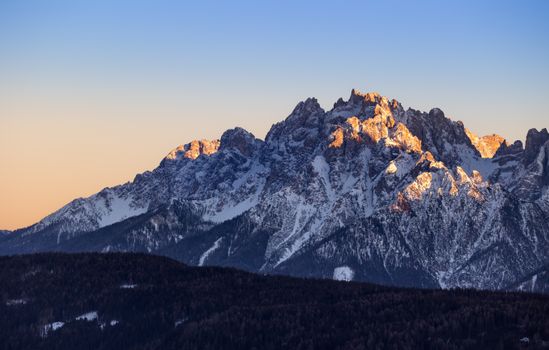
Imagine a symphony of jagged limestone peaks, often dusted with early season snow, catching the first golden rays of dawn. That’s the Dolomites in November. This UNESCO World Heritage site in northeastern Italy is an absolute playground for landscape photographers, and November offers a unique blend of moody drama and breathtaking clarity.
Why the Dolomites in November 2025?
While summer brings vibrant wildflowers and busy trails, November offers a quieter, more atmospheric experience. The air is typically dry and clear, leading to incredibly sharp views. You might even catch the first significant snowfall, transforming the landscape into a winter wonderland without the deep snow challenges of mid-winter. The "Alpenglow" – that reddish glow on the mountains at sunrise and sunset – is particularly vibrant in the crisp November air.
The Shot: What to Capture
* Tre Cime di Lavaredo: The iconic three peaks are a must-see. While the main road might be closed in November, you can still access stunning views from nearby spots like Lago di Braies (Pragser Wildsee) or even drive towards Misurina for distant panoramas. My personal favorite for an epic shot is from a viewpoint overlooking the Drei Zinnen from the south, where you can capture their dramatic silhouette against the rising sun.
* Seceda: Accessible via cable car (check seasonal operation for Nov 2025!), Seceda offers incredible views of the Odle group. The sharp, knife-edge ridges are perfect for leading lines into the sunrise.
* Lago di Braies: The famous boathouse and crystal-clear lake reflecting the surrounding peaks are magical. Arrive well before dawn to capture the pre-dawn blues, then the golden light hitting the mountain tops.
Logistics & Local Lore:
* Getting There: Fly into Venice (VCE) or Innsbruck (INN) and rent a car. A car is essential for flexibility.
* Accommodation: Stay in charming towns like Cortina d'Ampezzo, Ortisei, or Dobbiaco. Prices tend to be lower in November than peak season. Expect to pay around €80-€150 per night for a good B&B or hotel.
* Tips: Check cable car schedules meticulously, as many close for maintenance in November before reopening for ski season. Pack warm layers – temperatures can drop below freezing. A sturdy tripod is non-negotiable for low-light shots.
My Story: I remember one November morning near Lago di Braies. I'd set up my tripod, fingers already numb, when a thick fog rolled in, obscuring everything. I almost packed up, disheartened. But then, as the sun began to rise, the fog started to lift, revealing the peaks one by one, bathed in a surreal golden glow. It was a reminder that sometimes, the most challenging conditions yield the most unique, unforgettable shots.
2. Banff National Park, Canada: Frozen Reflections and Icy Majesty
The Canadian Rockies are legendary, and Banff National Park offers some of the most accessible and stunning mountain views. While some popular spots like Moraine Lake road are closed by November, there are still countless opportunities for breathtaking sunrise photography.
Why Banff in November 2025?
November in Banff is a transition month. The larch trees have shed their golden needles, but the first significant snowfalls often arrive, dusting the peaks and forests in white. Lakes like Vermillion Lakes and Two Jack Lake might be partially frozen, creating fascinating textures and reflections. The crisp, cold air almost guarantees clear skies, and the golden hour light is incredibly soft and warm against the cold landscape.
The Shot: What to Capture
* Vermillion Lakes: Just outside Banff townsite, these serene lakes offer iconic reflections of Mount Rundle. Arrive early to capture the pre-dawn colors and the mountain’s silhouette, then watch as the golden light creeps down its slopes, painting the water. Look for steam rising off the partially frozen water on truly cold mornings – it adds a magical element.
* Two Jack Lake: Another easily accessible spot with stunning views of Mount Rundle and Cascade Mountain. The lake often freezes over in patches, creating interesting foregrounds.
* Lake Minnewanka Scenic Drive: Offers several pull-offs with panoramic views, perfect for capturing wide-angle shots of the vast landscape catching the morning light.
* Sulphur Mountain: Take the Banff Gondola (check operating hours for November 2025, usually open) to the summit for a bird's-eye view of the Bow Valley and surrounding peaks. It's a fantastic spot for a wide-angle sunrise panorama.
Logistics & Local Lore:
* Getting There: Fly into Calgary International Airport (YYC) and drive 1.5-2 hours to Banff. A rental car is essential.
* Accommodation: Banff townsite offers a range of options, from budget hostels to luxury hotels. Expect to pay CAD$100-CAD$300+ per night. Book in advance, especially for weekends.
* Park Pass: A Parks Canada Discovery Pass is required for entry into the national park (approx. CAD$72.25 for a family/group annually, or CAD$10.50 per person daily).
* Tips: Pack extreme cold weather gear. Temperatures can easily drop to -15°C (5°F) or colder. Hand warmers are a lifesaver. Check ice conditions on lakes before venturing too close.
My Story: One November sunrise at Vermillion Lakes, I was setting up my tripod when a herd of elk, silhouetted against the pre-dawn glow, ambled across the far shore. It was a fleeting, perfect moment of wildlife photography, a reminder that nature always has surprises in store if you're patient enough to wait for the light.
3. Patagonia, Argentina/Chile: The Untamed Dawn of the Andes
For the truly adventurous, Patagonia in November offers an unparalleled sunrise photography experience. This rugged region at the southern tip of South America boasts some of the world's most dramatic and untamed mountain landscapes, like the iconic Fitz Roy massif and the granite spires of Torres del Paine. November marks the beginning of spring in the Southern Hemisphere, meaning longer days and slightly milder weather than winter, but still very much a wild, unpredictable frontier.
Why Patagonia in November 2025?
November is an excellent shoulder season for Patagonia. While still prone to strong winds and unpredictable weather, the major trekking routes are typically open, and the crowds are not yet at their peak. You'll find a beautiful mix of lingering snow on the highest peaks, emerging spring greenery, and incredibly dynamic skies that offer dramatic light for photography.
The Shot: What to Capture
* Mount Fitz Roy (Argentina): From El Chaltén, hike to Laguna de los Tres for the classic reflection shot of Fitz Roy at dawn. This is a challenging, multi-hour pre-dawn hike, but the reward is legendary. Alternatively, for a less strenuous option, the Mirador de los Cóndores and Mirador Las Águilas offer stunning views of the valley and Fitz Roy bathed in morning light.
* Torres del Paine (Chile): The "Towers of Paine" are iconic. The classic shot involves hiking to the base of the towers (Mirador Base Torres) for sunrise. This is an intense, early-morning trek, often requiring an overnight stay at a nearby campsite. Alternatively, viewpoints along the "W" or "O" treks offer incredible vistas of the park's diverse landscapes at dawn.
* Cerro Torre: Also accessible from El Chaltén, the hike to Laguna Torre provides stunning views of Cerro Torre's needle-like peak, often with glaciers reflecting the sunrise.
Logistics & Local Lore:
* Getting There: Fly into El Calafate (FTE) in Argentina for Fitz Roy, or Punta Arenas (PUQ) or Puerto Natales (PNT) in Chile for Torres del Paine. A combination of buses and transfers is common.
* Accommodation: El Chaltén (Argentina) is the trekking capital for Fitz Roy, offering hostels and guesthouses (approx. USD$30-USD$100+). Torres del Paine (Chile) has more limited and expensive options within the park (refugios, hotels) or stay in Puerto Natales (USD$50-USD$200+).
* Park Fees: Torres del Paine National Park has an entrance fee (approx. CLP$30,000 for foreigners, valid for 3 days).
* Tips: Patagonia weather is notoriously fickle – expect all four seasons in one day! Pack layers, waterproofs, and windproof gear. A sturdy tripod is a must, and a remote shutter release will help prevent camera shake in windy conditions. Guided treks are highly recommended for safety, especially if you're attempting the more challenging sunrise hikes.
My Story: My most memorable Patagonia sunrise was at Laguna de los Tres. After hiking for hours in the dark, the wind whipping at my face, I reached the viewpoint just as the first light hit Fitz Roy. The mountain literally turned crimson, then orange, then gold. It felt like watching the earth being born, and every gust of wind, every ache in my legs, was a small price to pay for that primal, breathtaking spectacle.
4. Poon Hill, Nepal: Himalayan Majesty Unveiled
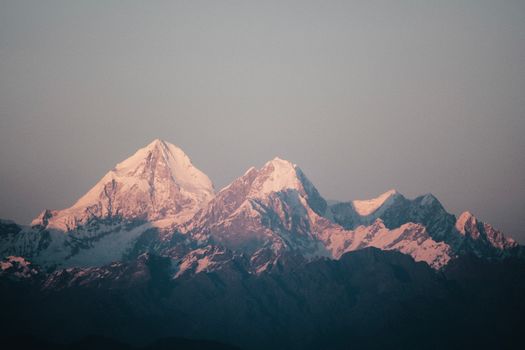
For a sunrise experience that combines cultural immersion with unparalleled mountain vistas, look no further than Poon Hill in Nepal. Part of the Annapurna region, this viewpoint offers a panoramic spectacle of some of the world's highest peaks, including Dhaulagiri, Annapurna South, and Machapuchare (Fishtail Mountain).
Why Poon Hill in November 2025?
November is prime trekking season in Nepal. The monsoon rains have passed, leaving behind clear, crisp air and excellent visibility. The temperatures are pleasant for trekking during the day, though mornings at high altitude are cold. This combination ensures breathtaking views of the snow-capped Himalayas against brilliant blue skies – perfect for photography.
The Shot: What to Capture
* Panoramic Views: From the Poon Hill tower, capture the vast panorama of the Annapurna and Dhaulagiri ranges. Use a wide-angle lens for the full sweep, or a telephoto to isolate individual peaks like Machapuchare as the sun paints them.
* Foreground Interest: Look for the prayer flags fluttering in the breeze, or the silhouettes of fellow trekkers, to add a human element and scale to your shots.
* Village Life: As you trek to and from Poon Hill, capture the charming Gurung villages like Ghorepani and Tadapani, where the morning light illuminates terraced fields and traditional homes.
Logistics & Local Lore:
* Getting There: Fly into Kathmandu (KTM), then take a domestic flight or bus to Pokhara. The trek usually starts from Nayapul (accessible by taxi from Pokhara).
* Trek Duration: The Ghorepani Poon Hill trek is typically 4-5 days. You'll usually spend a night in Ghorepani, then make the pre-dawn hike (approx. 45-60 minutes) to Poon Hill for sunrise.
* Permits & Guides: You'll need an Annapurna Conservation Area Permit (ACAP) and a Trekkers' Information Management System (TIMS) card. Hiring a licensed guide and/or porter is highly recommended, costing around USD$25-USD$40 per day.
* Accommodation: Teahouses along the route offer basic but comfortable lodging (approx. USD$5-USD$10 per night, but you're expected to eat meals there).
* Tips: Acclimatization is key. Drink plenty of water. Pack layers, including a warm down jacket, hat, and gloves for the cold mornings. A headlamp is essential for the pre-dawn hike.
My Story: The hike to Poon Hill felt like a pilgrimage. I remember sipping hot lemon tea in Ghorepani the night before, the air buzzing with anticipation. The next morning, climbing in the dark, the stars felt impossibly close. When the sun finally touched the peaks, it wasn't just light; it was an awakening. The collective gasps and murmurs from the crowd around me, all witnessing the same incredible sight, made it an even more profound experience.
5. Scottish Highlands, UK: Moody Majesty and Dramatic Light
For a different kind of mountain sunrise – one steeped in ancient history, dramatic weather, and brooding beauty – the Scottish Highlands in November are a photographer's dream. Forget the clear blue skies of the Alps; here, you chase the light through mist, low clouds, and the raw, untamed landscape of Glencoe and the surrounding regions.
Why the Scottish Highlands in November 2025?
November in Scotland is often cold, wet, and windy, but this is precisely what gives it its unique photographic charm. The weather creates incredibly dramatic skies, moody atmosphere, and soft, diffused light that is perfect for capturing the rugged textures of the landscape. You might even catch a dusting of snow on the higher peaks, adding to the grandeur. Fewer tourists mean more solitude for your shots.
The Shot: What to Capture
* Buachaille Etive Mòr, Glencoe: This iconic peak, often called "The Buachaille," is perhaps the most photographed mountain in Scotland. Position yourself near the River Etive for leading lines, or find a spot along the A82 to capture its imposing presence as the first light breaks through the clouds. The moodiness of November makes this shot truly special.
* Three Sisters of Glencoe: The dramatic ridges of Gearr Aonach, Aonach Dubh, and Beinn Fhada offer incredible compositions, especially with mist swirling around their peaks as the sun attempts to pierce through.
* Glen Coe Valley: The entire valley is a treasure trove of photographic opportunities. Look for waterfalls, ancient trees, and reflections in puddles or streams, all illuminated by the soft, diffused morning light.
Logistics & Local Lore:
* Getting There: Fly into Glasgow (GLA) or Edinburgh (EDI) and rent a car. A car is essential for exploring the Highlands.
* Accommodation: Stay in Fort William, Glencoe village, or Oban. Prices for B&Bs and guesthouses typically range from £70-£150 per night.
* Tips: Pack for all weather conditions: waterproofs, insulated layers, hat, gloves, and sturdy waterproof boots. A lens cloth is crucial for wiping off rain/mist. Be prepared for strong winds. Check local weather forecasts diligently. Embrace the moodiness – don't expect clear skies every day!
My Story: I remember a November morning in Glencoe where the fog was so thick I could barely see my hand in front of my face. I decided to wait it out. Slowly, agonizingly slowly, the mist began to swirl and dissipate, revealing the ghostly silhouette of Buachaille Etive Mòr. Then, a single shaft of golden light pierced the clouds, illuminating just the very top of the peak. It was fleeting, but absolutely magical, a testament to the raw, untamed beauty of Scotland.
6. Mount Fuji, Japan: The Sacred Peak at Dawn
Japan's iconic Mount Fuji, a perfectly symmetrical stratovolcano, is a sight to behold at any time, but capturing its majesty at sunrise in November is a truly special experience. The clear, crisp air of autumn's end offers some of the best visibility for photographers.
Why Mount Fuji in November 2025?
November in the Fuji Five Lakes region (Fujigoko) is typically dry and clear, leading to excellent visibility of the mountain. The autumn foliage, though past its peak in early November, can still provide beautiful foreground colors, and the potential for a fresh dusting of snow on Fuji's summit adds to its iconic "Diamond Fuji" potential (when the sun aligns perfectly with the peak). Fewer crowds than peak cherry blossom or autumn leaf seasons also make for a more serene experience.
The Shot: What to Capture
* Lake Kawaguchiko: This is perhaps the most famous and accessible spot for capturing Fuji's reflection. Head to the northern shore (especially the "Maple Corridor" area, though leaves will be gone) or the Oishi Park for classic compositions. Look for the iconic pagoda (Chureito Pagoda) at Arakurayama Sengen Park for the quintessential "Fuji, pagoda, cherry blossoms" shot (minus the blossoms in Nov, but still stunning).
* Lake Shojiko & Lake Saiko: These smaller, quieter lakes offer unique perspectives and often more serene reflections, perfect for a peaceful sunrise shoot.
* Fujiyoshida City: Explore the charming streets of Fujiyoshida for unique urban perspectives of Fuji looming in the background, especially from the rooftop of the Fujisan Deck.
Logistics & Local Lore:
* Getting There: Take a direct bus from Shinjuku Expressway Bus Terminal in Tokyo (approx. 2 hours, ¥2,000-¥3,000) to Kawaguchiko Station. Alternatively, take a train to Otsuki, then transfer to the Fujikyu Railway (covered by JR Pass up to Otsuki).
* Accommodation: Stay in Kawaguchiko town, which offers a wide range of hotels, ryokans (traditional inns), and guesthouses. Expect to pay ¥8,000-¥25,000+ per night.
* Tips: Check the weather forecast for visibility. Fuji can be shy and hide behind clouds. Arrive at your chosen spot well before sunrise to secure a good position, especially at popular viewpoints. Use a wide-angle lens to capture the mountain's grandeur and a telephoto for details or distant compositions.
My Story: My first Fuji sunrise was from Lake Kawaguchiko. I’d seen countless photos, but nothing prepared me for the sheer scale and perfect symmetry of the mountain as the first light turned its snow-capped peak a delicate pink. The air was so still, and the reflection on the lake was so perfect, it felt like I was looking at two Fujis – one in the sky, one in the water. It was a moment of profound beauty that still gives me chills.
Essential Gear & Tips for Your November Sunrise Photography Adventure
Capturing these stunning sunrises isn't just about showing up; it's about being prepared. Here’s a checklist to ensure your November 2025 photography trip is a success:
- Warm Layers, Always: November mountain mornings are cold, sometimes brutally so. Think thermal base layers, a fleece, a puffy down jacket, waterproof/windproof outer shell, insulated pants, warm socks, waterproof boots, a hat that covers your ears, and heavy-duty gloves (fingerless photography gloves with covers are ideal). Hand warmers are your best friend.
- Sturdy Tripod: Non-negotiable for sharp, low-light shots and long exposures.
- Camera & Lenses: A wide-angle lens (14-24mm equivalent) for grand landscapes, and a telephoto (70-200mm equivalent) for compressing distance and isolating peaks.
- Extra Batteries: Cold drains batteries incredibly fast. Carry at least 2-3 spares, kept warm in an inside pocket.
- Headlamp: For navigating in the dark before sunrise. A red light option is great for not disturbing others or your night vision.
- Remote Shutter Release: Minimizes camera shake for sharper images, especially in windy conditions.
- Lens Cloths & Rocket Blower: For condensation, dust, or moisture.
- Thermos with Hot Drink: Coffee, tea, or hot chocolate will be a welcome comfort.
- Snacks: Energy bars or other quick snacks.
- Navigation: Download offline maps (Google Maps, Maps.me, AllTrails) to your phone. A physical map and compass are also wise backups.
- Check Conditions: Always check local weather forecasts, sunrise times, and trail conditions before heading out.
- Safety First: Tell someone your plans. Be aware of wildlife. Understand the risks of altitude sickness if applicable.
Photography Techniques:
* Shoot in RAW: Gives you maximum flexibility in post-processing.
* Bracket Your Shots: Take multiple exposures (underexposed, correctly exposed, overexposed) to capture the full dynamic range of a sunrise scene.
* Manual Mode: Gives you complete control over aperture, shutter speed, and ISO. Start with a low ISO (100-200) for minimal noise, an aperture around f/8-f/16 for sharpness, and adjust shutter speed accordingly.
* Composition: Use the rule of thirds, leading lines, and foreground interest to create compelling images.
* Focus Stacking: If you have a very close foreground and distant mountains, consider taking multiple shots focused at different depths and blending them later.
Your November 2025 Adventure Awaits!
There’s something profoundly spiritual about witnessing the dawn break over a majestic mountain. It's a reminder of the raw power and incredible beauty of our planet, and a moment that transcends mere photography to become a lifelong memory. November 2025 offers a unique window to capture these moments in their most pristine, dramatic form.
So, whether you dream of the jagged spires of the Dolomites, the icy reflections of Banff, the untamed wilds of Patagonia, the spiritual grandeur of the Himalayas, the moody drama of the Scottish Highlands, or the iconic symmetry of Mount Fuji, the mountains are calling.
Don't just scroll through Instagram; be the one creating those breathtaking shots. Start planning your November 2025 mountain sunrise photography adventure today. The light is waiting.
Which peak will you conquer first for that epic sunrise shot? Share your dream November 2025 photography spots in the comments below! And don't forget to tag #TripsoraSunrise and #NovemberPeaks on your social media posts – we can't wait to see your magic!
---