The Secret's Out: Uncovering the World's Most Photogenic, Crowd-Free Gems
I remember it like it was yesterday: standing shoulder-to-shoulder with hundreds of other tourists, all vying for the exact same shot of the Eiffel Tower, the golden hour light already fading. My camera roll was overflowing with pictures of other people's heads, and my patience was wearing thin. That evening, utterly deflated, I stumbled into a tiny, unassuming brasserie tucked away on a side street. The owner, a charming old Parisian named Jean-Pierre, saw my tired face and offered me a glass of local wine. We got to talking, and I confessed my frustration with the crowds. He just chuckled, took a sip of his own wine, and leaned in conspiratorially. "Ah, ma petite, you are looking in the wrong places. The true beauty of Paris, it is not on the postcards. It is in the quiet corners, the hidden courtyards, the places only we know."
That conversation was a revelation. It sparked a new mission in my travels: to seek out those "quiet corners," those hidden gems that offer not just stunning photo opportunities, but also a genuine sense of place, free from the tourist circus. It's not about being exclusive; it's about experiencing the world more authentically, more sustainably, and yes, more photogenically.
The truth is, locals do have their secrets. They have their serene waterfalls, their untouched beaches, their vibrant street art alleys, and their ancient villages that haven't been overrun. And today, I’m going to let you in on a few of mine – places I’ve painstakingly discovered, often through serendipitous encounters with Jean-Pierres around the globe. These aren't just pretty backdrops; they're experiences that will fill your soul and your memory card with truly unique stories.
So, put away your guidebooks that point to the same old crowded spots. Grab your camera, a sense of adventure, and let's dive into some of the most photogenic, crowd-free locations on Earth that locals would probably rather keep to themselves.
---
1. The Emerald Terraces & Whispering Falls of Sapa's Backroads, Vietnam
Why it's a secret:
Sapa town itself can be bustling, but the real magic lies beyond the main tourist trails, deep in the valleys and tucked away hamlets. Local H'mong guides know paths that most tourists never see, leading to waterfalls and rice paddies that feel like they belong to another time.
My first trip to Sapa was a mix of awe and mild disappointment. The main viewpoint was stunning, but packed. Determined to find the peace I'd seen in photos, I hired a local guide named Mai through my guesthouse – a young woman with a mischievous twinkle in her eye. She promised "real Sapa," and she delivered.
After a hearty breakfast of pho and strong Vietnamese coffee, we set off on a narrow, muddy trail. We trekked for hours, past water buffalo grazing lazily, children playing in streams, and women weaving intricate textiles outside their homes. The air was cool and crisp, carrying the scent of damp earth and growing rice. Suddenly, the path opened up to a sight that took my breath away: a series of cascading waterfalls, each pooling into an emerald basin, surrounded by vibrant green rice terraces that seemed to stairway to heaven. No crowds, no selfie sticks, just the sound of rushing water and the rustle of the wind through the bamboo. The light, filtering through the jungle canopy, created a magical, dappled effect on the water.
Photographic Gold:
* Emerald Pools: Capture the vibrant green of the water against the dark, mossy rocks. Use a slow shutter speed for a silky, ethereal waterfall effect.
* Terraced Reflections: The rice paddies, especially after rain, offer incredible reflections of the sky and surrounding mountains. Look for leading lines in the terraces.
* Local Life: Discreetly photograph the H'mong people going about their daily lives – children playing, women farming, the elderly smoking pipes. Always ask permission or be respectful from a distance.
Practical Tips for Your Visit:
* Hire a Local Guide: This is non-negotiable. Not only do they know the truly hidden paths, but they also support the local community directly. Expect to pay around 300,000-500,000 VND (approx. $13-22 USD) for a full-day trek. Ask your guesthouse or a reputable local agency.
* Best Time to Visit: September to October (harvest season, golden rice) or April to May (planting season, emerald green). Early morning hikes ensure the best light and coolest temperatures.
* What to Bring: Good hiking shoes (it can get muddy!), waterproof gear, bug spray, plenty of water, and snacks. A wide-angle lens for landscapes and a prime lens for portraits will serve you well.
* Getting There: Take an overnight train or bus from Hanoi to Lao Cai, then a short taxi/minibus ride to Sapa.
---
2. The Whispering Canyons of Jebel Hafeet, UAE
Why it's a secret:
While Jebel Hafeet is known for its mountain road and summit views, the real treasures are the network of wadis (dry riverbeds) and canyons hidden within its foothills. These rugged, otherworldly landscapes are often overlooked by tourists rushing to the top.
Dubai and Abu Dhabi are known for their futuristic skylines and luxurious experiences, but just a couple of hours away lies a starkly beautiful, ancient landscape that feels like a different planet. On a recent trip, a Bedouin friend I made during a desert safari whispered hints about "the canyons where the whispers live" near Al Ain. Intrigued, I rented a rugged 4x4 and set off.
After navigating some surprisingly well-maintained but unmarked dirt tracks, I found myself in a labyrinth of towering rock formations, sculpted by millennia of wind and water. The silence was profound, broken only by the occasional rustle of a lizard or the distant cry of a bird. The rock faces ranged from deep ochre to burnt sienna, creating a painter's palette of desert hues. As the sun began its descent, the canyons glowed with an ethereal light, the shadows stretching long and dramatic, revealing hidden caves and ancient petroglyphs (look closely!). It felt like I had stepped onto Mars, or perhaps into a forgotten chapter of Earth's history.
Photographic Gold:
* Golden Hour Magic: The warm desert light hitting the rock formations is unparalleled. Capture the dramatic shadows and rich textures.
* Panoramic Views: Climb to a higher point (safely!) to get sweeping shots of the vast, empty landscape. A wide-angle lens is your friend here.
* Intimate Details: Look for patterns in the rock, tiny desert flowers, or the subtle shift in colors.
* Night Sky: If you can safely camp overnight (with permission and local guidance), the dark skies offer incredible astrophotography opportunities.
Practical Tips for Your Visit:
* Rent a 4x4: Essential for navigating the unpaved tracks. Ensure you have off-road experience or go with a local guide.
* Go with a Local: Ask your hotel in Al Ain or a reputable tour operator for a guide who specializes in wadi exploration. They know the safe routes and hidden spots.
* Best Time to Visit: November to March, when temperatures are cooler. Avoid summer months (June-August) entirely.
* What to Bring: Plenty of water (seriously, more than you think you'll need), snacks, sturdy hiking boots, sun protection (hat, sunglasses, high SPF sunscreen), and a first-aid kit.
* Respect the Environment: Leave no trace. These are fragile ecosystems.
---
3. The Azure Grotto & Secret Coves of Gozo, Malta
Why it's a secret:
Malta's sister island, Gozo, is already less crowded than the main island, but its coastline hides countless tiny coves and sea caves only accessible by small boat, kayak, or by knowing the right clifftop path. Forget the Blue Lagoon crowds; this is where the real magic happens.
After exploring the ancient temples and charming villages of Malta, I took a ferry to Gozo, seeking a quieter pace. My guesthouse host, a sun-weathered fisherman named Anton, noticed my camera and my love for the sea. He told me about a "grotto of a thousand blues" that his grandfather used to visit, far from the tourist boats.
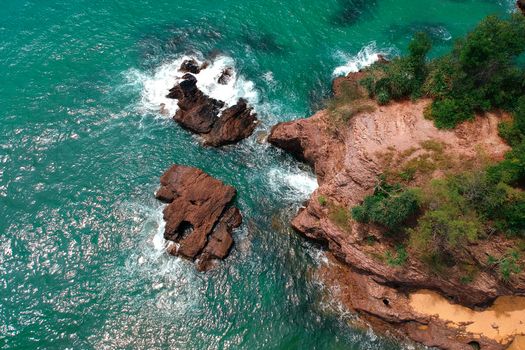
The next morning, Anton took me out in his small, traditional fishing boat. We hugged the rugged coastline, passing dramatic cliffs and secluded beaches. After about an hour, he pointed to a narrow slit in the rock face. "Here," he grunted, expertly maneuvering the boat inside. What unfolded before my eyes was breathtaking. The water inside the cave glowed with an otherworldly sapphire hue, reflecting the sunlight that filtered through unseen openings above and below the surface. The walls were smooth and sculpted, and the only sound was the gentle lapping of the waves. We swam in the crystal-clear water, completely alone, enveloped in a kaleidoscope of blues. Later, Anton showed me a tiny, pebble beach nestled in a cove a little further along, accessible only by scrambling down a barely-there goat path.
Photographic Gold:
* Water's Glow: Capture the luminous blue of the water inside the grotto. Experiment with different angles to show the light play.
* Underwater Shots: If you have a waterproof camera, the clarity of the water makes for stunning underwater photography.
* Dramatic Coastline: The rugged cliffs, natural arches, and hidden beaches offer endless landscape opportunities.
* Sunrise/Sunset: The Mediterranean light is incredible. Capture the golden or pastel hues painting the rocks and sea.
Practical Tips for Your Visit:
* Local Boatman/Kayak Rental: Your best bet is to find a local fisherman or rent a kayak/SUP from a quieter beach like Xlendi or Marsalforn and explore the coastline yourself (if experienced). Anton charged me a small fee, around €40 for a half-day.
* Timing: Early morning or late afternoon for the best light and calmer seas. Check tide charts if exploring caves.
* What to Bring: Waterproof camera, snorkel gear, sturdy water shoes, sunscreen, hat, and plenty of water.
* Getting There: Take the ferry from Cirkewwa (Malta) to Mgarr (Gozo). Rent a scooter or car to explore the island, or rely on local buses.
---
4. The Timeless Backstreets of Civita di Bagnoregio, Italy
Why it's a secret:
While Civita di Bagnoregio is a popular day trip, most tourists stick to the main street and viewpoints. The true magic, and the most photogenic, crowd-free spots, are found by wandering its labyrinthine backstreets, discovering hidden gardens, and observing the quiet daily life of its few remaining residents.
Civita di Bagnoregio, "the dying city," perched precariously on a tuff rock cliff, is undeniably picturesque. But my first visit felt a bit like a theme park, with crowds bottlenecking on the famous pedestrian bridge and main piazza. Determined to find its soul, I decided to stay overnight in a tiny B&B within the city walls.
As the last day-trippers departed and the sun began to dip, a profound silence descended. The cobblestone alleys, once bustling, became my private domain. I wandered aimlessly, discovering hidden archways draped in bougainvillea, tiny gardens bursting with color, and ancient stone houses that felt like they had absorbed centuries of stories. An old woman was tending to her potted plants, a man sat sketching on a stool outside his home, and the aroma of garlic and tomatoes wafted from open windows. The golden light of dusk bathed the entire city in a warm, ethereal glow, transforming every corner into a masterpiece. It was like stepping into a living painting, a timeless testament to resilience and beauty.
Photographic Gold:
* Golden Hour & Blue Hour: The light is simply magical. Capture the warm glow on the ancient stone and the dramatic silhouette of the city against the twilight sky.
* Narrow Alleys & Archways: Use leading lines and depth to create compelling compositions. Look for intricate details in the stonework.
* Hidden Gardens: Seek out the lush, secret gardens that offer pops of color and life against the ancient stone.
* Panoramic Views (from within): Find elevated spots within Civita to capture the surrounding "Calanchi" badlands and the dramatic bridge.
Practical Tips for Your Visit:
* Stay Overnight: This is the ultimate secret. Once the day-trippers leave, Civita transforms. There are a few charming B&Bs and guesthouses (e.g., La Casa di Civita, Corte della Maesta). Book well in advance. Prices range from €80-150/night.
* Wander Aimlessly: Resist the urge to follow a map. Get lost in its tiny streets.
* Respect Residents: Remember, people live here. Be quiet, don't trespass, and ask before photographing individuals.
* Entrance Fee: There's a small fee (around €5) to cross the pedestrian bridge into Civita, which helps maintain the fragile town.
* Getting There: Drive or take a train to Orvieto, then a bus or taxi to Bagnoregio, and finally walk the pedestrian bridge.
---
5. The Graffiti Labyrinth of Valparaíso's Cerro Alegre & Concepción Side Streets, Chile
Why it's a secret:
Valparaíso's vibrant street art is world-famous, but most tourists stick to the main, well-trodden paths of Cerro Alegre and Concepción. The truly mind-blowing, ever-evolving murals and quiet, character-filled scenes are found by venturing into the smaller, less-frequented side streets and connecting staircases.
Valparaíso hit me like a splash of cold, colorful water. Its hills (cerros) are a riot of brightly painted houses, winding alleys, and incredible street art. My first day, I joined a free walking tour, which was great for an overview, but I felt like I was just scratching the surface. A local artist I met over a Pisco Sour recommended I "get lost, truly lost" in the in-between spaces.
So, the next morning, I did just that. I started on Cerro Alegre but deliberately veered off the main tourist paths, taking every narrow staircase and dead-end alley that looked promising. And oh, the discoveries! Giant, intricate murals covered entire buildings, telling stories of Chilean history, politics, and everyday life. Some were vibrant and new, others faded and peeling, adding layers of character. I found tiny, independent art galleries tucked into unexpected corners, street musicians playing melancholic tunes, and old men sharing mate on a doorstep, watching the world go by. The light played tricks in the narrow corridors, creating dramatic contrasts and highlighting hidden details. It felt like walking through an open-air museum, constantly surprising and delighting.
Photographic Gold:
* Vibrant Murals: Capture the scale and detail of the incredible street art. Look for interesting juxtapositions with daily life.
* Textural Details: The peeling paint, worn cobblestones, and unique architecture provide rich textures.
* Urban Landscapes: Frame the colorful houses against the backdrop of the Pacific Ocean or the chaotic jumble of the city.
* Candid Street Photography: Be respectful, but capture the authentic rhythm of Valparaíso life – vendors, artists, locals chatting.
Practical Tips for Your Visit:
* Comfortable Shoes: Valparaíso is all hills and stairs. Good walking shoes are essential.
* Go Early/Late: Early morning for soft light and fewer people, late afternoon for golden light and vibrant shadows.
* Safety First: While generally safe, be aware of your surroundings, especially in less-frequented areas. Keep your camera secure. Consider a small, discreet camera bag.
* Explore Beyond the Main Drag: Don't be afraid to take a left where everyone else goes right. The real gems are often just around the corner.
* Local Art Tours: Some local artists offer specialized tours focusing on the lesser-known street art. Ask around at hostels or small art shops. Expect to pay around 15,000-25,000 CLP (approx. $16-27 USD).
---
6. The Secret Zen Gardens of Kyoto's Arashiyama Backroads, Japan
Why it's a secret:
Arashiyama's famous bamboo grove is stunning but notoriously crowded. However, just behind it, and in the quieter temples nestled in the hills, lie exquisitely peaceful Zen gardens and smaller bamboo paths that offer the same magic without the throngs.
Kyoto, with its ancient temples and serene gardens, is a photographer's dream. But Arashiyama's main bamboo grove? A beautiful nightmare of selfie sticks and tour groups. On my last visit, after enduring the main path, I noticed a tiny, almost hidden sign pointing to "Okochi Sanso Villa." It seemed too quiet to be a major attraction, which, of course, made it instantly appealing.
This was the former home and gardens of a silent film actor, now open to the public for a small fee (which includes matcha tea and a sweet!). The gardens were meticulously maintained, a series of traditional Japanese landscapes, moss gardens, and winding paths. But the real treasure was a smaller, almost completely deserted bamboo path that snaked through the property, offering the same towering beauty as the main grove, but with only the sound of the wind rustling through the stalks. Later, I discovered other small, quiet temples like Adashino Nembutsu-ji, with its thousands of stone Buddhas and a serene bamboo forest nearby, offering moments of profound peace and incredible photographic opportunities.
Photographic Gold:
* Bamboo's Serenity: Capture the vertical lines of the bamboo, the dappled light, and the sense of calm. Use a telephoto lens to compress the perspective and make the grove feel denser.
* Zen Garden Details: Focus on the raked sand, moss, and carefully placed rocks. Look for reflections in still ponds.
* Traditional Architecture: Frame the wooden temple buildings and tea houses within the natural settings.
* Seasonal Beauty: Visit during autumn for vibrant fall foliage or winter for snow-dusted tranquility.
Practical Tips for Your Visit:
* Okochi Sanso Villa: A must-visit. The entrance fee is ¥1000 (approx. $7 USD) but includes tea and a sweet, making it excellent value for the crowd-free experience. Go early.
* Adashino Nembutsu-ji Temple: A slightly further walk but worth it for its unique atmosphere and quiet bamboo path. Entrance is ¥500 (approx. $3.50 USD).
* Go Early (Again!): Even for these quieter spots, the earlier you go, the better the light and the fewer people you'll encounter.
* Respectful Photography: Be mindful of other visitors and the sacred nature of temples. Silence your camera shutter.
* Getting There: Take the JR Sagano Line from Kyoto Station to Saga-Arashiyama Station. From there, it's a short walk to the main Arashiyama area, and then a bit further to these hidden gems.
---
The Art of the Uncharted Photo: Your Next Adventure Awaits
Discovering these places isn't just about getting a unique shot for your Instagram feed (though you absolutely will!). It's about connecting with a destination on a deeper level, finding moments of genuine tranquility, and experiencing the world beyond the curated, commercialized tourist traps. It's about respecting the local culture and finding the beauty that resonates with the people who call these places home.
These "secrets" aren't always easy to find. They require a bit of research, a willingness to stray from the beaten path, and sometimes, a friendly chat with a local who's willing to share a whisper or two. But the rewards – the breathtaking photos, the profound experiences, and the stories you'll tell – are immeasurable.
So, what are you waiting for? Pack your bag, charge your camera, and go find your own hidden gem. And when you do, remember to tread lightly, respect the local community, and maybe, just maybe, share a little piece of your discovery responsibly.
Now it's your turn! Have you stumbled upon a truly crowd-free, photogenic spot that felt like a local secret? Share your stories and tips in the comments below! Let's inspire each other to explore the world more authentically.
---