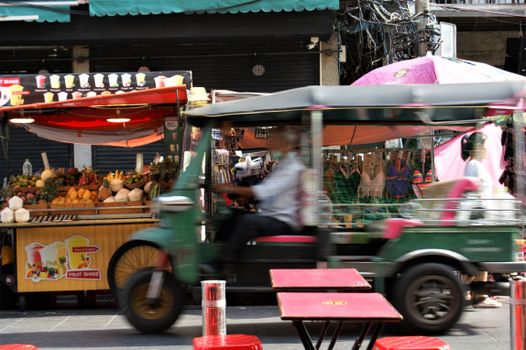
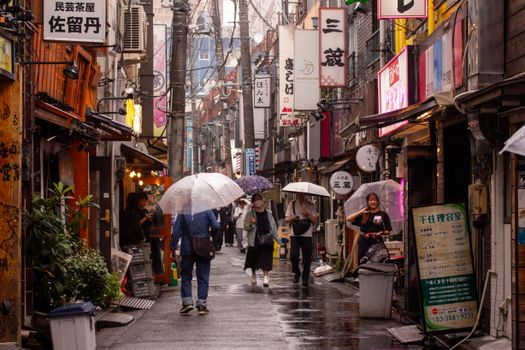
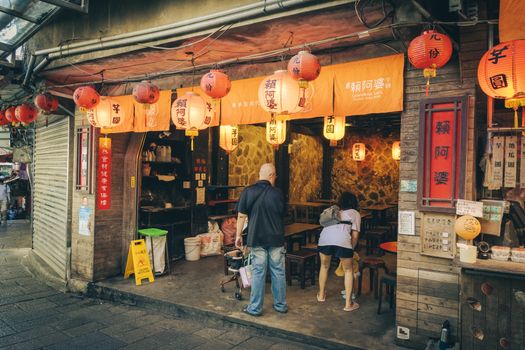
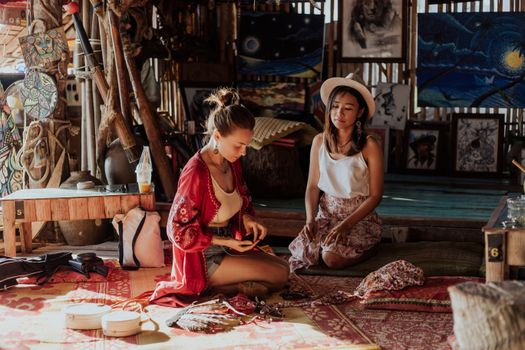
Unfiltered Travel: The Local Customs Instagram Influencers Don't Want You to Know
(But You Absolutely Need To!)
I remember it like it was yesterday: standing in a bustling market in Marrakech, haggling (or rather, attempting to haggle) for a beautiful leather pouf. I thought I was doing great, confidently quoting a price I’d heard was "fair." The vendor, a man with kind eyes and a knowing smile, just shook his head, then burst into laughter. He wasn't offended; he was amused. "My friend," he said in broken English, "you must drink tea with me first. Then, we talk price."
My perfectly curated, influencer-inspired bargaining strategy? Utterly useless.
That moment wasn't just about a pouf; it was a profound realization. Travel, in its truest form, is messy, unscripted, and often wonderfully awkward. It’s not always about golden hour selfies in front of iconic landmarks. It’s about the subtle nods, the unspoken rules, the surprising customs that shape daily life for billions of people around the world – the very things you rarely, if ever, see on a perfectly filtered Instagram feed.
Instagram influencers are brilliant at showcasing the aspirational side of travel: infinity pools, immaculate brunch spreads, and flawless outfits against breathtaking backdrops. And honestly, who doesn't love a good aesthetic? But in their quest for perfection, they often inadvertently (or intentionally) gloss over the rich, sometimes challenging, but always rewarding nuances of local culture.
This isn't a diss on influencers. It's an invitation to go deeper. To understand that true cultural immersion often begins when you step outside the frame. It's about learning, adapting, and sometimes, yes, making a charming mistake or two.
So, ditch the perfectly posed shots for a moment. Let's talk about the real deal – the local customs that will surprise you, teach you, and ultimately enrich your travel experiences far beyond what any filter ever could.
1. The Subtle Art of Greetings & Gestures: More Than Just a Smile
You’d think a smile is universal, right? Mostly, yes. But the way you initiate an interaction, the distance you keep, and even how you use your hands can speak volumes before you utter a single word.
My Awkward Bow in Kyoto:
On my first trip to Japan, I was determined to be respectful. I'd read about bowing, but practice is different from theory. Walking into a small ramen shop in Kyoto, I gave what I thought was a polite, shallow nod. The elderly owner looked at me, then slowly, deliberately, performed a deep, sustained bow. His gesture communicated respect, and mine, in comparison, felt rushed and inadequate. I quickly learned that the depth and duration of a bow in Japan can convey different levels of deference and gratitude, and observing locals is key. A quick nod might be fine for a casual "thank you," but for a formal greeting or apology, a deeper, longer bow is expected.
What Influencers Won't Show You:
The moment they awkwardly misjudge a greeting, or the quiet observation period required to understand the nuances of non-verbal communication.
Practical Tips for Navigating Greetings:
* Observe First: Before you jump in with a handshake or a hug, watch how locals interact. Is it a firm handshake, a gentle clasp, a kiss on one cheek or two (or three!)?
* The Left Hand Rule (Middle East, India, Parts of Africa): In many cultures, particularly those with a strong Islamic tradition, the left hand is considered unclean, reserved for bodily hygiene. Never use your left hand to eat, pass food, give or receive money, or point. I once almost handed a shopkeeper my credit card with my left hand in Cairo, and quickly learned to switch!
* Pointing: While common in Western cultures, pointing with a finger can be rude in many places. In Southeast Asia, you might gesture with your chin. In Japan, use an open hand.
* Personal Space: In Latin America and some parts of Southern Europe, people stand much closer when talking than in, say, North America or Northern Europe. Don't instinctively back away; it can be perceived as cold or unfriendly.
* "Hello" in the Local Language: Always, always, always learn how to say "hello," "please," and "thank you" in the local language. It's a small effort that opens doors and shows immense respect.
2. Dining Delights & Disasters: Food Etiquette Beyond the Fork
Food is a universal language, but its grammar varies wildly. From slurping to sharing, what’s considered polite at one table can be an insult at another.
My Slurping Revelation in Osaka:
Growing up, slurping was a cardinal sin at the dinner table. So, when I first had authentic ramen in Osaka, I tried my best to eat it quietly, daintily. My Japanese friend, however, was slurping away with gusto. He noticed my quiet eating and gently corrected me, explaining that slurping ramen is a sign of enjoyment and appreciation for the chef. It also helps cool down the hot noodles! The next bowl, I slurped with abandon, and it felt surprisingly liberating (and delicious!).
What Influencers Won't Show You:
The messy reality of eating street food, the awkwardness of not knowing how to use chopsticks correctly, or the pressure to finish (or not finish) every last bite.
Practical Tips for Dining Etiquette:
* Slurping is Good (Sometimes!): In Japan, China, and parts of Southeast Asia, slurping noodles or soup is a compliment.
* Don’t Waste Food: In many cultures, leaving food on your plate can be seen as wasteful or insulting to the host/chef. In other cultures (e.g., China), leaving a small amount might indicate you're full and satisfied. Observe!
* Refusing Food: In some cultures, particularly in rural areas or during home visits, refusing offered food or drink can be a grave insult to your host's hospitality. Even if you're full, take a small portion and try a bite.
* Chopstick Rules: Never stick chopsticks upright in a bowl of rice (it resembles incense at a funeral). Don't use them to point. Don't pass food directly from chopstick to chopstick.
* Tipping Culture: This is a huge one. In the US, 15-20% is standard. In many parts of Europe, a service charge is included, and a small round-up or 5-10% is polite. In Japan, tipping can actually be seen as rude or unnecessary. Always research local tipping norms. A quick Google search for "tipping etiquette [country name]" before you go out to eat can save you embarrassment.
* Sharing Plates: In countries like Spain, Italy, or across the Middle East, sharing dishes is common and encouraged. Don't be shy to dig in!
3. Dressing for Success (and Respect): Beyond the Beachwear
You've packed your cutest sundresses and swimsuits for that tropical getaway, but what about the ancient temples, bustling markets, or even just local neighborhoods? Dressing appropriately isn't just about avoiding a fashion faux pas; it's about showing respect for local culture and traditions.
My Sarong Scramble in Bali:
I was exploring a beautiful temple in Bali, mesmerized by the intricate carvings and serene atmosphere. I'd worn a maxi dress, thinking it was modest enough. As I approached the entrance, a friendly local gestured to a pile of sarongs. My shoulders and legs were covered, but apparently, my dress wasn't the right kind of covered. I quickly learned that for many sacred sites, a sarong (or similar wrap) is mandatory for both men and women, often covering from the waist to below the knees, and sometimes shoulders too. It was a small detail that made a big difference in showing respect.
What Influencers Won't Show You:
The moment they're denied entry to a sacred site because of their outfit, or the practical reality of having to carry a scarf everywhere.
Practical Tips for Respectful Dressing:
* Always Pack a Scarf: This is my number one travel hack. A lightweight scarf can transform a tank top into a temple-appropriate outfit, provide warmth on a chilly evening, or even serve as a makeshift pillow. For women, it's essential for visiting mosques or orthodox churches.
* Cover Up for Religious Sites: When visiting temples, mosques, churches, or synagogues, women should cover shoulders and knees, and often their heads. Men should also ensure shoulders and knees are covered. Look for signs at entrances, or simply observe what locals are wearing.
* Shoes Off: In many Asian cultures, particularly in homes, temples, and some shops, it's customary to remove your shoes before entering. Look for a pile of shoes outside the door as your cue. Make sure your socks are hole-free!
* Modesty in Conservative Regions: In more conservative countries (e.g., parts of the Middle East, rural areas), it's advisable for women to dress more modestly, covering shoulders and knees even in non-religious public spaces. Men might also consider long pants over shorts.
* Swimming Attire: While Western-style swimwear is common in tourist resort areas, be mindful on local beaches or public swimming areas where more modest attire might be the norm.
4. The Unspoken Rules of Public Space & Personal Interaction: Beyond the Selfie
Beyond greetings and clothing, how you conduct yourself in public spaces – from your volume to your patience – can greatly impact your interactions.
My Loud Laughter on a German Train:
I was on a train in Germany with a group of friends, having a fantastic time, sharing jokes, and laughing loudly. We were having a blast until a stern-looking woman across the aisle gave us a disapproving stare and then pointedly shushed us. In Germany, public transport is often a quiet space for reflection or reading, not boisterous conversation. It was a quick, humbling lesson in respecting the local preference for peace and quiet in shared spaces.
What Influencers Won't Show You:
The moments they're shushed, or when their "main character energy" clashes with local norms.
Practical Tips for Public Conduct:
* Patience is a Virtue (Especially for Punctuality): In some cultures (e.g., Latin America, parts of Africa), "manana" (tomorrow) is a way of life. Punctuality might be more of a suggestion than a strict rule. Don't get frustrated if a local friend or tour starts later than expected. In contrast, in countries like Germany or Switzerland, punctuality is highly valued.
* Volume Control: Be mindful of your voice volume in public spaces. In some cultures, a louder voice can be seen as aggressive or attention-seeking. In others, a vibrant, noisy atmosphere is part of the charm (think bustling markets in Southeast Asia). Again, observe.
* Public Displays of Affection (PDA): While a quick hug or hand-holding might be fine in many places, overt PDA (kissing, prolonged embracing) can be frowned upon, especially in more conservative countries or religious sites.
* Queueing: In some places (e.g., UK, Japan), queuing (lining up) is an art form, and cutting the line is a major offense. In others, it's more of a free-for-all. Try to follow the local flow, even if it feels chaotic.
* Photography Etiquette: Always ask permission before taking photos of people, especially children. Be aware that some sites (religious, military) might prohibit photography entirely. And never assume someone wants to be part of your "candid" street shot.
5. Bathroom Breaks & Hygiene Hilarity: The Unfiltered Reality
Let's get real: everyone needs to use the bathroom. But the experience can vary wildly, from luxurious to surprisingly rustic. And these are definitely not the moments you'll see on an influencer's grid!
My Squat Toilet Surprise in rural China:
My first encounter with a squat toilet in rural China was... memorable. I'd only ever known Western-style toilets. The lack of toilet paper, the need for perfect balance, and the distinct smell were a sensory overload. It took some getting used to, but it was a completely normal and hygienic part of daily life for millions.
What Influencers Won't Show You:
The hunt for toilet paper, the struggle with a squat toilet, or the realization that public toilets might cost money.
Practical Tips for Bathroom Etiquette:
* Carry Toilet Paper/Tissues: Especially in developing countries or rural areas, toilet paper is often not provided. Always carry a small roll or a pack of tissues.
* Bidet/Water Hoses: In many parts of Asia, the Middle East, and Southern Europe, a bidet or a small water hose (known as a "bum gun" in Southeast Asia) is used for personal hygiene instead of toilet paper. Learn how to use it!
* "Flush" with a Bucket: In some very rural areas, you might find a bucket of water next to the toilet. This is your "flush" mechanism.
* Pay Toilets: In many European cities and other parts of the world, public toilets require a small fee (usually €0.50 - €1.00). Always carry some small change.
* Don't Flush Paper: In many countries with older plumbing systems, you'll be asked to put used toilet paper in a bin next to the toilet, not flush it. Look for signs!
6. The Art of Bargaining & Transaction: More Than Just a Price Tag
Remember my Marrakech market moment? Bargaining isn't just about getting a good deal; it's a social ritual, a dance of respect and wit that's integral to many cultures.
My Moroccan Souk Masterclass:
After my initial faux pas, I learned to embrace the tea-drinking, the friendly banter, and the slow pace of bargaining in the Marrakech souks. It wasn't about trying to rip anyone off; it was about building a connection, enjoying the interaction, and finding a price that felt fair to both parties. I learned to start lower than I thought, be prepared to walk away (sometimes they'll call you back!), and always maintain a friendly, respectful demeanor. I ended up with that beautiful pouf and a fantastic story, feeling like I'd truly engaged with the local culture.
What Influencers Won't Show You:
The long, sometimes tedious, but ultimately rewarding process of bargaining, or the moments they pay too much because they're too shy to haggle.
Practical Tips for Bargaining:
* Know When to Haggle: Bargaining is common in markets, souks, and small independent shops in many parts of Asia, Africa, Latin America, and the Middle East. It's generally not done in supermarkets, department stores, or established restaurants with fixed prices. When in doubt, observe or politely ask.
* Start Low, Be Friendly: A good rule of thumb is to start at about 30-50% of the initial asking price, then work your way up. Keep a smile on your face and treat it as a friendly negotiation, not a confrontation.
* Don't Be Afraid to Walk Away: If you can't agree on a price, a polite "no thank you" and walking away is often part of the game. Sometimes, the vendor will call you back with a better offer.
* Know Your Limit: Decide beforehand what you're willing to pay for an item and stick to it.
* Small Denominations: Have small bills and coins ready. It makes transactions smoother, especially when bargaining.
* Respect the Craft: While you want a fair price, remember that you're supporting local artisans. Don't be overly aggressive or disrespectful.
Beyond the Filters: Embrace the Unfiltered Journey
The world is a magnificent, complex tapestry, woven with threads of diverse customs and traditions. While Instagram offers a beautiful window into the world, it often shows a highly curated, almost polished version of travel.
By understanding and respecting local customs, you're not just avoiding cultural faux pas; you're opening yourself up to deeper connections, more authentic experiences, and a richer understanding of the places you visit. You're moving beyond being just a tourist and stepping into the role of a respectful global citizen.
So, the next time you scroll through a perfectly composed feed, remember that the real magic often happens off-camera, in the unscripted moments, the cultural nuances, and the surprising customs that make each destination truly unique. These are the stories you'll tell for years, the memories that will linger, and the experiences that will transform you.
What local custom has surprised you the most on your travels? Share your stories in the comments below! Let's build a community of travelers who celebrate the unfiltered, authentic beauty of our world.
---