The aroma of freshly baked bread mingled with the faint scent of incense as I navigated a labyrinthine alley in Marrakech. I’d spent the morning ticking off the major sights – the bustling Djemaa el-Fna, the opulent Bahia Palace – but it wasn’t until I stumbled upon a tiny, unassuming leather workshop that my trip truly began to sing. Inside, an elderly artisan, his hands gnarled from decades of work, meticulously stitched a handbag. We communicated mostly through smiles and gestures, but the quiet pride in his eyes as I admired his craft spoke volumes. I walked out with a unique, handcrafted piece that day, but more importantly, I carried a story, a connection, and a profound sense that I’d touched the real Marrakech.
That moment wasn't just a purchase; it was an epiphany. For too long, travel has been about consumption – ticking boxes, snapping photos, buying mass-produced souvenirs. But a powerful shift is underway. Travelers, like you and me, are increasingly seeking genuine connections, authentic experiences, and ways to leave a positive footprint. We want to understand the soul of a place, not just its surface.
This is where local businesses come in. They are the beating heart of any destination, the keepers of culture, the innovators of taste, and the providers of truly unique experiences. And right now, supporting them isn't just a feel-good act; it's a trend. Travelers are actively seeking out these small, independent enterprises, and in doing so, they're unlocking a richer, more meaningful way to see the world.
So, ditch the corporate chains and the tourist traps. Let’s dive into the types of local businesses that are trending right now, offering unparalleled authenticity, and how you can find them to make your next trip unforgettable.
1. The Artisan Alchemist's Den: Crafting Culture, Not Just Souvenirs
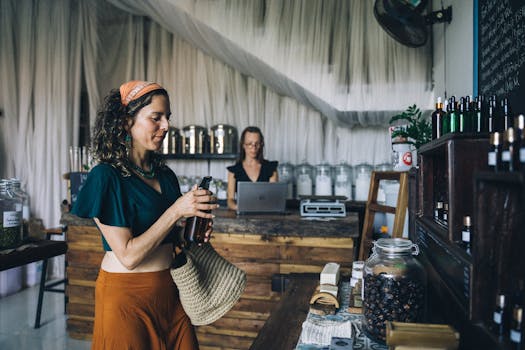
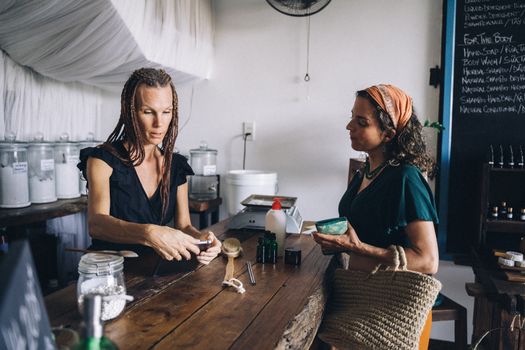
Forget the "Made in China" trinkets. Modern travelers crave authenticity, and nothing screams "authentic" louder than a handcrafted item made with love and tradition. Artisan craft shops, co-operatives, and workshops are booming, offering everything from intricate textiles to unique pottery, bespoke jewelry, and hand-carved wooden treasures.
Why they’re trending:
These businesses preserve cultural heritage, provide sustainable livelihoods for local communities, and offer truly unique souvenirs with a story. You’re not just buying an object; you’re investing in a piece of culture and supporting a craftsperson directly.
My Experience:
I vividly recall wandering through the vibrant streets of Oaxaca, Mexico, and stumbling upon a small co-op specializing in alebrijes – fantastical, brightly painted wooden creatures. Instead of buying from a large market stall, I walked into a small family workshop where a young woman was meticulously painting a jaguar. She explained the symbolism behind each color and design, and how her family had been carving these figures for generations. The alebrije I brought home isn't just a souvenir; it's a conversation starter and a tangible link to a beautiful tradition. It cost a bit more than the mass-produced versions, but knowing my money went directly to her family made it priceless.
What to look for & where to find them:
* Textile Co-ops: Think vibrant fabrics in Guatemala, intricate silk in Vietnam, or hand-knitted alpaca in Peru. Look for fair-trade certifications or signs indicating direct support for artisans.
* Pottery & Ceramics: From the blue-and-white patterns of Portugal to the earthy tones of Japanese raku, local potters often have small studios where you can see them work.
* Jewelry Makers: Seek out unique designs incorporating local materials like silver, natural stones, or even seeds and shells.
* Woodworkers & Carvers: Discover traditional masks, decorative items, or functional pieces.
Practical Tips:
* Ask locals: Your hotel concierge, guesthouse owner, or even a friendly waiter can often point you to genuine artisan spots.
* Visit local markets: Head to less touristy markets or specific artisan markets. Engage with the sellers – often, they are the makers themselves.
* Look for workshops: Many artisans offer demonstrations or even short classes (e.g., pottery wheel, weaving). This is an incredible way to connect and learn.
* Expect fair prices: Don't haggle aggressively. Remember you're supporting someone's livelihood and craft. A hand-stitched leather wallet in Morocco might be $30-50, or a small hand-painted ceramic bowl in Italy could be $15-25.
Instagram-worthy:
Action shots of artisans at work, beautifully displayed handcrafted goods, unique workshop interiors. Use hashtags like #SupportArtisans #HandmadeTravel #CulturalCrafts.
2. From Street Stalls to Secret Suppers: The True Taste of a Place
Food is the ultimate cultural gateway. While Michelin-starred restaurants have their place, the real soul of a destination’s cuisine often lies in its street food, hidden cafes, family-run eateries, and immersive cooking experiences. These hyper-local food ventures are trending because they offer unparalleled flavors, incredible value, and a window into everyday life.
Why they’re trending:
Travelers are moving beyond just "eating out" to "eating in the culture." These experiences connect you directly to local ingredients, traditional cooking methods, and the social fabric built around food.
My Experience:
My most memorable meal in Thailand wasn't in a fancy restaurant, but at a bustling night market in Chiang Mai. I followed a queue of locals to a small stall where a woman was expertly stir-frying Pad See Ew. The smoky aroma, the sizzle of the wok, and the vibrant colors were intoxicating. For about $2, I got a plate of the most incredible noodles I’ve ever tasted, sitting on a tiny plastic stool amidst the chatter and laughter of locals. It was loud, chaotic, and utterly perfect. Another time, in Lisbon, I joined a small-group cooking class run by a local grandmother out of her home kitchen. We made bacalhau à brás and pastéis de nata, sharing stories and wine. It was more than a meal; it was an evening with a new family.
What to look for & where to find them:
* Street Food Vendors: Look for stalls with long lines of locals. This is the ultimate sign of quality and authenticity.
* Family-Run Eateries (Warungs, Trattorias, Izakayas, Taquerias): These often have simple decor but complex, incredible flavors passed down through generations.
* Cooking Classes: Seek out classes hosted in local homes or small, independent culinary schools that emphasize traditional techniques and local ingredients.
* Hidden Cafes & Bakeries: These are often tucked away on side streets, serving up local coffee, pastries, and a slice of daily life.
Practical Tips:
* Be adventurous: Try dishes you don't recognize. Ask the vendor what they recommend.
* Carry cash: Many smaller establishments are cash-only.
* Food tours: Consider a small-group food tour led by a local. They know all the best spots and can teach you about the cuisine.
* Hygiene: Look for stalls with fresh ingredients, clean cooking surfaces, and busy turnover, which indicates fresh food.
* Prices: Street food is usually incredibly cheap (e.g., $1-5 per dish). A cooking class might range from $50-150 depending on the location and length.
Instagram-worthy:
Colorful food displays, bustling market scenes, close-ups of delicious local dishes, candid shots of you enjoying a meal with locals. Use #LocalEats #StreetFoodAdventures #TasteTheCulture.
3. Beyond the Brochure: Engaging with Community Through Unique Tours
The era of the "big bus tour" is fading. Today's travelers crave intimacy, insight, and experiences that delve deeper than the standard tourist itinerary. Community-run tours, specialized workshops, and locally-led excursions are trending because they offer authentic perspectives and direct support to the people who call the destination home.
Why they’re trending:
These tours offer a personal narrative, often highlighting social issues, cultural traditions, or environmental efforts. They provide a deeper understanding of the destination and ensure your money directly benefits local guides and communities, fostering sustainable tourism.
My Experience:
In Cape Town, South Africa, I booked a walking tour of District Six, a vibrant community forcibly displaced during apartheid. Our guide was a former resident, and his personal stories brought the history to life in a way no textbook ever could. We visited the museum, but it was his raw, emotional recounting of his childhood memories that truly resonated. Later, in the Amazon rainforest of Ecuador, I stayed at an eco-lodge run by an indigenous Kichwa community. They led us on jungle walks, teaching us about medicinal plants and their ancestral connection to the land. It wasn't just a tour; it was an immersion into their way of life, and I left with a profound respect for their wisdom and resilience.
What to look for & where to find them:
* Indigenous-led experiences: Learn about ancient traditions, spiritual practices, or ecological knowledge directly from native communities.
* Social impact tours: Tours that highlight local challenges, social enterprises, or historical injustices, often led by community members themselves.
* Niche workshops: Think traditional fishing, basket weaving, coffee roasting, or even a local language crash course.
* Eco-tourism ventures: Small-scale operators focused on responsible wildlife viewing, conservation efforts, or sustainable farming.
Practical Tips:
* Research small operators: Look for tour companies with strong reviews that emphasize local guides and community benefits. Check their "About Us" page.
* Ask your accommodation: Boutique hotels or guesthouses often have partnerships with local guides.
* Online platforms: Websites like Responsible Travel or Airbnb Experiences often list unique, locally-led tours.
* Be respectful: Listen actively, ask thoughtful questions, and respect cultural norms.
* Prices: These tours can vary greatly, from $20 for a walking tour to $200+ for a multi-day indigenous experience, but the value in terms of insight is immense.
Instagram-worthy:
Candid shots with local guides, unique cultural interactions, beautiful natural landscapes seen through a local lens. Use #CommunityTourism #LocalGuides #AuthenticExperiences.
4. Sleep Like a Local: Boutique Stays and Homestays with Heart
Your accommodation can be more than just a place to sleep; it can be an integral part of your travel experience. Boutique hotels, guesthouses, and homestays owned by locals are trending because they offer personalized service, unique character, and a direct contribution to the local economy.
Why they’re trending:
These stays offer a sense of place that large chain hotels simply can't replicate. You get insider tips, often home-cooked breakfasts, and the chance to interact directly with your hosts, who are usually passionate about their hometown.
My Experience:
In a small village in Puglia, Italy, I booked a stay at a charming masseria (farmhouse converted into a guesthouse). The owner, Maria, greeted me with homemade focaccia and a glass of local wine. Each morning, she prepared a breakfast spread with ingredients from her garden, and every evening, she’d share stories of the region, recommending hidden beaches and family-run trattorias I would never have found otherwise. It felt less like a hotel and more like staying with a long-lost aunt, offering a warmth and connection that made my trip truly special. The room cost about $80-120 per night, a small premium for an invaluable experience.
What to look for & where to find them:
* Boutique Hotels: Often independently owned, with unique design, local art, and a strong sense of place.
* Guesthouses & B&Bs: Smaller, more intimate settings where hosts are often on-site and eager to help.
* Homestays: A truly immersive experience, often offering meals with the family and a deeper look into local life.
* Eco-lodges: Environmentally conscious accommodations, often supporting local conservation efforts and communities.
Practical Tips:
* Read reviews carefully: Look for mentions of friendly hosts, local tips, and unique character.
* Book directly: If possible, book through the accommodation's website. This often gives them a higher percentage of the booking fee than third-party sites.
* Engage with your hosts: Ask them for recommendations, learn about their lives, and share your experiences.
* Location: Often, these places are in quieter, more residential neighborhoods, giving you a glimpse into local life away from the main tourist drag.
Instagram-worthy:
Charming room details, delicious home-cooked breakfasts, unique architectural features, candid moments with friendly hosts. Use #LocalStays #BoutiqueTravel #HomestayAdventures.
5. Mind, Body, & Soul: Local Wellness and Self-Care Sanctuaries
Beyond the typical tourist activities, travelers are increasingly seeking out local wellness experiences to rejuvenate and connect with indigenous healing practices. From traditional spas to herbalist shops and community yoga studios, these businesses offer a unique way to experience a destination's approach to well-being.
Why they’re trending:
They provide authentic relaxation, often using local ingredients and ancient techniques, while supporting local practitioners and their traditional knowledge. It’s a chance to unwind and absorb culture at a deeper, more personal level.
My Experience:
During a trip to Bali, I bypassed the resort spas and sought out a small, independent massage studio recommended by my guesthouse host. The masseuse used locally sourced coconut oil and traditional Balinese techniques, and the experience was incredibly therapeutic, costing only about $20 for an hour. Another time, in Cartagena, Colombia, I visited a small herbalist shop in the Getsemaní neighborhood. The owner, a sweet elderly woman, patiently explained the uses of various local herbs and remedies, sharing wisdom passed down through generations. I walked out with a natural insect repellent and a fascinating story.
What to look for & where to find them:
* Traditional Spas & Massage Studios: Seek out places that emphasize local techniques (e.g., Thai massage, Balinese massage, Turkish hammam) and use indigenous ingredients.
* Herbalist Shops & Apothecaries: Discover local remedies, teas, and natural products.
* Community Yoga/Meditation Centers: Join a class with locals for a different perspective on mindfulness.
* Natural Beauty & Skincare Brands: Look for small brands that use local fruits, flowers, and oils in their products.
Practical Tips:
* Ask for recommendations: Locals will know the best, most authentic, and often most affordable spots.
* Check for hygiene: Especially for spas, ensure the place looks clean and professional.
* Be open to new experiences: Some traditional treatments might be different from what you're used to, but that's part of the adventure.
* Prices: A local massage can range from $15-50, while a yoga class might be $10-20. Herbal remedies are often very affordable.
Instagram-worthy:
Serene spa settings, unique natural ingredients, beautiful tea ceremonies, peaceful yoga studios. Use #WellnessTravel #LocalHealing #MindBodySoul.
6. The Local Hub: Independent Bookstores, Cafes, and Community Spaces
Sometimes, the best way to connect with a place is to simply be there, observing and soaking in the local atmosphere. Independent bookstores, quirky cafes, and community-focused spaces are trending because they serve as vibrant hubs where locals gather, fostering connection and cultural exchange.
Why they’re trending:
These spots offer a genuine slice of local life, a place to relax, read, work, or simply people-watch. They often host local art, music, and events, making them cultural touchstones.
My Experience:
In Berlin, I found myself drawn to a small, independent bookstore-cafe tucked away in Prenzlauer Berg. It wasn't on any tourist map, but the aroma of coffee and old books was irresistible. I spent an afternoon there, sipping a perfectly brewed flat white, flipping through local art magazines, and listening to the hushed German conversations around me. It felt incredibly authentic, a quiet moment of immersion. Another time, in Buenos Aires, I stumbled upon a lively milonga (tango social dance) in a local community center. The passion and camaraderie were palpable, and I felt privileged to witness such an intimate cultural expression, far from the polished tourist shows.
What to look for & where to find them:
* Independent Bookstores: Often curated with local authors, art books, and unique stationery. They might also host readings or cultural events.
* Artisanal Coffee Shops & Teahouses: Focus on quality beans or leaves, often with unique local blends, and a cozy atmosphere that encourages lingering.
* Community Centers & Cultural Spaces: Look for local event listings online or on bulletin boards – these are often where you’ll find authentic music, dance, or art exhibitions.
* Vintage Shops & Record Stores: Explore local fashion and music tastes, often uncovering hidden treasures.
Practical Tips:
* Wander off the main streets: These gems are rarely on the busiest thoroughfares.
* Look for event posters: Many cafes and bookstores will advertise local happenings.
* Engage with staff: Ask for recommendations on local authors, music, or upcoming events.
* Support with purchases: Buy a book, a coffee, or a piece of local art to help these places thrive.
* Prices: A coffee might be $3-5, a book $15-30. Entry to community events is often free or very low cost.
Instagram-worthy:
Cozy interiors, unique coffee art, shelves packed with local literature, vibrant community event scenes. Use #LocalHangout #BookwormTravel #CafeCulture.
7. Sustainable Transport & Eco-Adventures: Moving with Purpose
While not a "business" in the traditional shop sense, choosing local, sustainable transport options and eco-adventure providers is a rapidly trending way to support local economies and minimize your environmental impact.
Why they’re trending:
Travelers are increasingly conscious of their carbon footprint and seek ways to explore responsibly. Opting for local transport or eco-friendly adventure companies directly benefits local drivers, guides, and conservation efforts.
My Experience:
In Hanoi, instead of taking a taxi, I hired a xe om (motorbike taxi) driver recommended by my guesthouse. He expertly navigated the chaotic streets, pointing out landmarks and sharing insights into daily life. It was an exhilarating and uniquely local experience, costing just a few dollars. Later, in Costa Rica, I chose a small, family-run rafting company for a river adventure. Our guides were passionate about the local ecosystem, ensuring we left no trace and even incorporating a brief lesson on local flora and fauna. It was an adrenaline rush with a conscience.
What to look for & where to find them:
* Local Public Transport: Buses, trains, tuk-tuks, collectivos, jeepneys – embrace the local way of getting around.
* Locally-Owned Bike Rentals: Explore at your own pace while supporting a small business.
* Community-Based Boat Trips: Instead of large tourist cruises, opt for smaller boats run by local fishermen or villagers.
* Eco-Adventure Companies: Look for operators with strong environmental policies, local staff, and contributions to conservation.
Practical Tips:
* Research local transport options: Understand routes, fares, and etiquette beforehand.
* Negotiate politely: For tuk-tuks or xe oms, agree on a price before you start your journey.
* Ask about sustainability: When booking tours, inquire about their environmental practices and how they benefit local communities.
* Be patient: Local transport can sometimes be slower or less predictable, but that's part of the adventure.
* Prices: Public transport is often very cheap (under $1-5). Bike rentals can be $5-15/day. Eco-adventures vary widely, from $50-200+.
Instagram-worthy:
Candid shots on local transport, stunning natural landscapes with responsible guides, unique local vehicles. Use #EcoTravel #SustainableAdventures #LocalTransport.
---
Conclusion: Travel with Purpose, Leave a Legacy
The way we travel is evolving, and for the better. Supporting local businesses isn't just a trend; it's a powerful way to enrich your own journey, foster genuine connections, and contribute positively to the places you visit. Every dollar spent at a local artisan shop, a family-run eatery, or a community-led tour sends a ripple effect through the local economy, preserving traditions, creating jobs, and celebrating the unique spirit of a destination.
So, on your next adventure, challenge yourself to look beyond the obvious. Seek out the hidden gems, strike up conversations with the locals, and embrace the unexpected. You won't just bring home souvenirs; you'll bring home stories, memories, and the satisfaction of knowing you traveled with purpose.
What local business made your last trip unforgettable? We want to hear about it! Share your favorite local finds and experiences in the comments below, and don't forget to use #TripsoraLocalGems on your social media posts. Let's inspire each other to travel more consciously and connect more deeply!
---