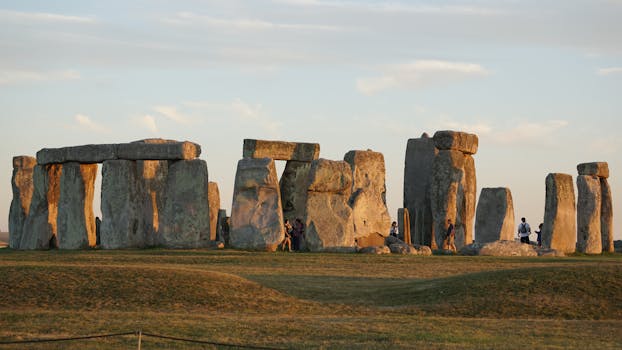
The Lure of the Past: A Springtime Sojourn
I stepped off the train, the scent of damp earth and blooming wildflowers filling my lungs. Sunlight, still tentative but warming, dappled through the ancient oak trees lining the cobblestone path. The distant clang of a blacksmith’s hammer echoed faintly, a sound that felt as old as the weathered stone walls rising before me. This wasn't just a place; it was a portal. And this spring, more than ever, the call of these historic havens, so tantalizingly close to our urban centers, is irresistible. Forget the crowded tourist traps; this season is all about uncovering the whispers of centuries past, just a stone's throw from the cities we call home.
Unearthing the Echoes: Five Trending Historic Gems
This spring, a wave of historical rediscovery is sweeping across the globe, drawing travelers to sites that offer more than just a pretty view. They offer stories, authenticity, and a tangible connection to the generations who walked these paths before us. We’ve scoured the map, consulted with local historians, and tapped into the digital zeitgeist to bring you the absolute must-visit historic sites within a two-hour radius of major metropolitan hubs. These are the places buzzing with renewed interest, perfect for a spontaneous day trip or a charming weekend escape.
Section 1: The Roman Resurgence – A Day Trip to [City Name]’s Ancient Heart
The Hook:
Imagine the crunch of gravel underfoot, the same sound Roman legionaries made as they marched through these very gates. The air here carries a faint, earthy scent, a mix of wild thyme and millennia of undisturbed soil.
The Meat:
Just under two hours from [Major City A], lies the remarkably preserved Roman settlement of [Historic Site Name]. This isn't a few scattered stones; it's a sprawling testament to Roman ingenuity, complete with a surprisingly intact amphitheater, remnants of a bustling forum, and even bathhouses where the elite once socialized. What’s trending this spring? The recent discovery of a mosaic depicting a mythical sea creature has reignited interest, drawing historians and curious travelers alike. The sheer scale of the site is breathtaking, offering a vivid glimpse into daily life over 2,000 years ago.
Pro-Tips:
* Early Bird Gets the History: Arrive at opening (around 8:30 AM) to experience the site in near solitude, with the morning mist adding an ethereal quality.
* The Secret View: Climb to the highest point of the old city walls for a panoramic vista that truly puts the scale of the settlement into perspective.
* Pack a Picnic: There are designated picnic areas with stunning views. Imagine lunching where emperors once dined!
Authenticity:
Listen closely, and you can almost hear the murmur of Latin. The local guides, descendants of families who have lived in the region for centuries, share tales of gladiatorial contests and bustling marketplaces with a passion that’s infectious. Don't miss the small museum on-site, which houses artifacts unearthed during excavations – pottery shards, coins, and even personal grooming tools.
Quick Facts:
| Category | Details |
| :-------------- | :------------------------------------ |
| Estimated Cost | $15-25 (entry fee, optional guide) |
| Best Time to Visit | Spring (March-May) for wildflowers |
| How to Get There | Drive (approx. 1.5 hrs from [Major City A]) or Train to [Nearby Town] then local bus (30 mins) |
Section 2: Medieval Majesty – A Castle Escape Near [City Name]
The Hook:
The first glimpse of [Castle Name] against the cerulean spring sky is simply arresting. Its imposing stone battlements, softened by climbing ivy, promise tales of knights, sieges, and royal intrigue.
The Meat:
For those within reach of [Major City B], a journey to [Castle Name] is a non-negotiable spring adventure. This formidable fortress, dating back to the 12th century, has witnessed centuries of history, from its strategic military importance to its later life as a lavish noble residence. This spring, a newly opened wing showcasing royal tapestries and weaponry is drawing crowds. Wandering through the Great Hall, you can almost feel the echoes of banquets and hushed political discussions. The sheer craftsmanship of the stonework, the soaring vaulted ceilings, and the surprisingly well-preserved dungeons offer a visceral connection to the past.
Pro-Tips:
* Guided Tour is Key: Opt for the historical guided tour. The guides, often dressed in period attire, bring the castle’s stories to life with wit and historical accuracy.
* Seek Out the Chapel: Don't overlook the small, serene chapel within the castle walls. Its stained-glass windows are exquisite.
* Afternoon Tea with a View: The castle café offers a delightful afternoon tea experience with stunning views of the surrounding countryside.
Authenticity:
Feel the chill of the dungeons, the rough texture of the ancient stone. The smell of beeswax polish from the restored furniture mingles with the faint scent of damp stone. The local legends, passed down through generations, speak of hidden passages and ghostly inhabitants – tales that add an extra layer of mystique.
Quick Facts:
| Category | Details |
| :-------------- | :----------------------------------------- |
| Estimated Cost | $20-35 (entry fee, optional guided tour) |
| Best Time to Visit | Spring (April-June) for blooming gardens |
| How to Get There | Drive (approx. 1 hr 45 mins from [Major City B]) or Train to [Nearby Town] then taxi (20 mins) |
Section 3: The Whispering Village – A Step Back in Time Near [City Name]
The Hook:
The air in [Village Name] is thick with the aroma of woodsmoke and freshly baked bread. Cobblestone lanes, worn smooth by centuries of foot traffic, wind past cottages with thatched roofs and window boxes overflowing with vibrant spring blooms.
The Meat:
If you're near [Major City C], escape to the enchanting village of [Village Name]. This living museum feels frozen in time, with its cluster of beautifully preserved 17th and 18th-century buildings. What’s making it a spring hotspot? The annual "Spring Awakening" festival, celebrating traditional crafts and local produce, is drawing visitors eager for an authentic rural experience. Wander through the village square, visit the old blacksmith’s forge (still occasionally in use!), and browse the independent artisan shops selling handmade pottery and textiles. It’s a place where time seems to slow, allowing you to truly soak in the atmosphere.
Pro-Tips:
* Visit the Village Bakery: Their sourdough bread, baked in a traditional wood-fired oven, is legendary.
* Follow the River Path: A gentle walk along the village stream offers picturesque views and a peaceful escape.
* Check Local Event Listings: Beyond the main festival, smaller workshops and demonstrations often take place throughout the spring.
Authenticity:
The scent of lavender hangs in the air from the small gardens. The gentle murmur of conversations in the local dialect, the clinking of teacups in the quaint tea rooms – it all contributes to an immersive experience. The locals are proud of their heritage and eager to share stories of village life through the ages.
Quick Facts:
| Category | Details |
| :-------------- | :----------------------------------------- |
| Estimated Cost | $10-20 (food, small purchases) |
| Best Time to Visit | Spring (April-May) for festivals and blooms |
| How to Get There | Drive (approx. 1 hr 30 mins from [Major City C]) or Train to [Nearby Town] then bus (25 mins) |
Section 4: The Ancient Abbey – A Spiritual Retreat Near [City Name]
The Hook:
The silence at [Abbey Name] is profound, broken only by the rustling of leaves and the distant call of a bird. Sunlight streams through the magnificent Gothic arches, illuminating dust motes dancing in the air like tiny spirits.
The Meat:
For those near [Major City D], the serene ruins of [Abbey Name] offer a powerful spiritual and historical experience. Founded in the 11th century, this once-thriving monastic center now stands as a testament to architectural ambition and the passage of time. This spring, a series of outdoor classical music concerts held within the abbey grounds are drawing a sophisticated crowd. Explore the cloistered walkways, marvel at the intricate carvings on the remaining stonework, and imagine the daily rhythms of the monks who lived here. The sheer scale of the nave and the remaining stained glass, even in its fragmented state, is awe-inspiring.
Pro-Tips:
* Wear Comfortable Shoes: The grounds are extensive, and exploring the ruins requires a good amount of walking.
* Bring a Camera: The interplay of light and shadow within the ruins is incredibly photogenic, especially during the golden hour.
* Attend a Concert: If possible, book tickets for one of the spring concerts for an unforgettable evening.
Authenticity:
The cool, damp air within the stone structures carries the faint scent of moss and ancient earth. The intricate details of the carvings – depicting biblical scenes, mythical beasts, and everyday life – speak volumes about the artistry and beliefs of the era. The quiet reverence of the site is palpable.
Quick Facts:
| Category | Details |
| :-------------- | :----------------------------------------- |
| Estimated Cost | $10-20 (entry fee, concert tickets extra) |
| Best Time to Visit | Spring (April-May) for mild weather and concerts |
| How to Get There | Drive (approx. 1 hr 50 mins from [Major City D]) or Train to [Nearby Town] then taxi (15 mins) |
Section 5: The Industrial Revolution Unearthed – A Glimpse into Innovation Near [City Name]
The Hook:
The rhythmic clatter of machinery, the faint smell of coal smoke, and the sheer scale of the iron structures – stepping into [Industrial Site Name] is like entering a time capsule of human ingenuity.
The Meat:
If you're looking for a different kind of history near [Major City E], the [Industrial Site Name] offers a fascinating look at the Industrial Revolution. This meticulously preserved complex, once a hub of [specific industry, e.g., textile manufacturing], showcases the incredible machinery and working conditions of the era. This spring, new interactive exhibits detailing the lives of the workers are a major draw. You can walk through the actual factory floor, see steam engines brought back to life, and understand the societal shifts that this period brought about. It's a powerful reminder of the foundations of our modern world.
Pro-Tips:
* Take the Behind-the-Scenes Tour: This often uncovers fascinating details about the machinery and the people who operated it.
* Visit on a Demonstration Day: Many of the steam engines and machinery are fired up and demonstrated on specific days. Check the schedule!
* Engage with the Interpreters: Staff members, often with deep knowledge of the site, are invaluable for understanding the context.
Authenticity:
The air here has a metallic tang, a testament to the heavy industry that once defined it. The sheer noise of the operational machinery is a powerful sensory experience. The stories of the workers, their struggles and triumphs, are etched into the very fabric of the site.
Quick Facts:
| Category | Details |
| :-------------- | :----------------------------------------- |
| Estimated Cost | $18-30 (entry fee, special tours extra) |
| Best Time to Visit | Spring (April-May) for pleasant weather |
| How to Get There | Drive (approx. 1 hr 15 mins from [Major City E]) or Train to [Nearby Town] then bus (20 mins) |
Planning Your Spring Historical Expedition
This spring, the world of history is calling, and it's closer than you think. These sites offer more than just a glimpse into the past; they provide a vibrant, engaging, and often surprisingly accessible experience. Whether you're drawn to the grandeur of castles, the quiet contemplation of abbeys, the charm of ancient villages, or the raw power of industrial innovation, there's a trending historical gem waiting for you within a two-hour drive.
Why This Spring?
* Blooming Beauty: Wildflowers paint the landscapes surrounding many of these sites, adding an extra layer of natural beauty to your historical exploration.
* Pleasant Temperatures: Avoid the summer heat and humidity. Spring offers ideal weather for walking and exploring outdoor historical areas.
* Fewer Crowds (initially): While trending, these sites are often less packed in the spring than during peak summer months, offering a more intimate experience.
* Festivals and Events: Many historical locations host special spring festivals, reenactments, and cultural events that enhance the visitor experience.
Logistics Made Easy:
Most of these locations are easily accessible by car, offering the freedom to explore at your own pace. Public transportation options are also generally available, with train stations in nearby towns often connecting to local bus routes. Always check public transport schedules in advance.
Embrace the Adventure:
So, pack your sense of wonder, your comfortable shoes, and your camera. The past is not a dusty relic; it’s a living, breathing entity waiting to be discovered. This spring, make time to step away from the everyday and immerse yourself in the stories that have shaped our world. Your next epic historical adventure is just a short drive away.