The Shift: Why the South is Stealing the Spotlight
I stepped off the local bus into the warm, honey-thick air of Mérida, Mexico, at 11:45 PM. My pockets held an unlocked iPhone, a high-end mirrorless camera hung loosely over my shoulder, and I had absolutely no idea where my guesthouse was. In many US metro areas, this level of distraction at midnight is an invitation for trouble.
But as I stood under the soft amber glow of the municipal streetlights on Calle 60, a family of three strolled past me pushing a stroller, laughing over cups of lime sorbet. An elderly couple sat on a nearby wrought-iron bench, deeply engrossed in quiet conversation. There was no tension in the air. No scanning the shadows. No clutching my bag to my chest.
```
Safety Index Comparison (Numbeo 2024)
┌───────────────────────────────────────┬──────────────┐
│ City │ Safety Index │
├───────────────────────────────────────┼──────────────┤
│ Mérida, Mexico │ 74.2 │
│ Montevideo, Uruguay │ 52.8 │
│ Austin, Texas, USA │ 53.1 │
│ Philadelphia, Pennsylvania, USA │ 36.4 │
│ Oakland, California, USA │ 31.2 │
└───────────────────────────────────────┴──────────────┘
```
The data confirms what boots-on-the-ground travelers have known for years: several Latin American cities boast safety indexes that put their US counterparts to shame. Fueled by tight-knit community structures, proactive local policing, and a post-pandemic economic boom, these five destinations are emerging as the ultimate safe havens for travelers this year.
---
1. Mérida, Mexico: The Yucatán’s Peaceful Crown Jewel
If you still associate Mexico solely with cartel headlines, Mérida will shatter your misconceptions within five minutes of arrival. Located in the Yucatan State—which boasts a homicide rate lower than Wyoming—Mérida is statistically safer than almost any mid-to-large-sized city in the United States.
The Vibe
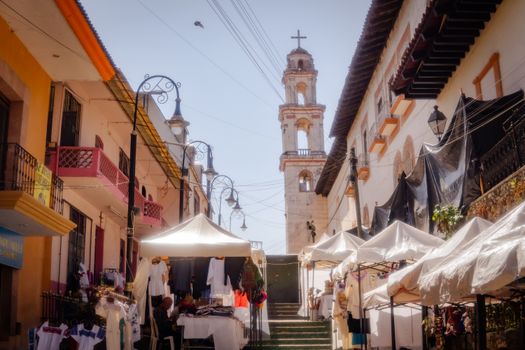
Mérida is a sensory explosion of pastel-hued Spanish-Moorish architecture, Mayan pride, and French-inspired grand avenues. The city’s heartbeat is its plazas, where locals gather nightly to watch traditional Vaquería dances. The air smells of charred habaneros, sour oranges, and the sweet, yeasty aroma of marquesitas (crispy crepes filled with Edam cheese and cajeta) being cooked over open flames on street corners.
Why It’s Safer Than US Cities
Mérida’s safety stems from a combination of geographical isolation, an incredibly well-funded state police force (equipped with state-of-the-art surveillance and checkpoints on all major highways), and a deeply rooted culture of neighborhood watchfulness. Neighbors actually know each other here; they sit on their front porches in rocking chairs every evening, keeping an active eye on the street.
- Pro-Tip: Skip the crowded tourist restaurants on the main plaza for dinner. Head instead to Calle 62, locate the unmarked, heavy wooden door next to the dry cleaner, and knock twice. Inside lies La Negrita, a century-old cantina where you can sip local craft beer and eat free botanas (snacks) while a live salsa band plays under a canopy of palm trees.
- Best Neighborhood for Walking at Night: Paseo de Montejo or the historic Centro (specifically between Calles 47 and 55).
---
2. Montevideo, Uruguay: The Progressive Coastal Sanctuary
Uruguay is often called the "Switzerland of South America," and its laid-back capital, Montevideo, is the ultimate testament to this moniker. While US capitals grapple with rising urban strain, Montevideo remains a bastion of social stability, high living standards, and progressive policies.
The Vibe
Montevideo feels like a cross between Barcelona and a vintage film set. It is a city of Art Deco buildings, bohemian cafes, and a 13-mile-long coastal avenue known as La Rambla. The pace of life here is intentionally slow. Everyone you pass has a thermos tucked under their arm and a mate gourd in hand, ready to chat.
Why It’s Safer Than US Cities
Uruguay ranks incredibly high on the Global Peace Index, thanks to low levels of corruption, a robust social safety net, and a highly educated population. While petty theft (like pickpocketing on crowded buses) exists, violent crime is exceptionally rare. You can walk along the Rambla at 2:00 AM without looking over your shoulder.
- Pro-Tip: To experience Montevideo like a true Montevideano, head to the Mercado del Puerto on a Saturday afternoon. Avoid the aggressive hosts at the entrance. Walk directly to the back corner to a small, family-run stall called Cabaña Verónica. Order the pamplona de pollo (stuffed chicken breast grilled over hot embers) paired with a glass of medio y medio (a local mix of sweet white wine and sparkling wine).
- Best Neighborhood for Walking at Night: Punta Carretas or Pocitos.
---
3. Cuenca, Ecuador: The Andean Cultural Haven
While mainland Ecuador has faced political and security challenges in its coastal port cities, the southern Andean city of Cuenca remains an isolated oasis of tranquility, culture, and safety.
The Vibe
Surrounded by green mountains and bisected by four rushing rivers, Cuenca is a UNESCO World Heritage site filled with red-tiled roofs, towering blue-domed cathedrals, and cobblestone streets. It has become a premier destination for expats and cultural travelers who want European charm at Latin American prices.
Why It’s Safer Than US Cities
Cuenca operates almost independently of the coastal security dynamics. The city has a massive, highly visible municipal security presence (Guardia Ciudadana) and a community that fiercely protects its tourism industry. Violent crime is practically non-existent in the historic center.
- Pro-Tip: To get the absolute best views of the city without the crowds, skip the famous Turi viewpoint. Instead, walk down to the Tomebamba River path at 7:30 AM. Cross the broken stone bridge (Puente Roto) and look for an elderly indigenous woman named Maria selling fresh agua de pitahaya (dragon fruit water) and warm, homemade humitas (steamed corn cakes) from a wicker basket. Eat your breakfast on the grassy riverbank while watching the city wake up.
- Best Neighborhood for Walking at Night: El Barranco or San Sebastian.
---
4. Antigua, Guatemala: The Volcanic Fortress of Peace
Just an hour’s drive from Guatemala City lies Antigua, a masterclass in preservation, safety, and colonial beauty. Surrounded by three towering volcanoes (Agua, Fuego, and Acatenango), this city is a cobblestone sanctuary that feels worlds away from the urban grit of major American metros.
The Vibe
Antigua is a kaleidoscope of yellow-washed walls, ruinous 16th-century convents, and vibrant indigenous markets. The air is perpetually perfumed with the scent of woodsmoke, roasting cardamom, and freshly ground volcanic coffee.
Why It’s Safer Than US Cities
Antigua is protected by a dedicated tourist police force known as POLITUR. Officers are stationed on almost every major corner in the historic core, speaking fluent English and actively guiding travelers. Because the city’s economy relies almost entirely on tourism and language schools, the local community maintains a zero-tolerance policy for crime against visitors.
- Pro-Tip: Don't just take photos of the iconic Santa Catalina Arch from the street. Walk through the unassuming blue door of the Convento de Santa Clara on a Tuesday morning. If you ask the caretaker nicely and pay a small tip (around 20 Quetzales), they will let you climb the narrow, dark spiral staircase to the ruined choir loft. You’ll get an unobstructed, elevated view of Volcán de Agua framed perfectly by colonial arches—with absolutely no other tourists in sight.
- Best Neighborhood for Walking at Night: Anywhere within the 8x8 grid of the central historic zone.
---
5. Curitiba, Brazil: The Smart, Green Urban Marvel
Brazil often gets a bad rap for safety in the mainstream media, but Curitiba—located in the country's southern region—is a glaring exception. Known globally as a pioneer in urban planning and green initiatives, Curitiba offers a level of safety, cleanliness, and public order that rivals top European cities.
The Vibe
Curitiba doesn't feel like the chaotic Brazil of Rio de Janeiro. It is orderly, highly efficient, and incredibly green, boasting over 50 square meters of green space per resident. The city features wire-tube bus stations, French-inspired botanical gardens, and a distinct cultural flavor influenced by German, Ukrainian, and Italian immigrants.
Why It’s Safer Than US Cities
Curitiba’s safety is a direct result of its revolutionary urban design. By integrating transit, housing, and social services, the city has kept poverty and crime rates remarkably low. The municipal guard actively patrols the extensive park system, and the city’s high-tech integrated monitoring center keeps a constant eye on public spaces.
- Pro-Tip: Skip the generic city tour buses. Take the local green express bus to the Bosque Alemão (German Woods). Instead of just visiting the viewpoint, follow the winding "Hansel and Gretel" dirt path through the dense, native Araucaria forest. Halfway down, you'll find a wooden library called "The Witch's House." If you arrive at 2:00 PM on a weekend, you can watch local librarians dress up and perform mesmerizing storytelling sessions for neighborhood children.
- Best Neighborhood for Walking at Night: Batel or Cabral.
---
Logistics & Budget: Planning Your Escape
To help you turn these safe dreams into reality, here is a quick breakdown of the cost of living, logistics, and safety ratings for our top five safe havens.
| Destination | Est. Daily Budget (USD) | Best Time to Visit | How to Get There | Safety Index Score |
| :--- | :--- | :--- | :--- | :--- |
| Mérida, Mexico | $45 - $70 | November to March | Fly into MID airport, or fly to Cancun (CUN) and take the ADO bus/Tren Maya. | 74.2 (Exceptionally Safe) |
| Montevideo, Uruguay | $80 - $130 | December to March | Fly into MVD airport, or take the Buquebus ferry from Buenos Aires. | 52.8 (Very Safe) |
| Cuenca, Ecuador | $35 - $60 | June to September | Fly to Quito (UIO) or Guayaquil (GYE), then take a short domestic flight or private shuttle. | 62.1 (Safe / Moderate) |
| Antigua, Guatemala | $40 - $75 | November to April | Fly into Guatemala City (GUA), then take a pre-booked private shuttle (45-60 mins). | 68.5 (Highly Secure in Historic Zone) |
| Curitiba, Brazil | $50 - $90 | March to May | Fly into CWB airport, or take a short flight from São Paulo (GRU). | 61.4 (Safe / High Order) |
---
How to Stay Safe Anywhere: The Golden Rules
While these cities boast crime statistics that make them incredibly secure, traveling smart is still essential. No matter where you go, keep these universal safety rules in mind:
- Use Registered Ride-Shares: Avoid hailing random street cabs at night. Use apps like Uber, Cabify, or Didi, which track your ride via GPS and allow you to share your route with friends.
- Blend In with the Locals: Ditch the flashy jewelry, expensive watches, and obvious tourist gear (like wearing hiking boots in a cosmopolitan city). Dress like the locals do—typically smart-casual.
- Keep Your Phone Secure: Don't walk down the street with your phone loosely in your hand while looking at maps. Step inside a cafe or shop to check your directions.
- Learn Basic Spanish/Portuguese: Knowing how to ask for directions (¿Me puede ayudar?) or order food in the local language builds instant rapport and shows respect for the community.
---
The Verdict: It's Time to Redefine Your Travel Map
The narrative that you must stay within the borders of the US or Europe to experience a safe, worry-free vacation is officially dead. Whether you choose the colonial charm of Mérida, the coastal sophistication of Montevideo, or the volcanic majesty of Antigua, these emerging Latin American gems offer an unbeatable combination of safety, affordability, and deep cultural immersion.
Pack your bags, leave your preconceptions behind, and go experience the vibrant, secure future of travel.
---