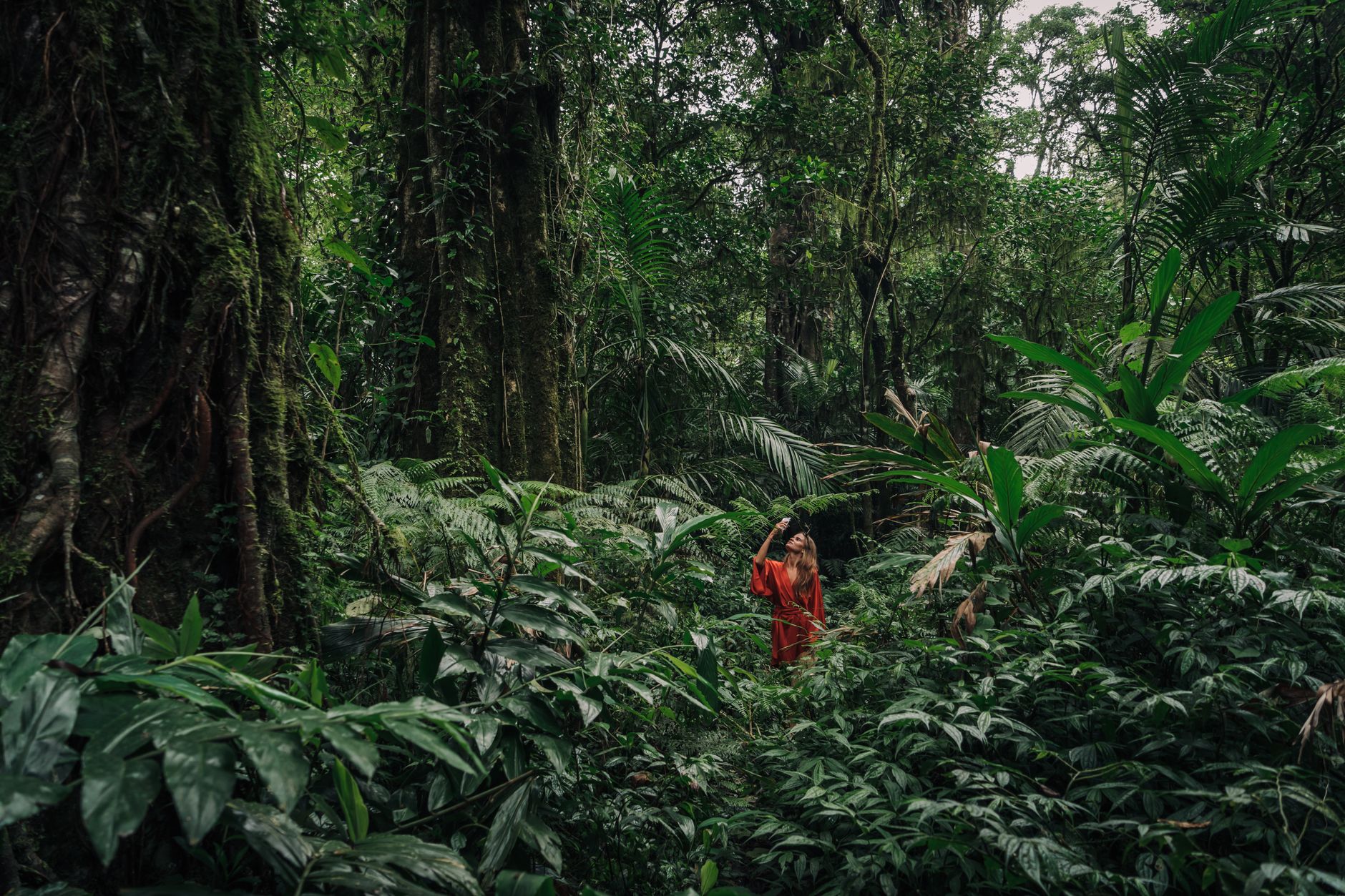
The first time I heard the jungle truly wake up, I wasn't on the ground, tucked safely in a tent. I was 60 feet up, strung between two ancient Kapok trees in a simple hammock, the air cool and thick with the scent of damp earth and blooming orchids. Below me, the rainforest was a dark, rustling enigma. Above, a million stars pierced through the canopy gaps. Then, it started – a low growl, echoing, growing, until the entire world seemed to vibrate with the raw, primal roar of howler monkeys. My heart pounded, a mix of pure terror and exhilarating awe. That, my friends, was my introduction to sleeping in the canopy, and it utterly changed me.
If you're reading this, chances are you're not looking for a typical vacation. You crave adventure, immersion, and stories that will make your friends' jaws drop. You want to feel the pulse of the wild, and there's no better way to do it than by literally becoming a part of the jungle's upper world. And let me tell you, November 2025 is shaping up to be an absolutely epic time to experience this. Why November? Often the shoulder season or start of the dry season in many tropical regions, offering fewer crowds, ideal weather, and prime wildlife activity.
So, buckle up, fellow adventurers! We're diving deep into the world of jungle treks where your bedroom is quite literally among the leaves.
Why Ditch the Ground for the Canopy? An Unforgettable Perspective
Sleeping in the canopy isn't just a gimmick; it's a profound shift in perspective. It transforms your jungle experience from observation to immersion. Here's why you need to elevate your adventure:
- Unrivaled Wildlife Encounters: This is the big one. Many species, especially primates, sloths, and a dazzling array of birds, spend their entire lives in the upper and middle canopy layers. From your elevated perch, you're in their world. I've watched curious capuchin monkeys swing just meters from my platform, seen a vibrant toucan build its nest at eye level, and even spotted elusive pygmy marmosets I'd never have seen from the ground. It's like having a VIP pass to the jungle's bustling apartment complex.
- The Symphony of the Night: The rainforest at night is a living, breathing entity, and from the canopy, you hear its full, unfiltered symphony. The rustling of leaves as unseen creatures move, the chirping of countless insects, the croaking of frogs, the distant calls of jaguars, and of course, those unforgettable howler monkeys. It's a lullaby unlike any other, a constant reminder that you are deeply, wonderfully alive in the heart of nature.
- A Sense of Isolation and Peace: While the jungle is alive with sound, being high up offers a unique sense of peace and detachment from the ground-level hustle. The air is often cooler, the views expansive, and there's a profound quietness that settles over you as you gaze out at the endless green. It’s a true escape from the noise of the modern world.
- Reduced Ground-Level Critters (Mostly!): While you'll still have insects, being elevated often means fewer encounters with ground-dwelling creatures like snakes, scorpions, and large spiders. It's not a guarantee, mind you (the jungle finds a way!), but it can offer a psychological comfort for some.
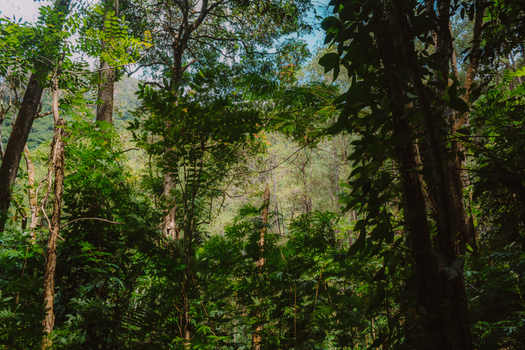
This isn't just camping; it's an intimate, raw connection with one of Earth's most biodiverse ecosystems. It's a chance to truly understand the rhythm of the rainforest.
Prime Canopy Trekking Destinations for November 2025
Choosing your jungle playground is crucial. November generally offers favorable conditions in many tropical regions, often marking the end of the rainy season or the beginning of the drier period, meaning clearer skies, slightly less humidity, and excellent wildlife viewing opportunities as animals are more active.
Here are my top picks for an unforgettable canopy sleeping experience in November 2025:
- The Peruvian Amazon (Tambopata & Manu National Parks):
- Why November: The tail end of the dry season or early wet season, meaning rivers are navigable, wildlife is abundant (especially migratory birds), and there's a good balance of sun and occasional refreshing rain.
- The Experience: Peru is a pioneer in eco-tourism, and several lodges offer incredible canopy experiences. While many have impressive canopy towers for viewing, some specialized tours and lodges provide open-air, elevated platforms or rustic treehouse-style accommodations truly nestled within the canopy.
- Refugio Amazonas & Tambopata Research Center: While primarily known for their incredible canopy towers (80-100 feet high!) that offer breathtaking sunrise views and unparalleled birdwatching, some expeditions connected to these lodges can arrange more immersive, rustic canopy camps for multi-day treks. Imagine waking up after a night on an elevated platform with macaws flying past at eye level!
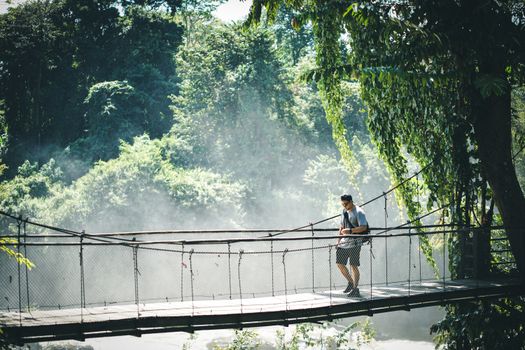
- Treehouse Lodge (Iquitos region): This is one of the closest you'll get to actually sleeping in the canopy without it being a rustic camp. Their bungalows are built high in the trees, accessible by rope bridges, offering 360-degree views and an incredible sense of immersion. It’s a step up in comfort but still deeply connected to the environment.
- Cost Estimate: For a 3-5 day tour, including transfers, guides, food, and canopy access, expect to pay anywhere from $900 - $2,000+ USD per person, depending on the lodge and level of immersion.
- Borneo (Malaysian Borneo - Danum Valley & Kinabatangan River):
- Why November: Generally a transitional month. While it can see some rain, it's not the peak monsoon, and wildlife is active. The humidity starts to drop, making treks more comfortable.
- The Experience: Borneo is synonymous with orangutans, pygmy elephants, and incredible biodiversity. True 'sleep in the canopy' experiences here are often more rustic and expedition-based, sometimes involving setting up hammocks on platforms or very basic elevated shelters built by local communities or specific research centers.
- Danum Valley Conservation Area: This pristine primary rainforest offers incredible opportunities. While the luxurious Borneo Rainforest Lodge has canopy walks, for true canopy sleep, you'd be looking at more specialized eco-tours that might include setting up elevated camps for researchers or dedicated wildlife photographers. These are often bespoke and require advance planning.
- Kinabatangan River (Eco-Lodges): Many lodges along the river offer elevated chalets that, while not in the canopy, provide fantastic views and a sense of being part of the upper forest. Some specialized operators might integrate a night on a river-view platform.
- Cost Estimate: A 3-4 day trip to Danum Valley can range from $1,500 - $3,000+ USD depending on the lodge and inclusions. More rustic, bespoke canopy camp experiences would be priced individually.
- Costa Rica (Osa Peninsula & Monteverde Cloud Forest):
- Why November: The end of the green season/start of the dry season. Lush and vibrant from recent rains, but with increasing sunny days. Wildlife is incredibly active as the forest bursts with life.
- The Experience: Costa Rica is a mecca for eco-adventure. While famous for zip-lining and hanging bridges, it also offers unique elevated accommodations.
- Pacuare River Lodge (Near Turrialba): Accessible by raft, this lodge offers stunning open-air bungalows nestled in the rainforest, giving you an incredible sense of immersion. While not exactly a "hammock in a tree," it offers the feeling of being high up, surrounded by the jungle.
- Corcovado National Park (Osa Peninsula): Known as one of the most biodiverse places on Earth. Some remote eco-lodges and research stations here offer very rustic, elevated platforms or open-air cabins that put you directly into the canopy experience. Trekking to these spots is part of the adventure!
- Specialized Canopy Tours: Look for smaller, local operators in areas like the Osa Peninsula who might offer multi-day treks that include setting up hammock camps on designated, safe platforms. These are often more "expedition" style.
- Cost Estimate: A 3-5 day eco-lodge stay or specialized trek can range from $800 - $2,500+ USD, depending on luxury level and remoteness.
- Ecuadorian Amazon (Yasuni National Park):
- Why November: Generally a good time with comfortable temperatures and a mix of sun and rain, keeping the forest vibrant and wildlife active.
- The Experience: Yasuni is incredibly biodiverse. Lodges here often focus on deep cultural immersion alongside wildlife viewing.
- Napo Wildlife Center & Sani Isla Lodge: Both are community-run eco-lodges offering exceptional experiences, including visits to impressive canopy towers. While they don't typically offer "sleep in a hammock in a tree," their elevated cabins and proximity to the canopy towers provide a similar immersive feeling. For a true sleep-in experience, you'd need to arrange a bespoke expedition with a local guide, which is possible but requires more planning and a willingness for very basic conditions.
- Cost Estimate: A 4-5 day stay at a top-tier lodge like Napo Wildlife Center can be $1,500 - $2,500+ USD, including guides, meals, and activities.
Important Note on "Sleep in the Canopy":
True, raw "sleep in the canopy" often means a hammock on a basic, open-air platform, or a very rustic, open-sided treehouse. It's not usually a luxurious, enclosed treehouse hotel room (though those are amazing too!). Set your expectations for an authentic, immersive, and sometimes rustic experience. Always confirm the exact sleeping arrangements with your tour operator.
What to Expect: The Thrill and the Practicalities
So, you've picked your destination. Now, what's it really like to spend a night (or more!) among the branches?
- The Accommodation: Forget five-star amenities. Your "room" might be a sturdy hammock with a mosquito net, a simple wooden platform with a basic tarp shelter, or an open-air, multi-level treehouse with minimal walls. The focus is on connection to nature, not creature comforts. You'll likely use shared, basic toilet facilities (sometimes a composting toilet on a lower platform), and showers might be cold or bucket-style. Embrace the simplicity!
- The Wildlife Up Close: Be prepared for company. Monkeys might wake you with their chatter, birds will flit by, and you'll hear every rustle. While insects are part of the deal, good mosquito netting is always provided and essential. I once had a curious tarantula explore the underside of my platform – a moment of pure adrenaline!
- Sounds, Smells, and Sensations: The air is humid, often misty in the mornings. The smells are earthy, floral, and sometimes musky. The sounds are constant – a chorus of insects, frogs, birds, and animals that never truly stops. It’s an assault on the senses in the best possible way.
- Safety First: Reputable operators prioritize safety. You'll be with experienced, certified guides who know the jungle intimately. Platforms are built to strict safety standards, and you'll often be provided with harnesses for moving between platforms or for accessing certain areas. Listen to your guides – they are your lifeline.
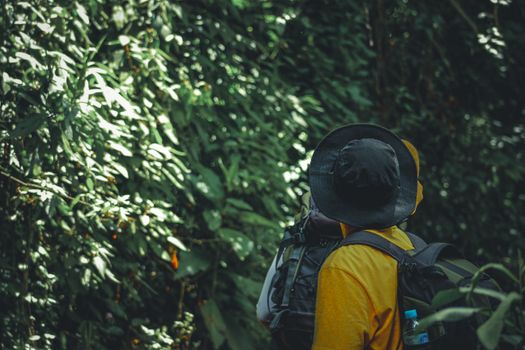
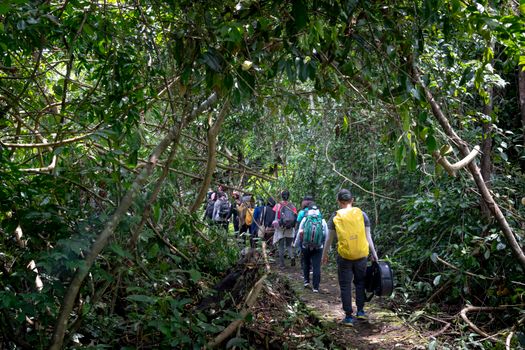
- The Trek to Get There: Often, the canopy sleeping experience is part of a multi-day jungle trek. You'll hike through dense foliage, sometimes crossing rivers or navigating muddy trails. A moderate level of fitness is usually required. This journey is part of the adventure!
- Digital Detox (Mostly): Expect little to no Wi-Fi or cell service. This is your chance to truly disconnect and be present. Charge your devices beforehand and bring a power bank, but be prepared to leave your screen time behind.
Planning Your November 2025 Canopy Adventure
This isn't a last-minute trip. These specialized experiences require careful planning.
- Book Early (Like, NOW for Nov 2025!): Niche adventures like canopy sleeping fill up quickly, especially during prime seasons. Start researching and booking your tour or lodge at least 9-12 months in advance for November 2025.
- Budget Realistically: These experiences are often all-inclusive (guides, food, activities, transfers) but they aren't cheap. Factor in international flights, domestic transfers, and the tour cost itself. Be wary of unusually cheap tours, as they might cut corners on safety or sustainability.
- Packing List Essentials (The "Must-Haves"):
- Lightweight, Quick-Dry Clothing: Long sleeves and pants are crucial for sun and insect protection. Think breathable fabrics.
- Sturdy Hiking Boots: Waterproof is a bonus. Break them in before you go!
- Rain Gear: A lightweight, packable rain jacket and pants are non-negotiable.
- Insect Repellent: Get the good stuff with DEET or picaridin. Apply liberally.
- Headlamp/Flashlight: With extra batteries. Essential for navigating at night.
- Binoculars: For spotting incredible wildlife from your perch.
- Camera Gear: A good zoom lens is highly recommended. Protect it from humidity!
- Water Bottle/Hydration Pack: Stay hydrated!
- Small Backpack: For day treks and carrying essentials to your canopy spot.
- Personal First-Aid Kit: Include any prescription medications, blister treatment, pain relievers.
- Sun Protection: Hat, sunglasses, reef-safe sunscreen.
- Swimsuit: If there are river activities.
- Dry Bags: To protect electronics and valuables from rain and humidity.
- Fitness Level: Be honest with yourself. Most jungle treks require a moderate level of fitness – being able to walk for several hours on uneven, sometimes muddy terrain. Some canopy access might involve climbing ladders or using ropes.
- Travel Insurance: Absolutely essential. Ensure it covers adventure activities and emergency evacuation.
- Vaccinations & Health: Consult your doctor well in advance about necessary vaccinations (Yellow Fever, Hepatitis, etc.) and malaria prophylaxis for your chosen region.
- Choose Sustainable Operators: Look for tour companies and lodges committed to eco-tourism, supporting local communities, and conservation. Your adventure should leave a positive impact.
Beyond the Sleep: Maximizing Your Jungle Immersion
Sleeping in the canopy is just one incredible facet of your jungle adventure. Make the most of your trip:
- Embrace Guided Walks: Your local guides are a treasure trove of knowledge. They can spot camouflaged wildlife, identify plants, and share fascinating insights into the ecosystem and local culture. Listen, learn, and ask questions!
- River Tours: Many jungle experiences involve navigating rivers by canoe or boat, offering a different perspective and unique wildlife viewing opportunities (e.g., caimans, giant otters, kingfishers).
- Birdwatching: The canopy is a birdwatcher's paradise. Even if you're not an avid birder, the sheer variety and vibrant colors are mesmerizing.
- Cultural Exchange: If your tour involves local communities, engage respectfully. Learn about their traditions, their relationship with the forest, and perhaps even try some local cuisine. This adds a profound layer to your experience.
- Photography Tips: The jungle can be challenging for photography. Bring a rain cover for your camera, extra batteries (humidity drains them fast!), and practice shooting in low light. A zoom lens is invaluable for wildlife. And remember, sometimes the best "shot" is just taking it all in with your own eyes.
- Practice Mindfulness: With no distractions, the jungle offers a unique opportunity for introspection. Take moments to simply breathe, listen, and feel the raw power of nature around you. It's a truly meditative experience.
The Jungle Awaits Your November 2025 Adventure!
My canopy experiences remain some of the most vivid and transformative memories of my life. There's a primal connection you forge when you're literally sleeping in the arms of the rainforest, a feeling of being simultaneously vulnerable and utterly alive. It strips away the unnecessary, leaving you with a profound appreciation for our planet's wild heart.
November 2025 is calling. It's an invitation to step outside your comfort zone, to embrace the unknown, and to create a story that you'll tell for a lifetime. Don't just dream about waking up to the chorus of the jungle; make it your reality. Start planning your elevated adventure today, and prepare to see the world from a breathtaking new perspective. The canopy is waiting for you. Are you ready?
---