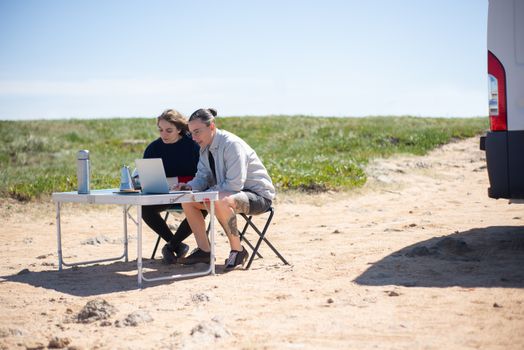
The idea of a job that combines work with travel attracts many people, and it is true that some occupations involve moving between places regularly. Tour leaders accompany groups across countries, cruise crews work on ships that call at multiple ports, and seasonal staff follow the resort calendar from one region to another. Other roles allow remote work from almost anywhere, subject to employer policies and legal requirements. However, travel is usually part of the job rather than a paid holiday. Pay, stability, working hours and accommodation vary greatly, and the lifestyle can be demanding.
This article outlines common categories of travel-related work and the trade-offs each involves. It does not promise specific earnings, because pay depends on country, employer, experience and season.
Guiding and Tour Leadership
Tour guides and tour leaders work with groups on day trips, multi-day itineraries or long expeditions. Responsibilities range from interpreting history and nature to managing logistics, handling emergencies and keeping schedules on track. Many destinations require guides to hold a licence or to complete a recognized training course, and rules differ widely. Language skills are often essential, and knowledge of local culture, safety and first aid is valuable.
The work can be rewarding but tiring. Days may be long, and time away from home can be extended. Income can be seasonal and sometimes depends on tips, so it helps to have a financial buffer.
Cruise and Ship Work
Cruise lines and other passenger vessels employ crew in hospitality, entertainment, technical and medical roles. Contracts are typically fixed-term, with rotations of several weeks or months on board followed by a break. Accommodation is provided on the ship, and meals are often included, which can reduce living costs. The work involves long shifts, shared cabins in many cases and limited privacy. Ports of call offer opportunities to explore, but time ashore is usually limited and governed by the schedule.
Recruitment often requires certificates, medical checks, safety training and sometimes previous experience in customer service. Read contracts carefully and ask about rest periods, pay structure, deductions and grievance procedures.
Seasonal Hospitality and Outdoor Work
Ski resorts, summer camps, national parks and coastal towns regularly hire seasonal staff. These roles can include hotel and restaurant work, instruction, lift operation, guiding or maintenance. Many workers move between regions with the seasons, and some combine several short contracts over a year. Accommodation is sometimes provided, although it may be basic and shared. Workers should check whether staff housing is included, what it costs and how it is managed.
Seasonal work can offer physical activity, new skills and a strong social community. It can also mean irregular income and short notice of schedules, so planning and budgeting are important.
Au Pair, Language Teaching and Other Options
Au pair arrangements place young people with host families abroad in exchange for childcare, language practice and cultural exchange. Eligibility rules, allowances and hours vary between countries and programs, and visa requirements can be strict. Teaching English or other languages abroad is another option, usually requiring a recognized teaching qualification or certificate, and conditions depend on local employment law. International schools may offer contracts with relocation support, though competition for positions can be high.
Yacht crew, flight attendant roles, humanitarian and development fieldwork, and travel writing or photography also involve travel. Each carries specific requirements and risks. Travel writing and photography, for example, often have uncertain income and rely heavily on freelance clients.
Remote Work and Working Holidays
Remote roles allow people to work from different locations, but they are not automatically free from legal obligations. Employers may have rules about working abroad, and tax residence, social security and permits can be affected by how long you stay in a country. Some countries offer digital nomad or remote-work visas, with conditions on income and duration. Working holiday schemes exist in several countries for citizens of partner nations, usually with age limits and rules about the length of stay and type of work allowed.
Check official immigration and tax guidance before relocating, and seek professional advice if your situation is complex.
Practical Tips
Research the specific requirements, certificates and visa rules for any role before applying. Ask for written contracts and read them fully, including notice periods, accommodation terms and deductions. Build a savings buffer to cover gaps between jobs and unexpected costs. Confirm that your health and travel insurance is suitable for work abroad. Speak with people already doing the job, if possible, to understand the realities. Finally, be realistic about the lifestyle: travel-related work can bring freedom and experience, but it also involves long hours, uncertainty and time away from home.
Jobs that involve travel can offer a meaningful way to see the world while earning a living, but the trade-offs are real. Careful research into roles, contracts and legal requirements helps turn an appealing idea into a sustainable choice.