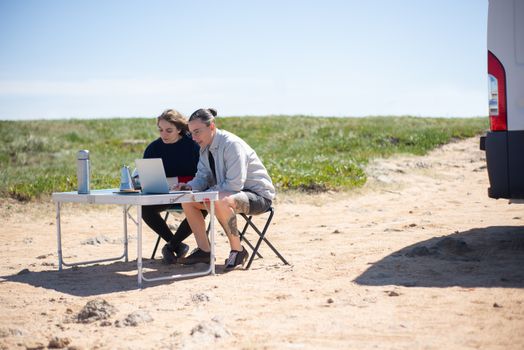
Working while traveling appeals to many people who want to see the world without stepping away from paid work. A few job categories suit this lifestyle better than others, and the right choice depends on your skills, your tolerance for uncertainty and the countries you hope to visit. Some roles let you work remotely from anywhere with a stable connection, while others are tied to a specific place and season. This guide describes common options and the practical issues to check before you plan around them.
Remote professional roles
Many employers hire people who can work from any location, particularly in fields such as writing, software development, design, customer support, marketing and translation. Remote roles often require reliable internet, a suitable time-zone overlap with the team and a dependable way to communicate. Some employers have policies that limit where staff can work, so ask about this before accepting an offer.
Freelance and contract work follows similar patterns, but it requires more self-management. You will need to find clients, manage invoices and plan for irregular income. Keep a buffer of savings to cover slow months.
Seasonal and hospitality work
Seasonal jobs in ski resorts, beach towns, farms and festivals can offer a chance to live in a place for several months. Hospitality roles such as bar work, housekeeping, front desk positions and kitchen assistance are common, as are positions at activity centers, campsites and tour operators. These jobs often include some accommodation or meals, though this varies.
Seasonal work can be physically demanding and sometimes involves long shifts or irregular hours. Check contract terms carefully, including pay periods, notice requirements and any deductions for accommodation.
Teaching, language and care roles
Language teaching, tutoring and some childcare or care roles can be found internationally, though requirements differ widely. Teaching positions often require specific qualifications, background checks or certification. Private tutoring may be possible with fewer formal requirements, but it still involves legal and tax obligations in many countries.
Be cautious of offers that promise high pay for minimal qualifications or that ask for upfront fees. Verify the employer and the job's legitimacy through official channels and independent reviews.
Work rights, visas and taxes
Right to work is the most important legal question for anyone working abroad. Some countries offer working holiday visas for people of certain nationalities, with limits on age, duration and type of work. Others require a work permit tied to an employer, and remote work for a foreign company may or may not be permitted depending on local rules. Tourist entry is generally not a route to paid employment.
Tax residency and social security obligations can also apply. Rules differ for employees, contractors and self-employed people. Consult official government sources and a qualified tax adviser before you plan a long stay, because the consequences of getting this wrong can be significant.
Building a sustainable plan
Start by defining your minimum income, your budget for housing and transport and the length of time you want to travel. Build a portfolio or résumé that presents your skills clearly to remote employers or international recruiters. Network with people in your field online and in person, and look for communities that share job opportunities.
Consider combining income sources. A mix of part-time remote work and seasonal jobs can smooth out variability. Keep records of your earnings, expenses and travel dates, which will help with tax filing and visa applications.
Practical tips
Set up a dedicated bank account or payment method that works internationally, and check fees for currency conversion. Back up your documents, including contracts, identity papers and proof of qualifications. Keep an emergency fund and health insurance that covers you in the countries you visit. Test your internet and power setup before accepting a remote role.
Review your plan every few months. Visa rules, employer policies and job markets change, so current information is essential. Build in rest periods, since constant movement can be tiring even when the work is rewarding.
Common mistakes to avoid
Assuming that a remote job automatically allows work from any country is a common error, since employers and local rules may limit where work can happen. Another mistake is accepting a seasonal post without checking the housing arrangement, travel costs or how deductions are calculated. Some job seekers apply broadly without tailoring their skills to each role, which reduces response rates. Others underestimate the time zone differences that come with working for teams abroad. Freelancers may set rates too low to cover quiet periods without clients, leaving them under strain. People also sometimes neglect the admin of self-employment, such as tracking invoices across currencies. Finally, choosing a destination for its photographs rather than its job market can leave you without suitable work once you arrive.
Who this suits and who it doesn't
Working while traveling suits people with transferable skills, self-discipline and an appetite for change. It can suit remote professionals with stable clients, seasonal workers who enjoy physical activity and teamwork, and people comfortable with uncertainty about future income. It is less suitable for people who need a fixed salary and regular benefits, those who depend on frequent in-person training, and anyone whose health or family situation requires a predictable base. Early-career workers may find the lifestyle appealing but should consider how gaining experience will fit into a travelling plan. People who dislike frequent logistics, such as moving homes and searching for housing, may find it draining. Those who thrive on routine may prefer a hybrid arrangement with occasional trips instead.
Frequently asked questions
Which is better, a remote role or seasonal work?
Neither is better in general. Remote work suits steady income and flexible hours, while seasonal work suits people who want a place-based experience and a social life.
Do I need a degree?
It depends on the role. Many seasonal and hospitality jobs do not require formal qualifications, while teaching and some professional roles often do.
How much savings should I have before starting?
There is no single answer. Estimate your monthly costs, including housing, transport and insurance, and keep enough cushion for a slow period.
Working while traveling is possible for many people, but it rewards careful planning. Choose job types that match your skills and lifestyle, verify legal work rights and taxes before you go, and keep a financial cushion. With preparation, the combination of work and travel can offer both stability and new experiences.