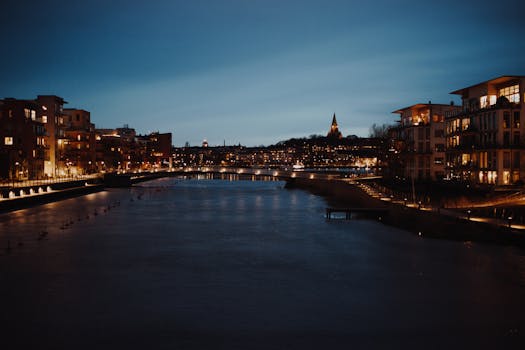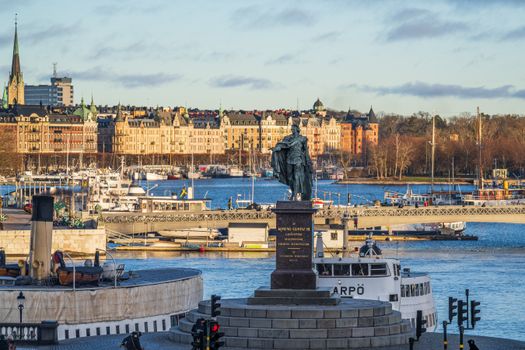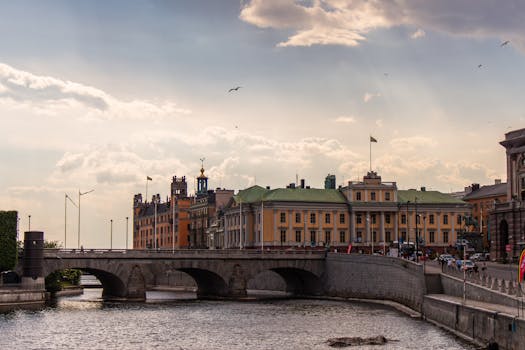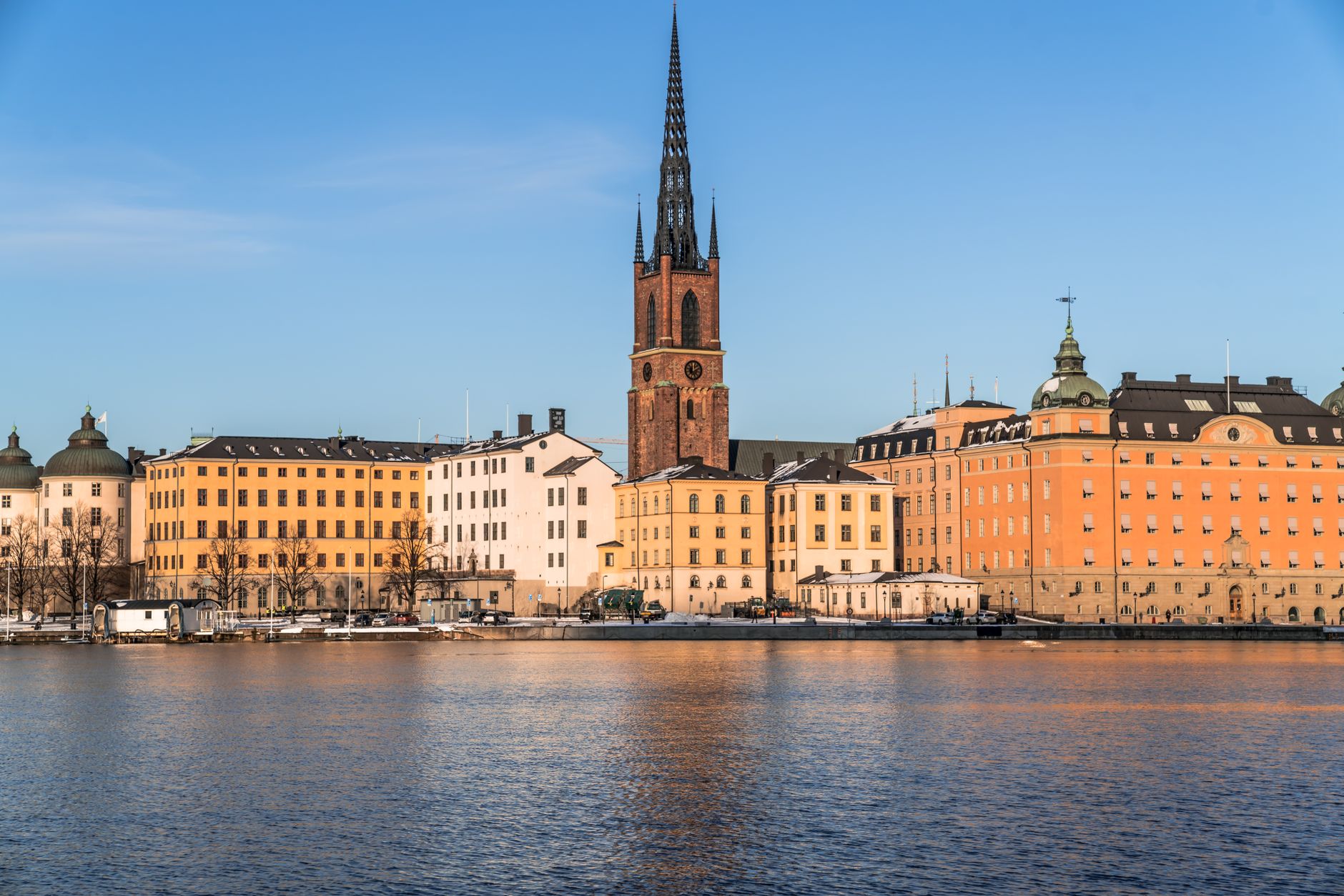
Yes, Stockholm is worth visiting, provided your budget and seasonal expectations align with what the Swedish capital delivers. Built across 14 islands where Lake Mälaren meets the Baltic Sea, the city pairs preserved medieval streets with sleek Scandinavian design, extensive public parks, and a maritime heritage showcased in museums found nowhere else on earth. If you are asking yourself if is Stockholm worth visiting, the answer is a resounding yes for culture enthusiasts, architecture fans, and outdoor explorers, though cost-conscious travellers and night owls seeking cheap, spontaneous evenings out may find it challenging.
| Metric | Details |
|---|---|
| Recommended Stay | 3 to 4 days |
| Daily Budget (Mid-Range) | £110 - £160 approx. per person (excluding flights) |
| Best Months for Weather | June to August (18°C to 24°C, long daylight) |
| Best Shoulder Season | May and September (mild, fewer tourists) |
| Arlanda Airport Transfer | Arlanda Express train (18 mins, £25 approx.) or Flygbussarna bus (45 mins, £10 approx.) |
| Payment Culture | Almost entirely cashless (cards and mobile payment only) |
Note: Prices quoted throughout this guide are approximate estimates in GBP as of late 2026 and fluctuate based on exchange rates and season; always verify current rates before booking.
Who will love Stockholm
Stockholm rewards travellers who appreciate clean, well-organised cities where nature integrates seamlessly with modern urban life. Certain types of visitors will find the city exceptionally satisfying.
Maritime and history enthusiasts
Stockholm houses some of Northern Europe's most distinctive historical collections. The centrepiece is the Vasa Museum on the island of Djurgården, which displays a virtually intact 64-gun warship that sank in Stockholm harbour on its maiden voyage in 1628 and spent 333 years underwater. Beyond Vasa, the nearby Nordic Museum explores Swedish cultural history, while the open-air museum Skansen offers an authentic look at five centuries of Swedish life, complete with historic farmsteads, craft workshops, and native Nordic wildlife.
Design, architecture, and photography lovers
Every corner of Stockholm reflects an intentional design ethos. Gamla Stan, the city's old town, presents narrow cobblestone alleys framed by ochre and rust-coloured 17th-century townhouses. Just across the water, the neighbourhood of Södermalm showcases functionalist 20th-century residential blocks, independent concept boutiques, and vintage clothing shops. Beneath the pavement lies the Stockholm Metro, often described as an underground art gallery, where more than 90 stations feature custom rock-carved murals, mosaics, and sculptures, most notably at T-Centralen, Solna Centrum, and Stadion.
Outdoor and island lovers
Stockholm is surrounded by water, and the city takes full advantage of its natural setting. Ferries run regularly through the inner waterways and into the broader Stockholm Archipelago, an expanse of more than 30,000 islands, islets, and skerries. During the warmer months, you can kayak right past the City Hall (Stadshuset), take morning runs through Royal Djurgården, or swim at urban beaches like Smedsuddsbadet and Långholmen.
Pro tip: You do not need an expensive private cruise to see the waterways; standard public transport cards from SL (Storstockholms Lokaltrafik) cover commuter ferry route 82 between Slussen and Djurgården, as well as ferry route 80 out towards the inner archipelago.
Who might not enjoy Stockholm
Despite its appeal, Stockholm is not the ideal destination for every traveller. Understanding its limitations will prevent disappointed expectations.
Strict budget travellers
Sweden is not an inexpensive country. While flights into Stockholm Arlanda or Skavsta can be cheap via budget airlines, on-the-ground expenses accumulate rapidly. A basic sit-down meal at a casual restaurant typically costs £18 to £28 approx., a draught beer ranges from £6.50 to £9 approx., and standard hotel rooms rarely drop below £100 approx. per night during peak periods. If your goal is an affordable European city break on par with Lisbon, Budapest, or Krakow, Stockholm will strain your finances.
Spontaneous nightlifers
Nightlife in Stockholm is polished and regulated. Alcohol above 3.5% ABV cannot be purchased in ordinary supermarkets; it is sold exclusively through the state-run monopoly store, Systembolaget, which has limited opening hours and shuts early on Saturdays and entirely on Sundays. Bars and clubs in areas like Stureplan maintain dress codes, queue lines, and entry fees (£10 to £18 approx.). Those looking for casual, late-night street life and spontaneous pub crawls may find the environment overly structured.
Sun-seekers travelling between November and February
Stockholm winters are cold, grey, and very dark. By late December, the sun rises around 08:45 and sets before 15:00, yielding barely six hours of weak daylight. Sidewalks are frequently coated in grit and packed snow. While the city has charm during the December Christmas markets, visiting in January or February requires a tolerance for low temperatures, biting winds off the Baltic, and muted light that limits outdoor sightseeing hours.
Is Stockholm worth visiting on a modest budget?
Stockholm can be managed on a mid-tier budget if you plan carefully, though travelling on a shoestring requires compromises. Accommodation forms the bulk of expenses, so booking an apartment hotel with kitchen facilities or staying outside the historic centre along the green or red metro lines can reduce lodging costs by 30 to 40 percent.
To keep food costs reasonable, take advantage of the Swedish tradition of dagens rätt (daily lunch special). On weekdays between 11:30 and 14:00, many restaurants serve a main course, side salad, bread, and filter coffee for £9 to £14 approx., which is half what you would pay for a comparable dinner. Food halls like Hötorgshallen and Östermalms Saluhall also offer counter service where you can sample Swedish meatballs (köttbullar), herring platters, or toasted open-face shrimp sandwiches (räksmörgås) without paying full restaurant markups.
Best things to do in Stockholm
To experience the best of Stockholm across a standard trip, focus your time on these essential sights and districts:
- Gamla Stan: Wander Stortorget square, explore the Royal Palace (Kungliga Slottet), and weave through the alley of Mårten Trotzigs Gränd, the narrowest street in the city at just 90 centimetres wide.Book tickets and tours: Gamla Stan
- The Vasa Museum: Dedicate at least two hours to Djurgården's premier attraction to examine the 17th-century ship and the archaeological finds recovered alongside it.Book tickets and tours: Vasa Museum
- Södermalm Viewpoints: Walk along the cliffside path of Monteliusvägen or the promenade at Fjällgatan for sweeping panoramic views across Riddarfjärden, Lake Mälaren, and the City Hall tower.Book tickets and tours: Södermalm Viewpoints
- Take Part in Fika: Embrace the daily Swedish ritual of pausing for coffee and a fresh pastry. Seek out a traditional cardamom bun (kardemummabulle) or cinnamon bun (kanelbulle) at bakeries like Fabrique or local neighbourhood patisseries.Book tickets and tours: Part
- Stockholm Archipelago Excursion: Board a Waxholmsbolaget ferry to historic Vaxholm (one hour from central Stockholm) to tour the fortress, or venture further to Grinda or Sandhamn for forest trails and granite shoreline views.Book tickets and tours: Stockholm Archipelago Excursion
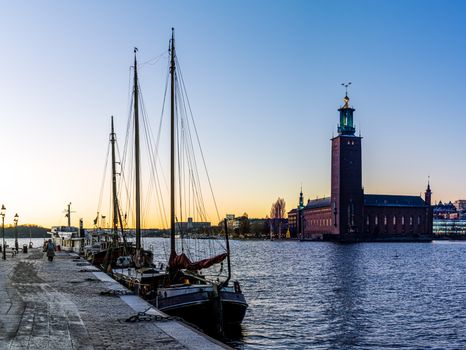
- Stockholm City Hall (Stadshuset): Tour the venue of the annual Nobel Prize banquet and climb the 106-metre tower in summer for views over the central islands.Book tickets and tours: Stockholm City Hall
Pro tip: If you plan to visit three or more major attractions in a single day, compare individual admission prices against the Go City Stockholm Pass to verify if it offers genuine savings for your specific itinerary.
What disappoints people about Stockholm
Every destination has friction points. In Stockholm, traveller complaints usually centre on four predictable issues:
First is the strict cashless policy. Many shops, cafes, museums, and buses refuse paper currency completely. Visitors who arrive with Swedish Krona banknotes often struggle to spend them. You must carry a credit or debit card with no foreign transaction fees.
Second is the reservation requirement for dining. Stockholm's top-rated restaurants, traditional taverns (krogar), and popular mid-range bistros book up days or weeks ahead, especially from Thursday to Saturday. Walking in without a reservation frequently leads to rejection, forcing unprepared visitors into chain restaurants or fast food.
Third is the reserved nature of public interactions. Swedes are polite, speak fluent English, and help when asked, but they value personal space and privacy. You will not find the casual, chatty warmth common in Southern Europe or Ireland, which some visitors misinterpret as coldness.
Fourth is Djurgården transport congestion. While the tram (Line 7) runs from T-Centralen directly to the museum island, it becomes uncomfortably crowded on sunny weekends and peak summer mornings. Walking across the bridge from Strandvägen or taking the ferry from Slussen is often far more pleasant.
How many days do you need in Stockholm?
A stay of three full days is the sweet spot for a first-time visit to Stockholm. This allows you to explore the central sights thoroughly without rushing.
- Day 1: Old Town and Royal History. Spend your morning in Gamla Stan, watch the changing of the guard at the Royal Palace, tour Stockholm Cathedral (Storkyrkan), and explore the medieval alleyways before crossing to City Hall.
- Day 2: Djurgården's Museums. Devote the entire day to the island of Djurgården. Visit the Vasa Museum in the morning, tour Skansen in the afternoon, and stop by the ABBA The Museum or the Spritmuseum.
- Day 3: Södermalm and Art. Walk the scenic heights of Monteliusvägen, explore the independent shops of SoFo (South of Folkungagatan), visit the Fotografiska photography museum, and ride the metro line to view station art.
- Day 4 (Optional): Archipelago day trip. Take a morning ferry out to Sandhamn, Utö, or Vaxholm to hike coastal pine paths, eat fresh smoked fish by the docks, and experience the Baltic coastline.
Best time to go to Stockholm
The optimal window to visit Stockholm is between late May and early September. July and August deliver the warmest weather, with daytime temperatures averaging 20°C to 23°C and daylight stretching past 22:00. Locals spend these months outdoors on terraces and islands. Keep in mind that many independent shops and small restaurants close for two to three weeks in late July when staff take their summer holidays (industrisemester).
May and September provide the best balance of manageable crowds, pleasant walking temperatures, and fully operational businesses. Autumn colours across Djurgården in October are striking, though rainfall increases.
If you prefer a winter visit, December is the most festive month. The Christmas markets in Gamla Stan and Skansen, along with traditional julbord holiday buffets and seasonal lighting along Kungsträdgården, lend the city a cosy atmosphere (known locally as mysigt).
Cheaper or quieter alternatives to Stockholm
If you love the concept of Stockholm but want to avoid the high costs or peak crowds, consider these alternatives:
- Gothenburg, Sweden: Sweden's second city sits on the west coast and offers a more relaxed, maritime-industrial atmosphere. It features an equally impressive archipelago, exceptional seafood, lower accommodation rates, and walkable canal streets in the Haga district.
- Tallinn, Estonia: Located just across the Baltic Sea, Tallinn pairs an exceptionally preserved UNESCO medieval walled old town with a booming digital and culinary scene at roughly half the daily cost of Stockholm. Direct overnight cruise ferries connect the two capitals.
- Helsinki, Finland: Helsinki shares Stockholm's archipelago character, neoclassical architecture, and modern Nordic design heritage, but sees fewer tourists and offers an easier, quieter pace of travel.
- Riga, Latvia: Famous for its Art Nouveau architecture and historic centre, Riga is an outstanding alternative for architecture lovers seeking northern European culture on a modest budget.
Common mistakes to avoid in Stockholm
- Exchanging currency before you go: Do not buy paper Swedish Krona. The city is almost 100 percent cashless; even market stalls, public toilets, and church donation boxes rely on card or digital payment.
- Taking unregulated airport taxis: Swedish taxi fares are deregulated. Always confirm a fixed rate (typically £50 to £65 approx.) before entering a cab at Arlanda Airport, or stick to the Arlanda Express train or Flygbussarna coach.
- Paying for single paper tickets: Avoid buying single paper transit fares from drivers. Use your contactless bank card directly at metro turnstiles and tram readers, or download the official SL app for day passes.
- Underestimating walking distances: Stockholm looks compact on maps, but because it spans separate islands, crossing bridges and circumnavigating bays adds kilometres quickly. Wear comfortable walking shoes.
- Skipping museum opening hour checks: Several state museums adjust their schedules significantly between seasonal peaks; Skansen and outdoor historical attractions close buildings earlier in the autumn and winter months.
Plan your trip
Start tailoring your visit to Sweden by building a custom, day-by-day travel schedule with Tripsora. Our intuitive trip-planning platform helps you balance museum visits, ferry departures, and neighbourhood explorations into an efficient itinerary suited to your pace.
Frequently asked questions
Is Stockholm safe for solo travellers?
Stockholm is consistently ranked among the safest capital cities in Europe. Violent crime affecting tourists is very rare, public transport is safe to ride late into the evening, and solo travellers of all backgrounds can navigate the city comfortably using standard awareness.
Do people speak English in Stockholm?
Yes, the vast majority of Swedes speak fluent English. Museum exhibits, transit displays, restaurant menus, and store receipts are routinely provided in English, making communication effortless for international visitors.
How expensive is a weekend in Stockholm?
A mid-range weekend for two people, covering three nights in a standard hotel, meals, public transport, and entrance to major museums like the Vasa, typically costs between £550 and £850 approx. excluding international travel.
Can you see the Northern Lights in Stockholm?
While it is technically possible during intense geomagnetic storms, Stockholm sits too far south to reliably see the Aurora Borealis. If your primary goal is seeing the Northern Lights, travel north of the Arctic Circle to Swedish Lapland, Abisko, or Kiruna between October and March.
Is tap water safe to drink in Stockholm?
Yes, tap water in Stockholm is of exceptionally high quality, thoroughly tested, and completely safe to drink. Carrying a reusable water bottle to refill throughout the day is an easy way to save money and reduce plastic waste.