Deciding between Cairo vs Dubai for your next trip involves weighing ancient wonders against futuristic luxury. While both are major Middle Eastern hubs, they offer profoundly different travel experiences. Cairo immerses you in millennia of history and authentic Egyptian life, often at a budget-friendly price point. Dubai, in contrast, showcases ultra-modern architecture, high-end amenities, and diverse global entertainment, typically with a higher cost.
Quick Facts: Cairo vs Dubai At a Glance
| Category | Cairo, Egypt | Dubai, UAE |
|---|---|---|
| Cost Level (approx.) | Budget-friendly to Mid-range | Mid-range to Luxury |
| Best For | Ancient history, cultural immersion, authentic experiences, budget travel | Modern luxury, shopping, entertainment, family resorts, high-end dining |
| Typical Weather (Nov-Apr) | Mild, sunny (15-25°C) | Warm, sunny (20-30°C) |
| Typical Weather (May-Oct) | Hot to extremely hot (30-45°C) | Very hot, humid (35-45°C+) |
| Getting Around | Taxis (negotiate/apps), Metro (limited), microbuses; heavy traffic | Metro (efficient), metered taxis, ride-sharing apps, car rental; good infrastructure |
| Crowds | Often dense, particularly at major sights and markets | Can be crowded at popular attractions, malls, and during peak season |
| Food Scene | Authentic Egyptian cuisine, street food, traditional cafes | Diverse international cuisine, fine dining, global chains |
| Nightlife | More traditional cafes, shisha lounges, hotel bars; less emphasis on clubs | High-end bars, international clubs, rooftop lounges, live music venues |
| Day Trips | Saqqara, Memphis, Alexandria, Fayoum Oasis | Desert safaris, Abu Dhabi, Hatta, Al Ain |
| Trip Length Needed | 3-5 days for core Cairo, more for day trips | 4-6 days for core Dubai, more for day trips |
Note: All prices are approximate ranges in GBP (£) and should be checked against current exchange rates and seasonal variations before travel. Visa rules and entry requirements should always be confirmed with official government sources for your nationality.
Cost & Value: Cairo vs Dubai
The financial outlay for a trip to Cairo and Dubai presents one of the most significant differences between the two cities. Generally, Cairo offers a much more budget-friendly experience, while Dubai leans towards luxury and premium pricing.
Cairo: Exceptional Value
In Cairo, you can expect your money to go further. Accommodation in a mid-range hotel typically costs approx. £30-£80 per night, with budget options available for less and luxury hotels starting from around £100. Eating out is very affordable; a delicious local meal at a casual restaurant or from a street food vendor might cost approx. £3-£10. Even a more upscale dining experience rarely exceeds £25-£35 per person. Transportation via ride-sharing apps (Uber, Careem) or local taxis is inexpensive, though fares should be agreed upon or metered. Entrance fees to major attractions like the Pyramids of Giza or the Egyptian Museum are reasonable, usually approx. £10-£20 per site.
Dubai: A Premium Experience
Dubai is known for its high-end offerings, and prices reflect this. Mid-range hotels typically start from approx. £80-£150 per night, with luxury resorts easily exceeding £250-£500 per night. Dining costs are considerably higher; a casual meal might be approx. £15-£25, while a mid-range restaurant can easily cost £40-£70 per person. Fine dining experiences can be significantly more. Public transport, such as the Metro, is efficient and moderately priced, but taxis and ride-sharing services are more expensive than in Cairo. Entrance fees to iconic attractions like the Burj Khalifa's observation decks or theme parks can range from approx. £30-£100+, often requiring advance booking.
Pro tip: For Cairo, always carry small denominations of Egyptian Pounds for street vendors and small purchases, and consider using ride-sharing apps for transparent taxi fares. For Dubai, booking attractions and high-demand restaurant reservations well in advance can often secure better prices and availability.
Culture & History
This is where Cairo truly shines, offering an unparalleled journey into the ancient world, while Dubai presents a more contemporary cultural narrative.
Cairo: A Journey Through Time
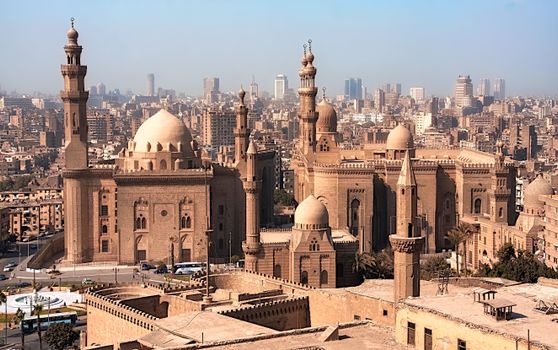
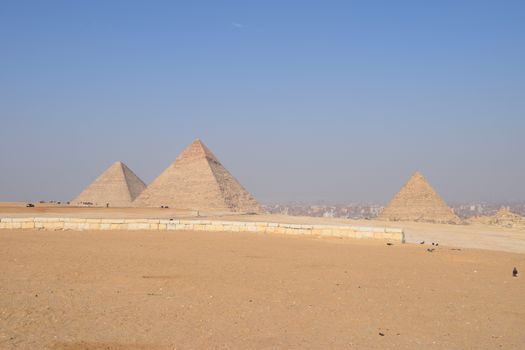
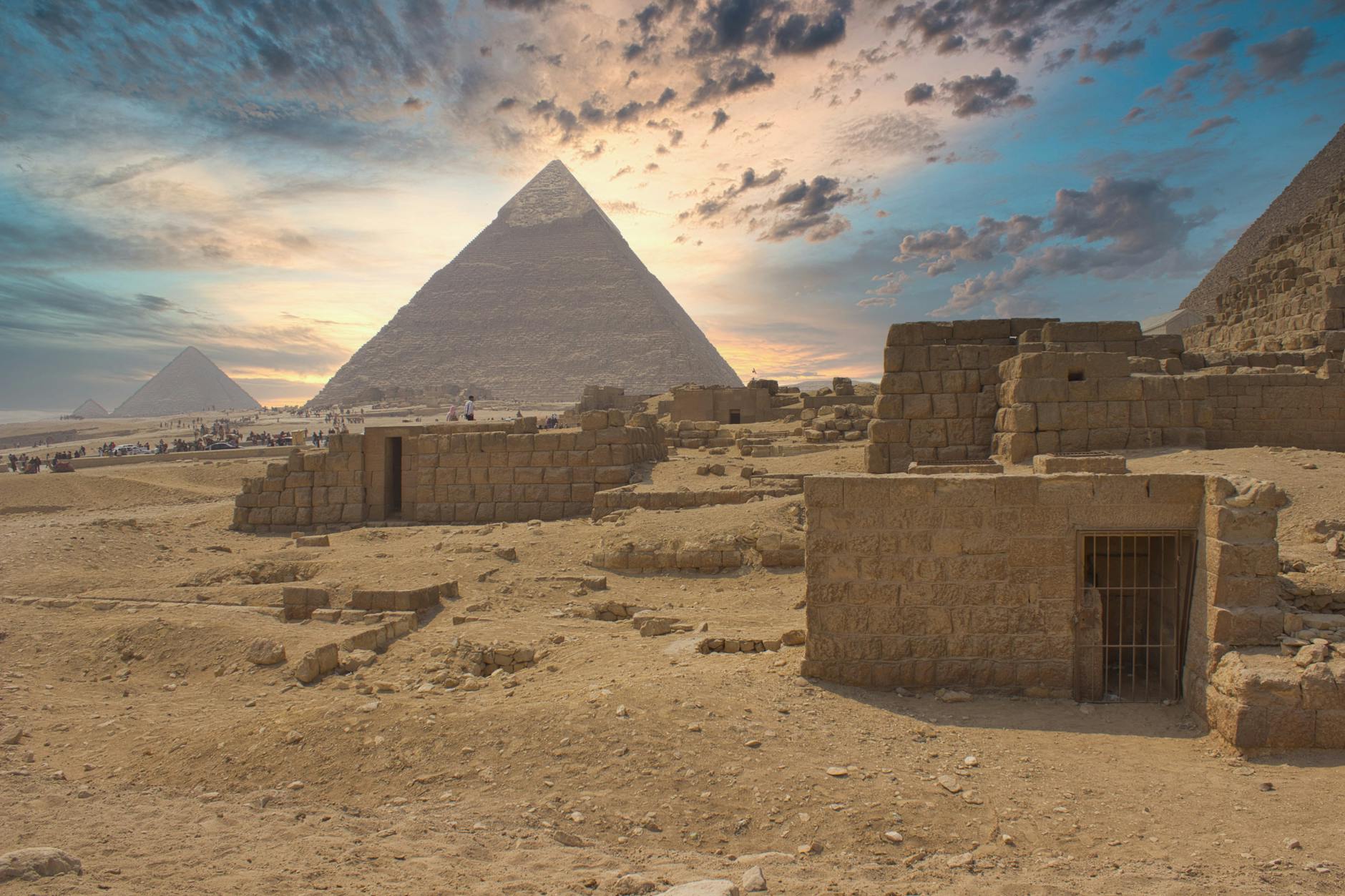
Cairo is a living museum, steeped in thousands of years of history. The iconic Pyramids of Giza and the Sphinx are just a short drive from the city centre, offering a direct connection to ancient pharaohs. The Grand Egyptian Museum (GEM), set to be fully open by late 2026, will house an incredible collection of artefacts, including the complete Tutankhamun collection. Beyond ancient Egypt, Islamic Cairo offers a rich tapestry of medieval architecture, including the Citadel of Salah al-Din, stunning mosques like Mohamed Ali Mosque, and the labyrinthine alleyways of the Khan el-Khalili bazaar, where you can experience traditional crafts and local life. Visiting these sites provides a deep, immersive cultural experience.
Dubai: Modern Heritage & Global Influences
Dubai's cultural landscape is much younger, focusing on showcasing Emirati heritage alongside a diverse global influence. The Al Fahidi Historical Neighbourhood (Bastakiya) offers a glimpse into old Dubai with its traditional wind-tower architecture, art galleries, and museums. The Jumeirah Mosque is one of the few mosques open to non-Muslim visitors, offering guided tours to learn about Islamic faith and culture. Modern cultural institutions like the Dubai Opera and various art galleries in areas like Alserkal Avenue highlight contemporary artistic expression. While it lacks ancient ruins, Dubai's cultural offerings are curated to be accessible and engaging for an international audience.
Modernity & Entertainment
Dubai is a global leader in showcasing modern architectural marvels and world-class entertainment, while Cairo offers its own unique brand of urban energy.
Dubai: Futuristic Playground
Dubai is synonymous with ambition and innovation. The city boasts the world's tallest building, the Burj Khalifa, offering breathtaking panoramic views. The Palm Jumeirah, an artificial archipelago, is home to luxury resorts and residences. Shopping is a major draw, with colossal malls like The Dubai Mall and Mall of the Emirates featuring international brands, indoor ski slopes, and aquariums. Entertainment options are endless: world-class theme parks (e.g., IMG Worlds of Adventure, Motiongate Dubai), thrilling desert safaris, dhow cruises in Dubai Marina, and spectacular fountain shows. The city is designed for comfort and convenience, with modern infrastructure and a strong focus on tourism.
Cairo: Authentic Urban Experience
Cairo's modernity is more organic and less overtly curated than Dubai's. While it has contemporary shopping malls and upscale districts like Zamalek, the city's charm lies in its historical layers and the everyday life unfolding within them. The Nile River is a central feature, with felucca rides offering a serene escape from the urban hustle. Cairo's entertainment often revolves around traditional cafes, local markets, and cultural performances. It offers a raw, authentic urban experience where you witness the rhythm of a bustling megacity that has evolved over millennia.
Food & Nightlife
Both cities offer distinct culinary and evening experiences, reflecting their cultural identities.
Cairo: Traditional Flavours & Local Gatherings
Cairo's food scene is deeply rooted in Egyptian traditions. You must try Koshary, a hearty dish of rice, pasta, lentils, chickpeas, and fried onions. Ful Medames (fava beans) and Ta'ameya (Egyptian falafel) are staples for breakfast or a quick snack. Street food is ubiquitous and delicious, offering an authentic taste of the city. Traditional cafes, where locals gather for shisha and strong coffee, are the heart of Cairo's nightlife. While some hotels offer bars and lounges, the city is not known for a vibrant club scene. Evenings are typically spent enjoying conversations, live music (often traditional), and the city's atmospheric charm.
Dubai: Global Gastronomy & High-End Partying
Dubai is a culinary melting pot, boasting an incredible array of international cuisines, from Michelin-starred restaurants to casual eateries. You can find virtually any cuisine imaginable, often prepared by world-renowned chefs. The city is celebrated for its brunch culture, offering lavish spreads, particularly on weekends. Nightlife in Dubai is sophisticated and diverse, with numerous high-end bars, rooftop lounges, and international nightclubs featuring top DJs. Alcohol is widely available in licensed establishments (hotels, clubs), and dress codes are often smart casual or elegant. The emphasis is on luxury, trendy venues, and a global party atmosphere.
Getting Around & Practicalities
Navigating Cairo and Dubai presents different challenges and conveniences.
Cairo: Embrace the Chaos (with a plan)
Cairo's traffic is legendary and can be a significant part of the experience. The Metro system is efficient but has limited coverage, mainly serving central areas and some northern districts. For most journeys, taxis or ride-sharing apps like Uber and Careem are essential. Always ensure taxi meters are used or agree on a fare beforehand. Walking is feasible in certain neighbourhoods like Zamalek or parts of Islamic Cairo, but crossing busy roads can be challenging. Expect longer travel times due to congestion. Dress modestly, especially when visiting religious sites, and be prepared for a bustling, sometimes overwhelming, sensory experience.
Pro tip: Download offline maps and a translation app for Cairo, and consider hiring a private driver for longer excursions or full-day tours to avoid transport hassles.
Dubai: Efficiency and Comfort
Dubai's infrastructure is modern and highly efficient. The Dubai Metro is clean, air-conditioned, and covers many major attractions and business districts. Taxis are plentiful, metered, and generally reliable. Ride-sharing apps are also widely available. Car rental is an option for those comfortable driving on well-maintained, multi-lane highways. Walking is pleasant in dedicated areas like Dubai Marina or Downtown Dubai, but distances between attractions are often too great, and the summer heat makes it impractical. Dubai is generally very safe and organised. While dress codes are relaxed in most public areas, respectful attire is appreciated, especially in religious sites or traditional neighbourhoods.
Weather & Best Time to Visit
Both cities experience hot summers, making their cooler seasons the ideal time to visit.
Cairo: Mild Winters, Scorching Summers
The best time to visit Cairo is typically from October to April. During these months, the weather is mild and pleasant, with daytime temperatures usually ranging from 15-25°C. Nights can be cool, especially in winter (December-February), so a light jacket is advisable. Summers (May-September) are intensely hot, with temperatures frequently reaching 35-45°C, and sometimes higher. Exploring outdoor sites like the Pyramids can be uncomfortable and potentially hazardous in the peak summer heat.
Dubai: Warm Winters, Extreme Summers
Dubai's peak tourist season also runs from October to April. During this period, the weather is warm and sunny, with average daytime temperatures between 20-30°C, making it ideal for outdoor activities and beach visits. Nights are pleasantly mild. From May to September, Dubai experiences extremely hot and humid weather, with temperatures often soaring above 40°C and sometimes reaching 50°C. Outdoor activities become difficult, and most visitors stick to air-conditioned indoor attractions during these months.
Day Trips & Trip Length Needed
Both cities serve as excellent bases for exploring their respective regions.
Cairo: Gateway to Ancient Egypt
A minimum of 3-5 full days is recommended to experience Cairo's core attractions, including the Pyramids, the Egyptian Museum, Islamic Cairo, and Khan el-Khalili. From Cairo, popular day trips include Saqqara (Djoser's Step Pyramid) and Memphis (ancient capital), which can be combined into a half-day or full-day excursion. For a longer trip, Alexandria, with its Greco-Roman history and Bibliotheca Alexandrina, is a popular full-day or overnight trip. Cairo is also the traditional starting or ending point for multi-day Nile River cruises to Luxor and Aswan, which require an additional 4-7 days.
Dubai: Desert & Emirate Exploration
For Dubai itself, 4-6 days allows you to cover the main attractions, enjoy some leisure time, and perhaps a desert safari. Popular day trips from Dubai include desert safaris, which typically last half a day or an evening. Abu Dhabi, the capital of the UAE, is a must-visit, offering sights like the Sheikh Zayed Grand Mosque, the Louvre Abu Dhabi, and Ferrari World. This requires a full day. Other options include visiting Hatta for mountain adventures or Al Ain for its oasis and historical sites. For a more relaxed trip, consider adding extra days for beach time or exploring different neighbourhoods.
Which City is Right for You?
Your choice between Cairo and Dubai ultimately depends on your travel priorities and interests.
Choose Cairo if:
- You are passionate about ancient history and want to explore iconic archaeological sites.
- You seek an immersive cultural experience, interacting with local life and traditions.
- You are travelling on a tighter budget and want to maximise your spending power.
- You enjoy the energy of a bustling, authentic city with a rich past.
- You appreciate traditional cuisine and local market experiences.
Choose Dubai if:
- You are looking for modern luxury, world-class shopping, and high-end entertainment.
- You prefer a highly organised, clean, and futuristic urban environment.
- You enjoy diverse international cuisine and a sophisticated nightlife.
- You are travelling with family and want access to theme parks, resorts, and curated experiences.
- You are interested in impressive modern architecture and engineering marvels.
Common Mistakes to Avoid
- Underestimating Cairo's traffic: Always factor in extra travel time, especially during peak hours.
- Not booking popular Dubai attractions in advance: Many sites, like the Burj Khalifa, sell out quickly.
- Ignoring dress codes: While general rules are relaxed, dress modestly when visiting religious sites in both cities.
- Visiting in summer: Both cities experience extreme heat from May to September, which can limit outdoor activities.
- Expecting the same level of infrastructure: Cairo is a historical city with ongoing development, while Dubai prioritises modern, seamless infrastructure.
Plan your trip
Whether you choose the ancient allure of Cairo or the futuristic glamour of Dubai, planning is key to a memorable journey. Let Tripsora help you build a personalised itinerary that matches your interests and budget, ensuring you make the most of your chosen destination.
Frequently asked questions
Is Cairo or Dubai safer?
Both Cairo and Dubai are generally considered safe for tourists, though they present different environments. Dubai is renowned for its very low crime rate and highly organised public spaces. Cairo, while safe for tourists, is a large, bustling city where petty crime can occur, and traffic can be chaotic.
Which city is better for families?
Dubai is often considered better for families due to its abundance of purpose-built attractions like theme parks, water parks, child-friendly resorts, and extensive indoor entertainment options, especially useful during hot months. Cairo offers historical sites that can be fascinating for older children, but fewer dedicated family entertainment venues.
What are the visa requirements for Cairo and Dubai?
Visa requirements vary significantly by nationality for both Egypt and the UAE. Many nationalities can obtain a visa on arrival for both countries, or require an e-visa in advance. It is crucial to check the specific, up-to-date visa regulations for your nationality on the official government websites of Egypt and the UAE before planning your trip.
Can I combine a trip to Cairo and Dubai?
Yes, combining a trip to Cairo and Dubai is a popular option for travellers wanting to experience both ancient history and modern luxury. Direct flights connect the two cities, typically taking around 3-4 hours. This allows for a diverse itinerary, perhaps spending 4-5 days in Cairo and then 4-6 days in Dubai.
Which city offers better shopping?
Dubai is widely considered a premier global shopping destination, boasting enormous, luxurious malls with international brands, designer boutiques, and duty-free options. Cairo offers a more traditional shopping experience, with bustling souks like Khan el-Khalili known for local crafts, spices, and souvenirs, alongside some modern malls.