Let's be real: I used to be that person. The one who shivered at the mere thought of a winter breeze, whose ideal vacation involved sun-drenched beaches and temperatures firmly above 20°C. The idea of voluntarily sleeping in a room carved entirely from ice? Utter madness. "Who does that?" I'd scoff, picturing myself as a human ice cube, chattering teeth and blue lips.
But then, something shifted. Maybe it was the endless scroll of Instagram feeds showcasing ethereal ice sculptures and northern lights dancing above frozen landscapes. Or perhaps it was the quiet whisper of a long-dormant adventurous spirit, tired of the predictable. Whatever it was, the allure of the ice hotel began to chip away at my resistance, much like an ice artist chipping away at a block of glacial ice. I decided I wasn't just going to visit an ice hotel; I was going to survive one. And let me tell you, it wasn't just survival – it was a profound, life-altering experience that taught me more about resilience, beauty, and the sheer magic of our planet than any tropical retreat ever could.
If you’ve ever dreamt of sleeping in a frozen wonderland but feared the frostbite, this is your ultimate guide. I’m here to tell you that these incredible structures aren't just for intrepid explorers; they’re for anyone ready to embrace the chill and unlock an unforgettable adventure. Prepare to bookmark, share, and start packing, because your life is about to get a whole lot cooler.
The Myth vs. Reality: What Is an Ice Hotel, Anyway?
Before I dive into my personal frosty escapades, let’s demystify the ice hotel. When I first heard the term, I imagined a rudimentary igloo with a thin mat on the floor. The reality? A breathtaking, ephemeral palace of art and engineering.
Ice hotels are exactly what they sound like: hotels constructed almost entirely from snow and ice. But don't picture a rough-hewn cave. These are architectural marvels, often rebuilt annually, each season bringing new designs and artistic interpretations. Think towering ice arches, intricate snow carvings, and rooms that are individual masterpieces. Every wall, every bed frame, every bar counter is crafted from ice or compacted snow, often illuminated by soft, multi-colored LED lights that create an otherworldly glow.
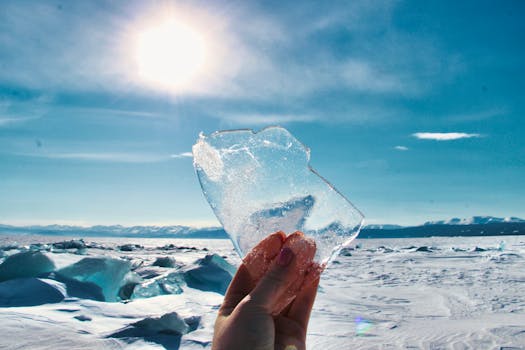
The "ice" isn't just any ice; it's often harvested from pristine local rivers or lakes, sometimes so clear you can read a newspaper through a block of it. The temperature inside these hotels typically hovers around -5°C to -7°C (23°F to 19°F), regardless of how cold it is outside. This might sound frigid, but it's actually quite stable and surprisingly manageable thanks to specialized cold-weather sleeping gear. They are, in essence, giant, living art installations that you get to sleep inside. And trust me, the first step inside is a moment of pure, jaw-dropping wonder.
My Icy Awakening: Journeys to the World's Coolest Stays
My quest for icy survival took me to some truly spectacular corners of the world. Each ice hotel offered a unique flavor, a different kind of magic, and a fresh set of challenges and triumphs.
A. ICEHOTEL Jukkasjärvi, Sweden: The Original Dream
My first foray into the world of ice hotels had to be the original, the legendary ICEHOTEL in Jukkasjärvi, Sweden. Located 200 km north of the Arctic Circle, it’s not just a hotel; it’s an institution. Every year, artists from around the globe converge to sculpt new art suites, an ice church, and the iconic ICEBAR.
Arriving in Jukkasjärvi was like stepping into a Narnia-esque dream. The air was crisp, the snow pristine, and the silence profound. My first night in an Art Suite was a mix of awe and mild trepidation. The room, carved by an artist, featured shimmering ice sculptures that caught the ambient light, making it feel like I was sleeping inside a giant diamond. The bed was a solid block of ice, but fear not! It was topped with a thick mattress, reindeer hides, and the pièce de résistance: an expedition-grade sleeping bag rated for extreme cold.
The staff gave us a thorough briefing: "Sleep naked or in light thermals inside the sleeping bag. The bag works by trapping your body heat." Naked? In an ice room? My inner warm-weather self recoiled, but I trusted the experts. And they were right. Snuggled deep within that bag, I was surprisingly toasty. The trick, I learned, is to regulate your body temperature so you don't sweat, which would make you cold.
The highlight? Waking up to the soft, pale light filtering through the ice, feeling utterly refreshed. Then, the dash to the warm service building for a hot shower and a hearty breakfast. The contrast between the cold room and the warmth of the sauna afterwards was pure bliss. Prices here can range from €300 for a standard ice room to €1000+ for an Art Suite per night, depending on the season and specific room. It's an investment, but worth every frozen penny. Best visited from December to April when the ICEHOTEL is fully operational.
B. Hôtel de Glace, Quebec City, Canada: North American Charm
My next icy adventure took me across the Atlantic to Hôtel de Glace near Quebec City, Canada. This North American gem, also rebuilt annually, offered a distinctly different vibe. While Jukkasjärvi felt remote and wild, Hôtel de Glace felt more accessible and playful, with its own ice slide and themed suites.
What truly set this experience apart were the outdoor hot tubs and sauna. After a night in my beautifully sculpted suite – mine had a fantastical forest theme – the thought of plunging into a steaming hot tub under a blanket of stars was irresistible. The feeling of the cold air on my face while my body was enveloped in warmth was exhilarating. It’s a sensory overload in the best possible way, a true testament to contrast therapy!
The hotel itself is a spectacle, from the grand entrance hall to the ice chapel where couples actually get married. I remember sipping a cocktail (served in an ice glass, naturally) at the ice bar, chatting with fellow adventurers from around the world. There's a real camaraderie that develops when you're all sharing such a unique experience. Prices typically range from CAD $200-500+ per night, often including access to the Nordic spa. It’s usually open from early January to late March.
C. Snowhotel Kirkenes, Norway: Arctic Wilderness & Husky Hugs
For my third icy immersion, I ventured to the far north of Norway, to Snowhotel Kirkenes. This place felt truly wild. While it also features snow domes for sleeping, its charm lies in its integration with the surrounding Arctic wilderness. They have a permanent husky farm on site, and the sounds of happy dogs barking were my morning alarm.
My "room" here was a circular snow dome, simple yet elegant, with a carved polar bear motif. The beds, like elsewhere, were ice blocks with mattresses and sleeping bags. But the magic of Kirkenes extended beyond the hotel walls. We went on a thrilling king crab safari, pulling up giant, prehistoric-looking crabs from the icy Barents Sea, and then feasting on them in a warm, rustic restaurant.
The potential for Northern Lights viewing here is also incredibly high due to its northern location and minimal light pollution. Although the aurora didn't put on a full show for me that night, just standing under the vast, star-dusted Arctic sky was an experience in itself. Waking up and heading straight to the husky kennels for some morning cuddles with the dogs was an absolute dream. Prices for Snowhotel Kirkenes can be around NOK 2000-4000+ per night, often including breakfast and access to the husky park. It’s open year-round with some "cold rooms" available even in summer, but the full snow hotel experience is best from December to April.
The Art of Survival: How to Master the Frozen Night (Practical Tips)
Okay, so you're convinced. You want to experience this magic. But how do you actually survive (and enjoy!) sleeping in an ice hotel? Here are my battle-tested, life-saving tips:
1. Pre-Trip Preparation: Your Icy Armor
- Book Smart, Not Cold: Ice hotels are seasonal and popular. Book well in advance, especially if you want a specific Art Suite. Check what's included – sometimes warm changing rooms, saunas, and breakfast are part of the package.
- Layer Up, Buttercup! This is the golden rule of cold weather.
- Base Layer: Merino wool or synthetic thermals (top and bottom). Avoid cotton – it holds moisture and makes you cold.
- Mid-Layers: Fleece or wool sweaters/pants.
- Outer Layer: A waterproof, windproof, insulated jacket and pants. Think ski gear.
- Head, Hands, Feet First:
- Hat: A warm beanie is non-negotiable, even when sleeping (inside your sleeping bag).
- Gloves/Mittens: Warm, insulated, and waterproof.
- Socks: Multiple pairs of wool or synthetic socks. Bring a fresh, dry pair for sleeping.
- Footwear: Insulated, waterproof boots with good grip.
- Mindset is Everything: Go in with an open mind and a sense of adventure. Embrace the cold as part of the unique experience, not something to dread.
2. During Your Stay: Conquering the Chill
- The Sleeping Bag Secret: These aren't your average camping bags. They're designed for extreme Arctic conditions.
- What to Wear Inside: As counterintuitive as it sounds, often the warmest way to sleep is wearing nothing or just a very light base layer (like silk or thin merino wool thermals). Too many clothes can restrict blood flow and prevent the bag from trapping your body heat effectively. Trust the hotel staff's advice!
- Getting In: Change into your sleeping clothes in the warm service building, then make a quick dash to your ice room.
- Zip Up Tight: Cinch the hood around your face to minimize heat loss.
- Warm-Up Spots are Your Sanctuary: All ice hotels have heated service buildings with changing rooms, lockers, showers, and saunas. Utilize these liberally! Many offer a complimentary morning sauna session.
- Hydrate, Hydrate, Hydrate: It’s easy to forget in the cold, but staying hydrated is crucial. Drink plenty of water and warm beverages.
- The Midnight Dash: Yes, you'll likely need to use the bathroom in the middle of the night. The restrooms are always in the warm service building. My advice? Plan your hydration, and when nature calls, go quickly, dress warmly for the dash, and get back into your sleeping bag ASAP. It's part of the adventure, I promise!
- Alcohol Moderation: While an ice-cold drink at the ice bar is a must, excessive alcohol consumption can dehydrate you and lower your core body temperature, making for a very uncomfortable night.
- Battery Life Matters: Cold drains electronics fast. Keep your phone, camera batteries, and power banks inside your sleeping bag at night or in a warm pocket during the day to preserve their life.
- Photography Tips: Bring extra batteries. Your fingers will get cold, so consider gloves with touchscreen compatibility or quick-release flaps. The light inside the ice hotel is often low, so be prepared for longer exposures or higher ISO settings.
Beyond the Chill: Unforgettable Moments & Life Lessons
Sleeping in an ice hotel isn't just about enduring the cold; it's about embracing a truly unique sensory experience. The silence inside those ice walls is profound, broken only by the occasional creak of the ice settling. The crisp, clean air feels invigorating. The way light plays off the ice, creating ever-changing patterns, is mesmerizing.
I remember one morning in Sweden, stepping out of my room into the faint glow of dawn, feeling utterly refreshed and invigorated. The feeling of pushing past my comfort zone, of proving to myself that I could not only survive but thrive in such an extreme environment, was incredibly empowering. It taught me resilience, the beauty of simplicity, and a deep appreciation for warmth and comfort when I returned to them.
And let's not forget the "Instagram-worthy" factor! Every corner of an ice hotel is a photo opportunity waiting to happen. From sipping a drink in an ice glass at the ice bar, to posing with the intricate ice sculptures, to capturing the ethereal glow of your room, these places are a photographer's dream. Imagine steaming in a hot tub surrounded by snow, or if you're lucky, catching the Northern Lights dancing overhead from your snowy abode. These are the memories you'll share for years, the stories that will make your friends gasp.
Is an Ice Hotel for YOU? Weighing the Pros and Cons
So, after all my frosty adventures, is an ice hotel experience for everyone? Let's break it down:
Pros:
- Unique, Once-in-a-Lifetime Experience: This isn't your average hotel. It's a true bucket-list item.
- Artistic Immersion: You're literally sleeping inside a work of art, often designed by renowned sculptors.
- Sensory Adventure: The silence, the light, the crisp air – it's an experience that engages all your senses.
- Challenge & Growth: It pushes your boundaries and leaves you feeling accomplished and resilient.
- Connection with Nature: Often located in stunning, pristine winter landscapes, offering opportunities for aurora viewing, dog sledding, and other Arctic activities.
- Incredible Photo Opportunities: Seriously, your social media will thank you.
Cons:
- Cost: Ice hotels are generally expensive, reflecting the artistry, labor, and unique nature of the experience.
- The Cold (Obviously!): While manageable, it is cold. If you genuinely despise cold weather, this might not be for you.
- Basic Amenities: Don't expect en-suite bathrooms or room service in your ice room. Bathrooms are shared and located in warm service buildings.
- Remote Locations: Many are in remote areas, requiring extra travel planning and costs.
- Not for Everyone: People with certain health conditions or those who are very sensitive to cold might find it uncomfortable.
Who it's for:
Adventurous souls, art lovers, winter enthusiasts, couples seeking a unique romantic getaway, photographers, and anyone looking to truly step outside their comfort zone and create unforgettable memories.
Who it's not for:
Those who prioritize luxury amenities (like private bathrooms) above all else, people with a genuine aversion to cold, or travelers on a very strict budget (unless you find a great deal!).
Are You Ready to Embrace the Chill?
My journey through the world of ice hotels was more than just a series of cold nights; it was a profound adventure that redefined my relationship with winter and my own limits. I went from a sun-worshipping skeptic to an ice hotel evangelist, forever changed by the ephemeral beauty and quiet challenge of these frozen marvels.
It’s not just about surviving; it’s about discovering a resilience you didn't know you had, witnessing art on an unprecedented scale, and connecting with the raw, untamed beauty of winter. So, if you've ever dreamt of sleeping under a blanket of ice, surrounded by shimmering sculptures, don't let the fear of cold hold you back. Arm yourself with these tips, book your adventure, and prepare to have your life changed forever.
Have you ever stayed in an ice hotel, or is it on your bucket list? Share your thoughts, fears, or favorite icy memories in the comments below! And don't forget to share this post with your fellow adventurers!
---