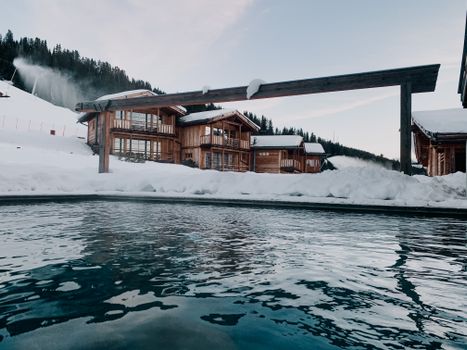
The Hook: A Sub-Zero Awakening in Swedish Lapland
I stepped off the overnight sleeper train in Harads, Swedish Lapland, and my nostrils instantly froze shut. The air, a crisp -15°C (5°F), tasted of nothing but frozen birchwood and pure silence. I wasn't here to chase the Northern Lights from a heated glass igloo; I was here to strip down to my wool swim trunks and drop my body into a black, gaping hole cut directly into the frozen Lule River.
As I stood on the edge of the timber deck, my skin prickled with anticipation. The guide, a stoic local named Lars, handed me a warm cup of pine-needle tea and nodded toward the water. "Don't fight the gasp," he said, his breath blooming in the air. "The river knows what to do with you."
I descended the wooden ladder. The water was 2°C (35°F). The moment the dark river closed over my shoulders, my brain screamed. My breath caught in my throat, a sharp, ragged inhale. But then, as I focused on the dark green canopy of pines against the pale winter sky, the panic subsided. A profound, crystalline calm took its place.
This wasn't just a physical shock; it was a total sensory reboot. And it's a feeling that travelers are seeking out in record numbers as wild, natural cold immersion becomes the definitive travel trend of the year.
---
1. The Global Shift: Why We Are Trading Tubs for Wild Waters
The backyard cold plunge tub was the darling of the pandemic era, but this year, wellness travelers are demanding something far more primal. We are moving away from sterile, plastic biohacking pods in suburban backyards and seeking out authentic