The air in the Roman Forum was thick with history, the sun warm on my skin, and the ancient stones beneath my feet whispered tales of emperors and gladiators. It was, by all accounts, a quintessential "pinch-me" travel moment. And then I heard it.
“Ugh, can we please go? My feet hurt, it’s SO boring, and I’m starving. Again.”
That was Chloe, my then 16-year-old, followed by a grunt of agreement from Liam, 14, who was expertly balancing on a fallen column while scrolling TikTok. My perfectly curated, historically rich, utterly magnificent Roman adventure was, in their words, "boring."
I stood there, a vein throbbing in my temple, wondering why I even bothered. Why did I spend countless hours planning, saving, and dreaming, only to be met with such profound indifference, if not outright hostility? For years, family travel had felt like a battleground, a constant negotiation against the formidable forces of adolescent apathy. Every suggestion was met with a sigh, every new experience with a skeptical glance, every photo op with a dramatic eye-roll. It felt like I was dragging reluctant, grumpy baggage across continents, rather than exploring the world with my beloved children.
But something shifted on that trip, somewhere between the unenthusiastic selfie at the Colosseum and a surprising discovery in a tiny gelato shop. It wasn't an overnight miracle, but a gradual awakening, a series of small adjustments that didn't just transform our family trips – they fundamentally changed my perspective on parenting, travel, and even my own life. This isn't just a guide on how to survive traveling with teenagers who hate everything; it's a testament to how embracing their unique, often challenging, perspective can lead to the most authentic, profound, and yes, life-changing travel experiences you'll ever have.
Are you ready to turn those eye-rolls into epic memories? Let's dive in.
1. The Pre-Trip Negotiation: From Eye-Rolls to Itineraries (Their Way)
My biggest mistake in earlier trips? Planning everything myself. I’d present a meticulously crafted itinerary, expecting gratitude, and instead, I’d get a blank stare, followed by the inevitable, "Whatever." Teenagers, it turns out, don't want to be told what to do, even on vacation. They want agency, a voice, and a sense of ownership.
The Fix: Involve Them Early & Give Them a Mission
Before even booking flights, bring them to the table. Not just to listen, but to actively participate.
- Destination Brainstorm: Instead of "We're going to Italy!" try "Okay, for our next big trip, we've got a budget for X, and we're thinking Europe. What are some places you find interesting?" Show them a map, watch travel vlogs together. Liam surprised me by suggesting Tokyo after watching an anime series. Chloe, obsessed with fashion, gravitated towards Paris.
- The "One Thing" Rule: Each teen gets to pick one major activity or attraction that is theirs to plan. Give them a realistic budget (e.g., €50-€100 each for an activity, or a specific meal). They're responsible for researching it, finding out how to get there, and even presenting it to the family. This creates buy-in and a sense of pride.
- Anecdote: For our Lisbon trip, I gave Liam €45 and told him to find something cool. He spent hours on YouTube and stumbled upon a Lisbon Street Art Walking Tour. I thought it would be a bust, but he loved leading us through the vibrant alleys of Alfama, pointing out his favorite artists. He was genuinely engaged and even taught me a thing or two. Chloe, on the other hand, used her budget to book a macaron-making class in Paris (around €60 for a 2-hour session), an experience she still talks about.
- Flexibility is Key: Present the itinerary not as a rigid schedule, but as a "menu of options." Allow for spontaneous changes. Sometimes the best memories are made when you ditch the plan for a local festival or a hidden café.
Actionable Tip:
Download a collaborative planning app like Google Docs or TripIt. Let them add links, ideas, and comments. It makes them feel heard and part of the process.
2. The Digital Lifeline: Embracing (and Managing) the Screens
"Put that phone away!" – a phrase that used to echo endlessly on our trips. I saw their phones as a barrier, a distraction from the beauty around us. But I was wrong. For teenagers, their phone isn't just a device; it's an extension of their social life, their identity, and often, their comfort zone.
The Fix: Strategic Integration & Smart Boundaries
Instead of fighting the phone, I learned to leverage it.
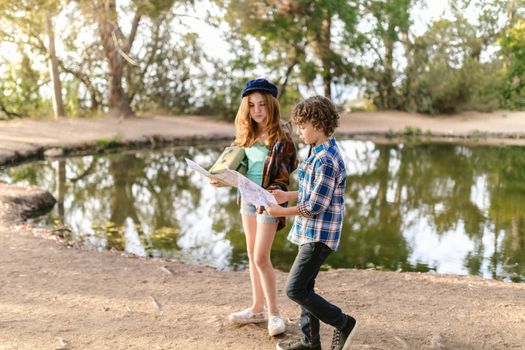
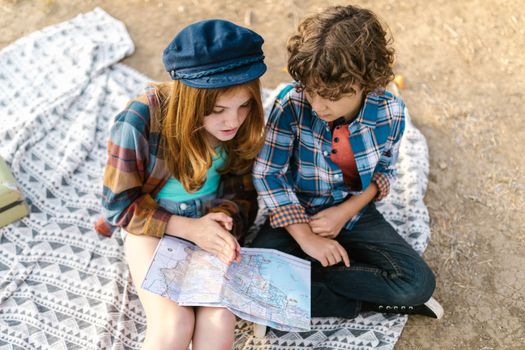
- The "Navigator" Role: Hand them the reins! Give them the map (digital or physical) and let them navigate. Liam became our expert subway guide in Tokyo, confidently leading us through the labyrinthine stations. It gave him a sense of purpose and built his confidence.
- The "Official Photographer/Videographer": Teenagers are often far better at capturing candid, authentic moments than we are. Challenge them to create a travel vlog, a photo essay, or an Instagram story.
- Anecdote: Chloe, initially reluctant to take photos, blossomed into an incredible travel photographer. Her eye for composition and natural light was astounding. She even started curating our family’s travel Instagram, @OurWanderfulLife, which became a shared project. We'd give them challenges: "Find the most colourful door in Lisbon," or "Capture a moment of pure joy."
- Smart Connectivity: Reliable internet is non-negotiable for teens. Instead of relying on spotty hotel Wi-Fi, invest in local eSIMs or portable Wi-Fi devices.
- Specifics: I swear by Airalo eSIMs (around €20 for 10GB in Europe) – easy to install and saves arguments. Or a Skyroam Solis Lite global hotspot (device about $150, data plans vary) is great for multiple users.
- Designated "Unplugged" Zones/Times: This isn't about banning, but about balance. Our rule became: "No phones at the dinner table," and "The first hour of any major sightseeing is phone-free." We also set aside an hour each evening for everyone to just chill in their rooms or by the pool, doing whatever they wanted (often, that meant screen time for them, a glass of wine for me!). This downtime prevents burnout and reduces the pressure to be "on" constantly.
Actionable Tip:
Before the trip, discuss and agree upon phone rules. Write them down if necessary. Involve them in setting the boundaries, and they're more likely to stick to them.
3. Fueling the Adventure: Beyond Burgers & Bland
Food can be a major source of conflict. My teens, like many, often preferred the familiar over the exotic. Trying new things felt like a chore, and the dreaded "I don't like it" could ruin a meal.
The Fix: Culinary Compromise & Experiential Eating
I learned that the key wasn't to force them into Michelin-starred local cuisine but to make food an adventure in itself.
- Street Food Safaris: This was a game-changer. Street food is often quick, affordable, and less intimidating than a formal restaurant. Plus, the variety means there's usually something for everyone.
- Anecdote: In Rome, we stumbled upon a tiny pizza al taglio place near our Airbnb. Liam, usually a "plain cheese" guy, tried a slice with zucchini flowers and loved it. Chloe discovered her lifelong obsession with supplì (fried rice balls). In Barcelona, a Tapas Food Tour (€75/person) introduced them to patatas bravas and churros with chocolate, which quickly became favorites. The informal setting and small portions made trying new things less daunting.
- Cooking Classes: Getting hands-on with food can demystify it and make it exciting.
- Specifics: We did a pasta-making class in Florence through "EatWith" (around €70/person). They kneaded, rolled, and sauced their own pasta, and the pride they felt in eating their creations was palpable. Suddenly, food wasn't just something to consume; it was an experience.
- The "Comfort Meal" Allowance: If we had a day of adventurous eating, I’d promise a night where they could pick something familiar. Sometimes that meant a pizza, other times it was surprisingly a local ramen joint they'd discovered. It’s about balance.
- Gelato/Dessert Breaks: Always, always, always factor these in. A mid-afternoon gelato in Italy (budget €3-€5 per person) or a fresh churro in Spain can turn a grumpy afternoon around instantly.
Actionable Tip:
Research food markets or street food festivals in your destination. These are vibrant, sensory experiences that appeal to teens and offer a low-pressure way to sample local flavors.
4. The Thrill Factor: Finding Their 'Why' (Beyond History Books)
Let's be honest: not all teenagers are fascinated by ancient ruins or classical art. My kids certainly weren't, at least not initially. Dragging them through another museum was a recipe for disaster.
The Fix: Seek Out the Interactive, the Adventurous, and the Unexpected
I started looking for activities that tapped into their energy, curiosity, and desire for novel experiences.
- Adventure Sports: If your destination offers it, consider ziplining, white-water rafting, surfing lessons, or even urban climbing.
- Anecdote: Our trip to Costa Rica was a breakthrough. The Extreme Ziplining in Monteverde Cloud Forest ($50/person) was terrifyingly exhilarating. Watching Liam, usually reserved, scream with joy as he flew through the canopy was a revelation. Chloe, initially hesitant, conquered her fear and felt incredibly proud. Suddenly, they were engaged, alive, and even thankful.
- Interactive Museums & Experiences: Not all museums are boring. Look for ones with VR experiences, hands-on exhibits, or quirky themes.
- Specifics: The Museum of Illusions (various locations, e.g., Paris, New York, €15-€20/person) is a hit for its Instagrammable rooms and mind-bending displays. In Berlin, the DDR Museum (around €10/person) has a simulated Trabant car ride that was surprisingly engaging. A graffiti workshop in a vibrant city like Berlin (around €40/person) allowed them to express their creativity.
- Pop Culture & Niche Interests: Did your teen watch a show filmed in a specific city? Are they into a particular sport or music genre? Lean into it.
- Anecdote: Chloe is a huge fan of K-Pop. For our Seoul trip, we dedicated an afternoon to exploring the trendy Myeongdong district, visiting K-Pop stores, and even a themed café. She was in her element, and her enthusiasm was infectious. Liam, a gaming enthusiast, loved visiting the Nintendo Store in Shibuya, Tokyo.
- Escape Rooms & Urban Games: These are fantastic for teamwork and problem-solving, and they get teens actively engaged in their surroundings.
- Specifics: Many cities offer excellent outdoor escape games that combine sightseeing with a thrilling puzzle hunt (prices vary, typically €20-€30 per person).
Actionable Tip:
Research local events like concerts, sports games, or unique festivals happening during your visit. These can be unexpected highlights and offer a glimpse into local life that guidebooks often miss.
5. The Art of the Chill: When Doing Nothing is Everything
I used to pack our itineraries so full, convinced that every minute had to be maximized for sightseeing. The result? Exhausted, grumpy teenagers (and an equally exhausted, grumpy me). I learned that sometimes, the best thing you can do is absolutely nothing.
The Fix: Build in Downtime & Embrace Spontaneity
Teenagers need space, alone time, and the freedom to just be. Over-scheduling is the enemy of adolescent happiness.
- Lazy Mornings: Don't schedule anything before 10 AM. Let them sleep in. Let them wake up naturally. Let them scroll their phones for an hour. A well-rested teen is a happier teen.
- The Pool/Beach Break: If you have access to a pool or a beach, schedule dedicated time for it. It's a fantastic way to decompress, cool off, and just relax.
- Anecdote: Our afternoon by the pool at a hotel in Santorini after a morning of exploring Oia was a lifesaver. Chloe and Liam spent hours splashing around, laughing, and just being kids. It recharged everyone.
- "Free Exploration" Time: If they're old enough and you're comfortable, give them a bit of freedom. Maybe they want to wander a specific shopping district, find a particular café, or just chill in the hotel lobby. Set clear boundaries (e.g., "Be back by 6 PM," "Stay within this area," "Always have your phone charged and on").
- Specifics: In Seville, we stayed at an Airbnb with a fantastic rooftop terrace. After a morning of sightseeing, I'd often send them up there with snacks and their books (or phones) while I enjoyed a quiet coffee. Booking an Airbnb with separate bedrooms or a hotel with a great common area is key.
- Coffee Shop Breaks: Even just sitting at a café, sipping a drink, and people-watching can be a valuable break. It allows them to observe, recharge, and often sparks conversations.
Actionable Tip:
Don't be afraid to scrap a planned activity if everyone is clearly burnt out. Sometimes, an unplanned afternoon of doing nothing is more beneficial than forcing another museum visit. Remember, you're on vacation too!
6. The Unexpected Gifts: How They Changed My Life Forever
This is where the "changed my life forever" truly comes in. It wasn't just about making our trips tolerable; it was about a profound shift in my own understanding and approach. I went from being a frustrated parent trying to control every aspect of the trip to an observer, a facilitator, and ultimately, a student.
The Fix: Let Go, Listen, and Learn from Them
I realized my teenagers weren't trying to make my life difficult; they were navigating their own complex world, trying to assert independence, and finding their place in it. Travel became a unique crucible for this growth, and I got a front-row seat.
- Their Perspective is Valid: I started to really listen to their complaints, not just dismiss them. "My feet hurt" wasn't just whining; it was a physical reality. "It's boring" wasn't an insult to my planning; it was an honest assessment from their point of view. Acknowledging their feelings, even if I didn't always agree, built trust.
- Witnessing Their Growth: I saw Chloe confidently negotiate for a souvenir in a bustling Marrakech souk, her eyes sparkling with pride. I watched Liam, usually glued to his screen, genuinely engage with a street performer in Dublin, cheering and laughing. These weren't moments I'd planned; they were organic, beautiful, and a testament to their budding independence and resilience.
- They Taught Me New Ways to See the World: My kids introduced me to local slang, trending music, and social media phenomena in different countries. They'd spot details I'd completely missed, whether it was a cool graffiti tag or a unique fashion trend. They helped me see destinations through a younger, fresher lens.
- The Power of Shared Challenge: When we were lost in a maze of Venetian alleys, or trying to decipher a foreign menu, we were in it together. Those moments of shared problem-solving, even when frustrating, forged a stronger bond than any perfectly planned museum visit ever could. The relief and triumph when we finally found our way or discovered a delicious meal were intensely bonding.
- Authenticity Over Perfection: I stopped chasing the "perfect" Instagram-worthy trip and started embracing the messy, real, sometimes awkward, but always memorable moments. The forced smiles gave way to genuine laughter. The eye-rolls became inside jokes.
Anecdote:
There was one evening in Florence. We'd had a long, hot day of sightseeing, and everyone was tired. Instead of pushing for another activity, we grabbed some cheap wine, sodas, and snacks from a local market, went back to our Airbnb, and just sat on the balcony, watching the city lights. Liam put on some music, Chloe started sketching in her journal, and I just listened to them chat, occasionally interjecting. It was utterly unplanned, completely simple, and one of the most cherished memories of that entire trip. It was in that quiet, unforced moment that I truly saw them, and they, perhaps, truly saw me – not as a taskmaster, but as a fellow traveler.
Conclusion: Beyond Survival – Towards Transformation
Traveling with teenagers who "hate everything" is a journey. It's often bumpy, occasionally frustrating, but ultimately, incredibly rewarding. It forced me to let go of my preconceived notions of what a "perfect" family vacation should be and embrace the beautiful, chaotic reality of traveling with young adults.
It's not about them changing to fit your travel style; it's about you adapting, compromising, and most importantly, truly seeing and listening to them. When you do, you'll discover not just a more harmonious trip, but a deeper connection, a richer understanding of your children, and perhaps even a renewed sense of adventure within yourself. My kids didn't just transform our vacations; they opened my eyes to a more authentic, flexible, and joyful way of experiencing the world, making every trip, even the challenging ones, a life-changing adventure.
So, ditch the rigid itineraries, pack your patience, and prepare for the unexpected. Your next family adventure might just be the one that changes your life forever.
What are YOUR best tips for traveling with teenagers? Share your stories and advice in the comments below! Let's inspire each other to make those family trips unforgettable.
---