Michelin Stars Under $20: My Life-Changing Budget Gourmet Guide!
Let's be honest, the phrase "Michelin-starred meal" usually conjures images of white tablecloths, hushed whispers, tiny portions, and a bill that could fund a small nation. For years, I, too, believed that the hallowed red guide was exclusively for the elite, the expense account brigade, or those celebrating a once-in-a-lifetime milestone. My travel budget, usually stretched thinner than a well-rolled wonton wrapper, simply didn't allow for such extravagant culinary pursuits.
But then, something shifted. Call it serendipity, call it stubborn curiosity, or call it the relentless pursuit of good food, but I stumbled upon a truth that would forever change my approach to travel and dining: Michelin-starred meals don't have to break the bank. In fact, some of the most profound, delicious, and genuinely life-changing culinary experiences I've ever had came with a price tag that barely nudged $20. Yes, you read that right. Less than your average airport sandwich, less than a couple of fancy coffees, and often, less than a single cocktail at a mediocre bar.
This isn't just about finding a "deal"; it's about discovering a different side of the Michelin Guide, one that celebrates authentic flavors, humble settings, and gastronomic excellence accessible to everyone. It's about experiencing the passion of chefs who pour their heart and soul into every dish, regardless of the price point.
Join me as I pull back the curtain on this incredible world, sharing my personal journey, the specific places that blew my mind (and not my wallet), and all the insider tips you need to embark on your own budget-friendly Michelin adventure. Get ready to bookmark this, because your taste buds are in for a serious treat!
The Myth of the Silver Spoon & White Tablecloth: Debunking Michelin's Price Tag
Before we dive into the delicious details, let's address the elephant in the room. Why do we associate Michelin with exorbitant prices? Well, many of the iconic 3-star restaurants certainly live up to that reputation. They offer elaborate tasting menus, impeccable service, and opulent surroundings that justify their hefty price tags.
However, the Michelin Guide isn't just about haute cuisine. It’s about quality, consistency, and the sheer joy of eating exceptional food. The inspectors aren't swayed by decor or fancy cutlery; they focus purely on what's on the plate. This is where the magic happens for budget travelers.
The Guide has evolved to include a diverse range of establishments, from elegant fine dining to bustling hawker stalls. While the coveted stars are awarded for exceptional cooking, the Bib Gourmand category is specifically for restaurants offering "good quality, good value cooking." These are fantastic for budget travelers, often delivering incredible meals for well under $40-50.
But my quest went further. I wasn't just looking for good value; I was hunting for actual Michelin-starred experiences that defied all expectations of cost. And I found them. My mission was to prove that you can experience the pinnacle of culinary recognition without emptying your savings account. It’s about strategic planning, a little bit of adventurous spirit, and knowing exactly where to look.
The Art of the Affordable Star Hunt: My Strategy Revealed
So, how does one unearth these mythical, budget-friendly Michelin gems? It's not always easy, but it's incredibly rewarding. Here’s the strategy I developed through trial and error:
- Focus on Specific Cuisines & Regions: Asian cities, particularly Hong Kong, Singapore, and Tokyo, are goldmines for affordable Michelin stars. Their food culture often celebrates high-quality, casual dining, street food, and specialized single-dish restaurants (like ramen or dim sum) where excellence can be found without the frills.
- Lunch is Your Best Friend: Many high-end restaurants offer significantly discounted lunch sets that showcase their starred cuisine. While these might push slightly above the $20 mark, they are often a fraction of dinner prices. For true sub-$20, however, you're usually looking at more casual establishments.
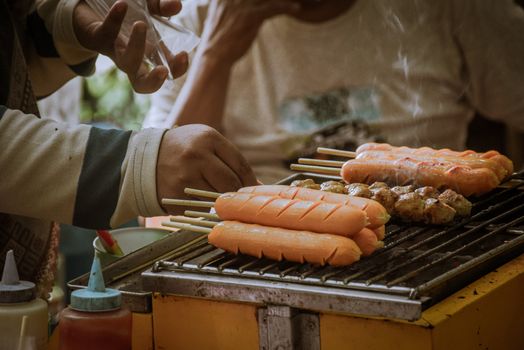
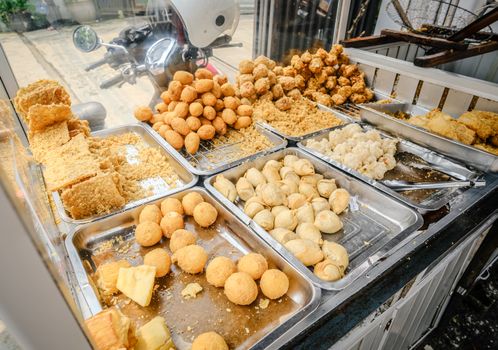
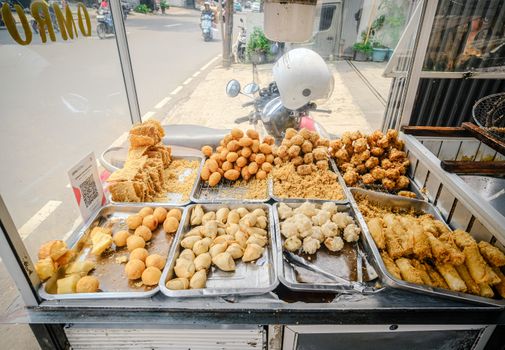
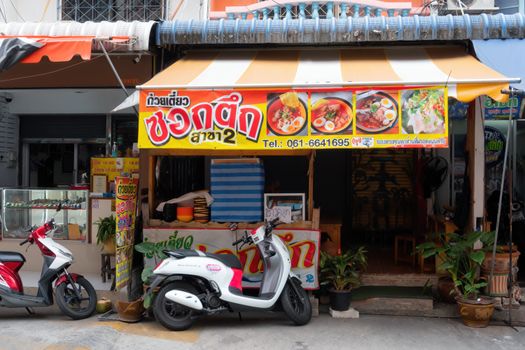
- Embrace Street Food & Casual Eateries: This is where the real magic happens. Some of the most iconic Michelin-starred places are small, unassuming stalls or hole-in-the-wall restaurants where the focus is entirely on the food. Think hawker centers, ramen shops, and dim sum parlors.
- Do Your Homework (Beyond the Stars): Use the official Michelin Guide app or website. Filter by cuisine, price range, and location. Read reviews, not just of the restaurant itself, but of specific dishes. Look for places that specialize in one or two signature items. These are often the ones that achieve perfection at a low cost.
- Look for "Single Dish" Specialists: A restaurant that dedicates itself to perfecting one dish – be it ramen, chicken rice, or a specific type of noodle – often achieves a level of mastery that earns it a star, and because of its focused menu, keeps prices incredibly low.
My Under-$20 Star-Struck Moments: Life-Changing Meals
These aren't just meals; they're stories. Moments where the food transcended its humble price tag and left an indelible mark on my culinary memory.
1. Hong Kong's Dim Sum Dream: Tim Ho Wan (Sham Shui Po, Hong Kong) - Approx. $10-15 USD
My first encounter with a truly affordable Michelin star was at Tim Ho Wan in Hong Kong. I'd heard the rumors: a Michelin-starred dim sum restaurant, often dubbed "the world's cheapest." Skepticism was my main course going in. How could food this revered be so inexpensive?
I found myself at their Sham Shui Po branch, a bustling, no-frills eatery with plastic chairs and shared tables. The queue snaked out the door, a testament to its popularity. Once inside, the air buzzed with the clatter of chopsticks and the murmur of Cantonese. I ordered their famous Baked BBQ Pork Buns (Char Siu Bao), Steamed Prawn Dumplings (Har Gow), and Siu Mai (Pork and Shrimp Dumplings).
The moment I bit into the BBQ Pork Bun, my skepticism evaporated. The exterior was a delicate, slightly sweet, crumbly crust – unlike any steamed bun I’d ever had. Inside, the succulent, sweet-savory char siu pork filling was pure heaven. It was a symphony of textures and flavors, perfectly balanced. The Har Gow were translucent parcels of plump, sweet shrimp, each one a tiny masterpiece. The Siu Mai were robust and flavorful.
The total bill for a feast that left me utterly satisfied? Around $10-15 USD. It wasn't just the food; it was the atmosphere, the authenticity, the sheer joy of experiencing such high-caliber cooking in such an unpretentious setting. It taught me that excellence doesn't need to be cloaked in luxury. It was my gateway drug to affordable Michelin dining.
2. Tokyo's Ramen Revelation: Tsuta (Sugamo, Tokyo) - Approx. $15-18 USD
Tokyo, a city synonymous with culinary perfection, seemed like an obvious place to continue my quest. I set my sights on Tsuta, the world's first ramen shop to receive a Michelin star. The experience here was a little more structured, involving a ticketing system and a wait, but still far from formal dining.
After securing my time slot and returning later, I found a small, intimate counter-style shop. The atmosphere was respectful, almost reverent, as diners quietly savored their bowls. I ordered their signature Shoyu Soba with Truffle Oil.
The bowl arrived, a work of art. The broth, a delicate yet profound blend of chicken, seafood, and soy, was incredibly complex. The noodles, handmade in-house, had the perfect spring and chew. But the real star was the subtle hint of black truffle oil, elevating the entire dish to something truly extraordinary. Each ingredient was meticulously sourced and prepared, from the tender chashu pork to the perfectly cooked egg.
This wasn't just ramen; it was an experience in precision and balance. It was a testament to how a humble dish, perfected with passion and artistry, could ascend to the highest echelons of gastronomy. For under $20, I had tasted a piece of culinary history, a dish that redefined my understanding of ramen and fine dining itself.
3. Singapore's Hawker Hero: Liao Fan Hong Kong Soya Sauce Chicken Rice & Noodle (Chinatown Complex, Singapore) - Approx. $3-5 USD
My final, and arguably most mind-blowing, under-$20 Michelin experience took me to the bustling hawker centers of Singapore. Here, amidst hundreds of stalls, one stood out with an impossibly long queue: Liao Fan Hong Kong Soya Sauce Chicken Rice & Noodle. This stall holds the distinction of being the world's cheapest Michelin-starred meal.
The queue was daunting, easily an hour-plus wait under the humid Singaporean sun. But the anticipation was part of the ritual. When I finally reached the front, I ordered the Soya Sauce Chicken Rice. The stall itself was tiny, a simple setup with gleaming roasted chickens hanging behind glass.
The plate presented was deceptively simple: glistening, succulent pieces of soya sauce chicken, fragrant rice, and a small bowl of chili sauce. One bite, and I understood. The chicken skin was impossibly tender, caramelized, and infused with a deep, savory sweetness. The meat beneath was juicy, moist, and flavorful, falling off the bone. The rice, cooked in chicken broth, was the perfect accompaniment.
This wasn't just a meal; it was a revelation in value and taste. For a mere $3-5 USD, I was eating a dish that had earned one of the highest accolades in the culinary world. It proved, unequivocally, that exceptional food knows no price barrier, no fancy address. It's about skill, dedication, and flavor that speaks for itself. It was a humble meal that profoundly changed my perception of food, luxury, and the true meaning of a "star."
Your Blueprint for Budget Gastronomy: Insider Tips & Tricks
Inspired to embark on your own affordable Michelin adventure? Here’s your actionable blueprint:
- Start with the Michelin Guide App/Website: Seriously, this is your bible. Filter by "1 Star" and then by "Price" (or just browse by city). Pay attention to the cuisine type. Look for Asian cities first, then potentially specific European spots known for casual, high-quality fare.
- Go for Lunch, Always (if applicable): For more formal starred restaurants, lunch menus are your golden ticket. While they might push past $20, they offer an incredible experience at a fraction of dinner prices. For the sub-$20 target, focus on breakfast/lunch at the most casual places.
- Embrace the Hawker & Street Food Culture: In places like Singapore, Hong Kong, Bangkok, and Taipei, some street food stalls and hawker center vendors have earned stars. These are your best bet for truly budget-friendly experiences. Don't be afraid of queues – they're usually a sign of something truly special.
- Prioritize "Single Dish" Specialists: Ramen, dim sum, specific noodle dishes, chicken rice – establishments that focus on perfecting one or two signature items are often where you’ll find incredible value and a Michelin star.
- Read Beyond the Star: Check out local food blogs, Reddit threads (r/travel, r/food, r/askTOKYO, etc.), and Google reviews. Sometimes a place might not have a star but offers a "Bib Gourmand" or is consistently praised for a specific dish that feels Michelin-worthy.
- Be Flexible with Your Expectations: Don't expect white-glove service or plush seating. These budget-friendly stars are often in casual, sometimes crowded, environments. The focus is entirely on the food.
- Order Smart: Stick to the signature, star-earning dishes. Don't go overboard with extras or drinks, which can quickly inflate the bill. A single, perfect dish is often all you need.
- Reservations vs. Queues: For casual starred places, be prepared for queues. For slightly more formal (but still affordable lunch) spots, reservations are often essential.
- Cash is King (Sometimes): Especially at smaller, casual establishments, cash might be preferred or even required. Always have some local currency on hand.
- Document Everything! Take photos (respectfully, without disturbing other diners), note down the flavors, the textures, the atmosphere. These are memories you'll want to revisit.
More Than Just a Meal: The Cultural Tapestry
Eating a Michelin-starred meal for under $20 isn't just about ticking a box or saving money. It's about a deeper connection to the place you're visiting.
These humble, star-studded eateries are often deeply embedded in the local culture. They're places where generations have eaten, where culinary traditions are preserved and perfected. Queuing alongside locals, sharing a communal table, and watching skilled chefs at work offers an authentic glimpse into the heart of a city's food scene.
It's a reminder that true culinary excellence isn't about pretension; it's about passion, dedication, and the relentless pursuit of flavor. It's about the story behind the dish, the history of the ingredients, and the hands that prepare them. These experiences have taught me more about global food culture than any fancy tasting menu ever could. They've made me a more adventurous, appreciative, and savvy traveler.
Go Forth, Fellow Food Adventurers!
So, there you have it. The secret is out. Michelin-starred meals for under $20 are not a myth; they are a delicious reality waiting to be discovered. This isn't just a guide; it's a challenge. A challenge to redefine your culinary horizons, to seek out excellence in unexpected places, and to prove that gourmet travel doesn't require a trust fund.
Pack your bags, do your research, and prepare to have your taste buds blown away without blowing your budget. These life-changing meals are out there, waiting for you to find them.
Have you stumbled upon an incredible under-$20 Michelin gem? Share your finds and tips in the comments below! Let's build the ultimate community guide for budget-friendly gourmet adventures. And don't forget to tag #TripsoraFoodie and #BudgetMichelin on your social media posts when you embark on your own star-struck journey! Happy eating!
---