1. The Hook: The 7:14 AM Departure from Milano Centrale
I stepped off the concourse of Milano Centrale and into the cathedral-like steel and stone vault of Platform 12. The air smelled of burnt espresso grounds, ozone, and damp wool. To my left, the sleek, cherry-red nose of a Frecciarossa 1000 hissed softly as its high-pressure air brakes settled. To my right, commuters frantically clutched paper cups of macchiatos while watching the giant, orange-lit Solari split-flap board click-clack its way to showing the departure of the EuroCity to Zurich.
```
[MILANO CENTRALE] ---- (EuroCity 32) ----> [ZURICH HB]
Depart: 07:10 AM Arrive: 10:27 AM
```
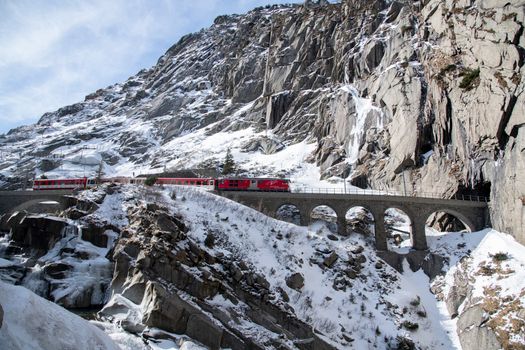
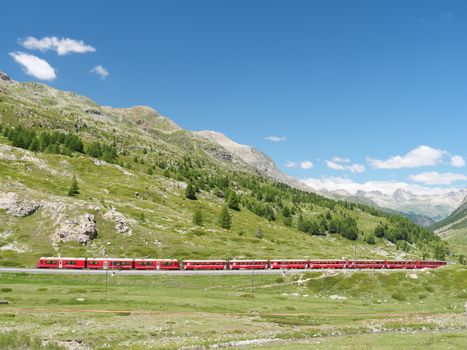
Within four minutes of boarding, I was sliding past the graffiti-tagged concrete walls of Milan’s northern suburbs at 250 kilometers per hour, a warm brioche in hand. No security lines. No liquid restrictions. No intrusive body scanners. Just pure, uninterrupted transition from the Lombard plains to the snow-dusted crags of the Swiss Alps.
According to recent European Environment Agency data, making this trip by rail instead of flying cuts my personal carbon emissions for this leg by a staggering 87%. But let’s be honest: I didn't choose the train just to save the planet. I chose it because flying short-haul in Europe has become a grueling exercise in logistical masochism. This is the blueprint for how you can reclaim the joy of travel by navigating Europe entirely by track.
---
2. The Data-Driven Reality: Rail vs. Air in 2024
If you still think flying is always faster, you are looking at outdated travel metrics. Recent aviation data from Eurocontrol shows that over 30% of flights departing major European hubs like Amsterdam Schiphol and London Heathrow experience delays of 45 minutes or more.
When you factor in the "Hidden Airport Time" metric—the 120 minutes required for baggage drop and security, plus the 45 to 60 minutes spent riding commuter trains from far-flung outposts like Paris Beauvais or Stockholm Skavsta into the actual city centers—the train wins on almost every route under 500 miles.
```
TRAVEL TIME COMPARISON: PARIS TO BRUSSELS
[TRAIN: Eurostar]
■■■ 1h 22m (City Center to City Center)
[PLANE: Commercial Flight]
■■■■■■■■■ 4h 15m (Including airport transit, security, and flight time)
```
The Four-Hour Golden Rule
Data compiled by rail distribution networks shows that on routes under four hours, high-speed rail captures over 80% of the market share. Why? Because high-speed rail corridors like Madrid–Barcelona (2 hours 30 minutes) or Rome–Milan (2 hours 59 minutes) function as horizontal elevators. You walk on, you open your laptop to free Wi-Fi, you work or sleep, and you walk off directly into the historic core of your destination.
---
3. Deciphering the Ticket Matrix: Eurail vs. Point-to-Point
The most common mistake travelers make is buying a Eurail Global Pass without doing the math. Conversely, the second most common mistake is buying individual tickets for a multi-country itinerary at the last minute.
Here is how the data breaks down the cost-benefit analysis for 2024:
```
EURAIL PASS VS. POINT-TO-POINT TICKETS
EURAIL PASS POINT-TO-POINT
┌────────────────────────┐ ┌────────────────────────┐
│ Best for: │ │ Best for: │
│ • Spontaneous routes │ │ • Fixed itineraries │
│ • Long distances │ │ • Single-country trips │
│ • Multi-country hops │ │ • Regional trains │
└────────────────────────┘ └────────────────────────┘
```
When to Buy a Eurail Pass
If your itinerary is highly dynamic or covers vast distances (e.g., Munich to Budapest, then Budapest to Prague, then Prague to Berlin), the Eurail Global Pass is your financial shield. It offers flat-rate travel days that protect you from the soaring costs of last-minute ticket purchases.
*