Beyond the Postcard: How to Live Like a Local (And Discover What Locals Keep Secret)
I remember my first trip to Paris. I was 20, armed with a worn-out guidebook, and a head full of romantic clichés. I saw the Eiffel Tower, battled crowds at the Louvre, and ate an overpriced croissant near Notre Dame. It was… fine. But something felt missing. I was a spectator, not a participant. I left feeling like I’d seen Paris, but I hadn’t experienced it. I hadn't felt the pulse of the city, the rhythm of daily life that truly defines a place. I hadn't stumbled upon that tiny, unassuming boulangerie where locals queue for their morning baguette, or sat in a park where old men play pétanque, completely oblivious to the tourist throngs.
That trip sparked a revelation: I didn't just want to visit places; I wanted to live them, even if just for a fleeting moment. I wanted to peel back the layers, to find the soul of a city that often remains hidden from the hurried tourist gaze. I wanted to discover the spots locals cherish, the ones they might not openly advertise, precisely because their charm lies in their authenticity and lack of crowds.
It's a journey of humility, observation, and a willingness to step outside your comfort zone. It's about earning your place, even temporarily, within a community. And let me tell you, the rewards are immeasurable. From sharing a street food meal with a local family in Hanoi to accidentally discovering a hidden waterfall in Bali, these are the moments that truly stick with you.
So, if you're ready to ditch the tourist traps and dive deep, here's your playbook for living like a local, no matter where your wanderlust takes you.
1. The Art of Disappearing: Blending In, Not Standing Out
The first step to living like a local is to stop looking like a tourist. This isn't about perfectly mimicking local fashion or speaking fluent Farsi; it's about minimizing the signals that scream "I'm just passing through."
Practical Tips:
- Observe and Adapt: Before you even pack, do a quick search on local fashion norms. Are shorts common? Is modest dress expected? Once you arrive, spend your first day simply observing. How do people dress for different occasions? What's the general vibe? In places like Tokyo, you might notice very few people eating or talking loudly on public transport. In Rome, you'll see people linger over coffee, not grab-and-go. Mimic these small behaviors.
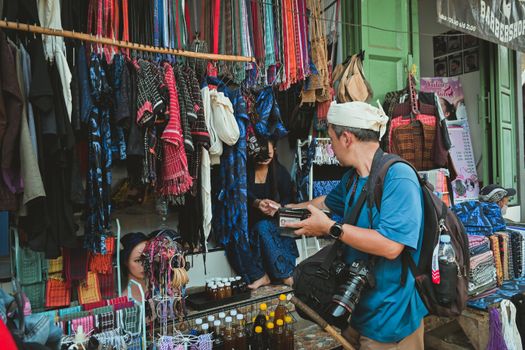
- Ditch the Tourist Gear: Leave the fanny pack, the "I ❤️ [City Name]" t-shirt, and the giant camera hanging around your neck at home or in your accommodation. A discreet backpack or a simple cross-body bag is often sufficient. Use your phone for photos – it's less conspicuous.
- Basic Language is Gold: Even a few phrases can transform your interactions. "Hello," "please," "thank you," "excuse me," and "how much?" in the local language show respect and open doors. Locals are far more likely to engage with someone making an effort. I once fumbled through ordering coffee in a tiny Sicilian village using broken Italian, and the barista, initially stoic, broke into a wide grin, offering me a free cannoli. That little effort made all the difference.
- Master the Local Pace: In some cultures, rushing is a sign of rudeness. In others, punctuality is paramount. Pay attention to how people walk, how they interact in queues, and their general demeanor. Slow down, breathe, and soak it in.
2. Beyond the Guidebook: Finding Your Local Tribe
Lonely Planet is great for facts, but it won't introduce you to a group of friends for a spontaneous evening out. Connecting with locals is the ultimate gateway to unlocking hidden experiences.
Practical Tips:
- Embrace Community Platforms: Websites like Meetup.com, Couchsurfing (for events, not just stays), or local Facebook groups (search for "Expats in [City]" or "[City Name] Language Exchange") are goldmines. I've joined hiking groups in Slovenia, cooking classes in Thailand, and board game nights in Berlin through these platforms.
- Befriend Service Staff: Your barista, the owner of the corner shop, or your Airbnb host can become invaluable sources of information. Ask them genuinely, "Where do you go for the best [coffee/food/view]?" Not "Where's the best place for tourists?" The distinction is crucial. I found the most incredible, unlisted jazz club in New Orleans by simply chatting with a bartender.
- Language Exchange Meetups: Even if you're just starting with a new language, these are fantastic for meeting locals who are eager to practice English (or another language you speak). It's a win-win and often leads to friendships and invitations to local events.
- Volunteer Your Time: Spending a few hours volunteering at a local animal shelter, community garden, or even a hostel can quickly integrate you into a local scene and introduce you to like-minded people. It shows you care about more than just sightseeing.
3. Culinary Deep Dive: Eating Where the Locals Eat (and How!)
Food is the soul of a culture. Eating where locals eat isn't just about taste; it's about understanding daily life, social customs, and often, saving a ton of money.
Practical Tips:
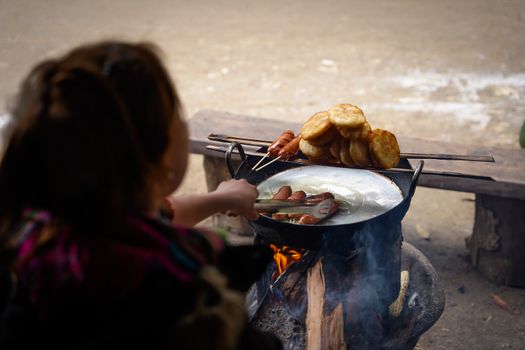
- Follow Your Nose (and the Queues): The longest line of locals at a street food stall or a small restaurant is almost always a good sign. Don't be afraid to point at what others are eating if you can't read the menu.
- Avoid English Menus (Initially): If a restaurant has an English menu prominently displayed, it's often catering to tourists. Venture into places with only local script. If you're feeling brave, ask the server for "the most popular dish" or "what you would eat." Be open to surprises! In Rome, I once walked into a tiny trattoria with no menu, just a blackboard. The owner rattled off dishes in rapid Italian, and I just said "Si!" to the last one. It was the best Cacio e Pepe of my life, costing a mere €8.
- Hit the Local Markets: Beyond supermarkets, seek out fresh produce markets. This is where locals buy their daily groceries, and you'll find incredible fresh food, often prepared on the spot. It's a sensory overload and a fantastic photo opportunity. Try samples, chat with vendors (even with gestures), and soak in the atmosphere.
- Understand Meal Times and Customs: Eating dinner at 6 PM in Spain will mark you as a tourist. Lunch might be the biggest meal in some cultures, while breakfast is a quick affair. Observe when people eat, how they share food, and what drinks accompany meals. In Japan, slurping noodles is a sign of enjoyment, whereas in the West, it's often considered rude.
- Ask for Recommendations from Non-Tour Operators: Don't ask your hotel concierge for food recommendations unless you want to eat at a tourist trap. Ask a local shopkeeper, your Airbnb host, or a new friend you made at a language exchange. They'll point you to the authentic, delicious, and often more affordable spots.
4. Navigating Like a Native: Public Transport & Hidden Paths
Taxis are convenient, but they isolate you. Public transport throws you into the daily rhythm of a city and often leads to unexpected discoveries.
Practical Tips:
- Embrace Public Transport: Buses, trams, subways, and local trains are your best friends. Download local transport apps, learn how to buy tickets, and understand the system. Not only is it cheaper, but it also gives you a real feel for the city's layout and how locals commute. I've had some of my most insightful cultural observations simply by riding a crowded bus in Mumbai or the serene metro in Singapore.
- Walk, Walk, Walk: Many of the best "secret spots" are stumbled upon by accident. Put away your phone, pick a direction, and just wander. Look down side streets, peek into courtyards, and let your curiosity guide you. This is how I found a stunning, untouristed temple tucked away in a residential area of Kyoto, a moment of profound peace away from the bustling main attractions.
- Rent a Bike: In many cities, cycling is a way of life. Renting a bike allows you to cover more ground than walking, access areas cars can't, and experience the city from a different perspective. Imagine cycling along Amsterdam's canals or through the rice paddies of Ubud, feeling the breeze and smelling the local flora.
- Learn Local Ride-Sharing Apps: If you do need a car, use local ride-sharing apps like Grab (Southeast Asia), Bolt (Europe/Africa), or local taxi apps. They're often cheaper and more reliable than hailing a street taxi, and you'll be using the same services as locals.
5. The Slow Travel Ethos: Settling In, Not Just Passing Through
To truly live like a local, you need time. A whirlwind weekend trip won't cut it. Slow travel is about immersion, not just observation.
Practical Tips:
- Longer Stays: If possible, aim for at least a week, but ideally two weeks to a month, in one location. This allows you to unpack, establish a routine, and feel less rushed. You'll start to recognize faces, find your favorite coffee shop, and truly understand the rhythm of the place.
- Rent an Apartment: Ditch the hotel. Airbnb, local rental sites, or even house-sitting platforms offer a home base. Having a kitchen allows you to cook with local ingredients from the market, and living in a residential neighborhood immediately immerses you in local life. My month-long stay in Lisbon, living in a charming apartment in Alfama, completely transformed my understanding of the city. I had a favorite bakery, a local grocery store, and even recognized the same old men playing cards in the plaza every afternoon.
- Establish a Routine: Go to the same cafe for your morning coffee. Buy your bread from the same bakery. Take a walk in the local park. These small routines make you feel less like a visitor and more like a temporary resident.
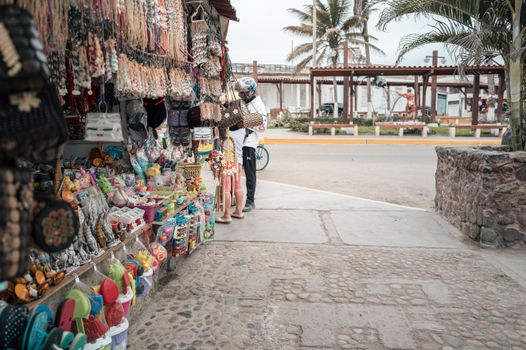
- Support Local Businesses: Instead of hitting global chains, seek out independent shops, cafes, and restaurants. Your money directly benefits the community, and you're more likely to have authentic interactions.
6. Unearthing the Untouched: Discovering Secret Spots
This is where the real magic happens – finding the places that aren't in the guidebooks, the hidden gems that locals might prefer to keep to themselves.
Practical Tips:
- Ask the Right Questions (and the Right People): Instead of "What's good here?", try "Where do you go to escape the crowds?" or "Is there a quiet spot you love to relax?" Ask a young barista, an elderly shop owner, or a university student. They often have the best insights into local hangouts, hidden parks, or viewpoints.
- Follow Local Social Media: Search Instagram for local hashtags, follow local influencers, or check out local community pages on Facebook. They often highlight events, new openings, or beautiful spots that haven't made it to the mainstream tourist radar.
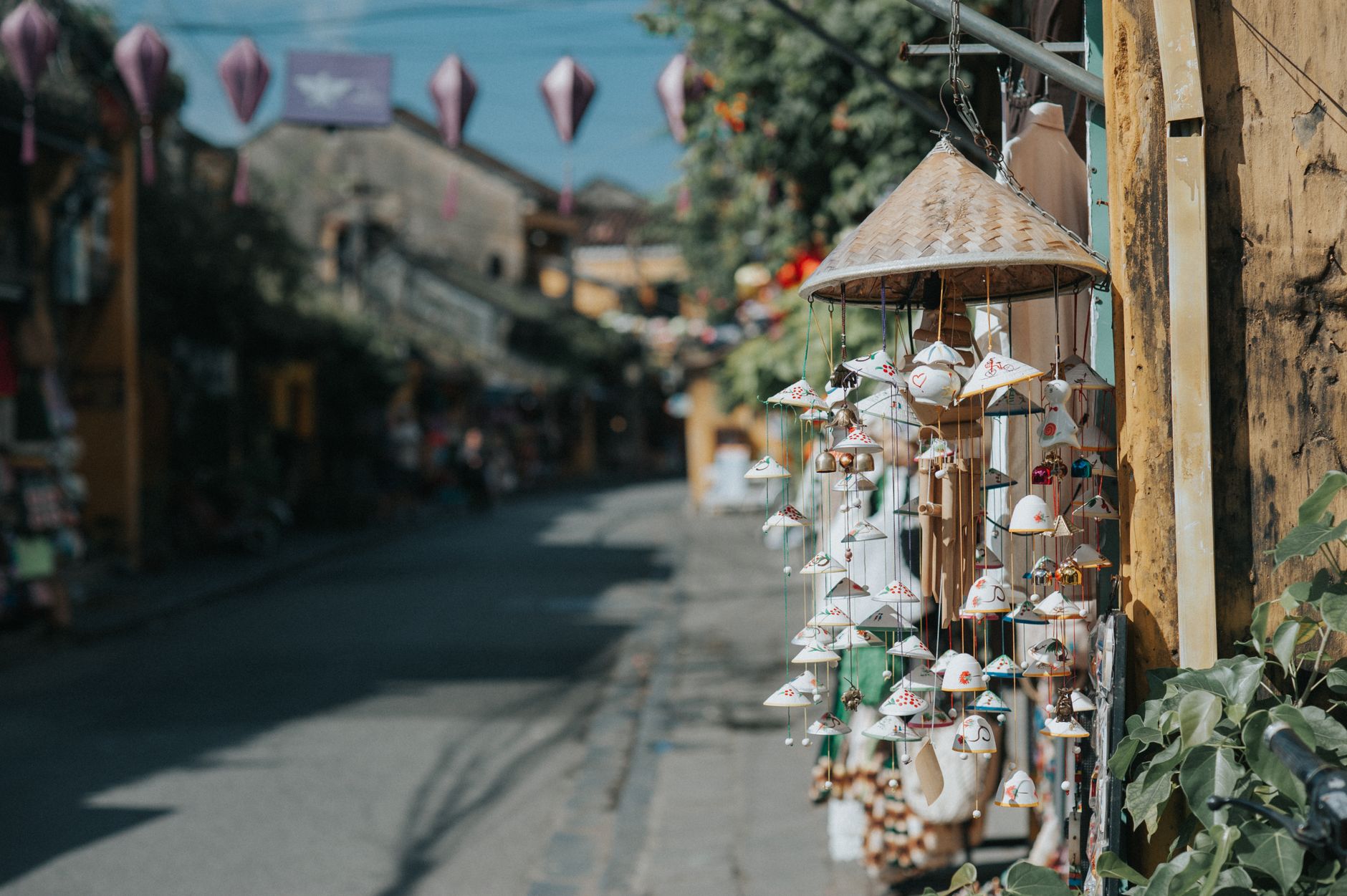
- Explore Side Streets and Alleys: The main thoroughfares are for tourists. The real charm often lies down the narrow, unassuming alleys. You might find a beautiful street art mural, a charming courtyard, or a tiny, family-run restaurant that's been there for generations.
- Visit During Off-Peak Hours/Seasons: Even popular spots can feel "local" if you visit at dawn or during the off-season. You'll experience a different, quieter side of the place, often shared only with locals going about their daily lives.
- Trust Your Gut: Sometimes, a place just feels right. An intriguing doorway, a distant sound of music, a vibrant splash of color – follow these instincts. Many of my most cherished travel memories are of unexpected discoveries made by simply following a hunch.
7. The Responsible Local: Respecting Culture & Community
Living like a local isn't just about what you gain; it's about what you give back and how you conduct yourself. True local integration requires respect and mindfulness.
Practical Tips:
- Learn About Local Customs and Etiquette: A quick Google search on "cultural etiquette in [Country Name]" can save you from unintentional offense. Is it polite to bargain? Should you tip? What are the gestures to avoid? Understanding these nuances shows respect.
- Minimize Your Impact: Be a conscious traveler. Reduce waste, conserve water, and respect natural environments. Leave places cleaner than you found them.
- Support Ethical Tourism: Choose tour operators, accommodations, and businesses that genuinely benefit local communities and employ sustainable practices. Avoid attractions that exploit animals or local populations.
- Be Mindful of Noise and Privacy: Remember you're living in someone else's neighborhood. Keep noise levels down, especially in residential areas, and respect people's privacy. Don't photograph people without their permission.
- Engage with an Open Mind: Challenge your preconceptions. Be curious, ask questions (respectfully), and listen more than you speak. The goal isn't to judge, but to understand.
Your Journey to Authentic Discovery Begins Now
Living like a local is more than just a travel style; it's a philosophy. It's about slowing down, connecting deeply, and opening yourself up to the unexpected. It's about realizing that the true essence of a place isn't found in its famous landmarks, but in the everyday moments, the hidden corners, and the genuine warmth of its people.
These experiences won't always be glamorous, and you'll undoubtedly make mistakes (I've made plenty!). But each misstep, each fumbled phrase, each moment of quiet observation brings you closer to understanding the world in a profound and personal way. You'll return home not just with photos, but with stories, friendships, and a changed perspective.
So, ditch the checklist, embrace the unknown, and go find your temporary home away from home. The secret heart of every country is waiting for you to discover it.
Have you ever stumbled upon a hidden gem or made a genuine local connection that transformed your trip? Share your stories and tips in the comments below! Let's inspire each other to travel deeper.
---