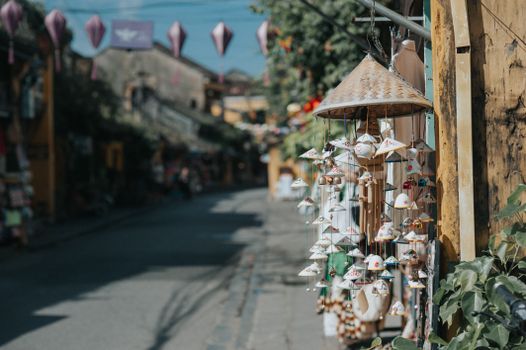
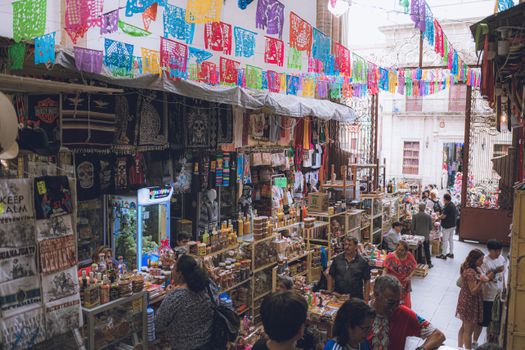
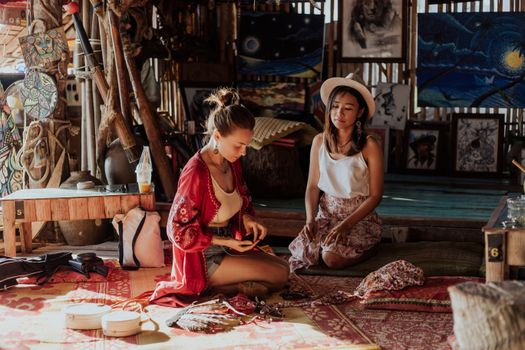
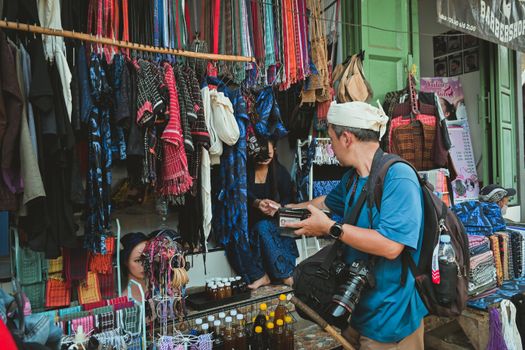
The scent of freshly baked pão de queijo wafted through the narrow, cobbled streets of Tiradentes, a colonial gem tucked away in Brazil's Minas Gerais state. I wasn't there on a packaged tour, snapping photos of designated landmarks. Instead, I was haggling for handmade lace at the local market, sipping strong coffee with a group of elderly men discussing football, and learning to make doce de leite from scratch with a sweet-faced senhora in her humble kitchen. This wasn't a trip; it was a temporary life.
That experience, years ago, fundamentally changed how I travel. It ignited a passion to seek out the authentic, to live within the rhythm of a place rather than just pass through it. We've all seen beautiful destinations slowly morph under the weight of mass tourism, losing their unique charm. But what if you could experience them before that transformation? What if you could unlock the soul of a country, not just its Instagram filter? This isn't about being an "anti-tourist" snob; it's about enriching your journey, fostering genuine connections, and creating memories that go far beyond a souvenir shop. It's about living like a local, truly, deeply, before the secret gets out.
Ready to trade your guidebook for genuine local insights? Let's dive in.
1. The Pre-Trip Deep Dive: Unearthing Unspoiled Havens
Before you even book a flight, the true adventure begins: research. But not the kind that leads you to the top 10 tourist attractions. We’re digging deeper.
Beyond the Google Search Bar:
Forget "Best things to do in Paris." Instead, search for "local markets [city name]," "expat communities [country name] forum," "university student life [city name]," or "hidden hiking trails [region]." These niche searches will lead you to discussions, blogs, and resources that mainstream travel sites often overlook.
- Dive into Niche Forums & Local Blogs: Reddit threads (r/travel, r/solotravel, but also specific city/country subreddits), Facebook groups for expats in your target country, or even language exchange communities can be goldmines. Look for local bloggers, especially those writing in the native language (Google Translate is your friend!). They often share insights on places only locals frequent. I once stumbled upon a tiny, family-run pasticceria in Palermo, Sicily, famous for its cannoli – not from Lonely Planet, but from a local food blogger's Instagram feed. It was tucked away on a residential street, no English menu, just pure, unadulterated Sicilian deliciousness for about €1.50 a piece.
- Scout Less-Traveled Regions: Instead of capital cities, consider secondary cities or rural regions. For instance, while everyone flocks to Kyoto, explore Kanazawa in Japan for its stunning gardens, samurai district, and fresh seafood, offering a similar traditional vibe without the intense crowds. Or, instead of Bali, look to Lombok or Flores in Indonesia for equally breathtaking landscapes and a more authentic cultural experience, often at a fraction of the cost. A local guesthouse in Flores might cost you $20-30/night, including breakfast, compared to $50+ in popular Bali spots.
- Leverage Academic & Cultural Institutions: Universities often have international student programs or cultural centers that host events open to the public. These are fantastic places to meet locals and learn about current cultural happenings away from the tourist circuit. Look up local art galleries, community centers, or even local sports clubs – they all have websites or social media.
Actionable Tip:
Create a dedicated spreadsheet. List potential lesser-known towns, local events, specific dishes to try, and unique activities. Don't just list "eat local food"; list "try feijoada at Bar da Dona Onça in São Paulo" (a specific, highly-rated local spot).
2. The Art of Arrival: Blending In from Day One
Your first few hours in a new place are crucial. They set the tone for your entire immersion. Ditch the airport shuttle to the hotel in the tourist district.
Choose Your Home Wisely:
* Opt for Local Accommodation: Airbnb, Booking.com, or local equivalents (like Agoda in Asia) allow you to filter for residential neighborhoods. Look for places slightly outside the city center but with good public transport links. Staying in an apartment or a small guesthouse run by locals instantly gives you a different perspective. My first Airbnb in Lisbon was in Graça, a hilly, residential neighborhood. Every morning, I woke to the sounds of grandmothers chatting from their balconies and the smell of fresh bread from the padaria downstairs. It cost me about €40/night for a charming apartment, a fraction of what a hotel in Baixa would charge.
- Learn the Basics: Before you land, master essential phrases: "hello," "thank you," "excuse me," "please," "how much?" and "where is...?" Even a clumsy attempt shows respect and often elicits a warm response. Locals are far more likely to help someone trying to connect, even poorly, than someone expecting them to speak English.
- Observe and Adapt: Upon arrival, take an hour to simply observe. How do people dress? What's the pace of life? Do people make eye contact or avoid it? Are they loud or quiet? Mimicking these subtle cues helps you blend in. I remember in Tokyo, learning to walk on the left side of the sidewalk and understanding the unspoken etiquette of public transport made a world of difference.
Actionable Tip:
Download offline maps (Google Maps, Maps.me) and a translation app (Google Translate, DeepL) before you go. Pin local markets, parks, and residential areas of interest. This allows you to explore without relying on data or sticking to well-trodden paths.
3. Eat Like a Local: Your Culinary Compass to Authenticity
Food is the universal language of culture. To truly live like a local, you must eat like one.
Beyond the Tourist Menu:
* Hit the Markets: Local markets are sensory explosions and the beating heart of any community. Not only will you find fresh, seasonal produce, but also prepared foods, snacks, and a chance to observe daily life. Engage with vendors, even if it's just a smile and a nod. In Mexico City, Mercado de San Juan offers exotic meats, while Mercado de Coyoacán is perfect for street food like tostadas and quesadillas for just a few pesos (e.g., a tostada for ~25 MXN, or $1.50).
- Seek Out Street Food & Hole-in-the-Wall Eateries: These are often where the most authentic (and affordable) flavors reside. Look for places bustling with locals, especially during lunch hours. A good rule of thumb: if there are no English menus and lots of chatter, you're probably in the right place. In Vietnam, a bowl of phở from a street vendor might cost you 30,000 VND (about $1.20) and be exponentially more flavorful than a restaurant version. Ask your Airbnb host or guesthouse owner for their favorite "local spot." They'll often point you to a hidden gem.
- Learn a Local Recipe: Taking a cooking class is an incredible way to delve into the culture and connect with locals. Many classes are held in people's homes, offering a unique glimpse into their lives. I once took a pasta-making class in a small Tuscan village, learning to roll pici from an nonna whose family had been farming the land for generations. It wasn't just about the food; it was about the stories, the laughter, and the shared experience. These classes can range from $50-150 depending on the country and exclusivity.
Actionable Tip:
Avoid restaurants with laminated menus featuring photos of food. These are almost always tourist traps. Instead, look for daily specials written on chalkboards or handwritten menus. Don't be afraid to point or use your translation app!
4. Navigate Like a Native: Getting Around & Deeper Exploration
Public transport is your gateway to local life. It's not just a way to get from A to B; it's a moving window into the community.
Embrace Local Transit:
* Ditch Taxis for Buses, Trams, & Subways: Not only is public transport significantly cheaper (e.g., a single metro ride in Berlin is ~€3, compared to a €15+ taxi ride), but it also immerses you in the daily commute. You'll see locals going about their lives, overhear conversations, and get a feel for the city's pulse. Learn how to buy tickets and validate them – it's a small but significant step towards blending in.
- Walk, Walk, Walk: Many of the most charming spots are discovered on foot. Wander aimlessly down side streets. Get lost (safely!). Some of my best discoveries – a hidden garden in Marrakech, an impromptu street performance in Barcelona, a quiet artisan's studio in Kyoto – happened when I put away my map and just let my feet lead me.
- Rent a Bike or Scooter: In many cities, especially those with good infrastructure (like Amsterdam or Copenhagen) or smaller towns, renting a bike is a fantastic way to explore. It offers freedom and a local perspective. In Hoi An, Vietnam, renting a bicycle for a day costs less than $2 and allows you to explore rice paddies and fishing villages outside the main tourist zone.
- Ask for Directions (Even if You Don't Need Them): This is a fantastic way to initiate a brief, friendly interaction. Even if you know where you're going, asking for a recommendation for a good coffee shop or a nice park can lead to unexpected conversations and tips.
Actionable Tip:
Download local transport apps (e.g., Citymapper, Moovit) for real-time schedules and route planning. Purchase a multi-day or weekly transit pass if available; it's often more economical and convenient.
5. Connect & Contribute: Building Bridges, Not Just Taking Photos
The most profound travel experiences often involve genuine human connection. Don't just observe; participate.
Engage with the Community:
* Learn a Language (Beyond the Basics): Even a few weeks of dedicated study before your trip can make a huge difference. Consider a language exchange app like Tandem or HelloTalk to practice with native speakers. Being able to hold a simple conversation opens doors to deeper interactions and understanding.
- Volunteer (Ethically): If you have more time, consider short-term ethical volunteering. Look for local, grassroots organizations focused on environmental conservation, community development, or animal welfare. Websites like Workaway or Worldpackers can connect you with hosts who offer accommodation in exchange for a few hours of work, providing an incredibly immersive experience. This isn't just about giving back; it's about becoming part of a community.
- Attend Local Events: Seek out local festivals, concerts, art exhibitions, or sports matches. These are incredible opportunities to witness cultural traditions firsthand and mingle with locals. I once stumbled upon a tiny village fiesta in rural Spain, featuring traditional dancing, live music, and free-flowing vino – an experience far more memorable than any planned museum visit. Check local tourism boards (not the national ones, but regional/city ones) or community calendars online.
- Support Local Artisans & Businesses: Instead of buying mass-produced souvenirs, seek out local craftspeople, independent boutiques, and family-run shops. Your money directly supports the community and you'll often find unique, high-quality items. In Chiang Mai, Thailand, I found a beautiful, hand-woven scarf for 300 THB (about $9) directly from the artisan, a much more meaningful purchase than something from a tourist market.
Actionable Tip:
Carry small, locally appropriate gifts (e.g., a small souvenir from your home country, or a local treat) to offer as a gesture of goodwill if you're invited into someone's home or receive exceptional help.
6. The Unseen Journey: Embracing Serendipity & Slow Travel
Perhaps the most important aspect of living like a local is a shift in mindset. It’s about letting go of the need for control and embracing the unknown.
Cultivating a Local Mindset:
* Ditch the Rigid Itinerary: While some planning is necessary, leave ample room for spontaneity. Don't overschedule. Allow yourself entire afternoons to simply sit in a park, people-watch at a café, or follow an intriguing scent down an alleyway. This is where the magic happens. I remember spending an entire day in Rome's Trastevere neighborhood, not ticking off landmarks, but simply absorbing the atmosphere, discovering hidden courtyards, and enjoying a leisurely aperitivo with locals.
- Be Present, Not Just Productive: Put down your phone. Look up. Listen. Engage your senses. Notice the details: the intricate carvings on a doorway, the rhythm of a street musician, the particular way a local gestures. These are the moments that truly connect you to a place.
- Embrace Discomfort and Uncertainty: Things will go wrong. You'll get lost. You'll order something you can't identify. These are not failures; they are opportunities for growth and authentic experiences. Learning to navigate these moments with patience and a sense of humor is key.
- Understand the Local Pace: Some cultures move faster, some slower. Adjust your internal clock. Don't rush. If lunch lasts two hours, enjoy it. If a bus is late, use the time to observe. This respect for local customs is fundamental to immersion.
Actionable Tip:
Keep a small notebook and pen. Jot down observations, conversations, new words, and sensory details. This practice enhances your presence and creates a unique, personal record of your journey, far more valuable than a curated Instagram feed.
The Ultimate Reward: Memories That Transcend Postcards
Living like a local isn't just a way to travel; it's a philosophy. It transforms your journey from a checklist of sights into a vibrant tapestry of experiences, connections, and genuine understanding. You'll return home not just with photos, but with stories that pulse with life, with a deeper appreciation for humanity, and perhaps, a piece of your heart left behind in a place you truly came to know.
So, are you ready to trade the well-worn path for the road less traveled? Are you prepared to open your heart to a country's true essence, before the rest of the world catches on? The adventure of a lifetime awaits. Start planning your immersive journey today, and share your unique discoveries with us using #TripsoraLocal.
---