The crisp pre-dawn air bit at my cheeks as I stood perched on a rocky outcrop overlooking the vast expanse of the Sahara Desert. My tripod was firmly planted, my camera silently clicking away, capturing the first whispers of light painting the Erg Chebbi dunes in hues of rose and gold. Hours later, back in my tent, as I stitched those thousands of stills into a fluid, 30-second video, a wave of pure magic washed over me. The sun, a fiery orb, seemed to leap into the sky, the shadows danced across the sand, and the entire desert awoke in a way no single photograph or real-time video could ever convey. It was more than just a video; it was a condensed memory, a living poem of that unforgettable morning.
That, my friends, is the power of time-lapse photography while traveling. It’s not just about recording; it’s about experiencing the passage of time, witnessing the subtle dance of clouds, the frenetic pulse of a city, or the slow, majestic unfurling of a sunrise in a way your naked eye simply can’t. If you've ever wanted to elevate your travel memories from static snapshots to dynamic, cinematic stories, then buckle up. This isn't just a guide; it's your passport to creating time-lapse videos so epic, you need to experience them before you die.
Why Time-Lapse? More Than Just a Video, It's a Time Machine
Let's be honest, we all have thousands of photos and videos on our phones, yet how many truly capture the essence of a place? A time-lapse, however, has this uncanny ability to tell a story that unfolds over minutes, hours, or even days, compressing it into a captivating visual narrative.
Imagine:
* The dramatic sweep of clouds over the jagged peaks of Patagonia, revealing the sheer scale and ever-changing mood of the mountains.
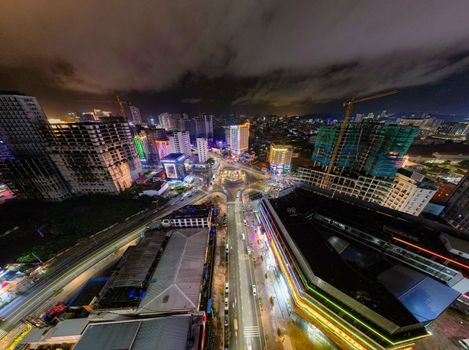
* The mesmerizing ebb and flow of city life in Tokyo's Shibuya Crossing, transforming chaos into an elegant ballet of humanity.
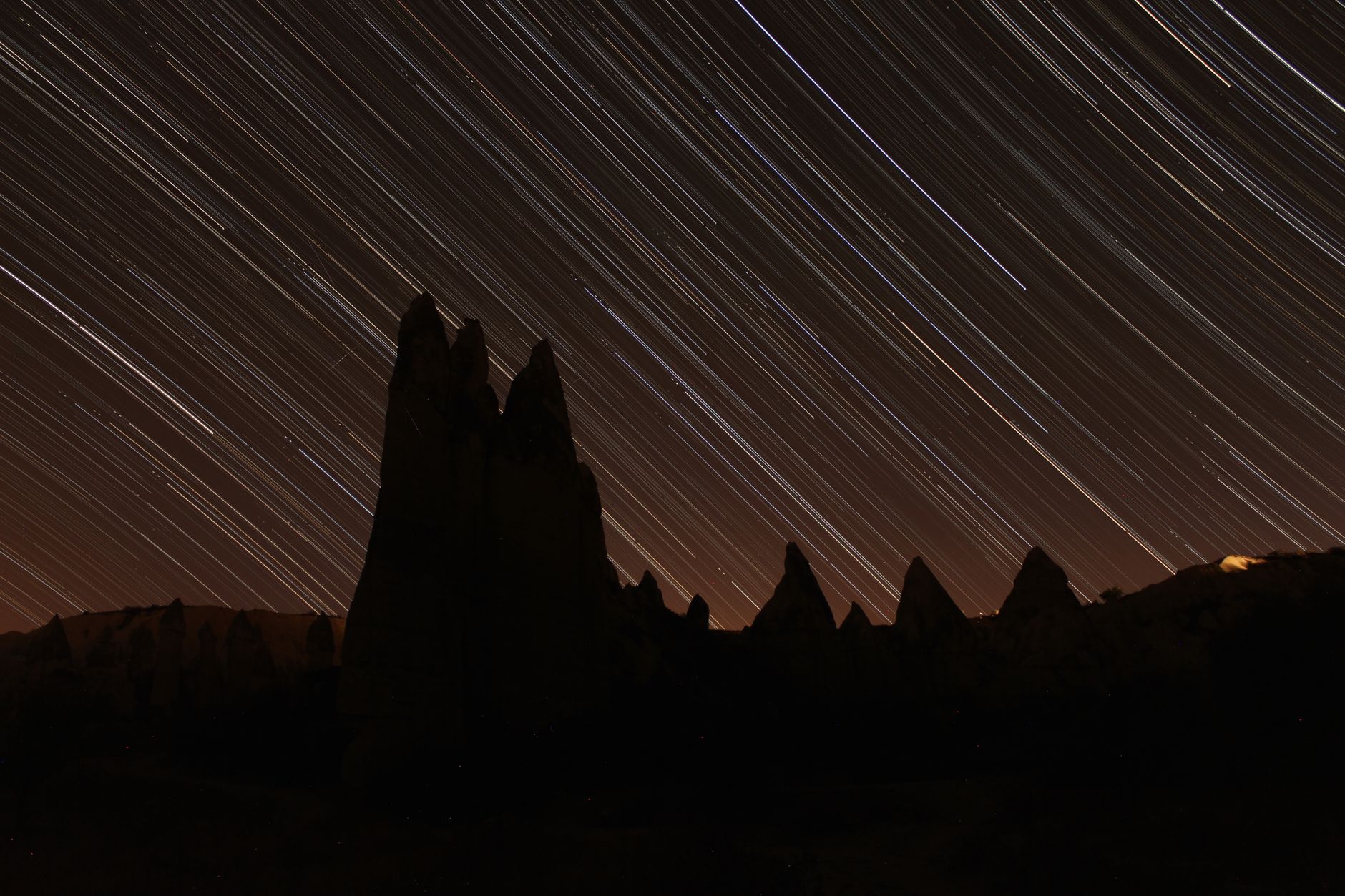
* The celestial dance of stars above the ancient ruins of Petra, reminding us of our small place in the grand cosmos.
These aren't just pretty clips; they're emotional anchors, allowing you to relive the wonder, the patience, and the sheer beauty of those moments. They become a unique, shareable piece of your journey, a conversation starter, and a testament to the fact that you truly saw, truly felt, and truly captured the world.
The Essential Gear for Time-Lapse Nomads: Your Toolkit for Time Travel
You don't need to break the bank to start, but a few key pieces of equipment will make all the difference. Think of these as your indispensable companions on your quest for time-lapse glory.
- Your Camera:
- DSLR/Mirrorless (Pro's Choice): Canon, Nikon, Sony, Fujifilm, Panasonic Lumix – these offer the best image quality, manual control, and flexibility. Look for models with a built-in intervalometer (saves you an extra gadget!).
- Action Camera (Rugged & Ready): GoPro Hero series is fantastic for extreme conditions, waterproof shots, and hands-free operation. While not as versatile in low light, their portability and durability are unmatched for action-packed time-lapses.
- Smartphone (Entry-Level & Convenient): Modern smartphones (iPhone, Google Pixel, Samsung Galaxy) have impressive cameras and often built-in time-lapse modes. Great for experimenting, but limited manual control and battery life.
- The Unsung Hero: A Sturdy Tripod: This is NON-NEGOTIABLE. Your camera needs to be perfectly still for hours.
- Travel Tripod: Lightweight, compact, but still sturdy. Look for brands like Peak Design, Manfrotto, or MeFoto. I once tried to prop my camera on a stack of rocks in the Dolomites, and a gust of wind nearly sent it tumbling down a ravine. Lesson learned: invest in a good tripod!
- Mini Tripod/GorillaPod: Great for tight spaces, attaching to railings, or low-angle shots.
- The Brains: Intervalometer: This device tells your camera to take a photo at specific intervals.
- Built-in: Many modern DSLRs/mirrorless cameras have this feature in their menu. Check your camera's manual!
- External: If your camera lacks one, a simple wired or wireless intervalometer is an affordable accessory (around $20-50).
- Power Up! Batteries & Power Banks: Time-lapses consume a lot of power.
- Extra Batteries: At least 2-3 spares for your camera.
- High-Capacity Power Bank: Essential for charging phones, GoPros, or even running your DSLR via a dummy battery adapter for extended shoots. (I’ve run 12-hour star-trail time-lapses in the Atacama using a power bank – a true lifesaver!).
- Portable Solar Charger (for the truly adventurous): If you're deep in the wilderness, these can be invaluable.
- Memory Cards:
- High Capacity: You'll be taking hundreds, if not thousands, of photos. Think 64GB, 128GB, or even 256GB.
- Fast Write Speed (UHS-II or V60/V90): Crucial for continuous shooting, especially with high-resolution photos.
- Optional, But Highly Recommended:
- ND Filters (Neutral Density): Like sunglasses for your camera, they allow longer shutter speeds in bright daylight, creating smoother motion blur for clouds or water.
- Lens Wipes/Microfiber Cloth: Dust, fingerprints, and condensation are the enemy of a clean time-lapse.
- Motion Control Slider: For advanced users, these motorized sliders add dynamic camera movement to your time-lapses, making them truly cinematic.
Mastering the Art: Settings & Techniques for Time-Lapse Perfection
This is where the magic truly happens. Getting your settings right is paramount to a smooth, flicker-free, and stunning time-lapse.
- Composition is Key:
- Find Your Frame: Before you even set up, scout your location. What's the story you want to tell? Look for interesting foreground elements, leading lines, or the rule of thirds.
- Stability: Ensure your tripod is on solid ground. Any wobble will ruin your sequence. I once set up on a pier in Croatia, only to realize later that every time a boat passed, my shot subtly shifted. Learn from my mistakes!
- Manual Mode is Your Best Friend:
- Exposure (M Mode): Set everything manually to prevent your camera from automatically adjusting settings mid-shoot, which causes annoying "flicker" in your final video.
- ISO: Keep it as low as possible (e.g., ISO 100-400) to minimize digital noise, especially for day shots. For night shots, you'll need to increase it (ISO 1600-6400).
- Aperture (f-stop): Choose an aperture that gives you sufficient depth of field (e.g., f/8 to f/11 for landscapes) and keep it consistent.
- Shutter Speed: This is crucial for motion blur.
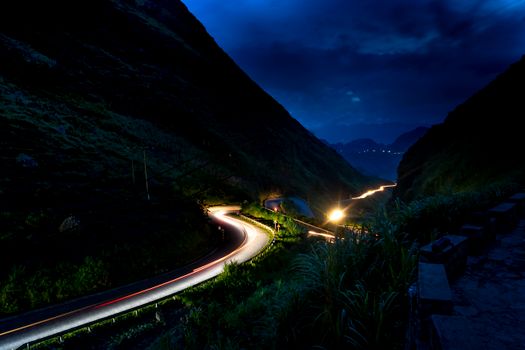
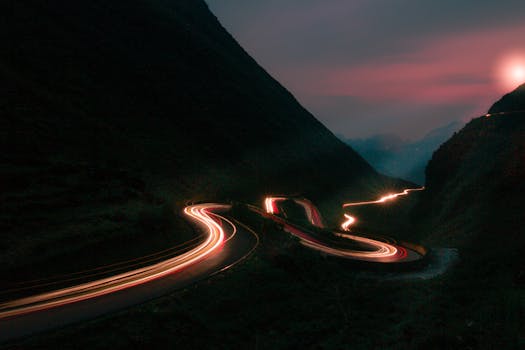
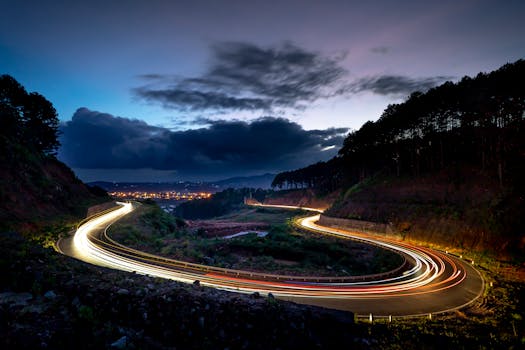
- Slow Shutter (1/2 to 2 seconds): For smooth, dreamy motion of clouds, water, or traffic light trails.
- Fast Shutter (1/100 to 1/500 second): For crisp, distinct movements, like people walking or quick action.
- White Balance (Manual): Set a specific Kelvin temperature (e.g., 5500K for daylight) or choose a preset (sunny, cloudy). DO NOT leave it on Auto, or your colors will shift dramatically.
- Focus (Manual): Auto-focus will hunt and change focus points, ruining your time-lapse. Switch to Manual Focus, focus on your desired point (often infinity for landscapes), and then lock it in. Use Live View to zoom in and ensure critical sharpness.
- The Heartbeat: Interval Selection: This determines how often your camera takes a photo and dictates the speed of your final time-lapse.
- Clouds/Sunset/Sunrise: 2-5 seconds. (e.g., a 2-hour sunset at 3-second intervals gives you 2400 photos. At 24 frames per second (fps), that's 100 seconds of video.)
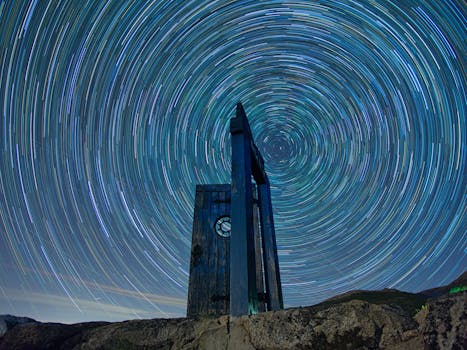
- Stars/Night Sky: 15-30 seconds (longer exposures are needed to gather light from faint stars).
- Crowds/City Traffic: 1-2 seconds for a fast-paced feel.
- Plants Growing/Very Slow Events: 30 seconds to several minutes or even hours.
Pro Tip: A good rule of thumb is to aim for a final video length of 15-30 seconds for social media. Calculate your total shooting time based on your desired final video length and frame rate (usually 24 or 30 fps).
Epic Travel Time-Lapse Ideas & Locations: Your "Before You Die" List!
Now for the fun part – where to go and what to capture! These are some of the most awe-inspiring time-lapse opportunities the world has to offer, moments that truly need to be experienced and preserved.
- Sunrise/Sunset over Iconic Landscapes:
- Grand Canyon, USA: Imagine the sun painting the layered rock formations in ever-changing hues of red, orange, and purple. Head to Mather Point or Hopi Point for panoramic vistas. The sheer scale makes for an unforgettable time-lapse.
- Santorini, Greece (Oia): The famous white-washed villages clinging to cliffs, bathed in the golden light of a Mediterranean sunset. Find a spot early, brave the crowds, and capture the sun dipping below the Aegean Sea.
- Sahara Desert, Morocco (Erg Chebbi): The vast, undulating dunes, the slow crawl of shadows, and the incredible star-filled night sky transitioning to dawn. The silence, broken only by your camera's shutter, is profound.
- Star Trails & Milky Way Magic:
- Patagonia, Chile/Argentina (Torres del Paine, Fitz Roy): Far from light pollution, the Southern Hemisphere's night sky is a spectacle. Capture star trails circling the iconic granite peaks, or the majestic arch of the Milky Way. Be prepared for chilly nights, even in summer!
- Atacama Desert, Chile: One of the driest places on Earth, offering unparalleled clarity for stargazing. The lack of humidity means incredibly sharp stars.
- Rural Iceland: While known for the Northern Lights, even without them, the stark landscapes under a blanket of stars are breathtaking.
- Bustling Cityscapes & Urban Energy:
- Times Square, NYC, USA: The relentless energy, the flashing billboards, the endless stream of yellow cabs and pedestrians. A wide-angle lens here captures the dizzying pace of the city that never sleeps.
- Shibuya Crossing, Tokyo, Japan: The world's busiest intersection, transforming into a synchronized dance of thousands of people. From an elevated vantage point (e.g., Shibuya Sky or the Starbucks overlooking the crossing), it's pure urban poetry.
- Ho Chi Minh City, Vietnam: The mesmerizing flow of motorbikes at a busy intersection is a symphony of organized chaos. Find a balcony or rooftop bar for an elevated perspective.
- Nature's Raw Power & Serenity:
- Crashing Waves (e.g., Nazare, Portugal, or any dramatic coastline): The relentless power of the ocean, condensing hours of wave action into a mesmerizing, almost hypnotic flow.
- Cloud Formations over Mountains (e.g., Dolomites, Italy; Swiss Alps): Watch as clouds roll over peaks, creating dramatic light and shadow plays, sometimes forming "cloud inversions" that make you feel like you're above the world.
- Volcanic Activity (e.g., Stromboli, Italy or Kilauea, Hawaii – from a safe, permitted distance!): If you can safely capture eruptions or lava flows, the sheer power of the Earth condensed into a few seconds is truly humbling.
- Cultural Tapestry & Vibrant Markets:
- Jemaa el-Fnaa, Marrakech, Morocco: As dusk falls, this square transforms into a vibrant, chaotic, and utterly captivating spectacle of food stalls, storytellers, and musicians. Capture the transition from day to night, the setting up of stalls, and the swirling crowds.
- Floating Markets, Thailand/Vietnam: The gentle bobbing of boats, the vibrant colors of produce, and the lively interactions of vendors. A time-lapse here captures the unique rhythm of river life.
Personal Anecdote: I remember setting up for a sunset time-lapse over the Grand Canal in Venice. I found a perfect spot, tripod firm, and started shooting. About an hour in, a gondolier, seeing my camera, started singing "O Sole Mio" directly into my lens! While it made for a hilarious personal memory, it completely ruined the sound for my time-lapse. It taught me the importance of not just observing my surroundings, but also anticipating human interaction in busy areas! Sometimes, the best shots come from the least expected places, but always be aware!
Post-Production: Bringing Your Time-Lapse to Life
Capturing the photos is only half the battle. The real magic often happens in post-production, where you transform a stack of images into a fluid, captivating video.
- Software Essentials:
- Adobe Lightroom Classic: Excellent for batch editing your raw photos (exposure, white balance, color grading, sharpening). You can sync settings across thousands of images quickly.
- LRTimelapse: This specialized software is a game-changer. It helps smooth out exposure changes (especially for day-to-night transitions, known as "Holy Grail" time-lapses) and, crucially, removes flicker.
- Adobe Premiere Pro/After Effects or DaVinci Resolve (Free!): These are video editing powerhouses where you'll assemble your images into a video sequence, add music, and fine-tune your final output.
- The Workflow:
- Import & Organize: Get all your photos onto your computer and into a dedicated folder.
- Batch Edit in Lightroom: Apply basic corrections to your first image, then sync those settings to all other images in the sequence. For tricky shots (like day-to-night), LRTimelapse will help you refine transitions.
- De-flicker: This is perhaps the most important step for a professional-looking time-lapse. LRTimelapse excels at this, analyzing and correcting subtle exposure shifts that create a "flickering" effect.
- Export as Video Sequence: Once edited and deflickered, export your images as a JPEG sequence.
- Assemble in Video Editor: Import your JPEG sequence into Premiere Pro or DaVinci Resolve. Set the frame rate (24 or 30 fps) and export as a video file (e.g., MP4).
- Sound Design & Music: A compelling soundtrack can elevate your time-lapse from good to unforgettable. Choose music that matches the mood and pace of your video.
Advanced Tips & Ethical Considerations for the Conscious Creator
Once you've mastered the basics, there's a whole world of advanced techniques to explore. But always remember to be a responsible traveler and creator.
- Motion Time-Lapse (Dynamic Shots):
- Sliders: Motorized sliders add a subtle, elegant camera movement (pan, tilt, or dolly in/out) during your time-lapse, making it incredibly cinematic.
- Pan/Tilt Heads: Some intervalometers or camera systems allow for subtle panning or tilting between shots.
- Holy Grail Time-Lapse (Day-to-Night Transitions): This is the ultimate challenge! Capturing the full transition from bright daylight to a star-filled night. It requires careful exposure ramping (gradually adjusting shutter speed, ISO, and aperture) and specialized software like LRTimelapse to smooth the changes.
- Hyperlapse (Moving Time-Lapse): Instead of keeping your camera static, you physically move the camera a short distance between each shot. This creates a dizzying, dynamic effect, often used for walking through city streets or across vast landscapes. It requires immense patience and precision to keep your subject centered.
- Safety First:
- Be Aware of Your Surroundings: Especially in remote or crowded areas. Don't leave your gear unattended.
- Weather: Protect your camera from rain, sand, or extreme temperatures. A simple rain cover can save your equipment.
- Personal Safety: Don't venture into dangerous areas for a shot. No time-lapse is worth risking your life.
- Respectful Filming:
- Don't Obstruct Views: Be mindful of other tourists or locals. Set up your tripod discreetly.
- Ask Permission: If you're filming people in a private setting or within a cultural event, always ask permission. A simple smile and gesture can go a long way.
- Be Mindful of Privacy: Avoid filming individuals or private property without consent.
- Leave No Trace: Pack out everything you pack in. Don't disturb natural environments or historical sites.
My journey into time-lapse started with a cheap tripod and a smartphone, capturing a mundane sunset from my balcony. It was far from perfect, but that spark of seeing time compressed, of witnessing the invisible dance of light and shadow, ignited a passion. Now, whether I'm chasing the Northern Lights in Norway or the morning mist in Vietnam, I see the world through a time-lapse lens, always searching for those moments that deserve to be frozen, stretched, and savored.
Your Time-Lapse Adventure Awaits!
The world is a canvas of fleeting moments, and time-lapse photography is your brush to capture them in their full, majestic glory. It's a skill that deepens your appreciation for the subtle shifts in light, the relentless march of time, and the breathtaking beauty of our planet. It teaches patience, observation, and a technical mastery that will serve you well in all your photographic endeavors.
Don't just travel; capture your travels in a way that transcends ordinary memories. Start small, experiment, learn from every shot, and soon you'll be creating cinematic masterpieces that will inspire awe and transport viewers back to those incredible moments.
So, what are you waiting for? Grab your gear, head out, and start creating those "before you die" time-lapse videos. We can't wait to see what incredible stories you'll tell.
Share your first time-lapse with us! What's on your time-lapse bucket list? Tag #TripsoraTimelapse on Instagram and let's inspire each other!
---