Unseen Worlds: How to Be a Responsible Tourist in Fragile Ecosystems Locals Don't Want Tourists to Know
The whisper starts subtly. A hushed conversation over a campfire, a fleeting glimpse in a documentary, a cryptic hint from a seasoned traveler. It's the allure of the "undiscovered," the "secret," the "untouched." We’ve all felt it – that primal urge to step where few have trod, to witness beauty so profound it feels like a personal revelation.
I remember it vividly. Years ago, while backpacking through a remote corner of Southeast Asia, I stumbled upon a village nestled deep within a verdant valley, accessible only by a winding, muddy path. The air hummed with a quiet rhythm of life – children playing with hand-carved toys, women weaving vibrant textiles, the scent of woodsmoke mingling with exotic spices. There were no guesthouses, no souvenir shops, no other tourists. Just genuine, unadulterated life.
For a few days, I was a quiet observer, sharing meals of local produce, watching the sunrise paint the mist-shrouded peaks, and feeling an immense privilege to be there. But as I packed my small bag to leave, a pang of unease struck me. My presence, however minimal, was still an intrusion. What if more people found this place? What if my "discovery" paved the way for others, changing its delicate balance forever? It was a profound moment of realization: the most beautiful places are often the most fragile, and the communities that call them home often prefer their peace over our fleeting curiosity.
This isn't about gatekeeping travel. It's about a deeper, more profound form of respect. It's about understanding that some places are sacred, some ecosystems are on a knife-edge, and some communities simply wish to live unburdened by the gaze of the outside world. This isn't about finding those places and keeping them secret for yourself. It’s about cultivating a mindset that, should you ever find yourself on the precipice of such a discovery, you act with the utmost responsibility, humility, and care.
So, how do we honor the allure of the unseen without contributing to its demise? How do we become responsible tourists in fragile ecosystems, especially those locals might prefer remain untouched? Let's dive in.
The Lure of the Unseen: Beyond "Discovery," Towards Respect
The internet and social media have democratized travel, making once-remote corners of the world accessible with a few clicks. While this has incredible benefits, it also means that "secret spots" don't stay secret for long. A stunning photo with a geotag can trigger an avalanche of visitors, overwhelming delicate ecosystems and local communities unprepared for the influx.
The desire to "discover" something new is deeply ingrained in us, but in the context of fragile ecosystems and communities, we need to reframe this urge. Instead of being a "discoverer," aim to be a "guardian" or a "respectful guest." Understand that the "unseen" often means "cherished" – cherished by the plants, animals, and people who have coexisted there for generations.
Practical Tip:
Before you even consider visiting a truly remote or culturally sensitive area, ask yourself: Why do I want to go here? Is my curiosity worth the potential impact on this place or its people? If the answer isn't firmly rooted in learning, supporting, and respecting, it might be time to reconsider.
Research Beyond the Guidebook: Deep Dive into Local Ethics
Traditional guidebooks are great for popular destinations, but for truly fragile or culturally sensitive areas, they often fall short or even contribute to the problem by highlighting places that should remain low-key. Your research needs to go deeper, focusing on ethical considerations and local perspectives.
- Seek Out Indigenous and Local Voices: Are there local conservation groups, indigenous community organizations, or cultural centers that offer insights? Look for their websites, social media, or reports. They are the best source for understanding the sensitivities of their land and culture.
- Prioritize Community-Based Tourism Initiatives: If a community has chosen to open its doors to visitors, it will often be through carefully managed, small-scale, community-owned initiatives. These ensure that benefits stay local, and visits are structured to minimize impact. Don't just look for "eco-lodges"; look for lodges owned and operated by the community.
- Example: Instead of booking a large, foreign-owned resort near a sensitive coastal wetland, seek out a locally-run homestay or a small, community-owned guesthouse. These might be harder to find online, but a quick search for "[destination] community tourism" or "[destination] indigenous tours" can yield results. Expect prices to vary, but a night in a basic, locally-owned guesthouse might be $30-70 USD, while a guided cultural experience could range from $50-150 USD per person, ensuring direct benefit to the community.
- Understand Cultural Protocols: Before you arrive, learn about local customs, dress codes, greetings, and taboos. Is photography permitted? Are there sacred sites you should avoid or approach with specific etiquette? This information is rarely in mainstream travel blogs but can be found through academic resources, reputable NGOs, or by contacting local cultural centers directly.
- Avoid "Asking Locals for their Secrets": This might sound counterintuitive, but directly asking locals to reveal their "secret spots" or "hidden gems" can put them in an uncomfortable position. It pressures them to share something they might prefer to keep private, or worse, encourages them to commercialize something sacred for tourist dollars. Instead, focus on listening, observing, and respecting boundaries.
Treading Lightly: Minimizing Your Environmental Footprint
In fragile ecosystems, every action has amplified consequences. "Leave No Trace" principles are not just guidelines; they are commandments.
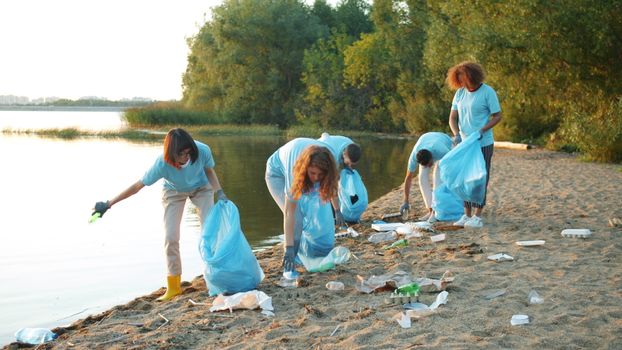
- Pack It In, Pack It Out (and Then Some): This goes beyond your own trash. Be prepared to carry out all your waste, including organic matter (like fruit peels, which can introduce non-native species or alter animal behavior). Consider taking an extra bag to pick up any litter you might encounter along the way.
- Stay on Designated Paths: Even if a path seems overgrown or less scenic, sticking to it prevents erosion, protects delicate flora, and avoids disturbing wildlife habitats. Creating new trails, even inadvertently, can have lasting damage. In truly untouched areas, there might be no paths – in which case, consider if your presence is appropriate at all, or if you need a local guide who knows where to step.
- Water Conservation is Key: Many remote communities struggle with water scarcity. Be mindful of your water usage – shorter showers, turning off taps, and reporting leaks.
- Respect Wildlife from a Distance: Never feed wild animals, touch them, or disturb their natural behaviors. Use binoculars for observation. Understand that your presence can be a stressor. If an animal changes its behavior because of you, you're too close.
- Anecdote: I once witnessed a small group of tourists trying to coax a rare forest bird out of the canopy for a better photo. The bird, clearly stressed, eventually flew away. It was a stark reminder that our desire for a perfect shot can override the well-being of the creatures we claim to admire.
- Choose Eco-Friendly Transport and Accommodation: Opt for walking, cycling, or public transport whenever possible. If you need a vehicle, carpool. Stay in accommodations that demonstrably practice sustainability (solar power, rainwater harvesting, waste sorting, supporting local staff).
Cultural Compassion: Respecting Local Customs & Communities
This is perhaps the most critical aspect when interacting with communities that might prefer to remain private. Your presence is a privilege, not a right.
- Ask Permission for Photos: This is non-negotiable. A person is not a landscape feature. A simple gesture or spoken "May I take your photo?" (in the local language if possible) goes a long way. Be prepared for a "no" and accept it gracefully. Never take photos of children without explicit parental consent.
- My Experience: In a remote village in the Andes, I saw an elderly woman weaving intricate patterns. My camera was ready, but I hesitated. I approached her, learned a few words of Quechua, and asked permission. She smiled, nodded, and then, to my surprise, offered to teach me a basic stitch. That moment of shared connection, far more valuable than any photograph, came from respecting her autonomy first.
- Dress Modestly and Appropriately: Research local dress codes. In many cultures, conservative attire is a sign of respect, particularly in religious or sacred spaces.
- Support Local, Ethically: When you do buy souvenirs, ensure they are genuinely handmade by local artisans and that the price is fair (don't aggressively bargain down prices from individual craftspeople). Avoid buying items made from endangered species or culturally significant artifacts that should not be removed from their context.
- Engage with Humility, Not Expectation: If locals engage with you, respond warmly. But don't expect them to entertain you, teach you their language, or share their life story. Be a good listener. If you're invited into a home or ceremony, consider it a profound honor and follow all instructions.
- Understand Sacred Spaces: Some areas are sacred and off-limits to outsiders, or require specific rituals to enter. Respect these boundaries absolutely, even if you don't understand their significance. Your spiritual beliefs might differ, but their right to practice theirs on their land is paramount.
The Power of Silence & Observation: When Not to Engage
Sometimes, the most responsible and respectful act is simply to be quiet, observe from a distance, or even choose not to visit.
- Embrace Quiet Observation: Instead of seeking interaction, spend time simply being present. Watch the rhythm of daily life, listen to the sounds of nature, feel the atmosphere. This deepens your experience without imposing on others.
- Recognize Signs of Discomfort: If you sense that locals are uncomfortable with your presence, or if an area feels too fragile or private, gracefully retreat. Your intuition is a powerful guide.
- The Power of "No": It's okay to decide not to visit a place, even if you've planned for it, if you realize your presence would be detrimental. True responsible tourism sometimes means making the difficult choice to protect a place by staying away. This is particularly true for places that are not set up for tourism, and where your very presence could create a demand that the community cannot or does not want to meet.
Advocating for Preservation, Not Promotion
You've had an incredible, perhaps life-changing, experience in a truly special place. How do you share it without contributing to its overtourism?
- Share the Message, Not the Geotag: Instead of geotagging a specific, sensitive location on social media, share the principles of responsible travel you practiced. Talk about the feeling of being in such a place, the lessons you learned, and the importance of respecting local communities and ecosystems.
- Instagram-worthy Idea: Post a stunning photo of a general landscape (a mountain range, a forest canopy, a river) without a precise location tag. In the caption, write about the importance of protecting such natural beauty and the ethical considerations of travel. Use hashtags like #ResponsibleTravel #EcoTourism #LeaveNoTrace #ProtectOurPlanet.
- Support Conservation Efforts: Donate to reputable local conservation organizations or community development projects in the area you visited. Your financial contribution can help protect the very places you cherish.
- Educate Others: Share your insights with friends, family, and fellow travelers. Model responsible behavior. Encourage others to think critically about their travel choices.
- Be a Storyteller of Values: Focus your narrative on the importance of cultural preservation, ecological balance, and the wisdom of local communities, rather than on the "discovery" of a new "hot spot."
The True Cost of "Discovery": A Reflection
The desire to explore is part of the human spirit. But as our world shrinks and fragile places become more accessible, we must evolve our approach to travel. The "secret spots" that locals don't want tourists to know are not meant to be conquered or revealed. They are meant to be respected, protected, and, if we are incredibly lucky and invited, experienced with the deepest humility.
The true value of travel isn't in ticking off destinations or collecting Instagram likes. It's in the profound connections we make, the lessons we learn, and the positive impact we leave behind. By becoming truly responsible tourists, we don't just protect these unseen worlds; we become better global citizens, fostering a more sustainable and respectful future for all.
What's your commitment?
Will you be a part of the problem, or a part of the solution? Choose to travel mindfully, tread lightly, and let respect be your ultimate guide. The world's most beautiful secrets depend on it.
---