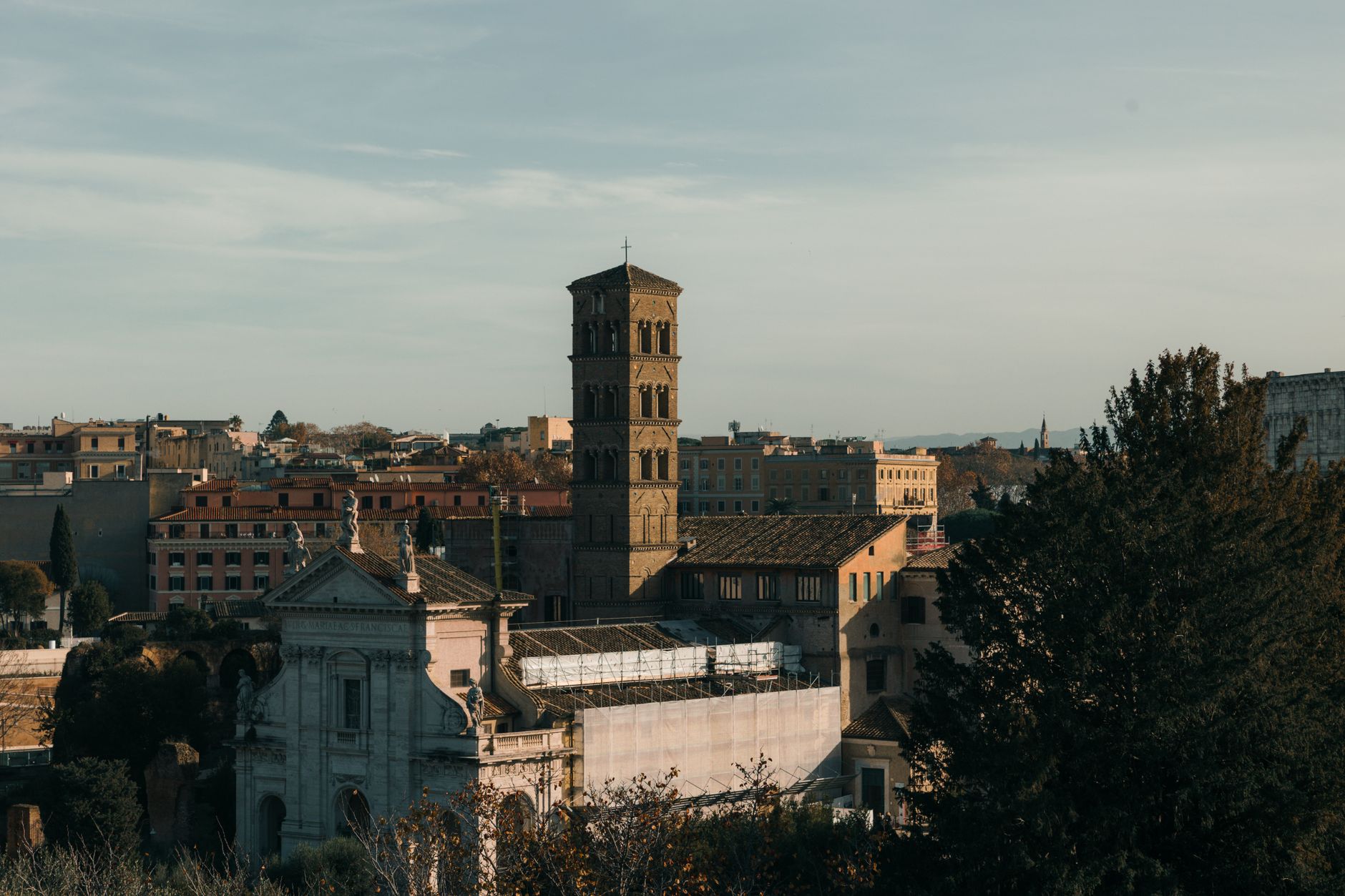
To experience Rome at an enjoyable pace without rushing through major sites, you need three full days. Deciding how many days in Rome to allocate depends on your priorities: a single day covers primary exterior monuments on foot; two days provide enough time to tour the Colosseum and Vatican City; three days offer a balanced mix of antiquity, Renaissance art, and neighbourhood dining; and five days allow you to explore ancient residential quarters, archaeological parks, and scenic day trips outside the city perimeter.
| Factor | Trip Details and Recommendations |
|---|---|
| Ideal Stay Duration | 3 days for first-timers; 4 to 5 days for a relaxed pace with day trips |
| Airport Transfer Cost | Leonardo Express approx. £12 one way; FL1 regional train approx. £7 |
| Average Daily Budget | approx. £110 to £160 per person (mid-range accommodation, meals, entry fees) |
| Local Public Transport | Single bus/metro ticket approx. £1.30; 72-hour pass approx. £15 |
| Favourable Weather Months | April to May, and late September to October |
Note: Prices are approximate estimates in GBP (£); check official transit and museum websites for current ticketing rates.
How many days in Rome: choosing your trip duration
Rome rewards focused planning. The city holds millennia of layered history across walkable quarters, yet lines for landmark monuments can consume hours if your schedule is overcrowded. Determining your ideal length of stay comes down to how deeply you want to engage with Roman art, archaeology, and everyday dining rituals.
If you have only 24 to 48 hours, you must accept trade-offs, prioritizing exterior views and timed tickets for one or two major complexes. A three-day itinerary provides the classic baseline, giving you dedicated mornings for high-demand ticketed sites and afternoons for strolling through historic piazzas. If you have four or five days, you can escape the dense central tourist corridors, enjoy long lunches in Testaccio, and take an excursion into the Roman countryside.
One to two days: fast-paced highlights
A 24 to 48-hour visit requires strict time management, advance bookings, and a central base. You will not see everything, but you can experience Rome’s most celebrated architecture.
Day 1: Ancient Rome and the historic centre
Dedicate your morning to ancient history. Book the earliest entry slot for the Colosseum, which includes access to the Roman Forum and Palatine Hill. Allow roughly three hours to walk through the ruins where senators gathered and emperors built their palaces. Wear sturdy shoes, as the ancient basalt pavers and gravel tracks are uneven.
In the afternoon, cross into the Centro Storico on foot. Walk past the monument to Victor Emmanuel II at Piazza Venezia and head toward the Pantheon. Inside, look up at the unreinforced concrete dome and its open oculus. From the Pantheon, walk five minutes east to the Trevi Fountain. Toss a coin according to tradition, then continue ten minutes north to the Spanish Steps. Conclude your evening with a plate of pasta all'amatriciana or tonnarelli cacio e pepe near Piazza Navona.
Day 2: Vatican City and Castel Sant'Angelo
Focus your second day on the western bank of the Tiber River. Secure a morning ticket for the Vatican Museums to view the Gallery of Maps, the Raphael Rooms, and the Sistine Chapel. Plan for at least three hours inside. Exit directly toward St. Peter’s Square to enter St. Peter’s Basilica. Climbing the dome requires a modest fee (approx. £7 to £9 depending on lift usage), but it delivers panoramic views across Rome’s terracotta rooftops.
Spend your late afternoon walking down Via della Conciliazione to Castel Sant'Angelo. This cylindrical fortress originally served as Emperor Hadrian's mausoleum before popes converted it into a fortified refuge. Cross Ponte Sant'Angelo, admiring the Bernini angel statues lining the bridge, before dining on Roman-style thin-crust pizza in the Parione neighbourhood.
Pro tip: Secure timed-entry tickets for the Colosseum and Vatican Museums at least six to eight weeks before your trip. Turning up without reservations often means waiting in ticket lines for hours or missing entry entirely.
Three days: the classic Rome itinerary
Three days is the gold standard for an initial visit. It allows you to complete the major sights covered in the two-day plan without fatigue, while adding exceptional fine art and atmospheric evening walks.
Day 3: Galleria Borghese, Trastevere, and panoramic views
Reserve an early two-hour entry slot at the Galleria Borghese, set within the public Villa Borghese gardens. This museum houses some of Gian Lorenzo Bernini’s most celebrated marble sculptures, including Apollo and Daphne, alongside masterpieces by Caravaggio and Titian. Entry numbers are strictly capped, ensuring comfortable viewing conditions without massive crowds.
After your museum visit, stroll through the park to the Pincio Terrace for views over Piazza del Popolo. Walk south or take Metro Line A from Flaminio to Barberini, stopping for lunch near Campo de' Fiori. Sample supplì (fried risotto balls stuffed with melted mozzarella) from a local bakery.
In the late afternoon, cross the Ponte Sisto into Trastevere. This medieval neighbourhood features winding stone lanes, shuttered ochre buildings, and parish squares such as Piazza di Santa Maria in Trastevere. Spend the evening enjoying Roman hospitality over rigatoni alla carbonara and saltimbocca alla Romana (veal cutlets wrapped with prosciutto and sage).
Four to five days: neighbourhood culture and day trips
With four or five days, your trip transitions from sightseeing to absorbing the city's broader culture. You have time to leave central landmarks behind and discover quiet archaeological parks and authentic residential food scenes.
Day 4: Testaccio, Aventine Hill, and the Appian Way
Begin your morning in Testaccio, historically the city's butchery quarter and working-class culinary core. Browse the Mercato Testaccio, sampling local cheeses, cured meats, and panzerotti. Walk up the nearby Aventine Hill to visit the Basilica of Santa Sabina and look through the famous Aventine Keyhole at the Priory of the Knights of Malta, which frames the dome of St. Peter’s perfectly through manicured hedges.
In the afternoon, travel to the Appian Way (Via Appia Antica). Take bus 118 or 218 south from the centre to reach this preserved Roman military road. Rent a bicycle or walk along the basalt stones bordered by umbrella pines, ruined tombs, and the Catacombs of San Callisto. It offers quiet, green open space contrasting with the stone avenues of central Rome.
Day 5: Excursions to Ostia Antica or Tivoli
Dedicate your fifth day to an excursion beyond the capital’s ring road:
- Ostia Antica: Ancient Rome’s harbour city sits just 25 minutes southwest on the Roma-Lido urban train from Porta San Paolo station (accessible via Metro Line B at Piramide). Standard metro tickets (approx. £1.30 each way) cover the route. You can walk through preserved thermal baths, multi-storey apartment blocks, taverns, and an intact Roman theatre with a fraction of Pompeii's crowds.
- Tivoli: Located about 20 miles east of Rome, Tivoli features two UNESCO World Heritage sites: Villa d’Este, famous for its Renaissance gardens and cascading fountains, and Hadrian’s Villa (Villa Adriana), the vast imperial retreat of Emperor Hadrian. Regional trains run regularly from Roma Tiburtina to Tivoli station (approx. £2.50 to £3.50 each way), followed by local shuttle buses.
Pro tip: Rome's public drinking fountains, known as nasoni, provide cold, clean spring water throughout the city. Carry a refillable water bottle to save money and stay hydrated while walking between sights.
Choosing your pace: families, couples, and first-timers
The number of days you need also hinges on your travel companions and daily energy levels. Navigating cobblestones, heat, and museum corridors can prove demanding.
First-time visitors
First-time travellers should book four days. This schedule accounts for airport logistics, orientation walks, and ticket booking windows without forcing you into twelve-hour days on your feet. You will have time to absorb the atmosphere of the piazzas rather than checking off sights at an exhausting tempo.
Families travelling with children
Families benefit from four to five days spread over shorter daily sight blocks. Limit structured tours to one major site per day—such as the Colosseum in the morning—leaving afternoons open for the Villa Borghese gardens (where pedal-karts and boats are available for hire) or gelato breaks around the Pantheon. Pavements are often narrow and cobbled, making lightweight, sturdy pushchairs necessary for toddlers.
Couples and slow travellers
For couples seeking leisurely dinners, gallery visits, and evening strolls, four days allows an unhurried rhythm. You can schedule late morning starts, lingering lunches in Monti or the Jewish Ghetto, and sunset walks up Gianicolo Hill (Janiculum) to watch church bells ring across the skyline.
Common mistakes when planning your stay
- Underestimating walking distances: Rome looks compact on a map, but walking on cobblestone streets for hours is physically demanding. Wear supportive walking shoes rather than thin sandals.
- Booking Vatican and Colosseum tickets on the same day: Each complex requires three to four hours of standing and walking. Splitting them across separate mornings preserves your energy.
- Ignoring official church dress codes: St. Peter’s Basilica, the Pantheon, and major churches require covered shoulders and knees. Carrying a light scarf or linen layers prevents denied entry.
- Relying exclusively on taxis: Rome's historic centre has limited traffic zones (ZTL) and heavy traffic. Walking or using the Metro (Lines A and B) is usually faster during peak morning and evening hours.
- Eating right beside prime monuments: Restaurants immediately facing major monuments frequently charge inflated prices for frozen pasta. Walk two or three blocks into side streets for authentic trattorias cooking fresh food.
Plan your trip
Tripsora helps you turn your travel ideas into an efficient, tailored schedule built around your preferred pace and interests. Visit Tripsora to map out your days, organize sight bookings, and craft your ideal Italian itinerary.
Frequently asked questions
Is 3 days enough time to visit Rome?
Three full days is the recommended minimum for a first trip to Rome. It gives you sufficient time to tour the Colosseum, Roman Forum, and Vatican Museums, while leaving room for walking tours of the historic centre and authentic evening meals.
Can you see Rome in 2 days?
Two days is possible if you focus strictly on essential sights. You can visit the Colosseum and historic piazzas on day one, and Vatican City on day two, but your schedule will be fast-paced with little downtime.
How many days in Rome are needed to include day trips?
You should plan for at least five days if you want to include an excursion outside the city. This allows three days for central sights, one day for local neighbourhoods, and one full day for Ostia Antica or Tivoli.
How do you get from Rome airports into the city centre?
From Fiumicino Airport, the Leonardo Express train runs directly to Roma Termini station in 32 minutes for approx. £12. From Ciampino Airport, regional buses or a bus-and-train combination run to central Rome for approx. £5 to £6.
What is the best month to visit Rome?
April, May, late September, and October offer pleasant weather and moderate temperatures for walking. July and August often bring intense heat, while winter months are cooler with shorter daylight hours but lighter queues.


