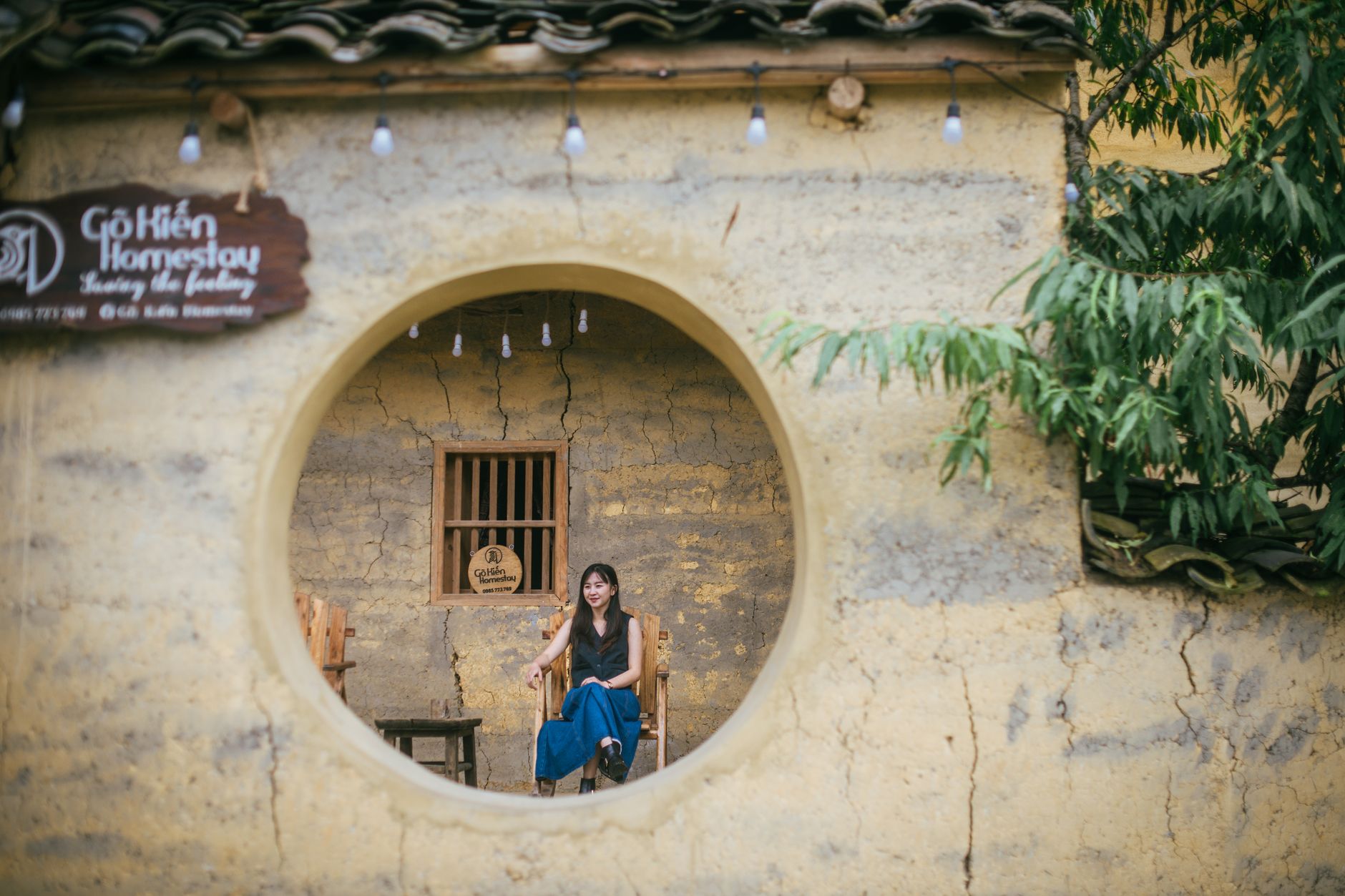
My Secret Passport to the Real World: Homestay Experiences That Changed My Perspective Before They Became Mainstream
Remember that feeling? The one where you’re scrolling through endless perfect-picture feeds, seeing the same five iconic landmarks, the same infinity pools, the same "authentic" market shots that feel anything but? I was there. A few years ago, after countless trips that felt more like checking boxes than experiencing life, I hit a wall. I yearned for something deeper, something real, something that didn't come with a pre-packaged itinerary and a selfie stick.
That's when I stumbled upon the nascent world of homestays. Before they graced glossy travel magazines, before bespoke agencies curated "local experiences" for a hefty price tag, and certainly before "Airbnb Experiences" became a buzzword, there was a quiet network of families opening their homes and hearts to curious wanderers. These weren't just budget accommodations; they were portals to understanding, connection, and a kind of travel that reshaped my very soul.
I wasn't looking for luxury. I was looking for truth. And in the humble kitchens, lively living rooms, and shared laughter of these unsung homes, I found it. These are the stories of five such transformative homestay experiences, hidden gems that changed my perspective long before the world caught on.
1. Sapa, Vietnam: Weaving Life into the Rice Terraces with the Hmong
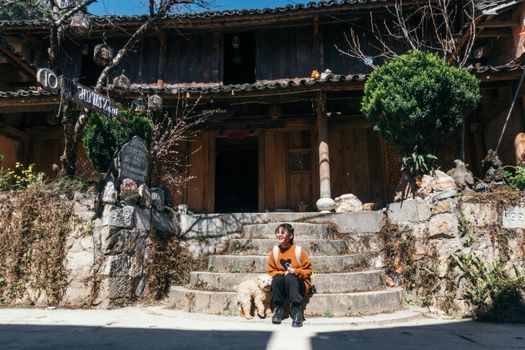
My first foray into truly immersive homestay travel took me to the misty, emerald rice terraces of Sapa, Vietnam. Back then, Sapa was already on the backpacker radar, but most visitors stayed in the main town. I, however, sought out a homestay in a remote Hmong village, Lao Chai, accessible only by a muddy, winding trek.
I arrived at Mama Su's home, a rustic wooden house perched on a hillside, overlooking an endless tapestry of rice paddies. Mama Su, a woman with a smile that could melt glaciers and hands calloused from a lifetime of farming, welcomed me with a cup of potent rice wine and a hearty meal of stir-fried greens and sticky rice. Her family, spanning three generations, quickly enveloped me.
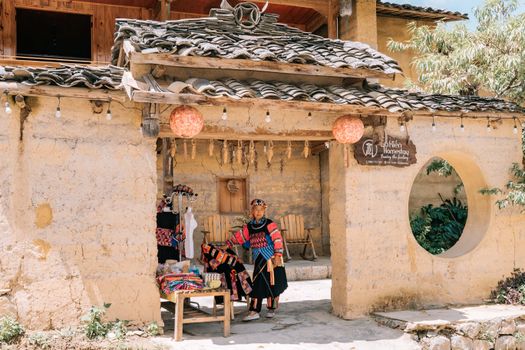
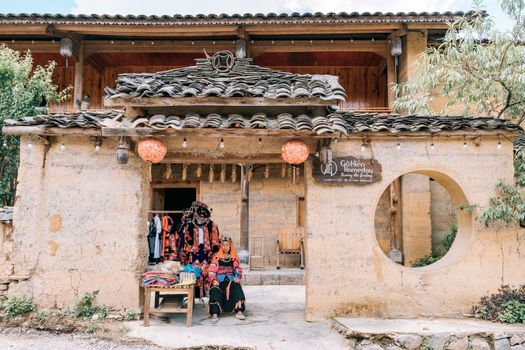
For five days, my routine was theirs. I rose with the roosters, helped harvest corn from their small plot, watched Mama Su meticulously embroider intricate Hmong patterns, and played with her grandchildren who taught me more Vietnamese than any language app ever could. There was no Wi-Fi, no hot showers (just a bucket and ladle!), and certainly no room service. What there was, however, was an abundance of genuine human connection.
I learned about the Hmong's deep reverence for the land, their resilience in the face of modernization, and the fierce pride they held for their traditions. One evening, as we sat around a crackling fire, sharing stories (mostly through gestures and broken English), Mama Su told me about her life, her hopes, and her fears for her children. It was a moment of pure, unadulterated humanity, stripping away all preconceived notions I had about "developing countries" or "ethnic minorities." I realized that despite our vastly different worlds, our fundamental desires for family, security, and happiness were identical.