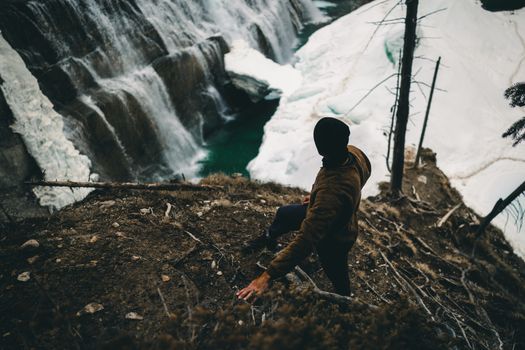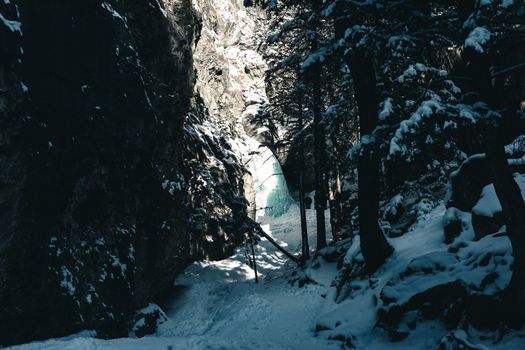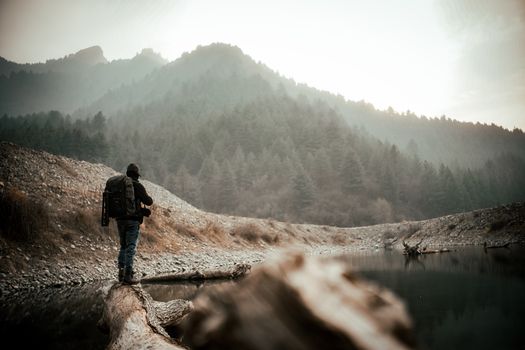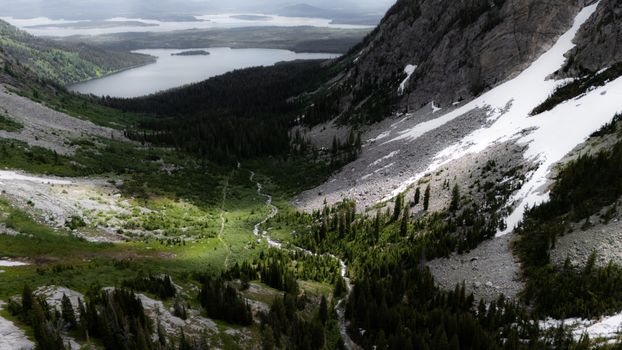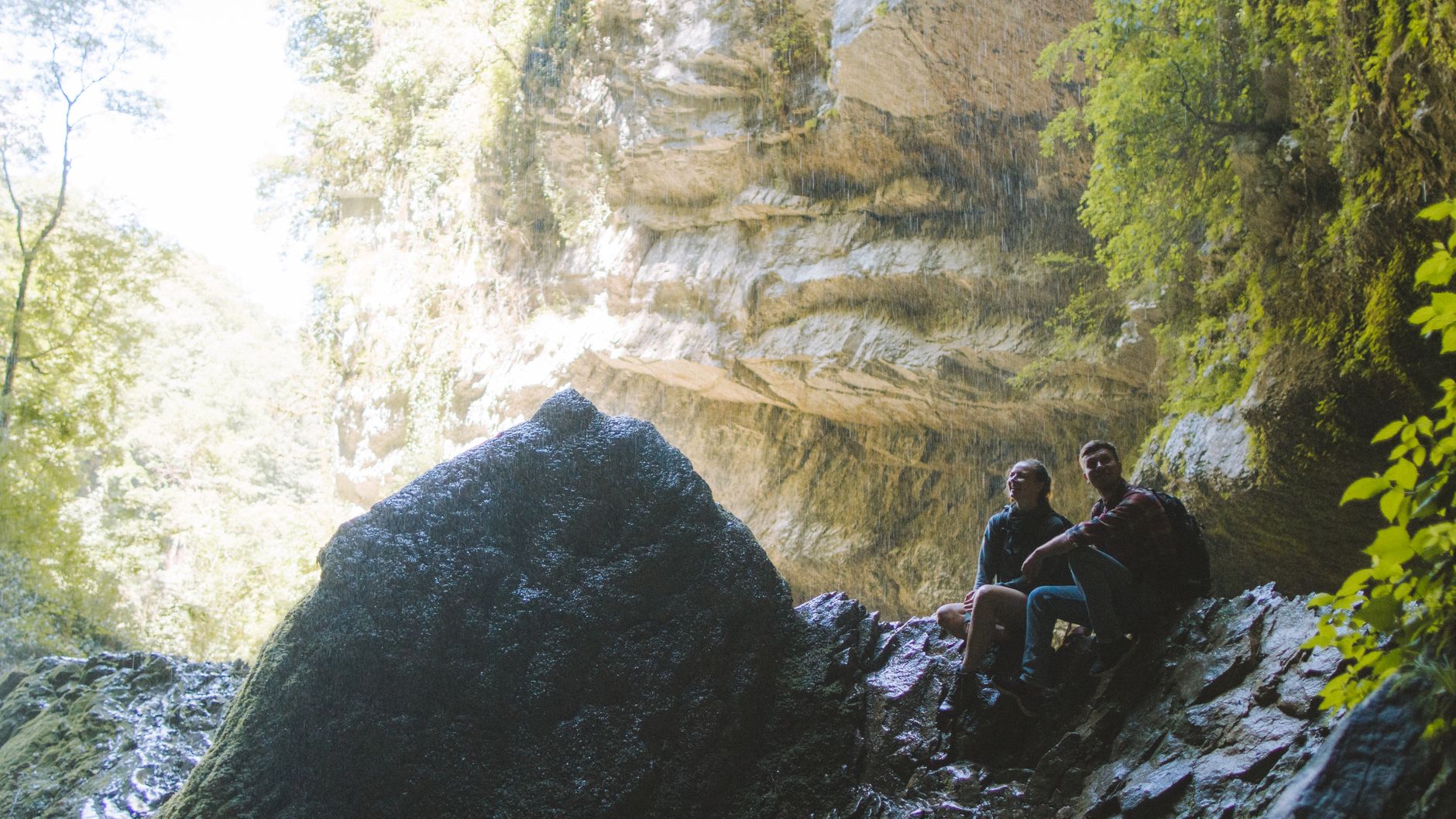
The air was thin, crisp with the scent of pine and damp earth. My boots crunched rhythmically on a path barely discernible, winding upward through a dense forest in a corner of the world few tourists ever bother with. For days, I’d been following whispers, vague directions from a grizzled shepherd, and the faint lines on a faded topographical map. My phone had no signal, and the last signpost I’d seen was hours ago. Most people would call this lost. I called it exhilarating.
Then, through a break in the canopy, I saw it. A cluster of stone houses clinging to the mountainside, smoke curling lazily from chimneys, a patchwork of ancient terraced fields, and the distant bleating of goats. No souvenir shops, no selfie sticks, no tour buses. Just life, unfolding as it had for centuries. A profound sense of privilege washed over me. I had found one of the world's truly hidden villages, a place locals genuinely, and understandably, prefer to keep to themselves.
This, my fellow adventurers, is the kind of travel that ignites the soul. It’s about more than just checking off a bucket list; it’s about discovery, respect, and experiencing the raw, unvarnished beauty of human culture and nature. If you're ready to trade paved roads for winding trails, curated experiences for authentic encounters, and bustling crowds for serene solitude, then lace up your boots. We’re going off-grid.
The Lure of the Unseen: Why Go Off-Grid?
In an age where every corner of the globe seems cataloged, geotagged, and instantly shareable, the concept of a truly "hidden" place feels almost mythical. Yet, they exist. These are not just remote locations; they are pockets of time, where traditions thrive, and life moves at a different rhythm. Why seek them out?
For me, it’s the pursuit of authenticity. There’s a profound difference between observing a culture from a distance and being momentarily absorbed into its fabric. In these hidden villages, you’re not a spectator; you're a temporary guest in a living, breathing community. You might share a meal cooked over an open fire, witness an ancient ritual, or simply sit in silence, listening to stories told in a language you don't fully understand but somehow deeply feel.
Escaping the tourist hordes is another powerful motivator. Imagine a waterfall where you are the only one, a mountain vista shared only with the eagles, or a village square where children play freely, unburdened by the constant click of cameras. This is not just peace; it’s a reset for the soul, a reminder of what truly matters beyond the relentless demands of modern life. It's also an opportunity for responsible travel, where your presence can genuinely support local economies without overwhelming fragile ecosystems or cultural norms.
Decoding the Whispers: How to Find These Trails
So, how does one unearth these elusive gems? It’s less about Google Maps and more about old-school detective work, intuition, and a healthy dose of serendipity.
- Talk to Locals (Respectfully): This is your most powerful tool. Once you’re in a general region you’re interested in, start conversations. Not with hotel concierges or tour operators, but with shopkeepers, farmers, bus drivers, or the old man sipping coffee at the corner café. Learn a few basic phrases in the local language – a simple "hello" and "thank you" goes a long way. Ask about local traditions, lesser-known paths, or places where their grandparents grew up. Frame your questions with genuine curiosity and respect, not as a demanding tourist. "Are there any beautiful walking paths around here that aren't well-known?" or "Where do people from your village go to truly relax?" can open doors. The key is building a connection, however brief, and showing you appreciate their culture, not just their "secrets."
- Consult Topographical Maps & Satellite Imagery: Forget Google Street View. Invest in detailed topographical maps (paper is best for remote areas). Look for faint lines, old bridle paths, or even animal trails that seem to connect to small clusters of buildings away from main roads. Cross-reference with satellite imagery to identify potential settlements. This requires a keen eye and a willingness to explore.
- Local Forums and Niche Hiking Groups: Sometimes, online communities dedicated to specific regions or extreme hiking will have discussions about less-traveled routes. These are usually not mainstream travel blogs but rather forums where experienced trekkers share tips (often in veiled language) or warnings. Look for discussions in the local language, which often yield more genuine insights.
- Embrace the "Wrong" Turn: Some of my best discoveries have come from getting slightly, intentionally, off course. If a path looks intriguing, and you have the time and preparedness, follow it. Sometimes, the most rewarding experiences are found when you deviate from the planned itinerary. Just ensure you have a way to reorient yourself.
- Travel Off-Season: When the crowds thin out, locals are often more relaxed and open to interaction. The weather might be less predictable, but the rewards of quiet trails and authentic encounters are immense.
Remember, the goal isn't to "exploit" these places but to experience them with humility and gratitude. If someone shares a secret, treat it as such.
The Journey is the Reward: Essential Hiking Prep
Reaching these hidden havens invariably involves a significant hike. These aren't strolls in the park; they often involve challenging terrain, unpredictable weather, and long hours. Preparation is paramount.
- Physical Fitness: Be realistic about your capabilities. Most hidden villages are hidden for a reason – they're hard to reach. Start training weeks or months in advance. Regular cardio, strength training, and practice hikes with a loaded pack will make a huge difference.
- Navigation Skills: GPS is great, but batteries die, and signals fade. Learn to read a map and compass. Understand elevation changes. Download offline maps (like Maps.me or Gaia GPS) before you go, but always carry a physical map and compass as backup.
- Proper Gear is Non-Negotiable:
- Sturdy Hiking Boots: Broken-in, waterproof, with good ankle support.
- Layered Clothing: Weather in mountains can change rapidly. Moisture-wicking base layers, insulating mid-layers, and a waterproof/windproof outer shell are essential.
- Backpack: Comfortable, appropriate size for your trip duration, with a rain cover.
- Water Filtration/Purification: A life straw, purification tablets, or a portable filter. You can't rely on finding potable water sources easily.
- First-Aid Kit: Comprehensive, including blister treatment, pain relievers, antiseptic wipes, any personal medications.
- Headlamp/Flashlight: With extra batteries, even if you plan to finish before dark.
- Emergency Shelter: A lightweight emergency bivvy or tarp.
- Food: High-energy snacks and meals for the duration of your hike, plus a little extra.
- Communication Device: A satellite messenger (like an InReach) is highly recommended for truly remote areas where cell service is non-existent.
- Leave No Trace Principles: This is crucial. Pack out everything you pack in. Stay on existing trails. Respect wildlife. Minimize campfire impacts. Be considerate of other visitors and local inhabitants. These places are pristine; let’s keep them that way.
- Consider a Local Guide (Ethically): For truly remote or culturally sensitive areas, hiring a local guide can be invaluable. They know the land, the language, and the customs. Ensure you hire directly from the local community (not through an agency that takes a huge cut) and pay a fair wage. This directly supports the community and ensures a more authentic experience.
Glimpses into the Unknown: My Top Secret Hikes (with a Twist)
I can’t give you exact GPS coordinates for these places – that would defeat the purpose and risk overwhelming them. But I can share the spirit of these journeys and give you a sense of what awaits, hinting at regions where such magic can still be found.
1. The Andean Cloud Forest Trek (South America):
Imagine ascending through swirling mist, the air thick with the scent of orchids and damp earth. My journey began in a small, bustling market town high in the Peruvian Andes, but quickly veered onto a path less trodden. For two days, I hiked through an otherworldly cloud forest, the silence broken only by exotic bird calls and the rustle of unseen creatures. The reward? A tiny village nestled on a verdant mountainside, accessible only by foot, where Quechua is still the primary language.
I stayed in a casa rural – a simple guesthouse run by an elderly couple whose hospitality was boundless. They shared papas a la huancaína (potatoes in a creamy, spicy cheese sauce) made with potatoes harvested from their own terraced fields, and told stories of their ancestors under a sky ablaze with stars. There was no electricity, only candlelight and the warmth of a crackling fire. It wasn't about the specific village name; it was about the feeling of stepping back in time, witnessing ancient traditions, and being welcomed into a community that lives in harmony with its breathtaking, challenging environment. The trail itself was tough – steep ascents, slippery descents – but every drop of sweat was worth the view of mist-shrouded peaks and the genuine smiles of the villagers. Budget: Expect to spend $20-40/day for basic accommodation and food in such villages.
2. The Dolomite Foothills Ramble (Europe):
Europe might seem too "discovered," but even here, pockets of untouched beauty remain. I once spent a week hiking through the lesser-known foothills of the Italian Dolomites, purposefully avoiding the popular via ferratas and crowded refugios. My aim was to find the malghe – traditional shepherd huts – that dotted the landscape, some still inhabited by families during the summer months.
One afternoon, after a strenuous climb through alpine meadows bursting with wildflowers, I stumbled upon a small cluster of ancient stone and timber dwellings, smoke rising from a chimney. A gruff but kind shepherd, speaking a thick Ladin dialect, offered me fresh goat's milk and a slice of homemade cheese. His family spent summers here, tending their flock, far from the modern world. The trail to reach them was unmarked, often just a sheep path, requiring careful navigation and a willingness to trust my instincts. It was a reminder that even in developed countries, true wilderness and traditional ways of life persist if you’re willing to seek them out. The views of the jagged Dolomite peaks from this vantage point, untainted by other tourists, were simply unparalleled. Budget: $30-60/day for simple lodging/food, or free if wild camping responsibly.
3. Southeast Asian Rice Paddy Paths (Asia):
Beyond the bustling beaches and temple complexes, the interior regions of Southeast Asia hold countless secrets. My journey began in a small town in northern Laos, where I hired a local guide (a young man from a nearby village) to lead me into the hills. For three days, we trekked through an emerald labyrinth of rice paddies, dense jungle, and across bamboo bridges spanning gushing rivers. The humidity was intense, and the path often muddy, but the reward was immense.
We arrived at a village built entirely of bamboo and thatch, perched precariously on a hillside overlooking a valley. The children, initially shy, soon approached with curious smiles. I was invited to share a simple meal of sticky rice and foraged greens with the village elder, who spoke no English but communicated volumes through his warm eyes and gestures. I watched women weave intricate patterns on traditional looms and men mend fishing nets. There was no WiFi, no running water, just the rhythm of village life. It was an experience of profound humility and connection, a stark contrast to the tourist-centric areas. The trail was arduous, requiring river crossings and steep climbs, but the genuine hospitality and untouched beauty were unforgettable. Budget: $15-30/day, especially if you contribute to the village for lodging/food.
Beyond the Postcard: Embracing Local Culture Responsibly
Finding these hidden villages is only half the adventure; interacting with them respectfully is the other, more important, half.
- Learn Basic Greetings and Phrases: A simple "hello," "thank you," and "please" in the local language can break down barriers and show you respect their culture.
- Ask Permission for Photos: Always, always ask before taking pictures of people, especially children. A smile and a gesture often suffice. Be prepared for them to say no, and respect their wishes.
- Support the Local Economy Directly: Buy handicrafts directly from the artisans, eat at local eateries, and stay in locally owned guesthouses. This ensures your money benefits the community, not external corporations.
- Dress Modestly: Especially in conservative cultures, dressing respectfully shows you understand and honor their customs.
- Understand and Respect Local Customs: Observe how locals interact. Are shoes removed before entering homes? Is there a specific way to greet elders? A little observation goes a long way.
- Be a Guest, Not a Spectator: Engage with people. Offer to help with a task (if appropriate), share a story, or simply listen. These interactions are the true treasures of travel.
- Minimize Your Impact: Leave no trace. Pack out all your trash. Use water and resources sparingly. Understand that these communities often have limited infrastructure.
The Unwritten Rule: Keeping Secrets Sacred
Here's the paradox: I'm writing about hidden villages, yet advocating for keeping them hidden. This isn't about hoarding information; it's about responsible stewardship. The magic of these places lies in their untouched nature, their authenticity. Mass tourism can quickly erode that.
When you discover such a place, consider the implications of broadcasting its exact location. Instead of geotagging on Instagram, share the feeling, the spirit of your discovery. Encourage others to embark on their own journeys of respectful exploration, to seek out their own hidden gems. The true reward isn't in showing off your find, but in the profound personal experience it offers.
These villages are not tourist attractions; they are homes, communities, and living cultures. Their peace, their traditions, and their pristine environments are fragile. Our role as travelers should be to experience them with minimal disruption and maximum respect.
Are You Ready to Truly Explore?
The world is still full of wonders waiting to be discovered, not by checking a box on a list, but by stepping off the well-trodden path. Hiking to a hidden village is more than just a physical journey; it's a journey into the heart of authentic culture, a challenge to your comfort zone, and a profound lesson in humility and respect.
It won't be easy. You might get tired, muddy, or even a little lost. But when you finally crest that ridge and see a village that time seems to have forgotten, when you share a genuine smile with someone who lives a world away from your own, you’ll understand. You'll understand why some secrets are worth keeping, and why the greatest adventures are the ones you discover for yourself.
Are you ready to truly explore? Share your own secret discoveries (or the spirit of them!) below, or start planning your own journey off the beaten path. Let's inspire a new generation of conscious, curious travelers.
---