The First Step: Why Slow Foot Travel is Taking Over
I stepped off the local train at Kii-Katsuura station, the humid Japanese coastal breeze carrying a faint scent of pine resin and ocean brine. My knees were slightly stiff from the transit, but as I laced up my beaten-leather boots and shoulders took the light load of a daypack, an unmistakable feeling washed over me: freedom.
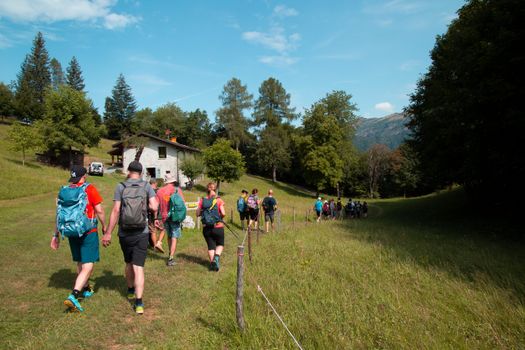
There is a distinct magic to moving across a region at three miles an hour. You notice the shift in soil color, hear the specific pitch of wind rushing through high-altitude bamboo, and earn every single evening meal.
Over-tourism has clogged major cities, but the world's ancient walking trails remain remarkably pristine. Right now, walking holidays are experiencing a massive renaissance. Travelers are trading rushed multi-city flight itineraries for linear, boot-on-dirt pilgrimages through landscapes steeped in myth and wild geography.
Whether you want self-guided inn-to-inn logistics with luggage transfers or rugged wilderness treks, these five legendary landscapes deliver the ultimate walking holidays right now.
---
1. The Kumano Kodo, Japan: Walking the Sacred Trail of Emperors
```
Distance: 70 km (Nakahechi Route) | Duration: 4–5 Days | Difficulty: Moderate to Strenuous
```
Deep in the mountainous Kii Peninsula south of Osaka, the Kumano Kodo is one of only two UNESCO World Heritage-listed pilgrimage routes on Earth (the other being the Camino de Santiago). For over a thousand years, everyone from retired Japanese emperors to ascetic monks has walked these mossy cobbles to pay homage to the kami (nature spirits) housed within the Three Grand Shrines of Kumano.
The Landscape Experience
The Nakahechi route winds through towering forests of hinoki (Japanese cypress) and Japanese cedar. The air stays cool beneath the dense canopy, broken only by sunlight filtering through fog to illuminate ancient stone statues of Jizo, the guardian deity of travelers. Walking here feels less like exercise and more like stepping straight into a traditional ink-wash painting.
Authentic Local Flavors
Replenish your calorie burn each evening at local ryokans (traditional inns). You will be served multi-course kaiseki dinners featuring wild boar hotpot (botan nabe), salted river trout grilled over charcoal, and mountain vegetables (sansai) harvested from the trail edge that morning.
> Pro-Tip: Skip the crowded afternoon entry to the grand shrine of Kumano Nachi Taisha. Stay overnight in the hot spring village of Yunomine Onsen. Wake up early, walk the final leg down through the Daimon-zaka stone staircase at 6:30 AM, and you will have the view of the iconic three-story pagoda framed against Japan’s tallest waterfall entirely to yourself.
---
2. The Fishermen’s Trail, Portugal: Wild Atlantic Ocean Cliffs
```
Distance: 75–120 km | Duration: 4–6 Days | Difficulty: Moderate
```
If your ideal walking holiday involves ocean spray, towering granite cliffs, and untamed coastlines, Portugal’s Fishermen’s Trail (Trilho dos Pescadores) along the Rota Vicentina is the undisputed reigning king.
The Landscape Experience
Running along the southwestern coast of Portugal through the Natural Park of the Sudoeste Alentejano and Costa Vicentina, this route follows the exact paths local fishermen have trodden for centuries to reach coastal fishing spots. Expect dramatic red sand dunes meeting black schist cliffs, hidden coves crashing with Atlantic swells, and sweeping coastal plateaus carpeted in wild succulents.
Unlike northern European coastal walks, the Fishermen’s Trail remains relatively quiet, especially outside July and August. You will often spend hours walking without seeing another soul, accompanied only by the cry of yellow-legged gulls and the thunderous roar of waves down below.
Unique Wildlife Sightings
This is the only place in the world where white storks build their nests on sheer sea stacks jutting straight out of the crashing Atlantic ocean. Bring lightweight binoculars—the nesting activity peaks between April and June.
> Pro-Tip: Ocean walking means sand in your boots. Pack lightweight gaiters to keep fine pink sand from turning your socks into sandpaper between Porto Covo and Vila Nova de Milfontes. Stop at Taverna do Pescador in Vila do Bispo for fresh barnacles (percebes) and a cold glass of Vinho Verde.
---
3. The Julian Alps, Slovenia: Emerald Rivers and Limestone Peaks
```
Distance: 80 km (Soča Valley to Lake Bohinj section) | Duration: 5 Days | Difficulty: Moderate to High
```
While the Swiss and French Alps see heavy crowds and high hotel prices, Slovenia’s Julian Alps deliver equal alpine dramatic views with a relaxed, authentic feel.
The Landscape Experience
This section of the cross-border Alpe-Adria Trail takes you through Triglav National Park. The landscape is defined by sheer limestone walls soaring above deep glacial valleys filled with water so vividly turquoise it almost looks artificial.
You’ll start along the Soča River, crossing wooden suspension bridges suspended over deep gorges, before ascending through alpine pastures dotted with traditional wooden dairy huts (planinas). The air smells crisp, heavily scented with wild thyme, pine needle litter, and alpine breeze.
Mountain Hut Culture
Slovenia’s network of mountain huts (koča) offers an unbeatable hiking atmosphere. Rather than luxury, think warm, wood-paneled hospitality, draft Union beer, and steaming bowls of jota (a hearty soup made of sour turnip, beans, and smoked pork sausage) enjoyed on outdoor sun decks looking out across jagged gray peaks.
> Pro-Tip: Book your mountain hut beds at least three months ahead if traveling in July or August. If you want pristine weather and empty trails, book the first two weeks of September—the autumn larch trees turn brilliant yellow against the grey limestone cliffs.
---
4. The Dingle Way, Ireland: Windswept Atlantic Peninsula Walking
```
Distance: 179 km (Full loop) | Duration: 8–9 Days | Difficulty: Moderate
```
Located in County Kerry in Ireland’s far southwest, The Dingle Way (An Slí Chorca Dhuibhne) loops around the rugged peninsula that National Geographic once called "the most beautiful place on Earth."
The Landscape Experience
The trail winds through a breathtaking landscape of green fields framed by ancient drystone walls, dramatic sea cliffs dropping into dark waves, and prehistoric archaeology. You will pass early Christian beehive huts (clocháns), Ogham stones carved with early Irish script, and deserted golden beaches like Inch Strand.
The highlight of the route is the foot passage around Slea Head, where the land narrows and the Blasket Islands loom like sleeping giants out in the foam of the Atlantic.
The Pub Culture Advantage
Walking holidays in Ireland are as much about the evenings as the days. Your daily trek ends not in an isolated mountain shelter, but in vibrant Gaelic-speaking villages like Dunquin, Ballyferriter, and Dingle Town.
After 15 miles on the trail, drop your daypack by the open turf fire at Dick Mack’s or Foxy John’s in Dingle town, order a creamy pint of stout, and listen to local musicians play traditional fiddle and tin whistle tunes late into the evening.
> Pro-Tip: Rain is not a risk in Western Ireland; it is an absolute certainty. Invest in professional-grade Gore-Tex outerwear (3-layer packable shell) and waterproof boots. Avoid cotton socks at all costs—wool merino socks are mandatory.
---
5. The West Highland Way, Scotland: Through the Ancient Heart of the Highlands
```
Distance: 154 km (Milngavie to Fort William) | Duration: 6–7 Days | Difficulty: Moderate
```
Scotland’s premier long-distance walking trail, the West Highland Way, cuts a spectacular north-south line right through the Highland Boundary Fault.
The Landscape Experience
Starting just outside Glasgow in Milngavie, the trail leaves urban life behind within minutes. You’ll trace the low-land wooded shores of Loch Lomond, cross the lonely moorland expanse of Rannoch Moor, skirt beneath the terrifying shadow of Buachaille Etive Mòr in Glencoe, and conquer the notorious Devil's Staircase before finishing under the gaze of Ben Nevis in Fort William.
The landscape changes dramatically every single day: from lush lowland oak woodlands to stark, heather-covered open moorlands and dramatic glacial glens.
Highland Hospitality
Rest your tired feet in cozy historic roadside inns that have sheltered travelers since the Jacobite risings. Treat yourself to a hot bowl of cullen skink (a rich smoked haddock, potato, and onion soup) paired with a single malt Scotch whisky from the local distilleries you pass along the trail.
> Pro-Tip: Midges (tiny biting flies) can ruin a Scottish walking holiday between late June and August. The best window for this walk is May to early June: the daylight hours are exceptionally long, flowers are blooming, the midges haven't hatched yet, and the high peaks still carry dramatic dusting patches of winter snow.
---
Legendary Landscapes: Quick Facts & Trip Planning Matrix
| Landscape & Trail | Best Time to Visit | Total Est. Budget (Per Day/Person)* | Terrain Type | Highlights |
| :--- | :--- | :--- | :--- | :--- |
| Kumano Kodo (Japan) | Oct – Nov / Apr – May | $120 – $180 (Includes Ryokan & meals) | Forest cobbles, steep timber steps | Onsen hot springs, mountain shrines, cedar forests |
| Fishermen’s Trail (Portugal) | Sept – Nov / Mar – May | $65 – $110 | Sandy tracks, coastal cliff paths | Wild sea stacks, nesting storks, fresh seafood |
| Julian Alps (Slovenia) | July – September | $70 – $120 | Alpine dirt singletrack, rocky passes | Emerald Soča river, mountain huts, limestone peaks |
| The Dingle Way (Ireland) | May – September | $90 – $150 | Green lanes, sandy beaches, coastal roads | Gaelic culture, cliff edges, historic cozy pubs |
| West Highland Way (Scotland)| May – June / Sept | $85 – $140 | Old military roads, moorland dirt paths | Glencoe valley, Rannoch Moor expanse, Highland whisky |
\*Estimates include mid-range guesthouse/inn accommodation, food, local transport, and luggage transfers where available.
---
Essential Packing Rules for Multi-Day Walking Holidays
Writing about world-class trails is easy; walking them comfortable requires smart preparation. Through tens of thousands of trail miles, these non-negotiable rules will save your feet and sanity:
1. Master the 3-Layer System
* Base Layer: Merino wool short/long-sleeve shirt. Wool stays warm even when wet and naturally resists odor for days.
* Mid Layer: Breathable grid-fleece jacket or ultralight down sweater.
* Outer Layer: Fully seam-sealed, breathable waterproof hard-shell jacket (min 20,000mm hydrostatic head rating).
2. Take Advantage of Luggage Transfers
You do not need to carry a heavy 50-pound expedition pack to complete these trails. Local operators along every route listed above will pick up your main luggage from your inn at 9:00 AM and drop it at your next destination by 4:00 PM. All you carry on the trail is a lightweight 20-30L daypack containing water, trail snacks, a rain jacket, a camera, and a basic first-aid kit.
3. Protect Your Feet Early
Do not wait for a blister to form before acting. Pack a roll of Leukotape K or synthetic moleskin. At the very first sign of friction or a hot spot on your heel or toes, stop immediately, dry the area, and apply tape. Your trail happiness depends entirely on preventive foot care.
---
Final Thoughts: The Trail is Waiting
In our modern, high-speed digital world, there is no greater luxury than disconnecting from screens and aligning your day with the rising sun, the contours of the earth, and the simple goal of reaching the next village on foot.
These legendary walking holidays offer far more than just brilliant photo opportunities—they provide clarity, physical challenge, deep connection to local cultures, and memories that last long after the mud has been brushed off your boots.
Pick your landscape, lace up your boots, and take that first step.
---