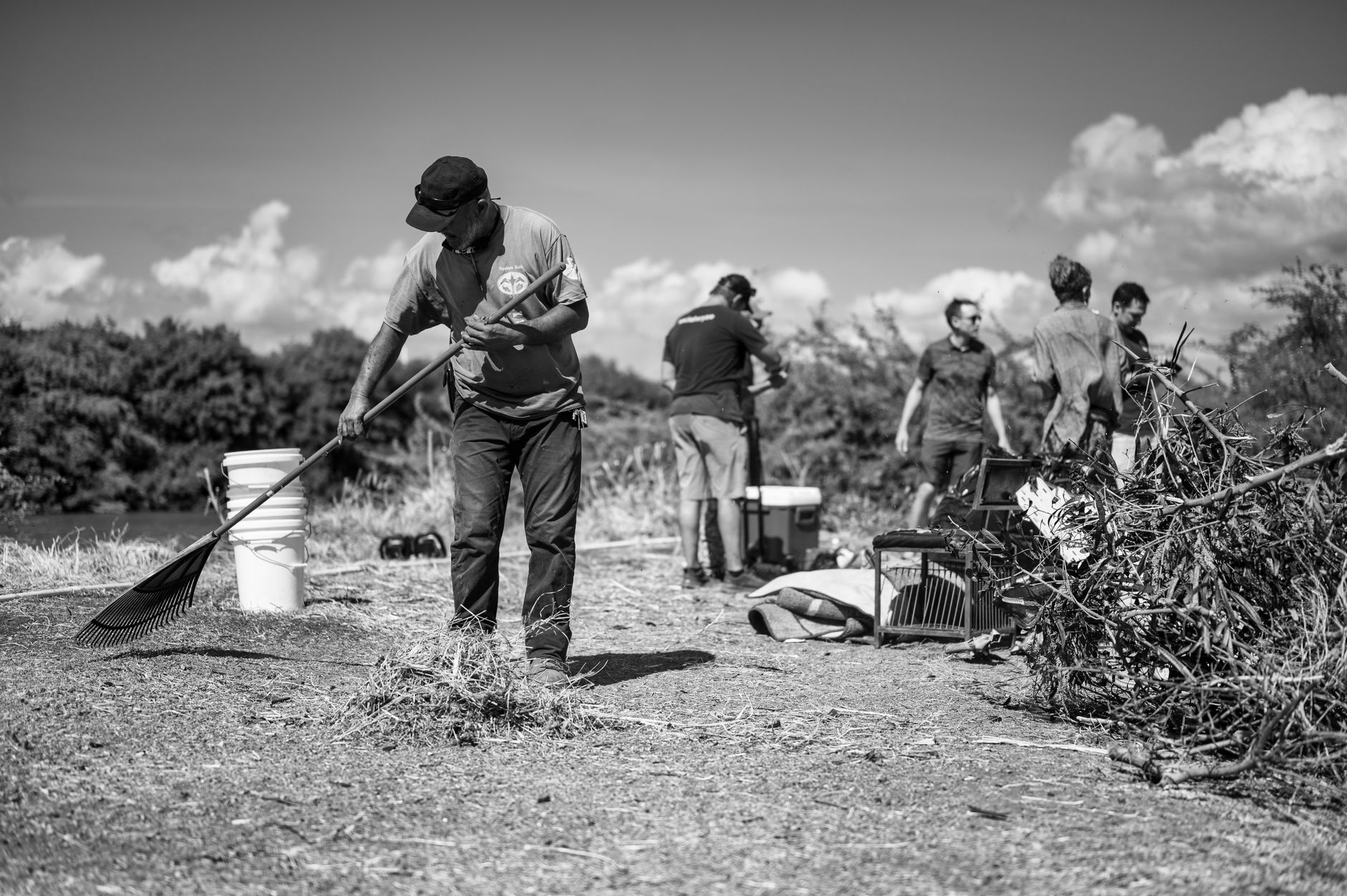
My hands, the scent of Roman mortar, and a whisper of centuries past.
I stepped off the dusty bus, the air thick with the sweet, earthy aroma of sun-baked clay and something else… something ancient. It was the smell of history, of lives lived and stories whispered through crumbling walls. The distant clang of a hammer, the murmur of a language I was just beginning to understand, and the sheer, overwhelming presence of the past settled around me like a warm cloak. This wasn't just a trip; it was an immersion. And for those of you, like me, who crave travel that matters, who yearn to connect with the soul of a place rather than just skim its surface, January 2026 is calling. It’s time to roll up your sleeves and become part of history.
The Call to Arms (and Trowels!): Why Volunteer for Heritage Restoration?
Let's be honest, the typical January getaway often involves mild beaches and lukewarm cocktails. But for the truly adventurous, the ones who believe travel should be transformative, there’s a richer, more rewarding path. Volunteering for heritage restoration isn't just about filling a gap in your itinerary; it's about tangible contribution. You’re not just a spectator; you’re a participant in safeguarding the tangible legacy of human civilization. You’ll learn skills you never knew you needed, forge connections with locals and fellow volunteers that transcend language barriers, and return home with stories that resonate far deeper than any souvenir.
Unearthing January's Hidden Gems: Top Heritage Restoration Projects
The world is dotted with incredible sites crying out for a helping hand. While many projects have year-round opportunities, January offers a sweet spot – often fewer crowds, cooler (and more comfortable!) working conditions in many regions, and a chance to be among the first wave of volunteers to tackle new phases of preservation. Here are a few of the most compelling opportunities I’ve scouted for January 2026:
1. The Roman Villa Revival in Andalusia, Spain
Imagine waking up to the scent of orange blossoms and the distant bleating of sheep, then heading out to meticulously clear mosaics, stabilize ancient walls, or excavate potential new Roman artifacts. This ongoing project near Ronda, a town perched dramatically on a clifftop, focuses on a sprawling Roman villa complex. The work is hands-on, often involving delicate archaeological excavation and the careful consolidation of exposed structures.
The Vibe:
Rustic, authentic, and deeply rewarding. You’ll be working alongside experienced archaeologists and passionate locals who are fiercely proud of their heritage. Evenings are for shared meals, learning Spanish phrases, and stargazing under incredibly clear skies.
Pro-Tip:
The best light for photography and excavation is usually early morning. Aim to be on-site by 8 AM to beat the midday sun and capture those golden rays illuminating the ancient stones.
Quick Facts:
- Estimated Cost: $600 - $1000/month (includes accommodation, basic meals, and project supervision)
- Best Time to Visit: January offers pleasant working temperatures (average highs around 15°C/59°F).
- How to Get There: Fly into Malaga Airport (AGP) and take a bus or train to Ronda, followed by a short taxi or pre-arranged transfer to the project site.
2. Medieval Monastery Restoration in the Scottish Highlands
For those who dream of windswept landscapes and the echoes of ancient monks, this project offers a chance to contribute to the preservation of a remote medieval monastery in the rugged Scottish Highlands. Tasks can include dry stone walling, clearing overgrown pathways, assisting with structural surveys, and even helping to maintain the surrounding historical grounds. The sheer isolation and raw beauty of the location are part of the appeal.
The Vibe:
Rugged, resilient, and incredibly atmospheric. Think roaring fires in the evening, hearty Scottish fare, and the thrill of discovering hidden historical details. You’ll be working with a dedicated team of conservationists and fellow volunteers who share a passion for preserving Scotland’s rich past.
Insider Lingo:
Don’t be surprised if you hear terms like "gait" (a narrow lane) or "bothy" (a basic mountain shelter). Embrace the local dialect!
Pro-Tip:
Pack layers. January in the Highlands can be bracing. Waterproofs are essential, and sturdy, broken-in hiking boots are your best friend. Visit the local pub in the nearest village for the best dram of whisky and local gossip.
Quick Facts:
- Estimated Cost: $700 - $1200/month (includes accommodation, some meals, and project materials)
- Best Time to Visit: January offers dramatic, moody landscapes. Be prepared for cold, but potentially fewer midges than in summer! Average highs around 7°C/45°F.
- How to Get There: Fly into Edinburgh (EDI) or Glasgow (GLA), then take a train or hire car north towards the Highlands. Specific transport details will be provided by the project organizers.
3. Ancient Silk Road Fortification in Kyrgyzstan
This is for the truly intrepid. Imagine the vast, stark beauty of Central Asia, the silence broken only by the wind, and the monumental task of preserving a section of an ancient Silk Road fortification. Volunteers will be involved in clearing debris, stabilizing stone structures, and potentially assisting with basic surveying. This project is physically demanding but offers an unparalleled sense of accomplishment and a deep dive into a region steeped in history and nomadic culture.
The Vibe:
Epic, challenging, and profoundly humbling. You'll experience the legendary Kyrgyz hospitality, sleep under a canopy of stars, and gain a unique perspective on the ancient trade routes that shaped the world. Expect simple but comfortable accommodation and communal living.
Pro-Tip:
Learn a few basic Kyrgyz phrases. "Salamatsyzby" (hello) and "Rahmat" (thank you) go a long way and will be met with genuine warmth. Bring a good quality headlamp – power can be intermittent, and evenings are dark and magnificent.
Quick Facts:
- Estimated Cost: $500 - $900/month (includes basic accommodation, meals, and project support)
- Best Time to Visit: January is cold but offers stunning snow-covered landscapes and minimal tourist traffic. Average highs around -5°C/23°F.
- How to Get There: Fly into Manas International Airport (FRU) near Bishkek. Further arrangements for transport to the remote site will be coordinated by the project.
4. Colonial Era Building Restoration in Oaxaca, Mexico
Oaxaca is a feast for the senses, and this project offers a chance to contribute to the preservation of its vibrant colonial architecture. Volunteers might assist with plaster restoration, painting, carpentry, or even help document historical features of a significant building. The work is often intricate and requires a careful touch, providing a different kind of hands-on experience.
The Vibe:
Culturally rich, visually stunning, and deliciously flavorful. You'll be immersed in the vibrant colours, sounds, and tastes of Oaxaca. Evenings can be spent exploring the city’s markets, sampling mole, and enjoying local music.
Insider Lingo:
You might be asked to help with "enjarre" (plastering) or "repintado" (repainting). Pay attention to the traditional techniques being used.
Pro-Tip:
Visit the local markets early in the morning for the freshest produce and the most authentic atmosphere. Don't be afraid to try street food – it’s some of the best! The local spices, like chile pasilla and hierba santa, create an aroma that’s uniquely Oaxacan.
Quick Facts:
- Estimated Cost: $650 - $1100/month (includes accommodation, some meals, and project materials)
- Best Time to Visit: January offers ideal weather – sunny days and mild evenings. Average highs around 25°C/77°F.
- How to Get There: Fly into Xoxocotlán International Airport (OAX) in Oaxaca City. The project site is usually accessible via local transport or a short taxi ride.
5. Ancient Temple Garden Revitalization in Kyoto, Japan
For a more serene yet equally impactful experience, consider a project focused on revitalizing the ancient gardens of a historic temple in Kyoto. While not strictly "building" restoration, the careful pruning of ancient trees, the meticulous raking of gravel gardens, and the restoration of traditional water features are vital to preserving the cultural and spiritual integrity of these sacred spaces.
The Vibe:
Tranquil, mindful, and aesthetically profound. You'll learn about Japanese garden design principles, experience the meditative practice of gardening, and contribute to spaces of immense beauty and historical significance.
Pro-Tip:
Observe the local gardeners closely; their movements are precise and steeped in tradition. Morning mist in a Japanese garden is magical – try to be there for the quiet opening. The subtle scent of damp moss and pine needles is an integral part of the experience.
Quick Facts:
- Estimated Cost: $800 - $1400/month (can be higher due to Japanese living costs; often includes accommodation and some meals)
- Best Time to Visit: January offers crisp, clear air and fewer crowds than peak seasons. Average highs around 8°C/46°F.
- How to Get There: Fly into Kansai International Airport (KIX) and take a train to Kyoto. Public transport within Kyoto is excellent.
Beyond the Trowel: What to Expect from Your Volunteer Experience
Accommodation:
This varies wildly. Expect anything from shared dormitories and homestays with local families to more basic campsite-style arrangements. The key is simplicity and a focus on the work.
Food:
Often communal. You’ll likely share meals prepared by local cooks or fellow volunteers. It’s a fantastic way to experience authentic cuisine and bond with your team. Be prepared for hearty, simple fare.
Work:
Typically 4-6 hours a day, 5-6 days a week. Days can be physically demanding, involving digging, lifting, and working in various weather conditions. Your contribution is real and valued.
Skills You’ll Gain:
You might become proficient in dry stone walling, learn basic archaeological techniques, master the art of plaster repair, or develop a keen eye for historical detail. More importantly, you’ll gain resilience, adaptability, and problem-solving skills.
Cultural Immersion:
This is where the magic truly happens. You’ll live and work alongside locals, learn their customs, taste their food, and perhaps even pick up a few phrases of their language. It’s an unparalleled way to understand a culture from the inside out.
Making it Happen: Your January 2026 Volunteer Checklist
- Research Thoroughly: Don't just pick the prettiest pictures. Read reviews, understand the project’s goals, and check the specific dates and duration.
- Check Visa Requirements: This is crucial. Ensure you have the correct visa for your chosen destination and the duration of your stay.
- Book Flights Early: January is a popular travel month. Secure your flights as soon as you commit to a project.
- Pack Smart: Layers are key. Sturdy work boots, comfortable work clothes (that you don't mind getting dirty), a good waterproof jacket, sun protection (even in winter!), and a basic first-aid kit are essential.
- Get Travel Insurance: Non-negotiable. Ensure it covers medical emergencies and any specific activities involved in your volunteer work.
- Learn a Few Phrases: A little effort in the local language goes a long way.
- Manage Expectations: This is not a luxury holiday. It's hard work, but the rewards are immeasurable. Embrace the simplicity and the authenticity.
The Unseen Souvenir: Why This Trip Changes You
You’ll return not just with photographs, but with a deeper understanding of the world. You’ll have stories etched into your memory, not just from the sites you helped preserve, but from the people you met and the challenges you overcame. You’ll have felt the weight of history in your hands and the warmth of human connection in your heart. This isn’t just travel; it’s transformation. So, is January 2026 calling you to build, to preserve, to connect? I know it’s calling me.
---