The Resonance of Ages: My First Encounter with Temple Sound
I stepped off the rickety bus, the air thick with the scent of jasmine and something deeper, something earthy and ancient. Before me loomed the colossal stone entrance of the Brihadeeswarar Temple in Thanjavur, India. The midday sun beat down, but as I walked through the towering gateway, a hush fell. It wasn't just the absence of street noise; it was a palpable shift, a stillness that seemed to hum. I’d come seeking answers about sound healing in ancient temples, armed with whispers of forgotten practices and a healthy dose of skepticism. What I found was a symphony of stone, spirit, and science that I’m still unpacking.
This wasn't about popping in earplugs and listening to a meditation app. This was about being immersed in a space deliberately designed to resonate, to amplify, to heal. And recent archaeological and acoustical studies are finally catching up, peeling back layers of history to reveal the profound sonic intelligence woven into the fabric of these sacred sites.
Echoes of the Divine: The Science Behind Ancient Sonic Architecture
For centuries, civilizations across the globe understood something we're only now rediscovering: the power of sound to influence the human mind, body, and spirit. They didn't just build temples; they engineered them as sonic instruments.
Sacred Geometry and Resonant Frequencies
The precise dimensions, the curvature of the domes, the spacing of the pillars – these weren't arbitrary. Archaeologists and acousticians are finding that ancient temple builders meticulously incorporated principles of sacred geometry. These geometric ratios, when applied to architectural design, create specific resonant frequencies.
- The 'Hum' of the Universe: Many ancient temples were designed to resonate at frequencies associated with natural phenomena, like the Earth's Schumann resonance (around 7.83 Hz). This deep, grounding frequency is believed to promote feelings of calm, balance, and well-being.
- Amplification Chambers: Certain chambers within temples were constructed to amplify specific vocalizations – be it chanting, mantras, or even the spoken word. The reverberation times in some of these spaces can be astonishingly long, allowing sounds to linger and permeate the environment.
- Mathematical Harmony: Recent data analysis of temple layouts, particularly in sites like the Karnak Temple Complex in Egypt and Buddhist monasteries in Tibet, suggests a sophisticated understanding of acoustics and the mathematical relationships that govern harmonious sound.
Pro-Tip:
Look for circular or domed structures within temple complexes. These are often designed to create unique acoustic properties.
The Role of Materials
The materials used in temple construction were not chosen by chance. The type of stone, the density, and even the way it was carved all played a crucial role in how sound traveled and interacted within the space.
- Stone's Sonic Signature: Different stones have different acoustic properties. Limestone, sandstone, and granite all absorb and reflect sound in unique ways. Builders would have known how to harness these properties to create specific sonic effects.
- The Power of Water Features: Many temples incorporated water features – ponds, channels, or even fountains. The gentle sound of flowing water, combined with the resonant acoustics of the stone, would have created a deeply soothing and meditative atmosphere.
Rituals of Resonance: How Sound Was Used for Healing and Transformation
Sound healing wasn't a fringe practice; it was often at the core of religious and spiritual ceremonies. The intention behind the sound was as important as the sound itself.
Chanting, Mantras, and Their Vibrational Impact
The repetitive vocalizations of chants and mantras were not just for spiritual devotion; they were scientifically employed tools for altering consciousness and promoting healing.
- Brainwave Entrainment: The rhythmic repetition of mantras is believed to entrain brainwaves, guiding the listener from a state of heightened alertness to one of deep relaxation or focused meditation. This is similar to how modern binaural beats work.
- Sanskrit's Sonic Power: Ancient Indian traditions, in particular, placed immense importance on the sonic power of Sanskrit. The specific pronunciations and vibrations of certain syllables were believed to have direct physiological and energetic effects.
- Global Echoes: From the Gregorian chants of European cathedrals to the sonic rituals of indigenous cultures, the use of vocal sound for spiritual and healing purposes is a near-universal human practice.
Pro-Tip:
If you have the opportunity to participate in a guided chant or mantra session within a temple, embrace it fully. Feel the vibrations in your chest and listen to how the sound interacts with the architecture.
Percussion and Sacred Instruments
Beyond vocals, ancient temples were filled with the sounds of sacred instruments. These were not merely for musical accompaniment but were integral to the ritualistic and therapeutic experience.
- The Drumbeat of Life: Drums, with their primal rhythms, were used to connect participants to the pulse of the universe and to induce trance-like states.
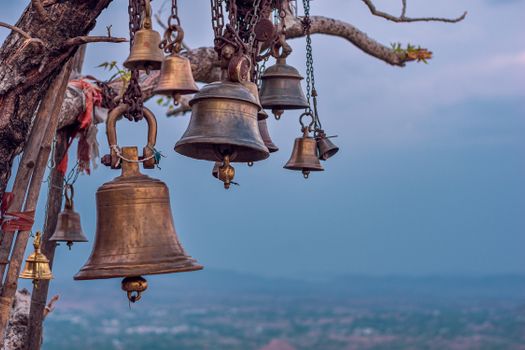
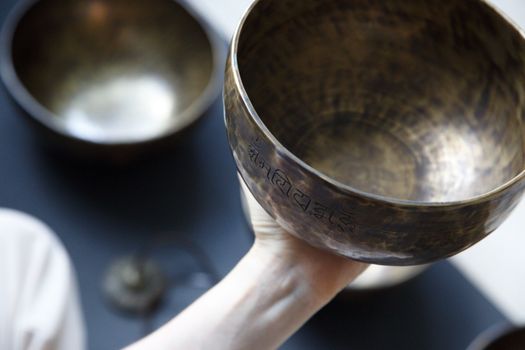
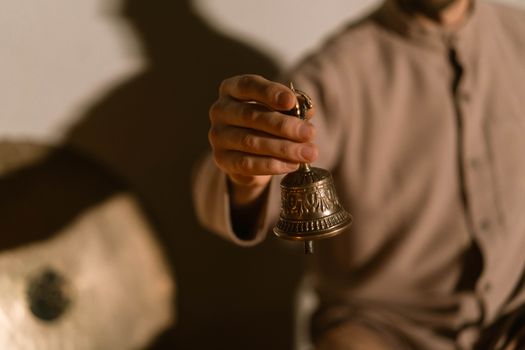
- The Ethereal Tones of Bells and Gongs: The clear, sustained tones of bells and gongs were used to clear energetic blockages, focus the mind, and create a sense of spaciousness. The lingering resonance of a large temple bell can be incredibly profound.
- The Hypnotic Flute: Wind instruments, like flutes, were often used to create melodic journeys that could transport the listener to altered states of consciousness.
Modern Discoveries: Validating Ancient Wisdom
It's not just folklore anymore. Contemporary scientific research is beginning to validate the profound understanding of sound and its healing properties that our ancestors possessed.
Acoustic Archaeology: Listening to the Past
A new field, acoustic archaeology, is using modern technology to recreate and study the soundscapes of ancient sites. Researchers are employing:
- 3D Sound Modeling: Creating virtual reconstructions of ancient spaces to simulate how sound would have behaved.
- Impulse Response Measurements: Analyzing how sound travels and reflects within existing ruins to understand their original acoustic properties.
- Archaeological Sonification: Translating archaeological data into sound, offering new ways to interpret historical sites.
Recent Data Highlight:
Studies on the acoustics of the Great Pyramid of Giza have revealed that specific chambers possess unusual resonant frequencies that could have been intentionally amplified. Similarly, research on ancient Greek theaters has shown how their design facilitated excellent sound projection for audiences of thousands.
The Neuroscience of Sacred Sound
Neuroscience is also shedding light on why these ancient sonic practices are so effective.
- Altering Brainwave Patterns: As mentioned, chanting and rhythmic sounds can directly influence brainwave activity, promoting relaxation, focus, and even altered states of consciousness.
- The Vagus Nerve and Resonance: The vibrations from deep chanting and low-frequency sounds are believed to stimulate the vagus nerve, which plays a crucial role in the body's relaxation response and overall well-being.
- Emotional and Psychological Impact: The combination of directed sound, intention, and the sacred atmosphere of a temple can have a powerful impact on emotional regulation and psychological healing.
Experiencing Temple Sound Today: Your Spiritual Sonic Journey
The good news is, you don't need a time machine to experience the power of sound healing in ancient temples. Many of these sacred sites are still active places of worship and pilgrimage, offering opportunities for profound personal experiences.
Choosing Your Temple Sanctuary
The world is brimming with temples designed for sonic resonance. Here are a few examples that are particularly renowned:
- India: Brihadeeswarar Temple (Thanjavur) for its immense scale and resonant chambers; Khajuraho temples for their intricate carvings and potential acoustic properties.
- Egypt: The Temple of Karnak, with its hypostyle hall, designed to create awe-inspiring acoustics.
- Greece: Ancient theaters like Epidaurus, renowned for their near-perfect acoustics.
- Tibet: Monasteries with their deep chanting traditions and unique architectural designs for sound amplification.
Pro-Tip:
Research the specific traditions and practices associated with the temple you plan to visit. Understanding the context will deepen your experience.
Practical Tips for a Sonic Pilgrimage
- Visit During Quieter Hours: Early mornings or late afternoons are often best for experiencing the natural acoustics without excessive crowds.
- Engage Your Senses: Don't just look; listen. Feel the vibrations in the stone. Smell the incense. Allow yourself to be fully present.
- Participate Respectfully: If there are chanting or devotional practices, observe respectfully. If invited to participate, do so with an open heart.
- Find a 'Sweet Spot': Walk around and notice where sounds carry differently or where you feel a particular resonance.
- Consider a Guided Tour: A knowledgeable guide can point out architectural features and historical context related to sound.
Quick Facts: Temple Sound Experience
| Aspect | Details |
| :--------------- | :---------------------------------------------------------------------------------------------------------------------------------- |
| Estimated Cost | Free to $50 (entry fees, donations, guided tours) |
| Best Time to Visit | Early morning (6-9 AM) or late afternoon (4-6 PM) to avoid crowds and experience natural light. |
| How to Get There | Varies greatly. Public transport (buses, trains) to nearby towns, followed by local taxis or auto-rickshaws. Flights to major cities. |
| What to Bring | Comfortable shoes, modest clothing, water bottle, camera, notebook, an open mind. |
| Duration | 2-4 hours for a focused experience, or longer if part of a multi-day spiritual journey. |
The Future of Sound and Spirituality
As we continue to unravel the sonic secrets of our ancient ancestors, the lines between ancient wisdom and modern science blur. Sound healing in ancient temples is no longer just a historical curiosity; it's a potent reminder of our innate connection to vibration and resonance.
My journey through these hallowed halls was more than just a trip; it was an auditory awakening. The echoes of ancient chants, the deep hum of the stone, the intentional design that amplified it all – it’s a testament to a time when humanity understood the universe not just through sight, but through sound. And the data is finally catching up, proving that these sacred spaces were, and still are, powerful instruments for healing the soul.
---