The dust motes danced in the slivers of sunlight piercing the broken windowpane, illuminating an overturned chair, a child’s forgotten doll, and a calendar frozen on a date decades past. My heart hammered, not from fear, but from an overwhelming sense of stepping through a portal. This wasn't a movie set; this was reality. This was Bodie, California – my first true ghost town experience, and the moment I became utterly, irrevocably hooked on the allure of the abandoned.
I remember the crisp autumn air, the scent of sagebrush, and the profound silence, broken only by the crunch of my boots on the dusty boardwalk. It felt like the earth itself was holding its breath, preserving a moment in time that was never meant to be forgotten, yet somehow was. That day, I didn't just visit a historical site; I journeyed into a story, a memory, a tangible echo of lives lived and dreams lost.
Since then, my quest for these forgotten realms has taken me across continents, from the wind-swept deserts of Namibia to the radioactive forests of Ukraine. And let me tell you, fellow adventurers, these aren't just ruins. They are living museums, silent storytellers, and some of the most profoundly beautiful, haunting, and mind-blowing places you will ever witness. If you're tired of crowded landmarks and crave an adventure that challenges your perceptions and ignites your imagination, you've come to the right place. Get ready to bookmark, share, and start packing – because these forgotten ghost towns are calling your name.
Why Do Ghost Towns Capture Our Imaginations? The Allure of the Abandoned
There's something inherently magnetic about places left behind. Perhaps it's the stark contrast to our fast-paced, ever-evolving world. Ghost towns offer a unique blend of history, mystery, and raw, untouched beauty. They are monuments to human ambition, resilience, and sometimes, folly. Miners chasing gold, families building communities, soldiers fighting wars – their stories are etched into every crumbling wall and rusted artifact.
For me, it's the tangible connection to the past. You don't just read about history; you walk through it. You touch it. You breathe it in. The silence amplifies the whispers of former inhabitants, allowing your imagination to fill in the gaps. And let's be honest, for us travel bloggers and photographers, the visual drama is unparalleled. The way nature reclaims man-made structures, the play of light and shadow on decaying architecture, the eerie quiet – it's all incredibly Instagram-worthy, yes, but more importantly, it's deeply moving.
Unearthing the Eerie & Epic: My Top 5 Mind-Blowing Ghost Towns
These are the places that have truly blown my mind, offering experiences far beyond what any guidebook could convey. Each one tells a unique story and promises an unforgettable adventure.
1. Bodie State Historic Park, California, USA: A Gold Rush Town Frozen in Time
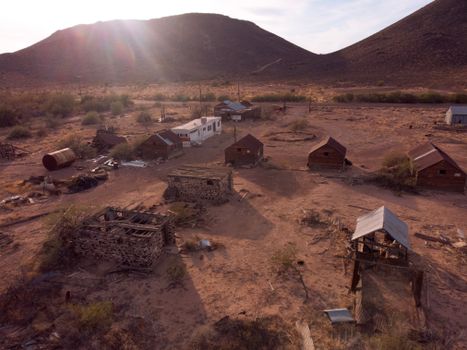
- The Vibe: Stepping into Bodie is like walking onto a perfectly preserved movie set from the Old West, except it's all real. Once a bustling gold mining town of 10,000 residents, Bodie went bust in the early 20th century and was largely abandoned. The California State Parks system now maintains it in a state of "arrested decay," meaning everything is left exactly as it was found.
- My Experience: On my first visit, I spent hours wandering through the dusty streets. I peered into the windows of the old saloon, imagining the clinking glasses and raucous laughter. I saw fully stocked general stores with shelves still laden with goods, a bank vault standing ajar, and even a schoolhouse with tiny desks and slates. The sheer level of preservation is astounding. I distinctively remember finding a child's toy wagon near a dilapidated cabin – a poignant reminder of the lives lived there. The wind whistling through the empty buildings truly felt like the ghosts of miners and saloon girls were whispering their tales.
- What Makes it Mind-Blowing: It's not just a few ruins; it's an entire town. You get a complete picture of frontier life, from the church to the jail. The "arrested decay" policy means you see it as it was left, not restored or sanitized.
- Practical Details:
- Location: East of the Sierra Nevada mountain range, near Mono Lake. Accessible via a well-maintained dirt road (check conditions in winter).
- Access: Open year-round, weather permitting. Entry fee: $14 per adult (subject to change).
- Tips: Go in spring or fall for the best weather and fewer crowds. Bring a good zoom lens for photography – you can't enter buildings, but you can shoot through windows. Pack water and snacks, as services are limited.
- Instagram Moment: The rows of weathered wooden buildings against the dramatic Sierra backdrop, especially at sunrise or sunset. The interior shots through dusty windows are incredibly evocative.
2. Kolmanskop, Namibia: Sand-Swallowed Diamond Dreams
- The Vibe: Imagine an entire town being slowly, gracefully swallowed by the desert. That's Kolmanskop. Founded in 1908 after diamonds were discovered in the Namib Desert, it was once a wealthy German mining settlement with a hospital, ballroom, power station, and even a bowling alley. When the diamond field declined, it was abandoned in 1956, leaving its elegant colonial buildings to the mercy of the shifting sands.
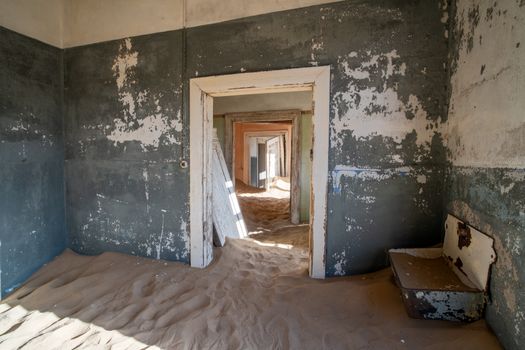
- My Experience: My journey to Kolmanskop was surreal. The drive through the Namib Desert alone is an adventure. As I approached, the pastel-colored buildings emerged from the dunes like a mirage. Inside, it was an eerie ballet of sand and decay. Rooms were half-filled with sand, dunes gracefully curving through doorways and windows. I walked through the doctor's office, imagining the bustling activity, now replaced by profound silence. The bowling alley, with its lanes half-buried, was a particularly striking sight. The desert wind hummed a constant, mournful tune.
- What Makes it Mind-Blowing: The stark beauty of nature reclaiming man-made structures is utterly breathtaking. The contrast of the elegant European architecture against the harsh, golden desert is a photographer's dream. It’s a powerful visual metaphor for the transient nature of human ambition.
- Practical Details:
- Location: Sperrgebiet National Park, a few kilometers inland from Lüderitz, Namibia.
- Access: Only accessible via guided tours, which depart from Lüderitz. You need a permit to enter the Sperrgebiet (Forbidden Area). Tour prices vary but expect to pay around N$300 (approx. $20 USD) for a standard permit and tour. Specialized photography permits (allowing earlier entry) are more expensive.
- Tips: Book a photography tour if you're serious about capturing the best light (sunrise/sunset). Wear sturdy shoes – you'll be walking in sand. Bring plenty of water. The tours are informative, but allow extra time to wander and explore after the guided portion.
- Instagram Moment: The iconic shots of sand dunes flowing into rooms, the pastel-colored walls, and the dramatic desert light. Every window and doorway frames a unique, artful composition.
3. Craco, Italy: A Medieval Ghost Perched on a Cliff
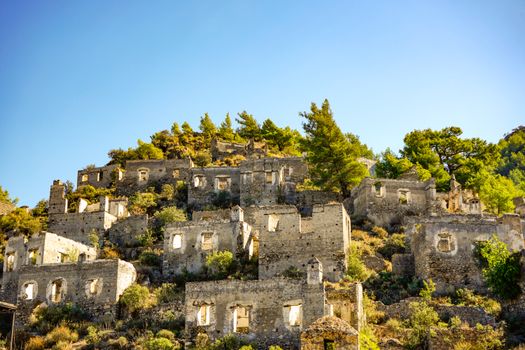
- The Vibe: Perched precariously on a steep, rocky hill in the Basilicata region of southern Italy, Craco is a medieval ghost town that looks like it's been plucked straight from a fantasy novel. Abandoned due to landslides and emigration in the 20th century, its crumbling stone buildings and dramatic setting are incredibly cinematic.
- My Experience: Reaching Craco felt like discovering a secret kingdom. The drive through the rolling hills of Basilicata was beautiful, but nothing prepared me for the sight of the town clinging to the cliff face. It’s undeniably beautiful, yet haunting. I took a guided tour, which is mandatory for safety reasons, and walked through the narrow, winding streets. The guide pointed out where the church once stood, where families lived, and how the earth gradually gave way beneath them. Looking out from the crumbling walls, the vast, empty landscape below stretched out, emphasizing the town's isolation. It felt like standing on the edge of the world, witnessing the ghost of a thousand years of history.
- What Makes it Mind-Blowing: Its dramatic, almost theatrical setting. The history here spans centuries, not just decades. It's a powerful reminder of how natural forces can shape human settlement. Plus, it's been a filming location for movies like "Quantum of Solace" and "The Passion of the Christ" for good reason!
- Practical Details:
- Location: Basilicata region, Southern Italy. Best reached by car.
- Access: Access to the historic center is strictly limited to guided tours for safety reasons (due to ongoing structural instability). Tours cost around €10-15 per person (check current prices and book in advance).
- Tips: Wear comfortable walking shoes, as the terrain is uneven. Check tour availability and book ahead, especially in peak season. Combine it with a trip to Matera, another incredible ancient city nearby.
- Instagram Moment: The panoramic views of the town clinging to the cliff, especially at golden hour. The narrow, atmospheric alleyways and archways are perfect for moody shots.
4. Pripyat, Ukraine: The Chilling Echoes of Chernobyl
- The Vibe: Pripyat isn't just a ghost town; it's a city frozen in time, abandoned in a matter of hours after the Chernobyl nuclear disaster in 1986. Everything from children's toys to school books, clothes, and furniture was left behind, creating a profoundly eerie and poignant tableau of a normal Soviet city suddenly emptied.
- My Experience: Visiting Pripyat and the Chernobyl Exclusion Zone was one of the most impactful travel experiences of my life. My heart pounded from the moment we passed through the first checkpoint. Walking through Pripyat was surreal. The famous Ferris wheel stood rusted and still in the amusement park, a chilling symbol of a celebration that never happened. I saw classrooms with textbooks open on desks, a swimming pool with diving boards still intact, and apartment blocks where life had simply stopped. Our guide, a former liquidator, shared stories that brought the tragedy into sharp focus. Despite the somber atmosphere, there's a strange beauty in how nature has reclaimed the city, with trees growing through buildings and wildlife thriving.
- What Makes it Mind-Blowing: The sheer scale of the abandonment, the tragic story behind it, and the palpable sense of history. It's a powerful and somber reminder of human error and nature's resilience. It challenges your understanding of nuclear power and its consequences.
- Practical Details:
- Location: Chernobyl Exclusion Zone, Ukraine.
- Access: Strictly by guided tour only. Tours typically depart from Kyiv and range from one-day to multi-day excursions. Prices vary significantly based on group size, duration, and inclusions, starting from around $100-$150 for a day trip up to $300-$500+ for multi-day private tours.
- Tips: Choose a reputable tour operator. Follow all safety instructions meticulously (don't stray from paths, don't touch anything). Wear long sleeves, long pants, and closed-toe shoes. Bring your passport. Be prepared for a day of profound reflection.
- Instagram Moment: The iconic Ferris wheel, the swimming pool, the decaying Soviet-era architecture, and the incredible contrast of vibrant nature against the desolate urban landscape.
5. Hashima Island (Battleship Island), Japan: An Industrial Fortress Submerged in Mystery
- The Vibe: Rising dramatically from the sea off the coast of Nagasaki, Hashima Island looks like a concrete battleship, hence its nickname. This densely packed island was once a thriving coal mining community with apartment blocks, schools, hospitals, and even a cinema, housing over 5,000 people at its peak. Abandoned in 1974 when the coal mines closed, it now stands as a stark, decaying monument to Japan's rapid industrialization.
- My Experience: Approaching Hashima by boat, the silhouette against the horizon was instantly captivating. It genuinely looks like a fortress. Once on the designated viewing platforms (access is restricted for safety), the sheer scale of the concrete jungle was overwhelming. Our guide recounted tales of the island's boom years, the cramped living conditions, and the sudden exodus. I imagined the lives lived within those crumbling walls, the children playing in the courtyards, the miners toiling beneath the sea. The salty air and the constant lapping of waves against the concrete added to the melancholic atmosphere. It’s a powerful visual representation of a bygone era and the disposable nature of industrial towns.
- What Makes it Mind-Blowing: Its unique offshore location, the incredibly dense and futuristic-looking concrete architecture, and its rapid boom-and-bust cycle. It's a UNESCO World Heritage site with a complex and sometimes controversial history.
- Practical Details:
- Location: Off the coast of Nagasaki, Japan.
- Access: Only accessible by approved boat tours departing from Nagasaki Port. Tours are weather-dependent and typically cost around ¥4,000-¥5,000 (approx. $30-40 USD). You cannot wander freely due to safety concerns; visitors are restricted to a designated viewing path.
- Tips: Book your tour in advance, especially during peak season. Be prepared for potentially choppy waters. Bring a good camera with a zoom lens.
- Instagram Moment: The dramatic "battleship" silhouette from the boat, the decaying concrete high-rises, and the eerie, almost dystopian feel of the abandoned infrastructure.
Planning Your Ghost Town Adventure: Practical Tips & Actionable Advice
Exploring ghost towns is not like visiting a typical tourist attraction. It requires preparation, respect, and a sense of adventure.
- Do Your Homework (Seriously!):
- Access & Permits: Many ghost towns are on private land, protected by state/national parks, or within restricted zones (like Chernobyl). Research permits, guided tour requirements, and accessibility before you go. Don't trespass – it's illegal, dangerous, and disrespectful.
- Safety: Check for structural integrity warnings, wildlife (snakes, scorpions, bears!), and environmental hazards (e.g., radiation in Chernobyl, unstable ground in Craco).
- Weather: Ghost towns are often in remote, exposed locations. Check forecasts and dress accordingly. Extreme heat, cold, or sudden storms can be dangerous.
- Pack Smart & Light:
- Sturdy Footwear: Uneven terrain, broken glass, dust, and sand are common. Good hiking boots are a must.
- Water & Snacks: Amenities are rare. Bring more water than you think you'll need.
- First-Aid Kit: Blisters, cuts, scrapes happen.
- Sun Protection: Hat, sunglasses, sunscreen.
- Layers: Temperatures can change quickly.
- Headlamp/Flashlight: Useful for peering into dark corners (where permitted).
- Respect the Past, Leave No Trace:
- Look, Don't Touch: Do not disturb artifacts, take souvenirs, or move anything. These places are historical sites.
- Stay on Designated Paths: This is crucial for your safety and to protect the delicate environment and structures.
- Leave No Trace: Pack out everything you pack in. Don't litter.
- Respect the Dead: Many ghost towns have cemeteries. Treat them with solemnity.
- Photography Etiquette:
- Be Patient: Wait for others to move out of your shot.
- Don't Damage: Do not move objects or climb on fragile structures for a photo.
- Capture the Story: Aim to convey the atmosphere, the history, and the decay. Think beyond just "pretty pictures."
- Consider a Guide: For places like Kolmanskop, Craco, Pripyat, and Hashima, a local guide is essential, not just for access but for invaluable historical context and safety. They bring the stories to life.
- Go Off-Season (If Possible): You'll often find fewer crowds, better lighting for photography, and a more profound sense of solitude.
Beyond the Famous: Finding Your Own Forgotten Gems
While the ghost towns I've mentioned are incredible, there are countless others waiting to be discovered. Many countries have their own abandoned mining towns, farming communities, or even resort towns that fell into disuse.
- Research Local History: Look for "boom and bust" industries in regions you plan to visit.
- Ask Locals: Sometimes the best tips come from people who live nearby.
- Use Satellite Maps: Google Maps can sometimes reveal intriguing clusters of abandoned buildings in remote areas.
- Join Online Forums: Communities dedicated to urban exploration or abandoned places can be great resources (but always prioritize safety and legality!).
The Unforgettable Echoes: A Stronger Connection to History
My journey through these forgotten ghost towns has been more than just a series of trips; it's been a profound education. Each crumbling wall, each rusted artifact, each whisper of the wind carries a story, a lesson, a reminder of the relentless march of time and the enduring spirit of humanity.
These places force you to slow down, to observe, to imagine. They challenge your perception of beauty, showing you that decay can be incredibly artistic, and silence can be deafeningly eloquent. They connect you to the past in a way no textbook ever could, making history feel tangible, personal, and deeply moving.
So, are you ready to trade the bustling city streets for the silent echoes of a forgotten era? Are you prepared to step into a story that time almost erased? Trust me, visiting a ghost town will not just blow your mind; it will awaken something deep within your soul. It’s an adventure that promises not just incredible photos, but an experience that will stay with you long after the dust has settled.
What's your first ghost town adventure going to be? Share your dream destination in the comments below, and let's inspire each other to explore the world's most captivating forgotten places!
---